

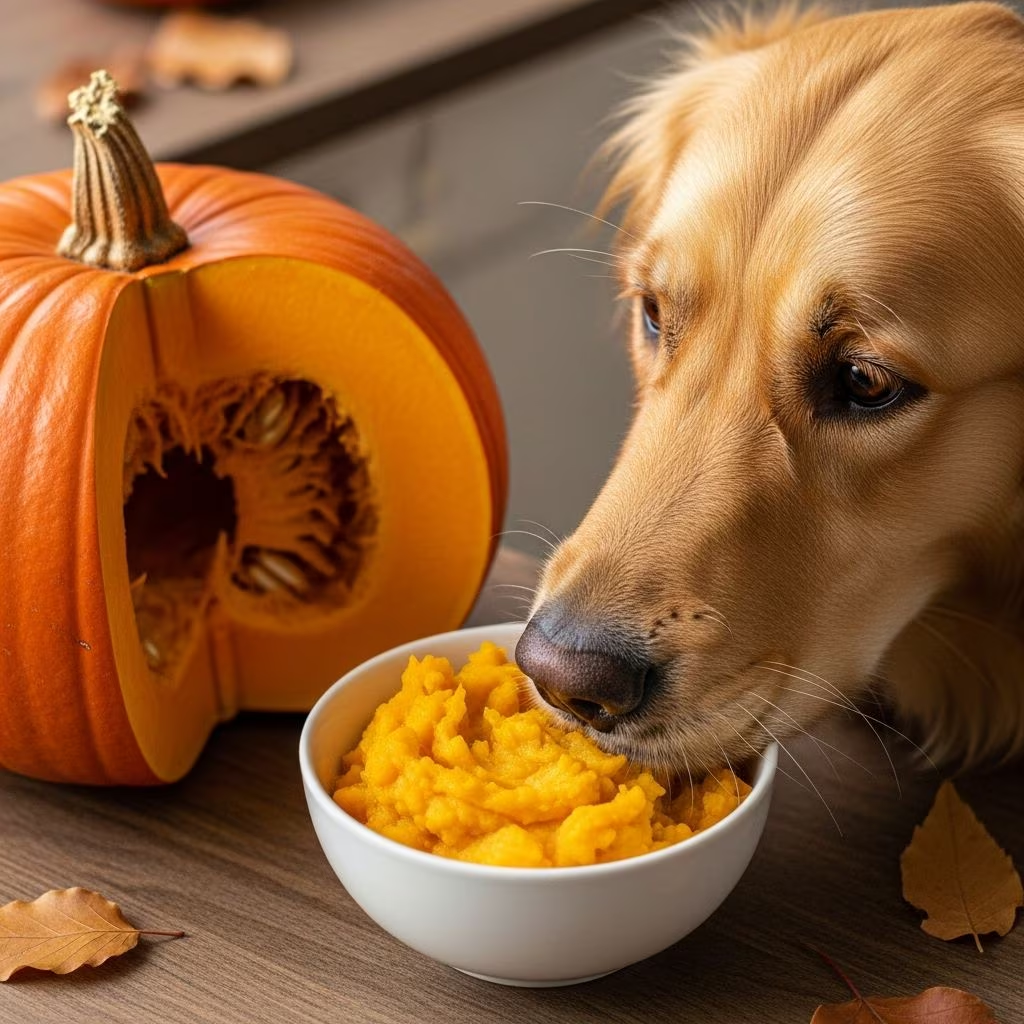
Plain canned pumpkin offers digestive support for dogs with pancreatitis due to its high soluble fiber content, which helps regulate bowel movements and bind excess fat, making it a suitable addition to low-fat recovery diets when approved by a veterinarian.
Understanding Canine Pancreatitis Basics
Pancreatitis occurs when the pancreas becomes inflamed, often triggered by high-fat meals, leading to enzyme leakage that damages tissues and causes severe abdominal pain. Dogs may experience acute episodes with intense symptoms or chronic forms with recurring issues, affecting breeds like Miniature Schnauzers more frequently.
Common signs include vomiting, lethargy, loss of appetite, diarrhea, fever, and a hunched posture indicating belly discomfort. Early detection is critical, as severe cases can lead to dehydration, organ failure, or even death without prompt intervention.
Why Fiber Matters in Pancreatitis Management
Soluble fiber from sources like pumpkin absorbs water in the gut, forming a gel that slows digestion, stabilizes blood sugar, and reduces diarrhea associated with pancreatic inflammation. It also binds dietary fats, preventing overload on the compromised pancreas during recovery.
Veterinarians often recommend low-fat, high-fiber diets post-flare-up to rest the organ and promote healing. Pumpkin fits this profile naturally, providing bulk without excess calories or fats.
Safe Ways to Introduce Pumpkin into Your Dog’s Diet
Start with small amounts—about one teaspoon per 10 pounds of body weight daily—mixed into low-fat meals to monitor tolerance. Use only plain, unsweetened canned pumpkin; avoid pie mixes with sugar or spices that could worsen symptoms.
- Consult your vet before adding, especially during active flare-ups.
- Mix into prescription low-fat kibble or home-cooked bland diets like boiled chicken and rice.
- Gradually increase if no vomiting or diarrhea occurs, aiming for 1-2 tablespoons for medium dogs.
- Monitor stool consistency; adjust to prevent constipation from too much fiber.
Standard Veterinary Treatments for Pancreatitis
Treatment prioritizes supportive care: IV fluids for hydration, anti-nausea drugs like maropitant, pain relievers, and fasting to rest the pancreas. Severe cases require hospitalization, while mild ones transition to small, frequent low-fat meals.
| Severity Level | Key Treatments | Duration |
|---|---|---|
| Mild | Rest, anti-emetics, low-fat diet shift | Days to weeks |
| Severe | IV fluids, pain meds, monitoring | Hospitalization 2-4 days |
| Chronic | Prescription diets, immunosuppressants if needed | Ongoing management |
Newer options like Panoquell-CA1 (fuzapladib sodium), FDA conditionally approved in 2023, target inflammation directly via three-day injections, potentially shortening recovery.
Home Care Strategies During Recovery
Once stabilized, focus on a calm environment to minimize stress, which can exacerbate flares. Offer small water sips hourly if not vomiting, and withhold food initially per vet guidance.
- Create a quiet rest area away from household bustle.
- Feed 4-6 tiny meals daily instead of 1-2 large ones to ease pancreatic workload.
- Avoid table scraps, fatty treats, or garbage access indefinitely.
- Track weight, appetite, and stool; report changes promptly.
Potential Benefits of Pumpkin Beyond Digestion
Pumpkin provides vitamins A, C, and E, plus antioxidants that support immune function strained by inflammation. Its low glycemic index helps maintain steady energy without spiking insulin, beneficial for pancreatic health.
In chronic cases, regular inclusion may prevent constipation from low-fat diets and promote gut microbiome balance.
Risks and When to Avoid Pumpkin
Overfeeding can cause loose stools or bloating; always introduce gradually. Dogs with allergies to pumpkins (rare) or concurrent conditions like diabetes need vet clearance. During acute vomiting phases, skip solids entirely until nausea subsides.
Comparing Pumpkin to Other Fiber Sources
| Fiber Source | Fiber Type | Pancreatitis Suitability | Calories per Tbsp |
|---|---|---|---|
| Pumpkin | Soluble | High (low-fat, easy digest) | 20-30 |
| Psyllium Husk | Mixed | Moderate (vet-prescribed) | 10-15 |
| Sweet Potato | Mixed | Good (cooked, plain) | 25-40 |
| Oatmeal | Soluble | Fair (low-fat only) | 30-50 |
Pumpkin stands out for its moisture content and palatability, encouraging eating in picky recoverers.
Long-Term Prevention After Pancreatitis
Maintain lifelong low-fat nutrition (under 10% fat calories), exercise routines, and annual bloodwork to monitor enzyme levels. Spay/neuter may reduce risk in predisposed females.
Incorporate pumpkin routinely for fiber maintenance, but pair with omega-3 supplements if vet-recommended for anti-inflammatory effects.
Frequently Asked Questions (FAQs)
Can all dogs with pancreatitis eat pumpkin?
Most can in moderation post-recovery, but get vet approval to rule out complications.
How much pumpkin is safe daily?
1 tsp per 10 lbs body weight, split across meals; adjust based on response.
Does pumpkin cure pancreatitis?
No, it supports management alongside vet treatments; it’s not a standalone cure.
What if my dog refuses pumpkin?
Blend into broth or mix with low-fat yogurt; try frozen cubes as treats.
Is fresh pumpkin better than canned?
Canned plain is finer-textured and safer (low bacteria risk); bake fresh if using.
Monitoring Progress and When to Seek Help
Watch for resolved symptoms within 48-72 hours of treatment; persistent issues warrant re-evaluation. Blood tests like cPLI confirm diagnosis and track healing.
With diligent care, including fiber aids like pumpkin, most dogs rebound fully, but recurrence risk remains without lifestyle changes.
References
- Pancreatitis in Dogs: How to Spot It and Get It Treated — WebMD. 2023. https://www.webmd.com/pets/dogs/dog-pancreatitis-symptoms-and-treatment
- Dog Pancreatitis Treatment: Urgent Signs & How to Act Fast — GSVS. 2024. https://gsvs.org/blog/dog-pancreatitis-emergency-treatment/
- Pancreatitis in Dogs: Symptoms, Causes and Treatment — AKC. 2024. https://www.akc.org/expert-advice/health/pancreatitis-in-dogs/
- Pancreatitis in Dogs — VCA Animal Hospitals. 2024. https://vcahospitals.com/know-your-pet/pancreatitis-in-dogs
- Pancreatitis in Cats and Dogs: Signs, Diagnosis, and Treatment — MedVet. 2024. https://www.medvet.com/pancreatitis-in-pets/
- Pancreatitis in Dogs: Signs, Causes and Treatment — PetMD. 2024. https://www.petmd.com/dog/conditions/endocrine/pancreatitis-in-dogs



