

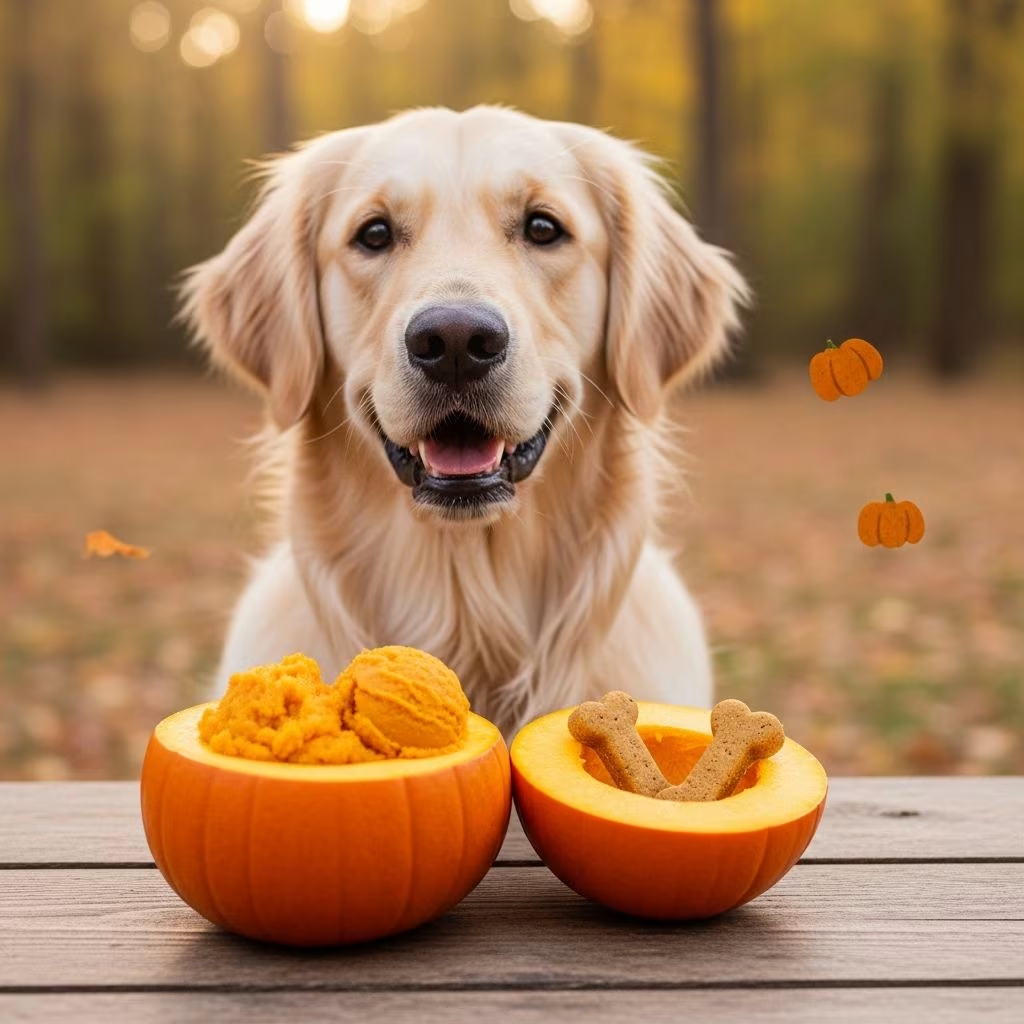
Pumpkin serves as a nutritious addition to a dog’s diet when prepared correctly, providing fiber for better digestion and essential vitamins for overall wellness. This low-calorie vegetable helps manage common issues like constipation while supporting immune function, making it a popular choice among pet owners.
Nutritional Powerhouse in Every Bite
Pumpkin stands out for its rich nutrient profile tailored to canine needs. It contains high levels of beta-carotene, which the body converts to vitamin A, essential for vision, skin health, and immune support. Additionally, vitamins C and E act as antioxidants, combating oxidative stress and promoting cell repair.
Fiber is the star component, particularly soluble fiber that absorbs water in the gut to firm up loose stools or soften hard ones. This dual action makes pumpkin a go-to remedy for mild digestive imbalances. Minerals like potassium aid heart function, while iron supports oxygen transport in the blood.
- Vitamin A: Enhances eyesight and coat quality.
- Vitamin C: Boosts collagen for joint health.
- Fiber: Regulates bowel movements effectively.
- Potassium: Maintains electrolyte balance.
Health Advantages for Your Canine Companion
Beyond basic nutrition, pumpkin addresses specific health concerns in dogs. For digestion, its fiber content promotes regular bowel movements, preventing both constipation and diarrhea. Veterinarians often suggest it for dogs with irregular stools, as it bulks up waste without harsh laxatives.
Pumpkin may assist with weight management due to its low calorie density—about 26 calories per 100 grams—allowing dogs to feel full on fewer calories. The fiber slows sugar absorption, potentially stabilizing blood glucose levels in diabetic dogs, though veterinary consultation is advised.
Anal gland health improves with firmer stools from added fiber, reducing impaction risks that lead to scooting or infections. Some owners report using ground seeds as a natural parasite deterrent, thanks to cucurbitacin, which may paralyze intestinal worms.
| Benefit | How It Helps Dogs | Key Nutrient |
|---|---|---|
| Digestion Aid | Firms loose stools, eases constipation | Soluble Fiber |
| Weight Control | Low-cal, high-fiber satiety | Fiber & Water Content |
| Immune Support | Antioxidant protection | Vitamins A, C, E |
| Anal Gland Relief | Bulks stool for natural expression | Insoluble Fiber |
Choosing the Right Pumpkin Varieties
Not all pumpkin forms suit dogs equally. Opt for 100% pure canned pumpkin, which is cooked, peeled, and seeded for easy digestion—no additives allowed. Fresh pumpkins work too, but select small sugar or pie varieties over large carving ones, which are stringy and less flavorful.
Raw pumpkin flesh is safe but harder to digest, potentially causing gas or bloating in sensitive dogs. The tough rind poses choking risks and digestive blockages, so remove it entirely. Steer clear of decorative pumpkins left outdoors, as mold growth invites bacterial issues.
Pumpkin seeds offer zinc, magnesium, and omega fatty acids but require preparation: roast, grind, and limit to avoid excess fat intake. Whole seeds risk choking, especially for small breeds.
Safe Feeding Methods and Portions
Incorporate pumpkin gradually to monitor tolerance. Start with 1 teaspoon per 10 pounds of body weight daily, mixed into kibble or atop meals. For a 50-pound dog, this equates to about 1-2 tablespoons.
Cooking methods include steaming, boiling, or baking plain chunks until soft, then pureeing for smooth texture. Freeze portions in ice cube trays for convenient treats, or blend into homemade toppers.
For seeds, grind 1/4 teaspoon per 10 pounds twice daily as a parasite aid, but discontinue once symptoms resolve and consult a vet. Always prioritize balance—pumpkin supplements, not replaces, regular food.
- Small dogs (<20 lbs): 1 tsp daily
- Medium dogs (20-50 lbs): 1-2 tbsp daily
- Large dogs (>50 lbs): 2-4 tbsp daily
Potential Drawbacks and Precautions
Excess pumpkin leads to diarrhea from fiber overload, so adhere to portions. High vitamin A accumulation risks toxicity if overfed long-term, manifesting as bone issues or lethargy.
Avoid pie fillings loaded with sugar, nutmeg (toxic, causing hallucinations), or xylitol (deadly sweetener triggering liver failure). Dogs with kidney disease or diabetes need vet approval due to potassium levels.
Monitor for allergies: rare itching or vomiting signals sensitivity—stop immediately.
Pumpkin in Everyday Dog Care Routines
Integrate pumpkin into training rewards by mixing with yogurt for high-value treats, or use as a mealtime topper to encourage picky eaters. During seasonal changes, it combats diet shifts causing tummy woes.
For seniors, its anti-inflammatory properties from antioxidants ease arthritis discomfort indirectly via better nutrition absorption. Puppies benefit from moderated amounts post-weaning for gut microbiome development.
Expert Insights from Veterinary Sources
Veterinarians endorse plain pumpkin for short-term digestive relief but stress moderation within balanced diets. The Animal Humane Society highlights its superfood status for both dogs and cats when additive-free. Recent guidelines emphasize checking labels rigorously amid rising flavored pet products.
Frequently Asked Questions
Is raw pumpkin okay for dogs?
Raw flesh is non-toxic but less digestible than cooked; sensitive stomachs may react with upset. Lightly cook for best results.
Can dogs have pumpkin pie?
No—sugar, spices like nutmeg, and potential xylitol make it dangerous. Choose pure puree instead.
Are pumpkin seeds safe?
Yes, roasted and ground; they provide minerals but watch for choking and fat content.
How much pumpkin for diarrhea?
1 tsp per 10 lbs, 1-2 times daily until improvement; vet if persists over 48 hours.
Does pumpkin help with worms?
Ground seeds may expel parasites via cucurbitacin; use as adjunct, not replacement for dewormers.
Recipes for Pumpkin-Powered Treats
Simple Pumpkin Topper: Blend 1 cup pure pumpkin with a dash of plain yogurt. Freeze in portions.
Seed Sprinkle: Roast seeds at 350°F for 10 minutes, grind, mix 1 tsp into meals.
Baked Bites: Combine pumpkin puree, oat flour, egg; bake into chews.
References
- Can Dogs Eat Pumpkin? Benefits, Risks & How to Feed It — Spot and Tango. 2023-10-15. https://www.spotandtango.com/blog/can-dogs-eat-pumpkin
- Can Dogs Eat Pumpkin? Benefits, Risks, and Feeding Tips — PetMD. 2024-05-20. https://www.petmd.com/dog/nutrition/can-dogs-eat-pumpkin
- Is Pumpkin Good for Dogs? What Our Vets Want You to Know — Longwood Vet Center. 2023-11-01. https://longwoodvetcenter.com/is-pumpkin-good-for-dogs-what-our-vets-want-you-to-know/
- What to Know About Pumpkin and Your Pet — Lake Cable Animal Hospital. 2024-02-14. https://lakecableah.com/what-to-know-about-pumpkin-and-your-pet/
- Is Pumpkin Safe for Dogs? Here’s What Vets Say — Country Living. 2024-10-10. https://www.countryliving.com/life/kids-pets/a69181937/can-dogs-eat-pumpkins/



