

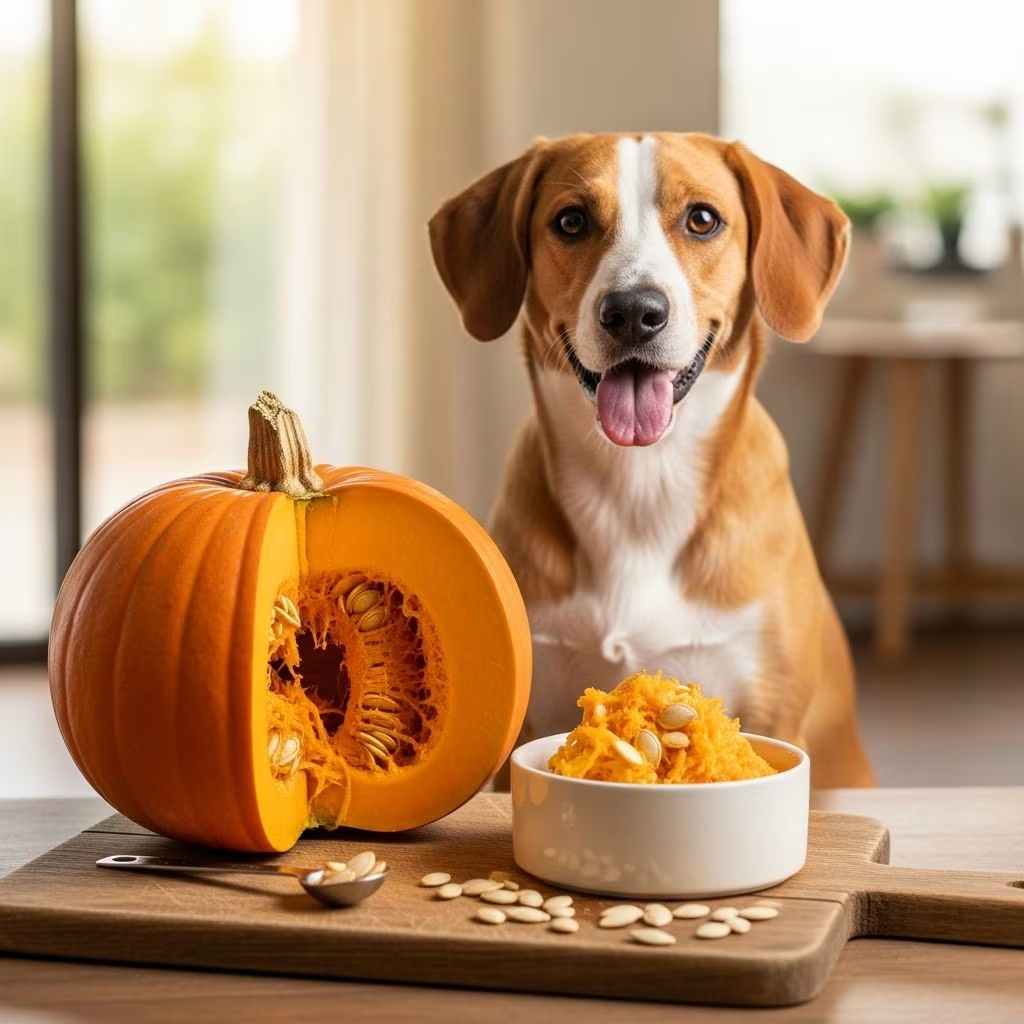
Pumpkin serves as a nutritious, low-calorie addition to most dogs’ diets when offered plain and in proper amounts. This versatile vegetable delivers fiber for smooth digestion alongside key vitamins that bolster overall wellness.
Why Pumpkin Makes a Great Dog Food Addition
Pet owners frequently seek natural ways to enhance their dog’s meals, and pumpkin fits perfectly due to its gentle profile. Rich in soluble fiber, it helps maintain regular bowel movements and eases mild tummy troubles without overwhelming the system. Beyond digestion, the high moisture content aids hydration, especially beneficial in dry kibble diets.
Pumpkin’s nutrient lineup impresses with beta-carotene converting to vitamin A for sharp vision and skin health, plus vitamin C and E acting as antioxidants to fight free radicals. Trace minerals like potassium support heart function, while its low fat and calorie density suit overweight or senior dogs needing bulk without extra energy.
- Fiber boost: Promotes firm stools and gut motility.
- Vitamin support: Enhances immunity and coat shine.
- Hydration helper: Adds moisture to meals.
- Weight aid: Fills belly with few calories.
Nutritional Breakdown of Pumpkin for Canines
A single tablespoon of plain canned pumpkin packs about 5 calories, 1 gram of fiber, and zero fat, making it ideal for treat substitution. Compare this to typical biscuits at 20-50 calories each—pumpkin stretches further while nourishing more effectively.
| Nutrient | Per Tbsp (Plain Pumpkin) | Dog Health Benefit |
|---|---|---|
| Fiber | 1g | Digestion regulation |
| Vitamin A | ~2000 IU | Vision, skin integrity |
| Vitamin C | 2mg | Antioxidant protection |
| Potassium | 58mg | Muscle and heart function |
| Calories | 5 | Low for weight control |
This table highlights why vets often recommend pumpkin as a staple supplement, backed by its balanced profile.
Best Preparation Methods for Dog-Safe Pumpkin
Opt for 100% pure canned pumpkin over fresh for convenience—it’s pre-cooked, mashed, and additive-free. To prepare fresh, select small sugar pumpkins, halve, remove seeds and stringy innards, bake or steam flesh until soft, then puree smooth. Avoid microwaving large chunks to prevent uneven cooking.
Raw pumpkin proves tougher; its firm texture resists chewing and digestion, risking bloating or blockages in smaller breeds. Cooked versions break down pectin fibers, making nutrients more bioavailable.
- Cut pumpkin in half.
- Scoop out seeds and pulp.
- Steam or bake at 350°F for 45 minutes.
- Blend into puree; cool before serving.
Mix 1-2 tablespoons into kibble, yogurt, or freeze in Kongs for fun treats.
Recommended Serving Sizes by Dog Weight
Portion control prevents fiber overload, which flips from helpful to harmful quickly. Start small, observe stools for 24 hours, and adjust. Treats including pumpkin should cap at 10% daily calories.
| Dog Weight | Daily Pumpkin Amount | Frequency |
|---|---|---|
| <25 lbs | ½ – 1 Tbsp | 2-3x/week |
| 25-50 lbs | 1 – 2 Tbsp | 3-4x/week |
| 50-75 lbs | 2 – 3 Tbsp | Daily if tolerated |
| >75 lbs | 3 – 4 Tbsp | Daily max |
These guidelines draw from veterinary consensus for safe integration.
Health Conditions That Benefit from Pumpkin
Digestion and Stool Issues
For constipation, pumpkin’s insoluble fiber adds bulk; for diarrhea, soluble types absorb excess water. Many owners report firmer stools within 48 hours of consistent small doses.
Anal Gland Support
Fiber promotes fuller stools, naturally expressing glands and reducing scooting or infections common in small breeds.
Weight Management
Replace high-cal treats with pumpkin to cut calories by 75% while satisfying hunger—perfect for obese pups aiming for 1-2% weekly loss.
Skin and Coat Enhancement
Vitamin E and zinc traces combat dry, itchy skin; expect shinier fur after 2-4 weeks.
Potential Risks and How to Avoid Them
Excess leads to gas, loose stools, or vitamin A buildup—symptoms include lethargy or vomiting. Limit to suggested amounts and rotate with other veggies.
Never use pie filling: nutmeg disrupts clotting, sugars spike blood glucose, xylitol poisons lethally. Check labels for ‘pure pumpkin’ only.
- Choking hazards: Skip skins, seeds, strings.
- Allergies: Rare, but watch for itching or ear issues.
- Medical caveats: Diabetes, kidney disease need vet okay due to carbs/potassium.
Pumpkin for Puppies, Seniors, and Special Needs Dogs
Puppies under 6 months handle small amounts post-weaning for weaning diarrhea, but delicate guts demand halves of adult doses. Seniors gain from softer stools and joint-supporting beta-carotene, easing arthritis indirectly via better nutrition absorption.
Pregnant or lactating females benefit from extra hydration and calories; consult breeder protocols. Working breeds like herders use it for sustained energy without crashes.
Creative Ways to Incorporate Pumpkin Daily
Beyond mixing, bake pumpkin dog biscuits: combine puree, oat flour, egg; cut shapes, bake low. Top bowls with a dollop for appeal. Freeze puree cubes in broth for puzzle toys, extending engagement.
For picky eaters, blend into wet food or layer in stuffed toys. Seasonal twist: puree in Halloween pupcakes minus sugar/spices.
Common Myths About Feeding Dogs Pumpkin
Myth: All canned pumpkin works. Fact: Only pure; pie mixes harm. Myth: Raw equals better. Fact: Cooked digests easier. Myth: Unlimited safe. Fact: Caps prevent overload.
Frequently Asked Questions
Can dogs eat pumpkin seeds?
Yes, roasted plain seeds offer zinc and fats, but grind small amounts to avoid choking. Limit to 1 tsp/20lbs weekly.
Is pumpkin skin okay for dogs?
No, too fibrous; causes blockages. Peel before cooking.
How fast does pumpkin firm stools?
Often 12-24 hours; stop if no change in 48 or worsens.
Can puppies have pumpkin?
Yes, tiny doses after 8 weeks for teething relief or mild upsets.
What if my dog ate spiced pumpkin?
Monitor for vomiting; call vet if nutmeg suspected.
Consulting Your Veterinarian Before Starting
While generally safe, tailor to health history—bloodwork guides for kidney cases. Annual checkups confirm compatibility, especially with meds.
References
- Can Dogs Eat Pumpkin? Benefits, Risks & How to Feed It — Spot & Tango. 2023. https://www.spotandtango.com/blog/can-dogs-eat-pumpkin
- Can Dogs Eat Pumpkin? Benefits, Risks, and Safe Feeding Tips — Harlingen Veterinary Clinic. 2024-01-15. https://harlingenveterinaryclinic.com/blog/can-dogs-eat-pumpkin/
- Can Dogs Eat Pumpkin? Benefits, Risks & How to Serve It — PetAmaze. 2023-10-20. https://petamaze.com/blogs/the-dog-blog/can-dogs-eat-pumpkin
- Can Dogs Eat Pumpkin? — Chewy Education. 2024. https://www.chewy.com/education/dog/food-and-nutrition/can-dogs-eat-pumpkin
- Is Pumpkin Good for Dogs? What Our Vets Want You to Know — Longwood Vet Center. 2023-11-05. https://longwoodvetcenter.com/is-pumpkin-good-for-dogs-what-our-vets-want-you-to-know/



