

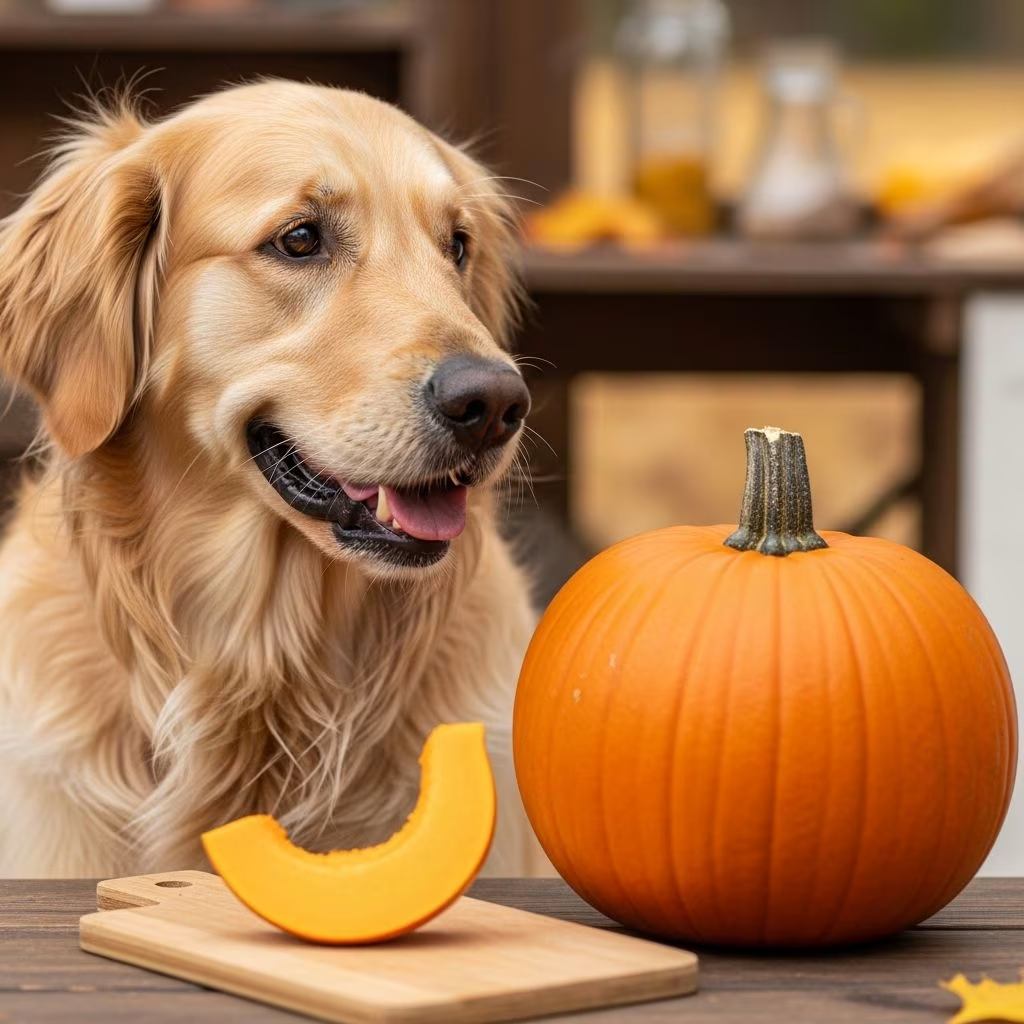
Pumpkin serves as a safe, nutrient-packed addition to a dog’s diet when prepared correctly, offering fiber for digestive balance, vitamins for immune support, and low-calorie bulk for weight control.
Why Pumpkin Stands Out in Canine Nutrition
This humble gourd, often associated with fall festivities, packs a powerful punch of health benefits for dogs. Its appeal lies in the high soluble fiber content that aids gut motility, alongside a profile rich in antioxidants and essential minerals. Pet owners frequently turn to it as a natural remedy for common issues like irregular stools or seasonal shedding.
Unlike many human foods, plain pumpkin aligns well with canine dietary needs due to its low fat and sugar levels. Veterinary sources emphasize its role in promoting overall vitality without disrupting balanced commercial diets.
Core Nutritional Profile of Pumpkin
Pumpkin delivers a broad spectrum of nutrients vital for dogs. Key components include beta-carotene converted to vitamin A for vision maintenance, vitamin C as an immune booster, and potassium for cardiovascular function.
| Nutrient | Primary Benefit for Dogs |
|---|---|
| Vitamin A (from beta-carotene) | Eye health, immune support |
| Vitamin C | Antioxidant protection, collagen formation |
| Vitamin E | Skin integrity, muscle function |
| Potassium | Muscle contraction, blood pressure regulation |
| Iron | Oxygen transport in blood |
| Fiber (soluble and insoluble) | Digestive regulation, gut bacteria nourishment |
These elements work synergistically to fortify a dog’s system against oxidative stress and nutritional gaps.
Digestive Health: Pumpkin’s Flagship Benefit
The standout advantage of pumpkin centers on digestion. Soluble fiber absorbs excess water in loose stools, firming them up, while insoluble fiber adds bulk to combat constipation. This dual action stems from pumpkin’s prebiotic properties, which feed beneficial gut microbes and foster a healthy intestinal environment.
- Addresses mild diarrhea by slowing transit time and binding fluids.
- Relieves constipation through increased stool volume and hydration from high water content.
- Supports long-term colon health via short-chain fatty acid production from fiber fermentation.
Vets often recommend a teaspoon to a tablespoon daily for small to medium dogs during tummy troubles, noting quick improvements in stool quality.
Weight Management and Satiety Support
For overweight dogs, pumpkin proves invaluable. Its fiber and moisture create a feeling of fullness with minimal calories—about 20-30 per half-cup serving. Substituting a portion of kibble with pumpkin reduces overall intake while maintaining nutrition.
Owners report dogs staying satisfied longer, curbing begging behaviors. This makes it ideal for gradual weight loss plans, potentially replacing up to 25% of daily food volume under veterinary guidance.
Enhancing Skin, Coat, and Anal Gland Function
Pumpkin’s vitamins A and E, plus omega fatty acids in seeds, nourish skin cells and strengthen hair follicles. Dogs prone to dry, itchy skin or heavy shedding often show glossier coats and reduced dander after consistent inclusion.
High-fiber intake also promotes firmer stools, aiding natural anal gland expression. This prevents impactions common in small breeds or those with soft stools, reducing vet visits for manual emptying.
Immune Boost and Disease Prevention
Antioxidants like beta-carotene and vitamins C/E neutralize free radicals, bolstering defenses against infections and inflammation. Pumpkin seeds add cucurbitacin, which may deter intestinal parasites as a complementary measure.
For senior dogs or those with joint issues, extra vitamin C supports cartilage maintenance, potentially easing mobility challenges.
Selecting and Preparing Pumpkin Safely
Not all pumpkin forms suit dogs. Opt for 100% pure canned varieties or cooked fresh flesh, avoiding pie fillings laced with sugar, spices, or xylitol.
- Fresh pumpkin: Steam or bake rind-free chunks until soft; puree for easy mixing.
- Canned: Choose labels reading “pure pumpkin” without additives.
- Seeds: Dry, grind, and sprinkle sparingly for omega boost.
Raw pumpkin poses choking risks and digestibility issues, while seasoned versions introduce toxins like nutmeg.
Recommended Serving Sizes by Dog Size
| Dog Weight | Daily Amount (Plain Pumpkin) |
|---|---|
| Under 10 lbs | ½ – 1 tsp |
| 10-20 lbs | 1-2 tbsp |
| 20-50 lbs | 2-4 tbsp |
| Over 50 lbs | ¼ – ½ cup |
Start low to monitor tolerance, adjusting based on response. Consult a vet for puppies, seniors, or dogs with conditions like diabetes.
Creative Ways to Incorporate Pumpkin
Beyond plain topping, blend into homemade treats or meals for variety.
- Mix with kibble for moisture and appeal.
- Freeze in Kong toys as a healthy chewy.
- Bake into biscuits: combine with oats, egg, and peanut butter (xylitol-free).
- Puree with yogurt for probiotic synergy.
These methods enhance palatability while delivering benefits discreetly.
Potential Risks and When to Avoid
Overfeeding leads to excess gas, bloating, or nutrient imbalances. Dogs with allergies or sensitivities may react with vomiting. Pumpkin’s fiber slows glucose absorption, beneficial for diabetics but requiring vet oversight.
Never use as a medical substitute; persistent issues demand professional evaluation.
FAQs on Feeding Pumpkin to Dogs
Can all dogs eat pumpkin?
Most can, but consult a vet for those with gastrointestinal disorders, pancreatitis, or on restricted diets.
Is canned pumpkin better than fresh?
Canned offers convenience and consistent texture; fresh provides peak freshness if prepared properly.
How quickly does pumpkin help dog diarrhea?
Effects often appear within 24-48 hours with proper dosing.
Are pumpkin seeds safe for dogs?
Yes, ground and unsalted in moderation for added nutrients.
Can pumpkin help with dog hairballs?
Its fiber lubricates the tract, aiding hair passage similar to cats.
In summary, thoughtfully added plain pumpkin elevates canine health across digestion, immunity, and appearance. Integrate it mindfully for a happier, healthier pup.
References
- Pumpkin For Dogs: Unlocking Health Benefits & Easy Uses — Halo Collar. 2023. https://www.halocollar.com/blog/dog-nutrition/pumpkin-for-dogs/
- Is Pumpkin Good for Dogs? What Our Vets Want You to Know — Longwood Vet Center. 2024. https://longwoodvetcenter.com/is-pumpkin-good-for-dogs-what-our-vets-want-you-to-know/
- Benefits of Pumpkin for Dogs and Cats — Morris Animal Inn. 2023. https://www.morrisanimalinn.com/blog/13-benefits-pumpkin-pets/
- Can Dogs Eat Pumpkin? — PetMD. 2025-02-10. https://www.petmd.com/dog/nutrition/can-dogs-eat-pumpkin
- Can Dogs Eat Pumpkin? What to Know About Adding Pumpkin to Your Dog’s Diet — Cincinnati Family Vet. 2024. https://www.cincinnatifamilyvet.com/services/dogs/blog/can-dogs-eat-pumpkin-what-know-about-adding-pumpkin-your-dogs-diet
- Canned Pumpkin For Dogs: A Veterinarian’s Guide — ToeGrips. 2024. https://toegrips.com/canned-pumpkin-for-dogs/
- Can Pumpkin Help With Dog Diarrhea? — American Kennel Club. 2023-10-15. https://www.akc.org/expert-advice/nutrition/can-pumpkin-help-with-dog-diarrhea/



