
Pumpkin for Dogs: Nutritional Guide and Health Benefits
Discover how pumpkin can support your dog's digestive health and overall wellness
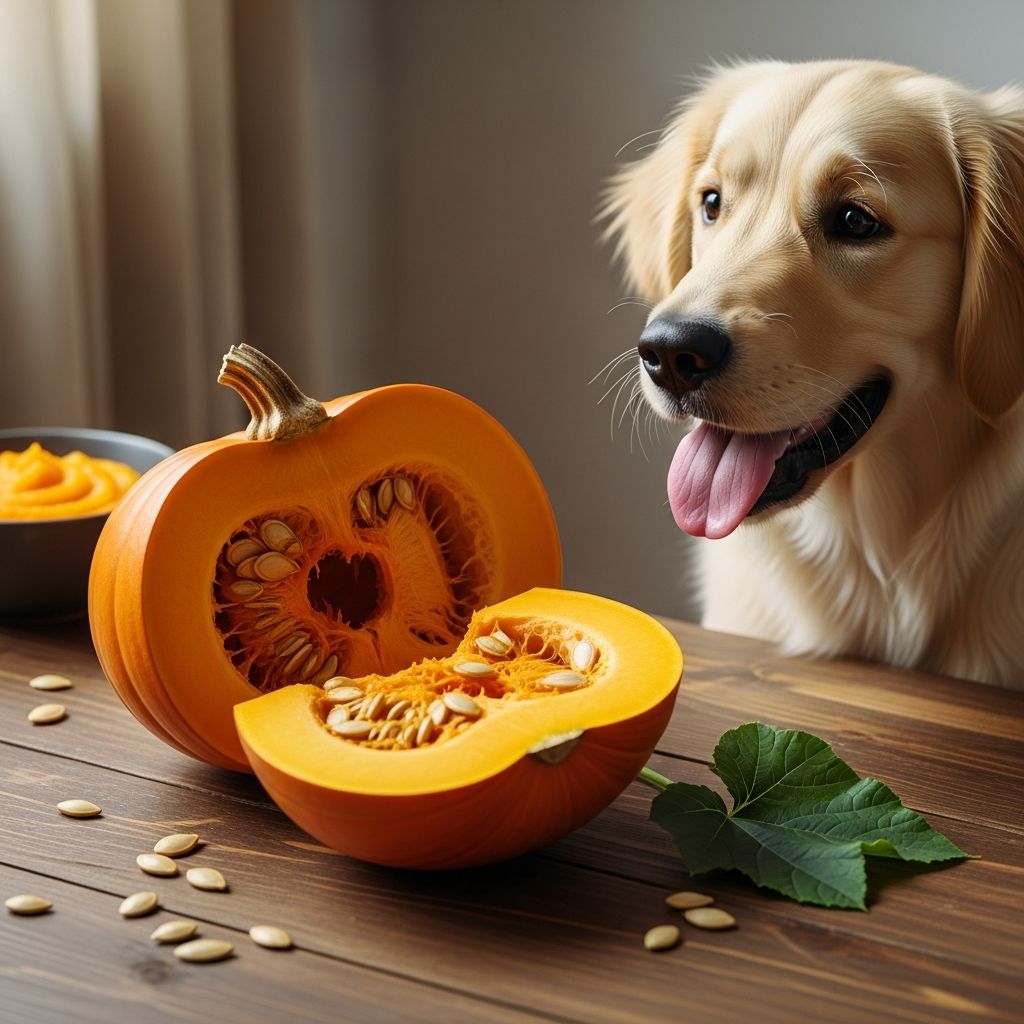
Pumpkin has emerged as one of the most recommended natural supplements for canine wellness, trusted by veterinarians and pet owners alike. This humble orange vegetable offers substantial nutritional value that addresses multiple aspects of your dog’s health, from digestive function to immune system support. Understanding how to properly incorporate pumpkin into your dog’s diet can enhance their quality of life and prevent common health issues.
Understanding Pumpkin’s Nutritional Composition
Pumpkin stands out as a nutrient-dense food that provides significant health benefits despite being low in calories. One cup of cooked pumpkin contains minimal calories while delivering an impressive array of essential vitamins, minerals, and phytonutrients. The distinctive orange color indicates the presence of powerful compounds that work synergistically to support canine health.
The primary nutritional components that make pumpkin valuable for dogs include:
- Beta-carotene (Vitamin A): This fat-soluble vitamin plays a crucial role in maintaining vision, supporting eye health, and promoting immune function.
- Vitamin C: Essential for immune system strengthening and working alongside other antioxidants to protect cells from damage.
- Vitamin E: Provides antioxidant protection and supports skin health.
- Potassium: Regulates blood pressure, improves muscle health, and assists metabolic processes.
- Iron: Supports healthy blood function and oxygen transport throughout the body.
- Soluble Fiber: The most significant component for digestive health, supporting gut function and bacterial balance.
- Water Content: Pumpkin’s high moisture level contributes to hydration and helps maintain skin elasticity.
Beyond these primary nutrients, pumpkin contains additional beneficial compounds including lutein, flavonoids, cryptoxanthin, and other carotenoids that function as antioxidants. These phytonutrients help ward off disease and support the body’s natural defense mechanisms.
Digestive Health and Gastrointestinal Support
One of the most recognized benefits of pumpkin for dogs involves its remarkable ability to address digestive concerns at both ends of the spectrum. Whether your dog experiences occasional constipation or mild diarrhea, pumpkin’s fiber content creates a regulatory effect that normalizes bowel movements.
How Pumpkin Addresses Constipation: The high fiber and water content in pumpkin work together to soften stool and promote easier elimination. When a dog struggles with constipation, the added bulk from pumpkin’s soluble fiber stimulates intestinal movement and encourages regular bowel function. The fiber absorbs moisture in the digestive tract, adding volume that helps move material through the system more effectively.
Managing Diarrhea: Conversely, when dogs experience mild diarrhea, pumpkin’s soluble fiber absorbs excess water in the intestines, helping to firm up stool consistency. This dual action—thickening loose stool while softening hard stool—makes pumpkin particularly valuable for dogs with sensitive or reactive digestive systems. The soluble fiber also acts as a prebiotic, feeding beneficial bacteria in the gut microbiome and promoting long-term digestive health.
Beyond basic stool regulation, pumpkin offers additional gastrointestinal benefits. Some dogs experience acid reflux, and pumpkin can help manage this condition through its gentle, nutrient-dense composition. The vegetable also supports overall digestive comfort without causing additional stress to sensitive stomachs.
Important Note: If your dog experiences severe or prolonged digestive issues, veterinary consultation is essential, as these may indicate underlying health conditions requiring professional diagnosis and treatment.
Weight Management and Satiety Support
Dogs struggling with excess weight often experience constant hunger, even when receiving appropriate calorie portions. Pumpkin addresses this challenge through its unique nutritional profile that promotes fullness without caloric excess.
Because pumpkin contains high fiber and water content while remaining low in calories, adding this vegetable to your dog’s meals increases volume and promotes satiety. Dogs feel satisfied and full even while consuming fewer overall calories, making pumpkin an effective tool for weight management programs.
Practical Application: Rather than simply reducing meal portions—which often leaves dogs hungry and dissatisfied—pet owners can substitute a portion of regular food with pumpkin. A typical recommendation involves replacing ¼ cup of regular food with 1 tablespoon of canned pumpkin, adjusted according to your dog’s weight and dietary needs. For dogs weighing approximately 10 pounds, using ⅛ to ¼ cup of pumpkin per day provides appropriate volume while maintaining nutritional balance.
This approach transforms weight loss from a restrictive, frustrating experience into a sustainable dietary adjustment. Dogs receive satisfying portions, experience improved digestive health, and gradually achieve healthier weight ranges. The added fiber also supports metabolic function, making pumpkin particularly beneficial for dogs with diabetes or those requiring careful blood sugar management.
Anal Gland Health and Stool Quality
Many dog owners encounter problems related to anal gland dysfunction, which can cause discomfort and behavioral issues. Pumpkin’s high-fiber content addresses this common problem by improving stool consistency and promoting natural anal gland expression.
When dogs produce firm, well-formed stools due to adequate fiber intake, these healthy bowel movements naturally express the anal glands during elimination. This process prevents the buildup of fluid that leads to impaction, discomfort, and potential infection. By maintaining optimal stool quality through pumpkin supplementation, owners can help their dogs avoid future anal gland complications.
Immune System Enhancement and Disease Prevention
Pumpkin’s comprehensive antioxidant profile supports immune function through multiple mechanisms. The combination of vitamins A, C, and E, along with various phytonutrients, helps neutralize harmful free radicals and oxidative stress within the body. This protective effect becomes increasingly important as dogs age, as oxidative damage contributes to aging processes and disease development.
These antioxidants work together to reduce inflammation throughout the body, supporting joint health, tissue repair, and overall cellular function. While pumpkin cannot prevent all disease, its nutrient density supports the body’s natural capacity to maintain health and resist illness.
Skin and Coat Quality Improvement
The nutritional compounds in pumpkin directly benefit skin and coat condition through multiple pathways. Vitamin A and zinc work together to promote healthy skin cell turnover and sebum production, which keeps skin supple and coats lustrous. The high water content also contributes to skin hydration, reducing dryness and associated shedding.
Dogs experiencing dry skin, mild itching, or coat dullness often show improvement with regular pumpkin supplementation. The combination of topical moisture and internal nutritional support creates visible improvements in coat shine and skin health within weeks of consistent feeding.
Additionally, for dogs with inflammatory skin conditions or food sensitivities, pumpkin’s anti-inflammatory properties may help reduce irritation and support immune function, potentially decreasing allergic reactions.
Safe Preparation and Feeding Guidelines
While pumpkin offers substantial benefits, proper preparation and appropriate quantities ensure safety and effectiveness.
Recommended Pumpkin Forms
- Plain Cooked Pumpkin: Fresh pumpkin, roasted and pureed at home, provides optimal nutrition without any additives.
- 100% Canned Pumpkin: Canned pumpkin with no added ingredients offers convenience while maintaining full nutritional value. Always verify the label contains only pumpkin with no added sugars or spices.
- Pumpkin Puree: Similar to canned pumpkin, ensuring no added seasonings or preservatives.
Preparation Methods to Avoid
- Raw Pumpkin: Raw pumpkin can cause digestive upset and may be difficult for dogs to digest efficiently.
- Pumpkin Pie Filling: This product contains added sugars, spices, and often contains nutmeg, which is toxic to dogs.
- Seasoned Pumpkin: Products containing cinnamon, nutmeg, cloves, or other spices can cause gastrointestinal irritation and potential toxicity.
- Pumpkin with Xylitol: This artificial sweetener is extremely toxic to dogs and must be avoided entirely.
Appropriate Portion Sizes
Pumpkin should supplement regular meals rather than replace them entirely. Most veterinarians recommend adding small quantities appropriate to body weight:
- Small dogs (under 10 pounds): ½ to 1 teaspoon per day
- Medium dogs (10-25 pounds): 1 tablespoon per day
- Large dogs (over 25 pounds): 2-3 tablespoons per day
Begin with smaller amounts and gradually increase as your dog’s digestive system adjusts. Most dogs tolerate pumpkin well, but introducing new foods slowly prevents potential digestive upset.
Frequently Asked Questions
How quickly will pumpkin resolve my dog’s diarrhea?
Most dogs show improvement within 24 to 48 hours of pumpkin supplementation for mild diarrhea. However, if diarrhea persists beyond several days or appears severe, veterinary evaluation is necessary to rule out serious underlying conditions.
Can I feed pumpkin daily to my dog?
Yes, pumpkin is safe for daily feeding at appropriate portions. Many veterinarians recommend consistent pumpkin supplementation for dogs with chronic digestive sensitivities or those managing weight.
Is fresh pumpkin better than canned pumpkin?
Both forms offer excellent nutritional value. Fresh pumpkin requires cooking and pureeing, while canned pumpkin offers convenience. Choose the option that fits your lifestyle while ensuring no additives are present.
Will pumpkin cause weight gain?
No, pumpkin’s low calorie content and high fiber support weight loss rather than gain. In fact, adding pumpkin to meals typically reduces overall calorie intake while maintaining satiety.
Can puppies eat pumpkin?
Yes, pumpkin is safe for puppies in appropriately small portions adjusted to their size. Always consult your veterinarian regarding puppy nutrition, as growth-stage dietary needs differ from adult dogs.
Considerations Before Adding Pumpkin to Your Dog’s Diet
While pumpkin benefits most dogs, certain situations warrant veterinary consultation before introducing it. Dogs with specific medical conditions, those taking particular medications, or those with unusual digestive patterns may need personalized dietary guidance. Additionally, if your dog has diabetes or other metabolic conditions, discuss pumpkin supplementation with your veterinarian to ensure it aligns with your dog’s treatment plan.
Some dogs may experience initial changes in stool consistency when first introduced to pumpkin. These adjustments typically resolve within days as the digestive system adapts to the increased fiber.
Complementary Dietary Strategies
While pumpkin provides substantial benefits, optimal dog nutrition involves comprehensive dietary balance. Pet owners can rotate pumpkin with other fiber-rich vegetables such as broccoli, brussels sprouts, or beans to provide varied nutrients and prevent palatability fatigue. This approach maintains digestive support while offering diverse nutritional profiles.
Consistent hydration remains essential, particularly when increasing dietary fiber. Ensure your dog has access to fresh water throughout the day, as adequate hydration works synergistically with fiber to optimize digestive function.
Long-Term Health Outcomes
Regular pumpkin supplementation supports cumulative health benefits beyond immediate digestive relief. Dogs receiving consistent pumpkin supplementation often display improved energy levels, shinier coats, healthier skin, and more stable weight management over time. The nutritional density of pumpkin makes it one of the most accessible and effective natural supplements available for canine wellness.
By incorporating this nutrient-rich vegetable into your dog’s regular diet, you provide comprehensive support for digestive health, immune function, weight management, and overall vitality. Pumpkin represents an evidence-based, veterinarian-recommended approach to enhancing canine nutrition through whole food supplementation.
References
- Pooch & Mutt — Pooch & Mutt. Accessed March 30, 2026. https://www.poochandmutt.co.uk/blogs/nutrition/pumpkin-for-dogs-health-benefits-and-suspiciously-good-snacks
- Can Dogs Eat Pumpkin? Benefits, Risks, and Feeding Tips — PetMD. Accessed March 30, 2026. https://www.petmd.com/dog/nutrition/can-dogs-eat-pumpkin
- Benefits of Pumpkin for Dogs and Cats — Morris Animal Inn. Accessed March 30, 2026. https://www.morrisanimalinn.com/blog/13-benefits-pumpkin-pets/
- Why is pumpkin good for dogs? — ElleVet Sciences. Accessed March 30, 2026. https://www.ellevetsciences.com/blog/why-is-pumpkin-good-for-dogs/
- Can Pumpkin Help With Dog Diarrhea? — American Kennel Club. Accessed March 30, 2026. https://www.akc.org/expert-advice/nutrition/can-pumpkin-help-with-dog-diarrhea/
- Can Dogs Eat Pumpkin? What to Know About Adding Pumpkin to Your Dogs Diet — Cincinnati Family Vet. Accessed March 30, 2026. https://www.cincinnatifamilyvet.com/services/dogs/blog/can-dogs-eat-pumpkin-what-know-about-adding-pumpkin-your-dogs-diet
- Is Pumpkin Good for Dogs? What Our Vets Want You to Know — Longwood Vet Center. Accessed March 30, 2026. https://longwoodvetcenter.com/is-pumpkin-good-for-dogs-what-our-vets-want-you-to-know/
- 10 Health Benefits of Pumpkin for Dogs — Homes Alive Pets Blog. Accessed March 30, 2026. https://blog.homesalive.ca/dog-blog/health-benefits-of-pumpkin-for-dogs
Similar Articles








Read full bio of Sneha Tete




