

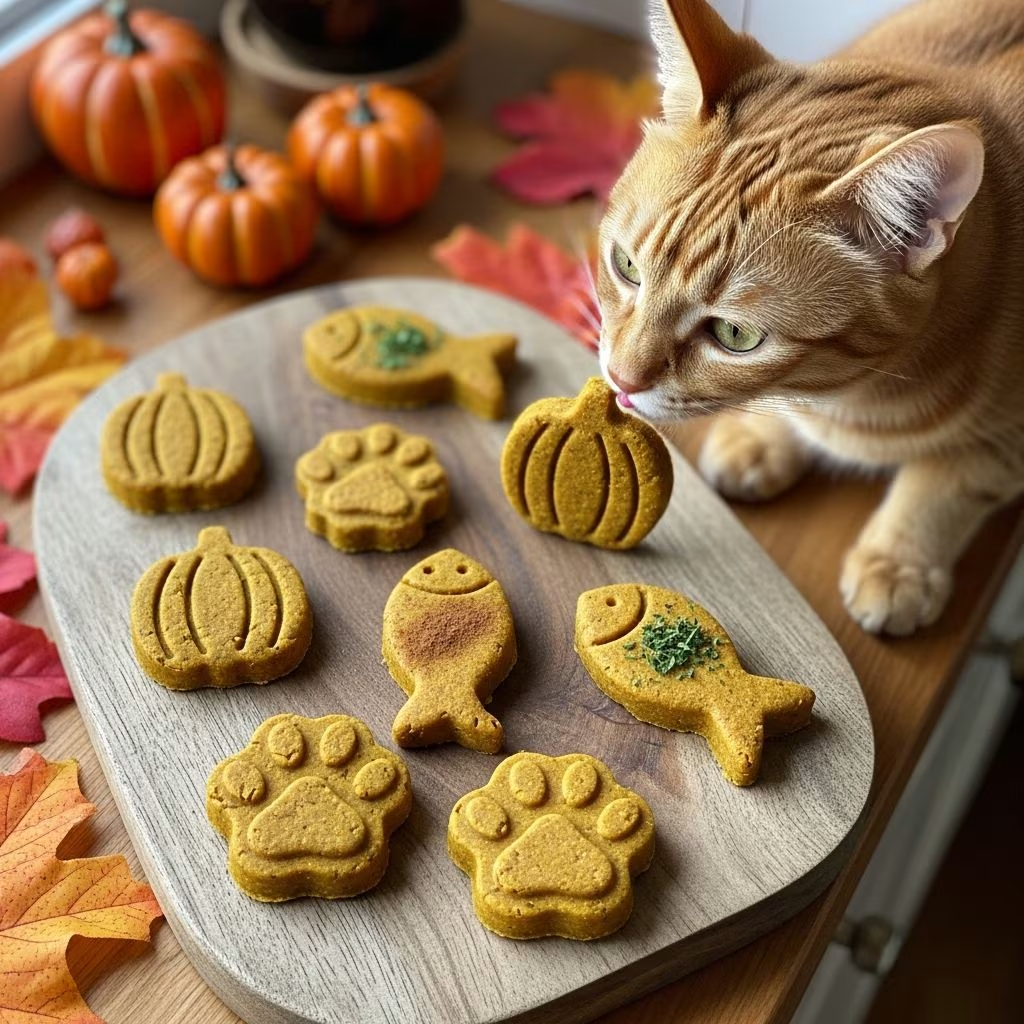
Pumpkin Cat Treat Recipes: Healthy Homemade Options
Pumpkin is a nutritional powerhouse for feline companions, offering far more than just seasonal appeal. This humble vegetable has become a favorite among cat owners and veterinarians alike, thanks to its impressive array of health benefits and versatility in homemade treat recipes. Whether you’re looking to support your cat’s digestive health, manage their weight, or simply provide a tasty snack, pumpkin-based treats offer a natural, wholesome solution that most cats genuinely enjoy.
Why Pumpkin Is Beneficial for Cats
Before diving into specific recipes, it’s important to understand why pumpkin has earned its reputation as a superfood for feline diets. Pumpkin is approximately 90% water, making it an excellent source of hydration for cats that don’t drink enough water throughout the day. This moisture content is particularly valuable for cats that primarily consume dry kibble, as it helps support healthy kidney and urinary function.
Digestive Health Support
One of the most well-documented benefits of pumpkin for cats is its remarkable ability to support digestive health. Pumpkin contains up to five grams of fiber per half-cup serving, and this fiber plays multiple roles in maintaining a healthy digestive system:
- Prevents and alleviates constipation: The soluble fiber in pumpkin acts as a natural laxative, stimulating bowel movements and providing relief for constipated cats.
- Helps with diarrhea: Conversely, the same soluble fiber can absorb excess water in the digestive tract, reducing or relieving diarrhea.
- Reduces hairballs: Fiber has laxative properties that move ingested fur through the intestinal tract rather than allowing it to accumulate as hairballs.
For cats struggling with mild digestive discomfort, adding just a small amount of plain pumpkin to their regular meals can make a significant difference in their digestive function and overall comfort.
Weight Management Benefits
Obesity is a growing concern among domestic cats, and pumpkin offers a helpful tool for weight management. The high fiber content of pumpkin contributes to feelings of fullness, helping cats feel satisfied without consuming excessive calories. Since pumpkin is low in fat and calories, it can be an excellent addition to your cat’s diet if you’re working with your veterinarian to help them lose weight. This allows your cat to feel fuller longer without the guilt of additional caloric intake.
Nutritional Powerhouse
Beyond fiber and water, pumpkin is packed with essential vitamins and minerals that support various aspects of feline health:
- Vitamin A: Supports vision, immune health, and nerve and muscle function
- Vitamin C: A valuable antioxidant that boosts immunity
- Vitamin E: Helps with inflammation and pain, particularly beneficial for senior cats
- Carotenoids and beta-carotene: Powerful antioxidants that protect cells from damage caused by oxidative stress
- Minerals: Iron, calcium, potassium, copper, and phosphorus support bone health, red blood cell production, and overall metabolic function
These nutrients work together to support your cat’s immune system, vision, cellular health, and coat quality.
Skin and Coat Health
Pumpkin’s abundance of vitamins and essential fatty acids nourishes your cat’s skin and promotes a shinier, healthier coat. The vitamin A and zinc content support skin repair, while the fatty acids keep the coat looking smooth and glossy. Regular inclusion of pumpkin in your cat’s diet can lead to noticeable improvements in coat quality and skin condition.
Choosing Safe Pumpkin Options
Not all pumpkin products are equally suitable for cats. When selecting pumpkin for homemade treats, it’s crucial to understand the differences between available options:
100% Pure Pumpkin Puree: This is the gold standard for cat treat recipes. Look for canned pumpkin that contains only pumpkin with no added sugars, spices, or other ingredients. Products like Nummy Tum-Tums 100% pure organic pumpkin are excellent choices.
Avoid Pumpkin Pie Filling: Pumpkin pie filling typically contains added sugars, spices (cinnamon, nutmeg, cloves), and other ingredients that can be harmful to cats. Always choose plain pumpkin puree instead.
Fresh Pumpkin: While fresh pumpkin can be used, canned pumpkin is more convenient and has a longer shelf life. If using fresh pumpkin, cook it thoroughly and puree it without any additives.
Easy Homemade Pumpkin Cat Treat Recipes
Recipe 1: Under the Sea Cat Treats
This simple recipe combines the digestive benefits of pumpkin with omega-3 rich sardines, creating an irresistible treat that most cats love.
Ingredients:
- 1 cup low-sodium skinless boneless canned sardines, drained
- 1/2 cup 100% canned pumpkin
- 1 tablespoon fish oil (such as American Journey Wild Alaskan salmon oil)
- 1 tablespoon kelp
Instructions:
- Mix all ingredients together in a bowl until well combined.
- Roll the mixture into small bite-sized balls appropriate for your cat’s size.
- Place treats on a parchment-lined tray.
- Store in an airtight container in the refrigerator, separating layers with waxed paper to prevent sticking.
- These treats keep fresh for 3-4 days in the refrigerator.
Why This Recipe Works: The combination of protein-rich sardines with hydrating pumpkin provides a balanced treat that supports multiple health goals. Fish oil adds omega-3 fatty acids for coat health, while kelp provides additional minerals and iodine.
Recipe 2: Simple Pumpkin and Chicken Bites
For cats with more sensitive palates or those who prefer poultry over fish, this gentle recipe provides pumpkin’s benefits with a familiar protein source.
Ingredients:
- 1 cup cooked, shredded chicken (no seasoning, skin, or bones)
- 1/2 cup 100% canned pumpkin
- 1/4 teaspoon cat-safe herb (optional: small amount of cooked pumpkin seeds)
Instructions:
- Combine shredded chicken and pumpkin in a bowl.
- Mix thoroughly until the texture is uniform.
- Spoon small portions onto a parchment-lined baking sheet.
- Refrigerate for 2-3 hours until slightly firmed, or freeze for longer storage.
- Store in an airtight container for up to 5 days in the refrigerator or 2 weeks in the freezer.
Why This Recipe Works: Chicken provides high-quality protein essential for cats’ carnivorous diet, while pumpkin adds fiber and hydration. This simpler recipe is ideal for kittens or senior cats who may struggle with more complex flavors.
Serving Guidelines and Safety Considerations
While pumpkin is generally safe for cats, proper serving portions are essential. Pumpkin should be offered in moderation to avoid overloading your cat’s system with too many vitamins and minerals. A general guideline is to add 1-4 teaspoons of pumpkin to your cat’s regular food per day, depending on their size and health needs. Always consult with your veterinarian before introducing significant dietary changes, especially if your cat has existing health conditions.
When introducing pumpkin treats for the first time, start with very small amounts to ensure your cat tolerates it well and doesn’t experience any digestive upset. Some cats may need a gradual introduction period.
Storage and Shelf Life
Proper storage ensures your homemade treats remain fresh and safe for your cat:
- Refrigerator Storage: Most pumpkin-based treats keep for 3-5 days when stored in an airtight container.
- Freezer Storage: For longer-term storage, freeze treats for up to 2 weeks. Thaw slightly before serving.
- Separation Method: Layer treats with waxed paper to prevent sticking and contamination between individual treats.
- Opened Canned Pumpkin: Once opened, canned pumpkin keeps for about 3-5 days in the refrigerator in a covered container.
Commercial Pumpkin-Based Cat Foods
If homemade recipes seem too time-consuming, several high-quality commercial cat foods include pumpkin as a key ingredient. Options like Earthborn Holistic Primitive Feline and Earthborn Holistic Wild Sea Catch are grain-free, protein-rich, and formulated with added pumpkin to support healthy digestion. Choosing a quality commercial food with pumpkin takes the guesswork out of measuring and monitoring portions while still providing the nutritional benefits your cat needs.
Frequently Asked Questions
Q: How much pumpkin can I safely give my cat?
A: Most veterinarians recommend 1-4 teaspoons of pumpkin per day depending on your cat’s size and health needs. Always start with smaller amounts and consult your vet for personalized guidance.
Q: Can I use pumpkin pie filling instead of pure pumpkin?
A: No, pumpkin pie filling contains added sugars and spices that can be harmful to cats. Always use 100% pure pumpkin puree without additives.
Q: Is pumpkin safe for kittens?
A: Yes, pumpkin is safe for kittens in very small amounts. However, kittens have specific nutritional needs, so consult your veterinarian before adding pumpkin to their diet.
Q: Can pumpkin treats help with my cat’s hairballs?
A: Yes, the fiber in pumpkin can help move ingested fur through the digestive tract, reducing hairball formation and regurgitation.
Q: How often should I give my cat pumpkin treats?
A: Pumpkin treats can be offered several times per week as part of a balanced diet, but shouldn’t replace regular meals. Treats should comprise no more than 10% of your cat’s daily caloric intake.
Q: Are there any cats that shouldn’t eat pumpkin?
A: Cats with certain health conditions, such as diabetes or specific digestive disorders, may need veterinary guidance before consuming pumpkin. Always consult your vet if your cat has preexisting health concerns.
Conclusion
Pumpkin cat treat recipes offer a natural, nutrient-dense way to support your feline companion’s health and well-being. From improving digestion and hydration to managing weight and promoting coat health, pumpkin provides multiple benefits in one simple ingredient. Whether you choose to make homemade treats or incorporate commercial pumpkin-based foods into your cat’s diet, this seasonal superfood deserves a permanent place in your cat care routine. By following proper serving guidelines and selecting appropriate pumpkin products, you can confidently offer your cat treats that taste delicious while supporting their long-term health and happiness.
References
- Pumpkin for Cats: A Nutrient-Packed Addition to Support Their Health — Nutri-Paw. https://nutri-paw.com/blogs/blog/pumpkin-for-cats-a-nutrient-packed-addition-to-support-their-health
- The Role of Pumpkin in Cat Food: A Guide for Healthier Cats — Love, Nala. https://www.lovenala.com/blogs/nutrition-for-cats/the-role-of-pumpkin-in-cat-food-a-guide-for-healthier-cats
- Pumpkin: A Superfood for Pets? Benefits and Recipes — Coal Creek Animal Hospital. https://www.coalcreekanimalhospital.com/blog/pumpkin-a-superfood-for-pets-benefits-and-recipes/
- Can Cats Eat Pumpkin? Yes – Try These Recipes — Whisker. https://www.whisker.com/blog/can-cats-eat-pumpkin-recipes
- Can Cats Eat Pumpkin? Benefits, Risks, and How to Serve It Safely — Earthborn Holistic Pet Food. https://www.earthbornholisticpetfood.com/blog/pet-nutrition/can-cats-eat-pumpkin-benefits-risks-and-how-to-serve-it-safely/
- Pumpkin for Cats: The Wholesome Wonder — Fruitables. https://fruitablespet.com/blogs/news/pumpkin-for-cats
- Pumpkin Treat Recipes For Your Cat — Chewy. https://www.chewy.com/education/cat/food-and-nutrition/pet-parenting-diy-recipes-pumpkin-treat-recipes-for-your-cat



