

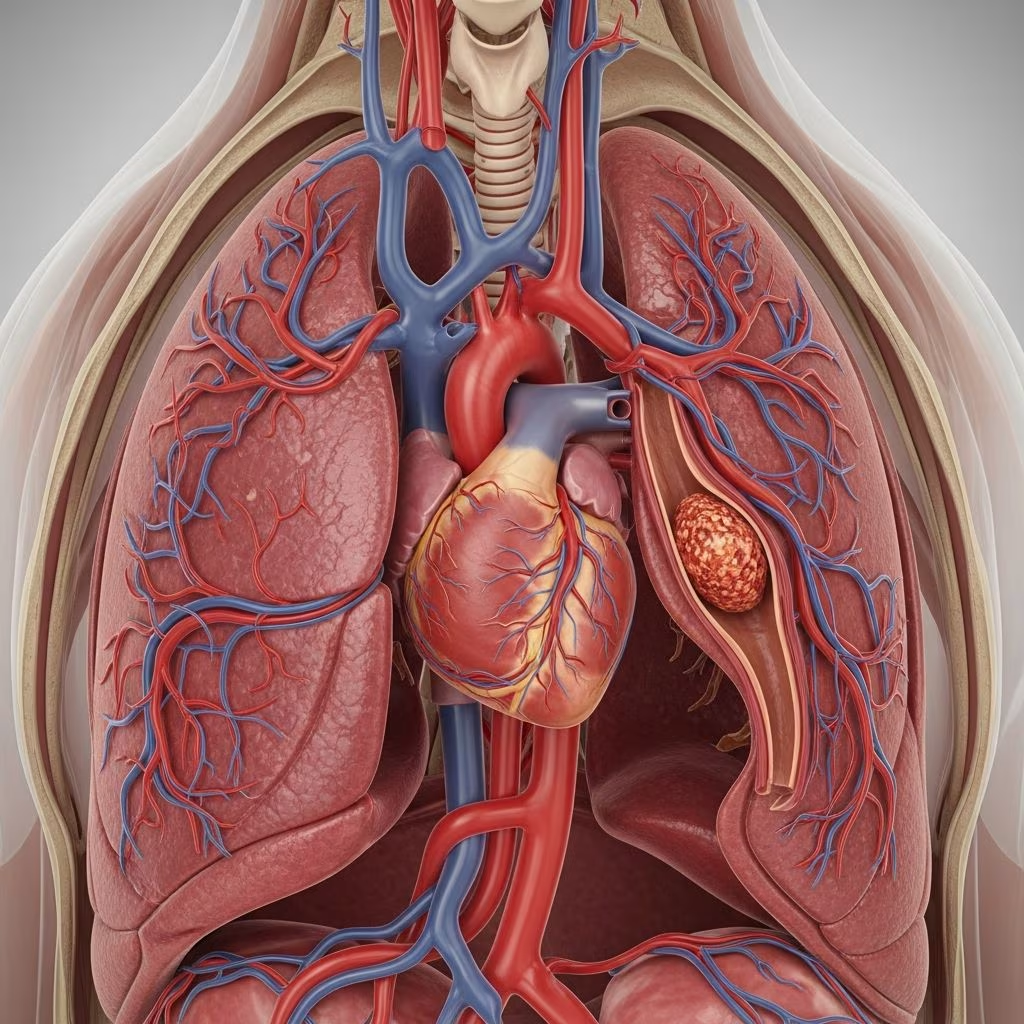
Pulmonary thromboembolism (PTE) occurs when a blood clot lodges in the arteries supplying the lungs, disrupting oxygen flow and potentially leading to life-threatening complications in dogs. This condition often arises secondary to other health issues, making early recognition vital for survival.
Understanding the Mechanics of PTE
In dogs, PTE develops when thrombi—clumps of blood cells and proteins—form in veins or the heart and travel to the pulmonary arteries. These blockages prevent proper oxygenation, causing ventilation-perfusion mismatches, hypoxemia, and increased pressure in the lung vessels known as pulmonary hypertension. Small clots may cause subtle issues, while larger ones can trigger acute collapse or sudden death.
The body’s clotting cascade activates inappropriately due to factors like vessel damage, sluggish blood flow, or hypercoagulability. Unlike in humans where deep vein thrombosis is common, canine PTE frequently stems from systemic diseases promoting clot formation throughout the vascular system.
Primary Risk Factors and Underlying Conditions
Dogs with certain disorders face heightened PTE risk due to induced hypercoagulable states. Key contributors include:
- Heart conditions: Cardiomyopathy, endocarditis, and heartworm disease alter blood flow and damage vessels.
- Protein-losing disorders: Nephropathy or enteropathy reduces antithrombotic proteins like albumin.
- Endocrine imbalances: Cushing’s disease and hypothyroidism promote clotting.
- Cancer (neoplasia): Tumors release pro-coagulant factors.
- Inflammatory conditions: Pancreatitis, sepsis, immune-mediated hemolytic anemia, and systemic inflammatory response syndrome (SIRS).
- Trauma and interventions: Surgery, major injuries, or corticosteroid use like prednisone.
Middle-aged to older dogs, particularly small breeds prone to heart issues, are most susceptible, though any dog can be affected.
Recognizing the Warning Signs
Symptoms of PTE mimic other respiratory or cardiac problems, complicating identification. Owners often notice acute onset signs indicating severe compromise:
- Rapid or labored breathing (tachypnea >40 breaths per minute)
- Persistent panting or open-mouth respiration
- Restlessness, anxiety, or pacing
- Coughing, sometimes with blood-tinged sputum
- Cyanosis (blue gums or tongue) signaling critical hypoxemia
- Extended neck posture or abdominal breathing efforts
- Lethargy, exercise intolerance, or collapse
- Sudden fainting (syncope) or death
These signs reflect reduced cardiac output, shock, and oxygen deprivation. Even mild cases may progress rapidly if untreated.
How Veterinarians Diagnose PTE
Diagnosing PTE challenges vets due to overlapping symptoms with primary diseases. No single test confirms it definitively, so a multi-modal approach is essential:
| Test | Key Findings | Utility |
|---|---|---|
| Arterial Blood Gas | Hypoxemia in 80% of cases; variable oxygen response | Detects low blood oxygen |
| Thoracic Radiographs | Normal in 9-27% of dogs; infiltrates or hypovascular areas | Rules out other lung issues |
| Echocardiography | Right heart strain, pulmonary hypertension clues | Assesses heart and vessel pressure |
| Coagulation Panels | DIC or hypercoagulability markers | Identifies clotting tendencies |
| CT Angiography (advanced) | Direct visualization of clots | Gold standard where available |
Normal chest X-rays despite respiratory distress heighten PTE suspicion. Vets also screen for underlying causes via bloodwork, urinalysis, and cardiac evaluations.
Emergency Treatment Protocols
PTE demands immediate stabilization. Initial steps focus on supporting respiration and circulation:
- Oxygen therapy: Via mask, flow-by, or chamber to combat hypoxemia.
- Fluids and pressors: Maintain blood pressure without overload.
- Pain management: Analgesics for distress.
- Anticoagulants: Heparin or low-molecular-weight options to prevent new clots; thrombolytics rarely for massive PTE.
Treatment targets the root cause—e.g., antibiotics for sepsis, chemotherapy for cancer. Hospitalization with monitoring is standard, with guarded prognosis based on clot burden and comorbidities.
Long-Term Management and Prevention
Survivors require ongoing care to avert recurrence:
- Chronic anticoagulants like clopidogrel or rivaroxaban.
- Treat underlying disease aggressively.
- Monitor with serial echoes and blood gases.
- Lifestyle adjustments: Controlled exercise, weight management.
Prognosis improves with early intervention; many dogs recover fully if the primary issue is managed. Regular vet check-ups for at-risk breeds or conditions are crucial.
FAQs on Pulmonary Thromboembolism in Dogs
What is the most common cause of PTE in dogs?
Heart diseases like cardiomyopathy and protein-losing conditions top the list, often combined with inflammation or cancer.
Can PTE happen suddenly without warning?
Yes, acute signs like collapse or cyanosis can appear abruptly, especially with large clots.
Is surgery ever needed for PTE?
Rarely; medical management suffices. Surgery treats underlying issues like heartworm extraction.
How can I prevent PTE in my dog?
Control predisposing diseases, avoid unnecessary steroids, and seek prompt care for illnesses. Heartworm preventives help.
What breeds are prone to PTE-related issues?
Small breeds with heart tendencies, but all are at risk with proper triggers.
Key Takeaways for Dog Owners
Monitor at-risk dogs closely for breathing changes. Sudden respiratory distress warrants emergency care—delays can be fatal. Partner with your vet for proactive screening in predisposed pets.
References
- Pulmonary Thromboembolism (PTE) in Dogs and Cats — Pet Health Network. 2023. https://www.pethealthnetwork.com/dog-health/dog-diseases-conditions-a-z/pulmonary-thromboembolism-pte-dogs-and-cats
- Pulmonary Thromboembolism in Dogs and Cats – Respiratory System — MSD Veterinary Manual. 2024-10-01. https://www.msdvetmanual.com/respiratory-system/respiratory-diseases-of-small-animals/pulmonary-thromboembolism-in-dogs-and-cats
- Blood Clot in the Lungs in Dogs – PetMD — PetMD. 2024. https://www.petmd.com/dog/conditions/respiratory/c_multi_pulmonary_thromboembolism
- Pulmonary Hypertension – MU Veterinary Health Center — University of Missouri Veterinary Health Center. 2025. https://vhc.missouri.edu/small-animal-hospital/small-animal-internal-medicine/diseases-and-treatments/pulmonary-hypertension/
- Pulmonary Thromboembolism in Dogs – Merck Veterinary Manual — Merck Veterinary Manual. 2025-01-15. https://www.merckvetmanual.com/dog-owners/lung-and-airway-disorders-of-dogs/pulmonary-thromboembolism-in-dogs



