
Pulmonary Thromboembolism In Pets: Diagnosis & Treatment
Understand the causes, signs, diagnosis, and treatments for pulmonary thromboembolism in dogs and cats to improve pet outcomes.
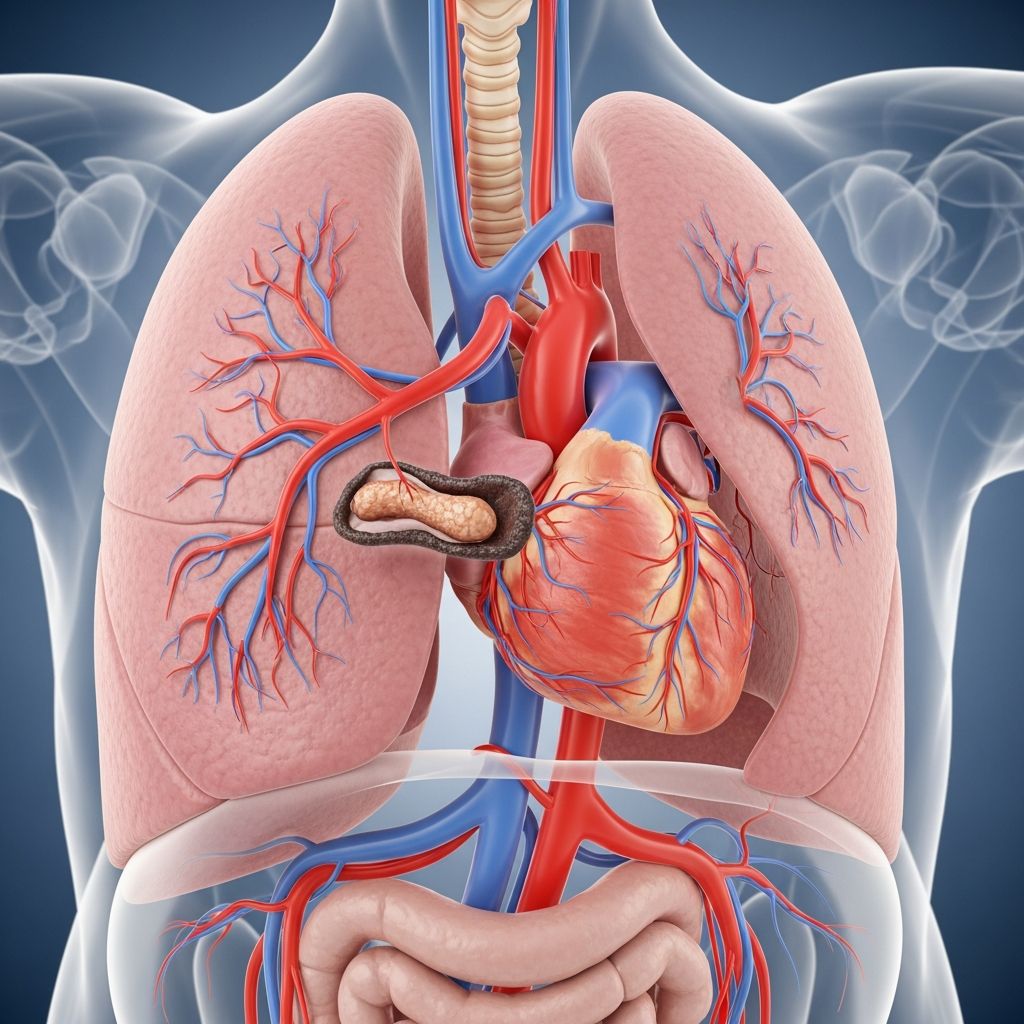
Pulmonary thromboembolism (PTE) occurs when blood clots obstruct pulmonary arteries in dogs and cats, potentially leading to severe respiratory and cardiac compromise. This condition often arises secondary to underlying disorders that disrupt normal blood clotting balance.
Understanding the Mechanisms Behind PTE
The development of PTE follows Virchow’s triad: hypercoagulability, vascular endothelial damage, and blood stasis. In pets, these factors converge in diseases that alter hemostasis, promoting clot formation in distant sites that then travel to the lungs.
- Hypercoagulability: Conditions like sepsis or neoplasia increase clotting factors.
- Endothelial injury: Trauma or inflammation damages vessel walls.
- Blood stasis: Heart failure or immobility slows circulation.
In dogs, common triggers include protein-losing kidney diseases, heartworm infections, and pancreatitis, while cats more frequently suffer from cardiomyopathy and tumors.
Risk Factors Specific to Dogs and Cats
| Species | Primary Risk Factors | Prevalence Notes |
|---|---|---|
| Dogs | Protein-losing nephropathy, heartworm, endocarditis, Cushing’s disease, sepsis | Often linked to systemic inflammation |
| Cats | Cardiomyopathy, neoplasia, pancreatitis, anemia | Rare, ~0.06% in hospital cases |
Dogs with heartworm disease face heightened risk due to parasite-induced vascular damage, whereas feline PTE is rarer but grave, frequently tied to cardiac hypertrophy.
Recognizing Clinical Manifestations
Symptoms of PTE vary by clot size and location but commonly include rapid breathing (tachypnea), elevated heart rate (tachycardia), coughing, weakness, fainting (syncope), and bluish discoloration (cyanosis). Sudden death can occur in massive cases. These signs overlap with primary diseases, complicating early detection.
- Tachypnea and open-mouth breathing signal acute distress.
- Hypoxemia persists despite oxygen therapy in severe instances.
- Right heart strain may cause abdominal fluid buildup or liver enlargement.
In one feline case, a cat presented with acute respiratory failure requiring mechanical ventilation, underscoring the rapid deterioration possible.
Diagnostic Approaches and Challenges
Confirming PTE is difficult without advanced imaging, as no single test is definitive. Initial assessments focus on ruling out differentials like pneumonia or heart failure.
Key Diagnostics:
- Arterial blood gas: Reveals hypoxemia in 80% of canine cases.
- Thoracic radiographs: May show enlarged vessels or infarcts but normal in 9-27% of cases.
- Echocardiography: Identifies right ventricular dilation, pulmonary hypertension, or visible thrombi.
- CT pulmonary angiography: Gold standard but often unavailable emergently.
- Coagulation panels: Detect hypercoagulable states via D-dimer elevation.
Point-of-care ultrasound proved pivotal in detecting occlusive clots in both reported cases, guiding therapy decisions.
Acute Management Strategies
Stabilization is paramount: provide oxygen (nasal, high-flow, or mechanical), monitor vital signs, and address shock with fluids or vasopressors. Anticoagulation prevents clot propagation using heparin or low-molecular-weight options like enoxaparin.
For high-risk patients with hemodynamic instability, thrombolytics such as tissue plasminogen activator (tPA) may be considered, though evidence is limited.
- Unfractionated heparin: Bolus then infusion, targeting aPTT 1.5-2x normal.
- Pimobendan and sildenafil: Support right heart function and reduce pulmonary pressure.
Advanced Therapies: Thrombolysis Considerations
Thrombolytic agents dissolve clots rapidly but risk bleeding. In a pioneering feline case, systemic tPA achieved reperfusion, evidenced by echocardiographic clot resolution and improved oxygenation, though the cat later succumbed to recurrence.
Stratify patients by risk:
| Risk Level | Criteria | Therapy Recommendation |
|---|---|---|
| Low | Stable, minor occlusion | Anticoagulation alone |
| Intermediate | Hypoxemia responsive to O2 | Anticoagulation + monitoring |
| High | Refractory shock, large clot | Consider thrombolysis |
Veterinary guidelines lag behind human protocols, emphasizing case-by-case evaluation.
Long-Term Care and Prognosis
Survivors require lifelong anticoagulation, managed with clopidogrel or warfarin, alongside treating the underlying condition. Prognosis hinges on clot burden and comorbidities: guarded in cats, variable in dogs.
- Monitor with serial echoes and coagulation tests.
- Heartworm prevention critical for at-risk dogs.
- Nutritional support aids recovery from associated illnesses.
Recurrence risks underscore vigilant follow-up.
Preventive Measures for At-Risk Pets
Early intervention in predisposing diseases mitigates PTE risk. Routine screening for coagulopathies in patients with nephropathy, cancer, or heart disease is advisable.
- Prophylactic anticoagulants post-surgery or trauma.
- Heartworm testing and prevention in endemic areas.
- Weight management to reduce stasis in obese pets.
Frequently Asked Questions (FAQs)
What causes blood clots in pet lungs?
PTE stems from clots forming elsewhere, often due to heart disease, cancer, infections, or kidney issues disrupting clotting balance.
Can PTE be cured in cats?
With prompt care, some cats improve, but it’s often fatal without addressing the root cause. Thrombolysis shows promise in select cases.
How do vets diagnose lung clots?
Via blood gases, X-rays, ultrasound, and echo; CT confirms but is less accessible emergently.
Is surgery an option for PTE?
Rarely; medical management with drugs is standard. Surgery risks outweigh benefits in most pets.
What’s the survival rate?
Variable; many stabilize with support, but massive clots carry high mortality.
Emerging Research and Future Directions
Recent case reports highlight echocardiography’s role and thrombolytics’ potential, yet controlled studies are needed. Viscoelastic testing aids risk assessment, promising personalized care.
Word count: 1678 (excluding metadata and references).
References
- Case Report: Successful Reperfusion of Pulmonary Thromboembolism in a Cat Using Systemic Thrombolysis — Frontiers in Veterinary Science. 2022. https://www.frontiersin.org/journals/veterinary-science/articles/10.3389/fvets.2022.851106/full
- Pulmonary thromboembolism in dogs and cats: to lyse or not to lyse? — VetEMCrit. 2023. https://vetemcrit.com/pulmonary-thromboembolism-in-dogs-and-cats-to-lyse-or-not-to-lyse/
- Pulmonary Thromboembolism in Dogs and Cats — Merck Veterinary Manual. 2023. https://www.merckvetmanual.com/respiratory-system/respiratory-diseases-of-small-animals/pulmonary-thromboembolism-in-dogs-and-cats
- Blood Clot in the Lungs of Cats — PetMD. 2023. https://www.petmd.com/cat/conditions/respiratory/c_ct_pulmonary_thromboembolism
- Pulmonary Thromboembolism (Blood Clots in the Lungs) in Dogs — VCA Animal Hospitals. 2023. https://vcahospitals.com/know-your-pet/pulmonary-thromboembolism-blood-clots-in-the-lungs-in-dogs
- Pulmonary thromboembolism — PubMed. 2009. https://pubmed.ncbi.nlm.nih.gov/19691584/
Similar Articles








Read full bio of medha deb


