

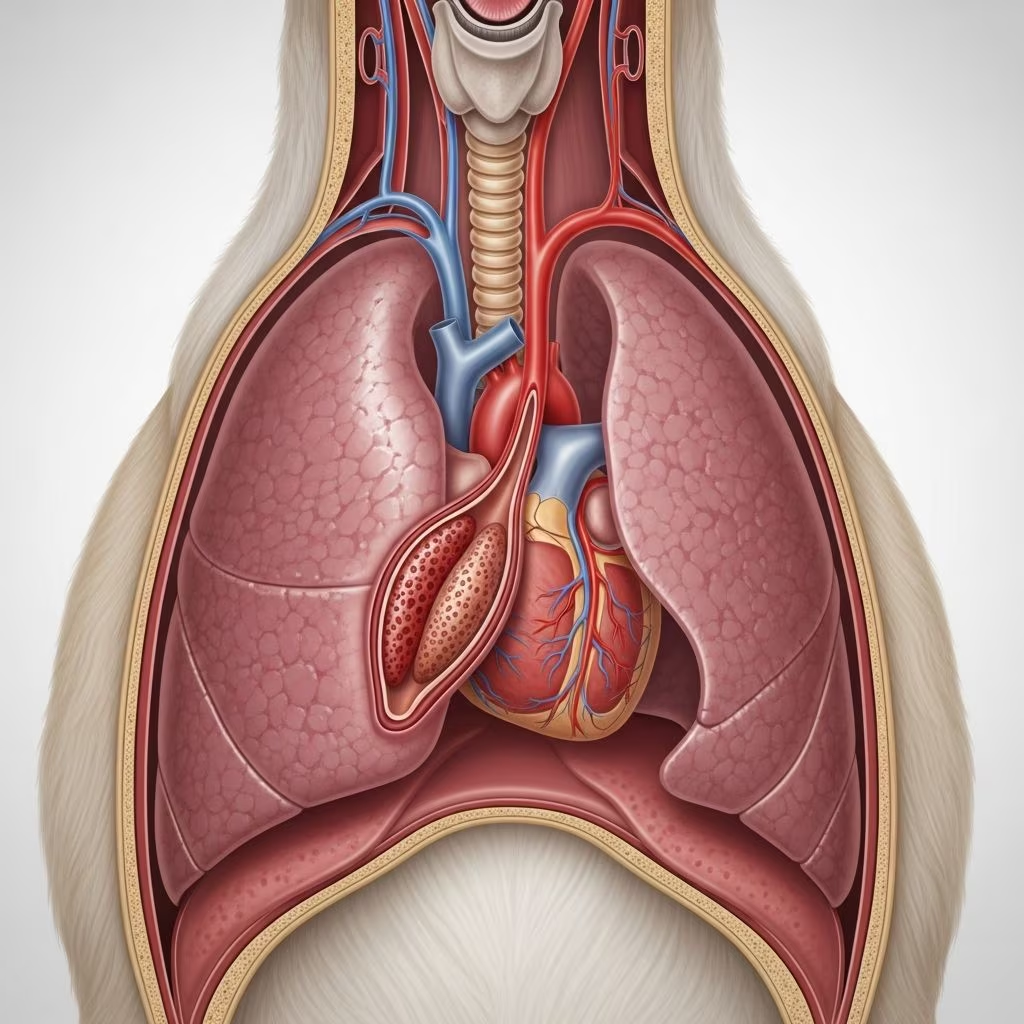
Understanding Pulmonary Thromboembolism in Dogs
Pulmonary thromboembolism (PTE) is a serious and potentially life-threatening condition that occurs when blood clots travel through the bloodstream and lodge in the lungs, obstructing blood flow and oxygen exchange. This condition represents a medical emergency that demands immediate veterinary attention. While PTE can develop in various animal species, it is particularly concerning in dogs due to its rapid onset and high mortality rate. Understanding the nature of this condition, its causes, clinical presentation, and available treatment options is essential for dog owners and veterinarians alike.
Blood clots that form in the body can dislodge and travel through the venous system, eventually reaching the pulmonary arteries in the lungs. Once a clot becomes lodged in these vessels, it prevents normal blood circulation and oxygen delivery to vital tissues. The severity of PTE depends on several factors, including the size and location of the clot, the extent of pulmonary vascular obstruction, and the overall health status of the affected dog.
Clinical Signs and Symptoms of PTE in Dogs
The clinical presentation of pulmonary thromboembolism in dogs varies depending on the extent of lung involvement and the severity of vascular obstruction. Pet owners should be aware of the following warning signs that may indicate their dog is experiencing PTE:
- Acute, sudden difficulty breathing or respiratory distress
- Constant panting, even at rest
- Anxiety, restlessness, and pacing behavior
- Increased respiratory rate exceeding 40 breaths per minute
- Open-mouth breathing patterns
- Blue-tinged or pale gums indicating severe oxygen deprivation
- Coughing, sometimes accompanied by blood (hemoptysis)
- Fatigue and general lethargy
- Lack of appetite or anorexia
- Inability to sleep or find a comfortable resting position
- Exercise intolerance and weakness
- Syncope (fainting episodes) or collapse
- Stretching the neck out to facilitate breathing
- Abdominal breathing, with visible heaving of the belly sides
- Sudden death without warning
The severity of symptoms can range from subtle signs like mild coughing and reduced activity tolerance to acute respiratory crisis with imminent risk of death. Some dogs may present with sudden death as the first and only clinical sign. Any dog exhibiting these symptoms requires immediate emergency veterinary evaluation, as delays in treatment can be fatal.
Diagnostic Approach for Pulmonary Thromboembolism
Diagnosing pulmonary thromboembolism in dogs can be challenging because the clinical signs and diagnostic findings often resemble those associated with other respiratory and cardiac conditions. When a dog presents with acute breathing difficulties and no obvious underlying cause, veterinarians should maintain a high index of suspicion for PTE, especially if the dog has known risk factors or predisposing conditions.
Upon arrival at the veterinary clinic, stabilization with oxygen therapy is typically the first priority. Once the dog is stabilized, various diagnostic tests can be performed to confirm the diagnosis:
- Thoracic radiographs (chest X-rays) may reveal alveolar or interstitial infiltrates, regional hypovascular lung areas, or other pulmonary changes. However, normal or near-normal radiographic findings in a dog with severe respiratory distress should raise suspicion for PTE.
- Blood gas analysis evaluates oxygen and carbon dioxide levels in the blood. PTE typically causes hypoxemia (low blood oxygen) and hypocapnia (low carbon dioxide), but normal blood gas values do not exclude the diagnosis.
- Echocardiography (cardiac ultrasound) helps rule out congestive heart failure and evaluates for elevated blood pressure within the lungs and right-sided heart strain.
- CT angiography is a specialized imaging technique using dye contrast to directly visualize blood clots within the pulmonary arteries. However, this procedure requires general anesthesia, which poses additional risk in severely compromised dogs.
- Pulse oximetry non-invasively measures blood oxygen saturation and helps assess respiratory function.
Additional blood work, including coagulation profiles and complete blood counts, may be recommended to identify underlying causes and assess the dog’s overall health status.
Treatment Options for Dogs with PTE
Treatment of pulmonary thromboembolism in dogs focuses on stabilizing the patient, improving oxygen delivery, addressing the underlying cause, and preventing further clot formation or propagation. Most dogs with PTE require hospitalization during the acute phase of treatment.
Immediate Supportive Care
The cornerstone of PTE treatment is supportive care directed at addressing hypoxemia, shock, and anxiety:
- Oxygen therapy forms the primary treatment approach. Dogs with oxygen saturation below acceptable levels should receive supplemental oxygen via an oxygen cage or nasal cannula.
- Rest and restricted activity minimize the oxygen demands of the body and prevent fainting episodes or further deterioration of blood oxygen levels.
- Caged environment may be necessary to enforce strict rest and prevent exertion.
- Sedation and anxiolytics such as butorphanol may be administered to reduce anxiety and stress, which can worsen respiratory distress.
- Fluid therapy with crystalloid solutions helps maintain cardiovascular stability. In cases of shock, bolus replacement therapy may be necessary.
- Vasopressor support may be considered if intravenous fluids fail to stabilize cardiovascular parameters.
- Positive-pressure ventilation may be required in cases of severe hypoxemia when other measures prove insufficient.
Anticoagulant and Antiplatelet Medications
Medications to prevent blood clotting and promote clot resolution are important components of PTE management. Response to these medications, however, can be variable:
- Unfractionated heparin is commonly used as an anticoagulant, given at dosages of 250 U/kg subcutaneously every 6 hours in dogs, with dosing adjustments for cats as needed.
- Warfarin and coumadin are oral anticoagulants that may be used for chronic management, though their effectiveness in veterinary medicine is limited compared to human medicine.
- Antiplatelet medications such as clopidogrel (Plavix) and aspirin are commonly used for both prevention and treatment in dogs with risk factors for PTE.
- Low-dose aspirin therapy is frequently employed as a preventive measure in dogs with predisposing conditions.
Treatment of Underlying Disease
Identifying and treating the primary condition that led to blood clot formation is crucial for preventing recurrence. Once the dog is stabilized, diagnostic efforts should focus on determining the underlying cause of PTE, whether it involves trauma, infection, immune-mediated disease, or other contributing factors.
Thrombolytic Therapy Considerations
Medications designed to dissolve existing clots, such as streptokinase and tissue plasminogen activator (tPA), have been investigated for PTE treatment but are not commonly used in veterinary medicine. These drugs carry risks of serious complications, including severe electrolyte imbalances and uncontrolled bleeding, which limit their practical application in veterinary patients.
Monitoring and Follow-Up Care
Appropriate monitoring and follow-up care are essential for dogs recovering from pulmonary thromboembolism. Several assessment methods help track progress and guide treatment adjustments:
- Pulse oximetry allows non-invasive monitoring of blood oxygen saturation and helps document improvement in respiratory function over time.
- Periodic blood tests are necessary to check clotting times and adjust anticoagulant medication doses, particularly for dogs receiving warfarin therapy.
- Regular veterinary evaluations help detect bleeding complications that may arise from anticoagulant therapy.
- Controlled physical activity and rehabilitation under veterinary guidance may improve general blood circulation and help prevent development of future clots. The veterinarian should provide specific recommendations tailored to the individual dog’s condition and recovery stage.
- Activity restriction continues to be important during the recovery phase to prevent fainting episodes and maintain stable blood oxygen levels.
- Long-term anticoagulant therapy may be required for extended periods, necessitating frequent monitoring and dose adjustments.
Prognosis and Long-Term Outlook
The prognosis for dogs with pulmonary thromboembolism is generally guarded to poor, with the outcome heavily dependent on several critical factors. Dogs that experience PTE face a challenging recovery course, and even with comprehensive 24/7 care, some animals may not survive. Several prognostic indicators influence a dog’s likelihood of recovery:
- Underlying cause: Dogs with PTE secondary to trauma or generalized bacterial infection tend to have a better prognosis than those with other underlying conditions.
- Resolution of primary disease: The ability to identify and successfully treat the underlying cause is crucial for improving outcomes.
- Size and location of clots: Larger clots or those in critical vascular locations carry a poorer prognosis.
- Overall health status: Dogs in better general health at presentation tend to fare better than those with concurrent serious diseases.
- Response to initial treatment: Dogs that respond well to oxygen therapy and stabilization measures have better chances for survival.
Unfortunately, recurrent episodes of pulmonary thromboembolism are likely unless the underlying cause is identified and corrected. Sudden death remains a common outcome, even in dogs receiving appropriate treatment. Long-term anticoagulant therapy often becomes necessary, requiring continuous monitoring for bleeding complications and frequent reassessment of clotting times. These medications can cause serious bleeding problems that necessitate careful management and regular follow-up evaluations.
Prevention and Risk Management
While not all cases of PTE can be prevented, awareness of risk factors and conditions that predispose dogs to blood clot formation can help owners and veterinarians implement preventive strategies. Dogs with identified risk factors should be monitored closely for any signs of respiratory distress. Antiplatelet medications may be considered for prevention in dogs with disorders known to increase PTE risk.
Frequently Asked Questions About Pulmonary Thromboembolism in Dogs
Q: How quickly can pulmonary thromboembolism develop in dogs?
A: PTE can develop suddenly, sometimes with little warning. Clinical signs may appear acutely, and in some cases, sudden death is the first indication of the condition. This is why immediate veterinary attention is critical when respiratory distress is observed.
Q: Can a dog survive pulmonary thromboembolism?
A: While some dogs do survive PTE with appropriate treatment, the condition carries a high mortality rate. Survival depends on factors including the size and location of clots, the underlying cause, how quickly treatment is initiated, and the dog’s overall health status.
Q: How long does recovery take after PTE diagnosis?
A: Recovery timelines vary considerably. Many dogs require hospitalization until blood oxygen levels stabilize, which may take days to weeks. Long-term anticoagulant therapy may be needed for months or longer, with ongoing monitoring and follow-up care.
Q: Will my dog need to take medications long-term after PTE?
A: Yes, most dogs recovering from PTE require extended anticoagulant therapy to prevent recurrence. Close supervision and regular blood tests to monitor clotting status are necessary components of long-term management.
Q: What activity level is appropriate for a dog recovering from PTE?
A: During acute recovery, strict activity restriction is essential. As the dog improves, controlled physical activity and veterinarian-approved physical therapy may help improve blood flow. The veterinarian should provide specific activity guidelines based on the individual dog’s condition.
Q: Can PTE happen again after the first episode?
A: Yes, recurrent episodes are likely unless the underlying cause of blood clot formation is identified and treated. This emphasizes the importance of thorough diagnostic investigation and ongoing preventive measures.
References
- Pulmonary Thromboembolism (Blood Clots in the Lungs) in Dogs — VCA Hospitals. Accessed 2025. https://vcahospitals.com/know-your-pet/pulmonary-thromboembolism-blood-clots-in-the-lungs-in-dogs
- Pulmonary Thromboembolism in Dogs and Cats — MSD Veterinary Manual. 2024. https://www.msdvetmanual.com/respiratory-system/respiratory-diseases-of-small-animals/pulmonary-thromboembolism-in-dogs-and-cats
- Pulmonary Thromboembolism in Dogs and Cats – Respiratory System — Merck Veterinary Manual. 2024. https://www.merckvetmanual.com/dog-owners/lung-and-airway-disorders-of-dogs/pulmonary-thromboembolism-in-dogs
- Blood Clot in the Lungs in Dogs – PetMD — PetMD. 2024. https://www.petmd.com/dog/conditions/respiratory/c_multi_pulmonary_thromboembolism
- Pulmonary Thromboembolism (PTE) in Dogs and Cats — Pet Health Network. 2024. https://www.pethealthnetwork.com/dog-health/dog-diseases-conditions-a-z/pulmonary-thromboembolism-pte-dogs-and-cats
- Pulmonary thromboembolism — PubMed/National Center for Biotechnology Information (NCBI). 2009. https://pubmed.ncbi.nlm.nih.gov/19691584/
- Pulmonary Thromboembolism — Clinician’s Brief. 2024. https://www.cliniciansbrief.com/article/pulmonary-thromboembolism



