

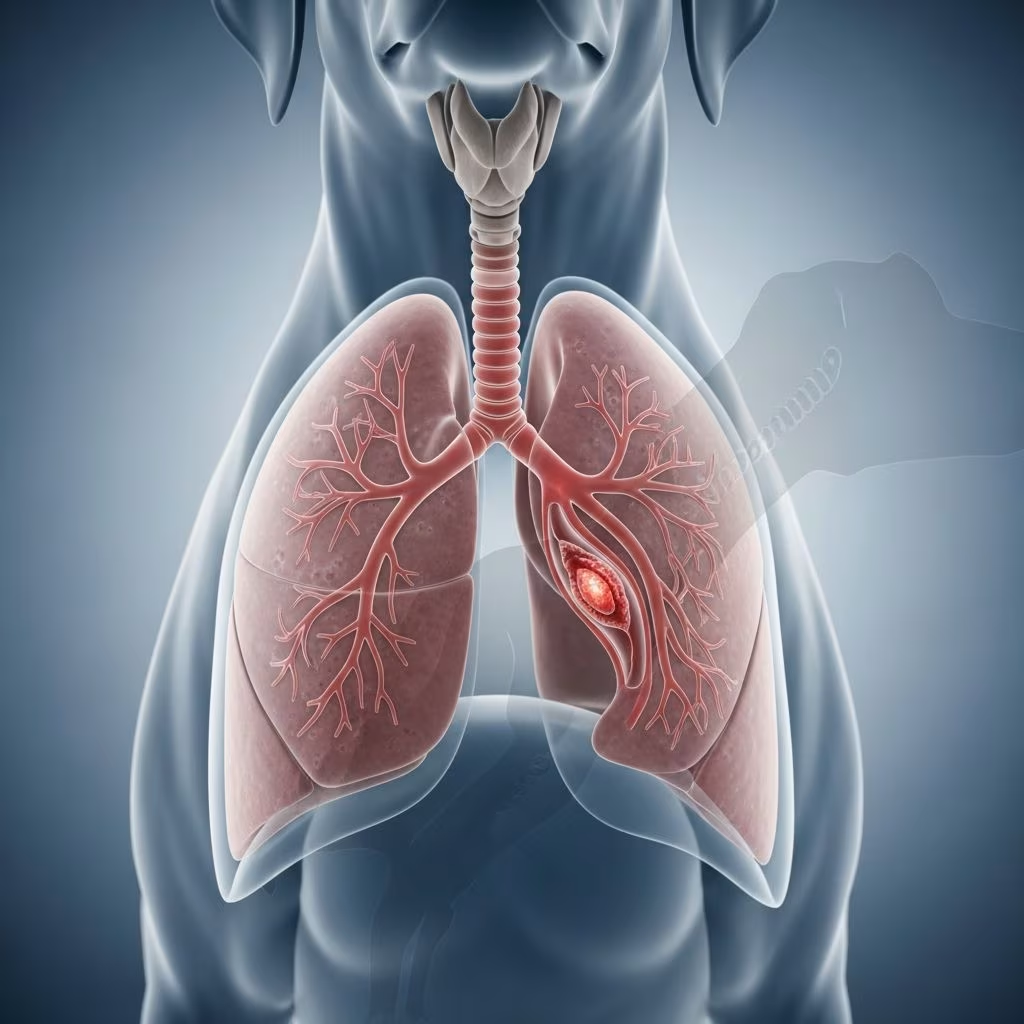
Pulmonary Thromboembolism (Blood Clots in the Lungs) in Dogs
Pulmonary thromboembolism (PTE) is a serious and potentially life-threatening condition in dogs characterized by the formation of blood clots within the pulmonary blood vessels of the lungs. This condition develops when a thrombus (blood clot) travels through the bloodstream and lodges in the pulmonary arteries, obstructing blood flow to lung tissue. PTE is frequently a secondary complication resulting from an underlying primary disease or condition that promotes thrombus formation. Understanding this condition is critical for dog owners, as early recognition of symptoms and immediate veterinary intervention can be lifesaving.
What Causes Pulmonary Thromboembolism in Dogs?
Pulmonary thromboembolism develops as a consequence of various underlying medical conditions. Dogs with certain diseases are at significantly higher risk of developing PTE, and identifying these risk factors is essential for prevention. The development of blood clots in dogs typically involves a combination of factors that disrupt normal blood flow and clotting mechanisms.
Common predisposing conditions include immune-mediated hemolytic anemia, hyperadrenocorticism (Cushing’s disease), protein-losing nephropathy, nephrotic syndrome, and severe infections or sepsis. Additionally, dogs with heart disease, trauma, immobility, or cancer are at increased risk. Certain medications and conditions affecting blood coagulation can also contribute to PTE development. Understanding your dog’s specific risk factors allows for proactive monitoring and preventive measures.
What Are the Typical Signs of Pulmonary Thromboembolism?
The clinical presentation of pulmonary thromboembolism varies depending on the severity of the condition and the extent of lung involvement. Recognizing these signs promptly is crucial, as PTE requires emergency veterinary attention. Owners should be vigilant for the following symptoms:
- Sudden difficulty breathing
- Rapid breathing (tachypnea)
- Decreased appetite (anorexia)
- Fainting or collapse
- Coughing, sometimes productive with blood
- Blue-tinged gums or mucous membranes (cyanosis)
- Depression or letharness
- Exercise intolerance
- Restlessness or anxiety
- Open-mouth breathing
- Stretching the neck to breathe
- Sudden death without warning signs
In acute cases, dogs may present with severe respiratory distress, pale or bluish gums indicating inadequate oxygen levels, and signs of shock. Some dogs may exhibit postural changes such as sitting upright with legs spread apart to facilitate breathing. The severity of symptoms often correlates with the size and location of the blood clot within the pulmonary circulation.
How Is Pulmonary Thromboembolism Diagnosed in Dogs?
Diagnosing pulmonary thromboembolism presents a significant challenge for veterinarians because the clinical signs and diagnostic findings can closely resemble those of other respiratory and cardiac diseases. A thorough diagnostic approach is necessary to confirm PTE and identify any underlying conditions contributing to clot formation.
The diagnostic process typically begins with a comprehensive physical examination and history, followed by various imaging and laboratory tests. Chest radiographs (X-rays) may reveal abnormal lung patterns, though normal radiographs do not exclude PTE. Arterial blood gas analysis can detect hypoxemia (low blood oxygen levels) and hypocapnia (low carbon dioxide levels), which are consistent with PTE. However, normal blood gas values do not definitively rule out the condition.
Echocardiography (ultrasound of the heart) helps evaluate cardiac function and detect elevated blood pressure within the lungs. Computed tomography (CT) angiography is considered the gold standard diagnostic test, as it can directly visualize blood clots within the pulmonary vessels. However, CT angiography requires general anesthesia, which carries risks in severely compromised patients. Additional tests may include electrocardiography, blood clotting profiles, and specific testing for underlying conditions such as heartworm disease or thrombophilia.
How Is Pulmonary Thromboembolism in Dogs Treated?
Immediate and Supportive Care
Many dogs with pulmonary thromboembolism require hospitalization initially to stabilize their condition and restore adequate blood oxygen levels. Immediate treatment focuses on supportive care and managing respiratory distress. Oxygen therapy is a cornerstone of treatment, typically administered through oxygen cages or nasal cannulas. Response to oxygen therapy varies among individual dogs, depending on the extent of pulmonary involvement and overall health status.
Supportive care addresses hypoxemia (low blood oxygen), shock, and anxiety associated with PTE. Dogs with severe hypoxemia may require positive-pressure ventilation. Intravenous fluid therapy may be administered to stabilize cardiovascular parameters, and vasopressor medications may be considered if shock develops. Sedation with medications such as butorphanol can reduce anxiety and improve tolerance of treatment.
Anticoagulant and Antiplatelet Therapy
Once the dog’s condition has stabilized, anticoagulant and antiplatelet medications may be initiated to prevent additional clot formation and reduce the risk of recurrence. These medications do not dissolve existing clots but rather prevent their expansion and formation of new clots. Commonly used medications include:
- Warfarin (Coumadin): An oral anticoagulant requiring regular blood test monitoring to adjust dosage appropriately
- Heparin: An injectable anticoagulant administered subcutaneously, with dosing of 250 U/kg every 6 hours in dogs
- Clopidogrel (Plavix): An antiplatelet medication that may be used for prevention or treatment
- Aspirin: A low-dose antiplatelet medication commonly used for prevention in at-risk dogs
The choice of medication depends on the individual case, underlying conditions, and risk factors. These medications require careful monitoring, as they can increase bleeding risk. Blood tests to assess clotting times are essential, particularly when using warfarin, which necessitates regular dosage adjustments.
Treatment of Underlying Conditions
Identifying and treating the underlying cause of PTE is critical for long-term management and prevention of recurrence. If the clots resulted from trauma, appropriate wound care and rest may suffice. For dogs with bacterial infections or sepsis, aggressive antibiotic therapy and supportive care are essential. Dogs with immune-mediated disease may require immunosuppressive medications, while those with Cushing’s disease need specific endocrine treatment. Addressing the primary condition significantly improves the prognosis for affected dogs.
Activity Restriction and Physical Therapy
Upon discharge from the hospital, strict activity restriction is crucial to prevent fainting episodes and further decline in blood oxygen levels. Dogs should be confined to small areas and provided with minimal exertion during the recovery period. Controlled activity or physical therapy, as approved by the veterinarian, may eventually improve general blood circulation and help prevent future blood clots in immobile dogs. The goal is to gradually reintroduce activity as the dog’s condition improves and oxygen levels stabilize.
What Kinds of Monitoring and Follow-Up Will My Dog Need?
Dogs recovering from pulmonary thromboembolism require ongoing monitoring and follow-up care to track improvement and prevent complications. Pulse oximetry, a non-invasive sensor placed on the dog’s skin, allows continuous monitoring of blood oxygen levels. This provides objective data on whether the dog’s respiratory function is improving with treatment.
Regular blood tests are essential, especially for dogs on anticoagulant medications like warfarin. These tests assess blood clotting status and allow the veterinarian to adjust medication dosages appropriately. Bleeding complications may develop in dogs receiving anticoagulants, requiring careful monitoring for signs of excessive bleeding or bruising.
Follow-up veterinary visits should be scheduled at intervals recommended by your veterinarian to evaluate the dog’s progress, assess for recurrent symptoms, and make any necessary adjustments to medications. Close communication with your veterinary team is essential for optimal outcomes.
What Is the Outlook for My Dog?
The prognosis for dogs with pulmonary thromboembolism is generally guarded to poor, varying significantly depending on several factors. The most important prognostic factor is whether the underlying cause of PTE can be identified and effectively treated. Dogs that develop PTE secondary to trauma or generalized bacterial infection tend to have better outcomes than those with chronic underlying conditions.
Unfortunately, pulmonary thromboembolism is often fatal, and sudden death without warning is not uncommon, even with appropriate treatment. Future episodes are likely unless the underlying cause is identified and corrected. Some dogs may require long-term anticoagulant therapy to prevent recurrence, necessitating ongoing veterinary monitoring and potential complications from prolonged medication use.
The size and location of the blood clot, the overall health status of the dog, and how quickly treatment is initiated all influence the likelihood of survival and recovery. Dogs that survive the acute phase may have residual respiratory compromise, requiring ongoing management and activity limitations.
Frequently Asked Questions (FAQs)
Q: Can pulmonary thromboembolism be prevented in dogs?
A: While PTE cannot always be prevented, managing underlying conditions that increase clot risk, maintaining appropriate activity levels, and ensuring prompt treatment of infections can reduce the likelihood of clot formation. Dogs with known risk factors may benefit from preventive antiplatelet therapy with aspirin or other medications as recommended by your veterinarian.
Q: How quickly does pulmonary thromboembolism develop in dogs?
A: PTE can develop suddenly, sometimes appearing with minimal warning signs. Some dogs may show gradual symptoms over days or weeks, while others experience acute, severe respiratory distress requiring emergency intervention within hours of clot formation.
Q: Is pulmonary thromboembolism contagious between dogs?
A: No, pulmonary thromboembolism is not contagious between dogs. It develops as a result of the individual dog’s predisposing conditions and is not transmissible to other pets.
Q: How long do dogs need to be on anticoagulant medications?
A: The duration of anticoagulant therapy varies depending on the underlying cause and individual circumstances. Some dogs may require long-term management, while others need medication only during the acute recovery period. Your veterinarian will determine the appropriate duration based on your dog’s specific situation.
Q: What should I do if I suspect my dog has pulmonary thromboembolism?
A: If your dog exhibits signs of severe respiratory distress, sudden difficulty breathing, or collapse, seek immediate emergency veterinary care. Do not delay, as prompt intervention can be lifesaving. Have your dog’s medical history readily available to provide to the emergency veterinarian.
Q: Can dogs survive pulmonary thromboembolism?
A: While the prognosis is guarded to poor, some dogs do survive pulmonary thromboembolism with appropriate emergency treatment and management of underlying conditions. Survival depends on factors including clot severity, speed of diagnosis, underlying health status, and how quickly treatment is initiated.
Key Takeaways About Pulmonary Thromboembolism in Dogs
Pulmonary thromboembolism is a serious condition requiring immediate veterinary attention. Dogs presenting with sudden respiratory distress, rapid breathing, or collapse should be evaluated emergently. While treatment options exist, the prognosis remains guarded to poor. The most important factor in managing PTE is identifying and treating the underlying cause. Close collaboration with your veterinarian, strict adherence to treatment protocols, activity restriction, and regular monitoring significantly improve the chances of your dog’s recovery and prevent future complications.
References
- Pulmonary Thromboembolism (Blood Clots in the Lungs) in Dogs — Veterinary Care Animal Hospitals. 2024. https://vcahospitals.com/know-your-pet/pulmonary-thromboembolism-blood-clots-in-the-lungs-in-dogs
- Pulmonary Thromboembolism (PTE) in Dogs and Cats — Pet Health Network. https://www.pethealthnetwork.com/dog-health/dog-diseases-conditions-a-z/pulmonary-thromboembolism-pte-dogs-and-cats
- Blood Clot in the Lungs in Dogs – PetMD — PetMD Editorial. https://www.petmd.com/dog/conditions/respiratory/c_multi_pulmonary_thromboembolism
- Pulmonary Thromboembolism in Dogs and Cats – Respiratory System — MSD Veterinary Manual. 2024. https://www.msdvetmanual.com/respiratory-system/respiratory-diseases-of-small-animals/pulmonary-thromboembolism-in-dogs-and-cats
- Pulmonary Thromboembolism in Dogs — Merck Veterinary Manual. 2024. https://www.merckvetmanual.com/dog-owners/lung-and-airway-disorders-of-dogs/pulmonary-thromboembolism-in-dogs
- Pulmonary thromboembolism — PubMed Central, National Institutes of Health. https://pubmed.ncbi.nlm.nih.gov/19691584/



