

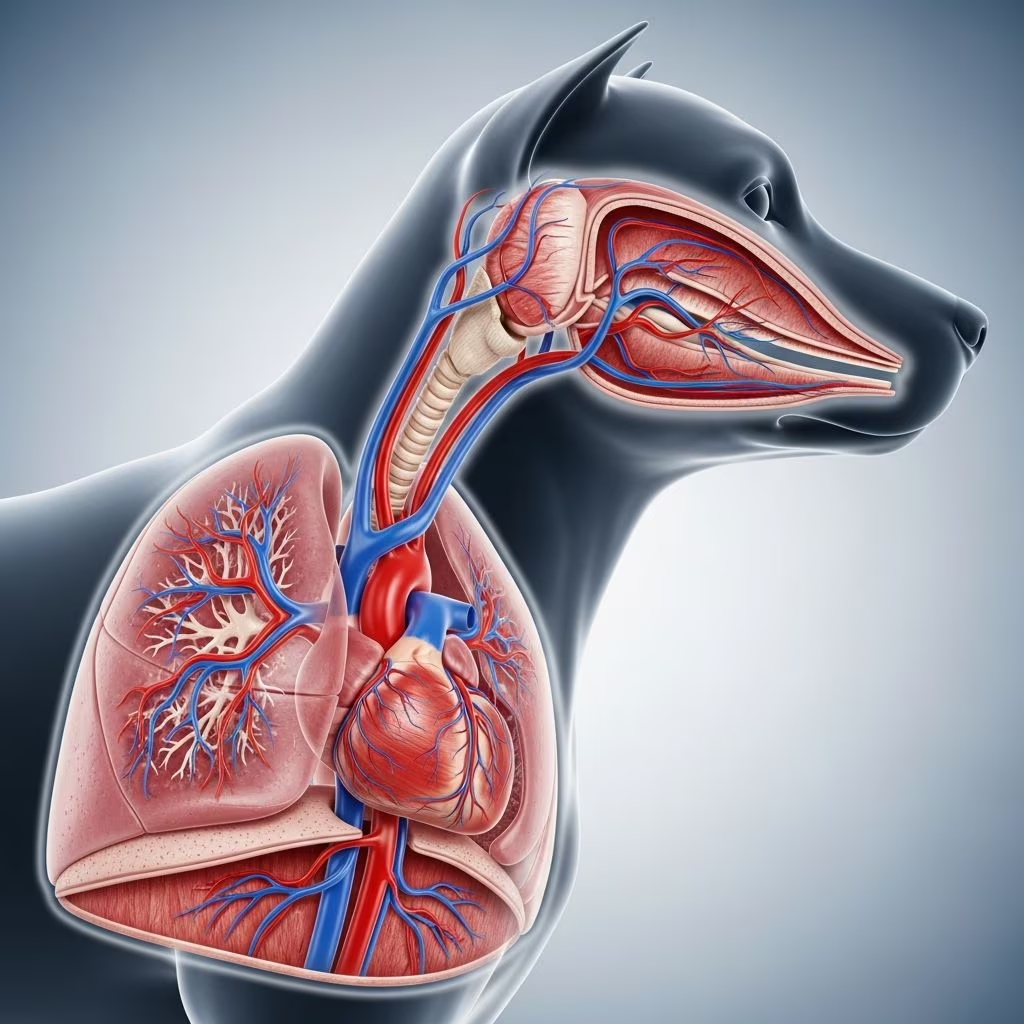
Pulmonary hypertension (PH) in dogs refers to abnormally high blood pressure within the arteries and capillaries of the lungs, which strains the right side of the heart and impairs oxygen exchange. This condition often develops secondary to underlying diseases but can occasionally be primary or idiopathic. Recognizing it early is crucial for effective management, as untreated PH can lead to right-sided heart failure and reduced lifespan.
Understanding the Pathophysiology of Lung Artery Pressure
The pulmonary circulation is a low-pressure system designed to oxygenate blood efficiently. In PH, factors like vessel narrowing, blockages, or excessive blood flow elevate pressure, causing the right ventricle to enlarge and weaken over time. This results in reduced cardiac output, low systemic oxygen levels, and clinical signs of distress.
Two main categories exist: pre-capillary PH from lung or vascular issues, and post-capillary PH from left heart disease increasing left atrial pressure. Chronic hypoxia from lung diseases thickens pulmonary arteries, exacerbating the cycle.
Common Causes and Risk Factors
PH rarely occurs in isolation; most cases stem from identifiable triggers. Key contributors include:
- Heartworm Disease: Parasitic worms obstruct pulmonary arteries, a leading cause in endemic areas. Prevention is vital.
- Chronic Lung Conditions: Bronchitis, pneumonia, fibrosis, or COPD scar lung tissue, narrowing vessels. Breeds like West Highland White Terriers are predisposed to fibrosis-related PH.
- Heart Diseases: Left-sided failures (e.g., mitral valve disease, dilated cardiomyopathy), congenital shunts, or right-sided issues increase pulmonary load.
- Systemic Illnesses: Cushing’s disease, pancreatitis, kidney disorders, or immune-mediated conditions promote thromboembolism or vascular changes.
- Idiopathic or Primary: Rare developmental vessel abnormalities without clear cause.
Smaller, older dogs are more commonly affected, though any breed can develop PH depending on exposures.
Recognizing the Warning Signs
Symptoms arise from poor oxygenation and right heart strain. Owners often notice progressive changes:
- Labored or rapid breathing, even at rest (tachypnea >35 breaths/min while sleeping).
- Exercise intolerance, weakness, or collapse.
- Fainting (syncope), especially post-exertion.
- Coughing, possibly with blood-tinged sputum.
- Cyanosis (blue gums/skin), distended neck veins, or ascites (abdominal fluid).
- Weight loss, lethargy, and heart murmurs on exam.
| Symptom | Mild PH | Moderate PH | Severe PH |
|---|---|---|---|
| Breathing | Slight increase at exercise | Tachypnea at rest | Respiratory distress |
| Activity | Reduced stamina | Reluctance to move | Syncope/collapse |
| Other | Murmur | Coughing | Ascites, cyanosis |
These signs strongly suggest PH when exertion triggers syncope or distress without other explanations.
Diagnostic Approaches
Veterinarians use a multi-modal strategy. Initial steps include:
- Physical exam for murmurs, cyanosis, and jugular pulses.
- Bloodwork (CBC, biochemistry, heartworm test), urinalysis.
- Chest X-rays to assess heart size, lung patterns, clots.
Definitive diagnosis relies on echocardiography, measuring tricuspid regurgitation velocity to estimate pulmonary artery pressure (normal <30 mmHg; severe >60 mmHg). Advanced imaging like CT or cardiac catheterization confirms in complex cases.
Underlying causes are investigated via lung function tests or endoscopy if respiratory disease is suspected.
Treatment Strategies and Management
Treatment targets the root cause and alleviates pulmonary pressure:
- Parasite Control: Heartworm adults killed with melarsomine; preventives ongoing.
- Lung Support: Bronchodilators, steroids for inflammation; oxygen therapy acutely.
- PH-Specific Meds: Sildenafil (Viagra) or tadalafil as PDE5 inhibitors relax vessels; pimobendan supports heart contractility.
- Diuretics: Furosemide for fluid overload/ascites.
- Anticoagulants: Clopidogrel for thromboembolism risk.
Lifestyle adjustments include low-exertion activities, weight management, and avoiding high altitudes. Regular monitoring via echoes tracks progress.
Prognosis and Long-Term Outlook
Outcomes vary by cause and stage. Idiopathic or severe secondary PH carries guarded prognosis (months), but early heartworm treatment or mild lung PH allows years of good quality life with meds. Right heart failure worsens survival; euthanasia may be considered for refractory distress.
Studies show 50-70% response to vasodilators in moderate cases.
Prevention Tips for Pet Owners
Proactive measures reduce risk:
- Year-round heartworm prevention.
- Vaccinations and prompt respiratory infection treatment.
- Annual cardiac screenings for at-risk breeds.
- Healthy diet/weight to minimize heart strain.
- Avoid smoke exposure.
Frequently Asked Questions (FAQs)
What is the most common cause of pulmonary hypertension in dogs?
Heartworm disease tops the list, blocking lung arteries and raising pressure.
Can pulmonary hypertension be cured?
Rarely cured, but treatable; addressing causes like worms improves control.
How is PH diagnosed without invasive tests?
Echocardiography non-invasively estimates pressure via Doppler.
Is sildenafil safe for dogs with PH?
Yes, it’s a standard vasodilator therapy.
What breeds are prone to PH?
Small breeds, Westies for fibrosis; any with heartworm exposure.
Supporting Your Dog’s Respiratory Health
Beyond meds, holistic care like controlled exercise, humidifiers for dry coughs, and stress reduction aids comfort. Collaborate with veterinary cardiologists for tailored plans. Early intervention transforms prognosis from fatal to manageable.
References
- Pulmonary Hypertension in Dogs — VCA Animal Hospitals. Accessed 2026. https://vcahospitals.com/know-your-pet/pulmonary-hypertension-in-dogs
- Pulmonary Hypertension in Dogs: What You Need to Know — Animal Cardiology NV. Accessed 2026. https://animalcardiologynv.com/pulmonary-hypertension-in-dogs/
- Pulmonary Hypertension in Dogs — PetMD. Accessed 2026. https://www.petmd.com/dog/conditions/cardiovascular/pulmonary-hypertension-dogs
- Understanding Pulmonary Hypertension in Dogs — Hill’s Pet Nutrition. Accessed 2026. https://www.hillspet.co.id/dog-care/healthcare/pulmonary-hypertension-in-dogs
- Pulmonary Hypertension in Dogs — VetSpecialists.com. 2023-09-07. https://www.vetspecialists.com/vet-blog-landing/animal-health-articles/2023/09/07/diet-associated-dilated-cardiomyopathy-in-dogs
- ACVIM consensus statement guidelines for the diagnosis… — PMC (NCBI). 2020. https://pmc.ncbi.nlm.nih.gov/articles/PMC7097566/
- Pulmonary Hypertension (PH) — RMVC Colorado. Accessed 2026. https://www.rmvccolorado.com/files/cardiology/rmvc-pulmonary-hypertension.pdf



