

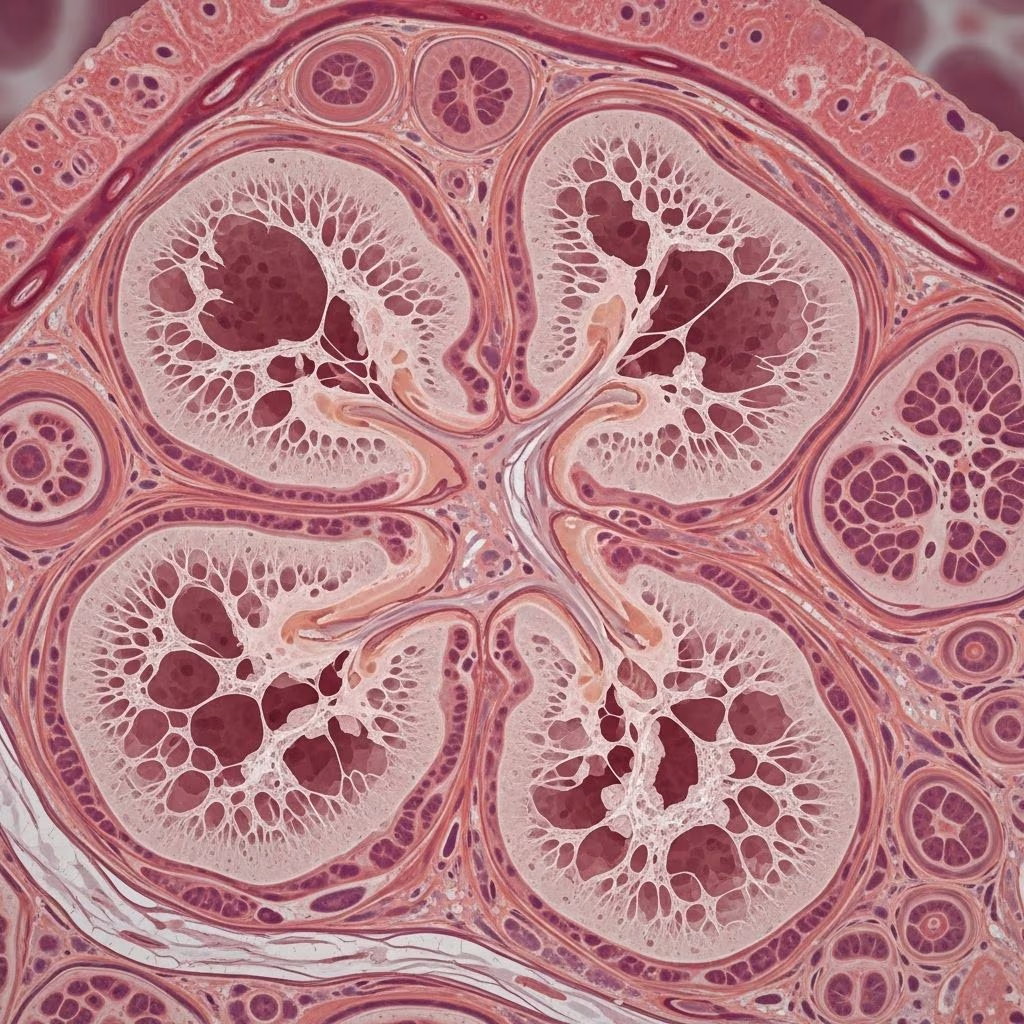
Pulmonary emphysema represents a significant respiratory condition affecting various animal species, characterized by destructive changes within lung tissue that fundamentally alter gas exchange and breathing mechanics. This condition involves the progressive breakdown of alveolar structures—the microscopic air sacs responsible for oxygen absorption—resulting in permanent pulmonary damage. Unlike acute respiratory infections that may resolve with appropriate treatment, emphysema presents a chronic challenge requiring long-term management strategies focused on supporting respiratory function and addressing underlying causative factors.
The Fundamental Nature of Pulmonary Emphysema
Pulmonary emphysema develops through a cascade of pathophysiological changes that compromise the lungs’ ability to facilitate efficient gas exchange. The condition occurs when alveolar walls deteriorate and merge together, creating enlarged air-filled spaces within the lung parenchyma. This structural transformation significantly reduces the total surface area available for oxygen diffusion into the bloodstream, forcing affected animals to work harder to obtain adequate oxygen.
The disease manifests in two distinct anatomical patterns. Alveolar emphysema involves distension of the air sacs themselves, often causing their rupture when excessive air pressure develops. Interstitial emphysema represents air accumulation within the supportive tissues surrounding the lungs, particularly affecting the areas between pleural layers and connective tissue planes. Understanding these structural variations helps veterinarians identify the specific type affecting individual animals, which influences treatment approaches and prognostic expectations.
Primary Causative Factors Across Animal Species
The origin of pulmonary emphysema varies considerably depending on the animal species affected and environmental circumstances. In domestic animals, the condition typically emerges as a secondary manifestation of primary respiratory diseases rather than as an independent condition.
Chronic Respiratory Diseases as Primary Triggers
Chronic bronchitis represents the most frequent underlying cause of emphysema in companion animals, particularly dogs. This inflammatory airway disease creates persistent airflow obstruction, forcing animals to generate excessive negative intrathoracic pressure during inspiration to overcome the resistance. Over months or years, this repetitive mechanical stress damages alveolar walls, creating conditions favorable for emphysematous changes. The inflammatory processes associated with chronic bronchitis compound this damage, establishing a self-perpetuating cycle of respiratory deterioration.
Bacterial pneumonia, when inadequately treated or when infection causes severe parenchymal damage, can precipitate emphysematous changes in the affected lung regions. The inflammation and tissue destruction characteristic of severe respiratory infections may leave permanent structural damage even after the infectious agent has been eliminated.
Genetic Predisposition and Congenital Forms
Certain animal populations demonstrate inherent susceptibility to emphysema development based on genetic factors. Congenital lobar emphysema, described particularly in young dogs of certain breeds including Pekingese, results from incomplete cartilage development in the bronchioles during fetal lung formation. This developmental abnormality compromises the structural integrity of small airways, predisposing affected individuals to progressive emphysema despite absence of acquired respiratory disease.
Age-related factors influence emphysema susceptibility, with middle-aged and older animals showing higher prevalence due to cumulative lung damage and declining respiratory system efficiency. Younger animals presenting with emphysema typically exhibit congenital forms, while acquired emphysema predominantly affects mature animals with documented chronic respiratory disease history.
Environmental and Systemic Influences
Environmental stressors contribute significantly to emphysema development in livestock populations. Acute bovine pulmonary emphysema and edema (ABPEE) represents a specific syndrome affecting cattle after exposure to lush pastures containing elevated tryptophan concentrations. Ruminal microorganisms metabolize this amino acid into pneumotoxic compounds, specifically 3-methylindole, which directly injures lung tissue and triggers inflammatory cascades resulting in emphysematous changes within hours of exposure.
Prolonged exposure to airborne irritants including cigarette smoke, industrial pollutants, and dust particles can gradually compromise lung tissue architecture. Obesity places additional mechanical stress on respiratory muscles and lung tissue, increasing emphysema risk particularly in sedentary animals. Traumatic injuries affecting the thoracic cavity may cause immediate alveolar rupture or subsequent scarring and emphysematous changes in healing lung tissue.
Clinical Manifestations and Recognition Strategies
The clinical presentation of pulmonary emphysema varies widely depending on disease severity, affected lung volume, and underlying etiology. Early-stage emphysema may produce subtle findings that owners attribute to normal aging or minor illness, while advanced disease creates unmistakable respiratory compromise.
Respiratory Distress Indicators
Labored breathing represents the hallmark clinical sign of emphysema. Affected animals exhibit increased respiratory effort, particularly during expiration as the lungs struggle to empty trapped air. Many animals develop characteristic wheezing or high-pitched whistling sounds during breathing, especially during exertion or stress. The respiratory difficulty typically worsens with physical activity, as increased oxygen demands cannot be met by compromised lung function.
In cattle with acute emphysema, respiratory distress may reach severe levels with animals extending their necks, mouth breathing, and producing loud expiratory grunts. Coughing patterns differ between species and underlying causes; dogs frequently develop chronic, persistent coughs particularly after exertion, while cattle rarely cough despite severe respiratory compromise.
Secondary Clinical Manifestations
Cyanosis—bluish discoloration of mucous membranes and visible tissue—indicates severe oxygen deficiency and represents a medical emergency requiring immediate intervention. The bluish tint appears on the tongue, gums, and other poorly pigmented tissues when blood oxygen saturation drops significantly below normal levels.
General systemic signs accompany respiratory compromise in emphysematous animals. Lethargy and weakness develop as respiratory effort diverts energy resources from normal activities. Affected animals demonstrate reduced appetite, weight loss, and overall depression. Increased heart rate compensates for decreased oxygen availability, placing additional strain on the cardiovascular system. Animals may exhibit difficulty with strenuous activity or show reluctance to exercise, preferring rest to activity.
Diagnostic Approaches and Confirmation Methods
Definitive emphysema diagnosis relies on integrating clinical history, physical examination findings, and imaging or pathological evaluation. No single diagnostic test definitively confirms emphysema; rather, veterinarians use multiple assessment tools to establish diagnosis and evaluate severity.
Physical Examination Findings
Thoracic auscultation—listening with a stethoscope to lung sounds—reveals characteristic patterns in emphysematous animals. Early disease may produce surprisingly soft or diminished respiratory sounds despite obvious respiratory distress. Wheezing or crackling sounds may be audible, indicating turbulent airflow through airways affected by emphysema or concurrent inflammation. Inspiration may produce abnormal sounds reflecting damaged or collapsing airways.
Radiographic Evaluation
Thoracic radiography provides visual confirmation of emphysematous changes within the lungs. Large air-filled cavities called bullae become apparent on radiographic images as areas of excessive lucency surrounded by collapsed normal lung tissue. The overall lung appearance shows hyperinflation with flattened diaphragms as emphysematous lungs occupy excessive thoracic space. Radiographs may also reveal underlying concurrent diseases such as bronchial wall thickening consistent with chronic bronchitis.
Pathological Examination
Histopathological examination at necropsy provides definitive emphysema confirmation and characterizes the severity and distribution of alveolar damage. Microscopic evaluation reveals coalescence of adjacent alveoli into larger cavities, loss of normal alveolar architecture, and inflammatory changes in remaining lung tissue. In ABPEE cases, additional lesions including pulmonary edema, hyaline membrane formation, and alveolar epithelial changes accompany emphysematous findings.
Management and Treatment Strategies
Since emphysema represents permanent lung damage, curative treatment does not exist. All therapeutic interventions focus on managing underlying conditions, supporting respiratory function, and improving quality of life for affected animals.
Addressing Underlying Conditions
Primary treatment efforts target the conditions responsible for emphysema development. In animals with chronic bronchitis, bronchodilator medications relax airway smooth muscle, improving airflow and reducing respiratory effort. Anti-inflammatory drugs suppress ongoing inflammation within the respiratory tract, preventing further alveolar damage. For animals with infectious respiratory disease, appropriate antimicrobial therapy eliminates pathogens while minimizing lung tissue destruction.
Environmental Management
Controlling environmental stressors significantly impacts emphysema progression. Removing affected cattle from pastures containing high tryptophan-rich vegetation prevents additional pneumotoxin exposure, though this intervention cannot reverse already-developed disease. For companion animals, minimizing exposure to smoke, dust, and other respiratory irritants reduces ongoing pulmonary damage.
Surgical Interventions
In selected cases of congenital emphysema involving limited lung lobes, surgical lobectomy—removal of the affected lobar tissue—may be beneficial if fewer than three lobes are involved. This approach eliminates non-functional emphysematous tissue, allowing remaining healthy lung to expand and function more effectively. Such procedures offer potential for substantial clinical improvement in appropriate candidates.
Prognosis and Long-Term Outlook
The prognosis for emphysema varies considerably based on disease severity, animal species, underlying causation, and treatment responsiveness. In dogs with acquired emphysema from chronic bronchitis, the condition often causes minimal clinical problems, with animals maintaining reasonable quality of life through chronic management of underlying disease. These animals may live for extended periods with appropriate supportive care and medical management of respiratory symptoms.
Congenital emphysema carries a more guarded prognosis, particularly regarding risk of spontaneous pneumothorax—rupture of emphysematous bullae resulting in air entering the pleural space and lung collapse. This complication can develop suddenly and may prove fatal if not addressed emergently. Pneumothorax may develop within minutes of bullae rupture, creating rapidly progressive respiratory compromise.
Acute bovine emphysema presents a dire prognosis, with sudden death occurring in some severely affected cattle. Mild cases may resolve spontaneously within days, but no effective treatment exists for severely affected individuals. The unpredictable nature of this syndrome and its rapid potential progression necessitate immediate pasture removal upon disease recognition.
Frequently Asked Questions About Animal Emphysema
Can emphysema be completely cured in animals?
No, emphysema represents permanent lung tissue destruction that cannot be reversed. Treatment focuses on managing underlying conditions and supporting respiratory function rather than achieving cure. The damage to alveolar structures is irreversible, making long-term management essential for affected animals.
Is emphysema common in companion animals?
Emphysema is relatively uncommon as a primary clinical problem in dogs and cats, often discovered incidentally during post-mortem examination. However, it frequently develops secondary to chronic respiratory diseases that are more clinically apparent. The condition may be underdiagnosed due to its association with other respiratory conditions.
What distinguishes emphysema from chronic bronchitis?
Chronic bronchitis involves inflammation and obstruction of airways, while emphysema represents destruction of alveolar structures. These conditions frequently coexist and contribute to each other’s progression. Chronic bronchitis often precedes and causes emphysema development through repetitive mechanical stress on lung tissue.
Can young animals develop emphysema?
Young animals developing emphysema typically have congenital forms resulting from abnormal lung development rather than acquired disease. Certain breeds show predisposition to these developmental abnormalities. In contrast, acquired emphysema predominantly affects older animals with documented chronic respiratory disease.
What emergency situations can emphysema cause?
Severe cyanosis represents an immediate emergency requiring oxygen supplementation and intensive respiratory support. Pneumothorax developing from bullae rupture constitutes another critical emergency, potentially causing rapid death if not promptly treated. Animals showing severe respiratory distress should receive immediate veterinary evaluation.
Distinguishing Features Across Animal Species
| Feature | Dogs | Cattle |
|---|---|---|
| Primary Cause | Chronic bronchitis; congenital lobar forms in certain breeds | Acute syndrome (ABPEE) from pasture exposure; infectious/inflammatory diseases |
| Clinical Presentation | Chronic cough, wheezing, exercise intolerance, rarely critical | Acute severe dyspnea, respiratory distress, mouth breathing, sudden death |
| Cough Presence | Frequent and persistent | Unusual despite severe distress |
| Prognosis | Variable; congenital form has pneumothorax risk | Guarded to grave; potential for sudden death |
Supporting Quality of Life in Emphysematous Animals
Beyond pharmacological and surgical interventions, numerous practical strategies enhance respiratory function and comfort for animals living with emphysema. Maintaining optimal body weight reduces mechanical strain on respiratory muscles, allowing more efficient breathing patterns. Regular gentle exercise within the animal’s tolerance preserves muscle tone and cardiovascular conditioning without excessive respiratory stress.
Environmental modifications provide substantial benefits. Ensuring adequate ventilation reduces ambient dust and irritants. Avoiding exposure to smoke and air pollution prevents ongoing pulmonary damage. Maintaining consistent ambient temperature and humidity prevents temperature-related airway constriction and mucus production changes that exacerbate respiratory signs.
Dietary adjustments may support respiratory function. Balanced nutrition prevents obesity while ensuring adequate protein for muscle maintenance. Elevated feeding positions reduce diaphragmatic compression and improve breathing comfort during feeding. Some animals benefit from smaller, more frequent meals that minimize abdominal pressure on the lungs.
Regular veterinary monitoring allows early detection of complications, particularly pneumothorax in animals with bullae. Monitoring respiratory rate, effort, and sounds helps identify disease progression requiring therapeutic adjustment. Communication between owners and veterinarians regarding exercise tolerance and respiratory changes enables proactive management modifications.
Conclusion
Pulmonary emphysema in animals represents a complex respiratory condition with significant implications for affected individual’s health and longevity. While permanent lung damage cannot be reversed, understanding the disease’s pathophysiology, recognizing clinical signs, and implementing comprehensive management strategies enables veterinarians to maintain quality of life for emphysematous animals. Early identification of underlying diseases, aggressive treatment of primary conditions, and thoughtful environmental management help slow disease progression and maximize respiratory function. Pet owners and livestock managers working collaboratively with veterinary professionals can provide optimal support for animals experiencing this chronic respiratory challenge.
References
- Lung: pulmonary emphysema in Dogs (Canis) — Vetlexicon. 2024. https://www.vetlexicon.com/canis/respiratory/articles/lung-pulmonary-emphysema/
- Pulmonary Emphysema, Edema, and Interstitial Pneumonia in Cattle — MSD Veterinary Manual. 2024. https://www.msdvetmanual.com/respiratory-system/non-infectious-respiratory-system-diseases-in-cattle/pulmonary-emphysema-edema-and-interstitial-pneumonia-in-cattle
- Emphysema in Dogs: Causes, Symptoms, and Treatment — PetCareRx. 2024. https://www.petcarerx.com/article/emphysema-in-dogs-causes-symptoms-and-treatment/6713
- Bovine Pulmonary Physiology and Emphysema — Kansas State University College of Veterinary Medicine. 2020. https://www.vet.k-state.edu/docs/vhc/farm/ag-practice-updates/Bovine_Pulmonary.pdf
- Emphysema in Dogs — Merck Veterinary Manual. 2024. https://www.merckvetmanual.com/dog-owners/lung-and-airway-disorders-of-dogs/emphysema-in-dogs



