

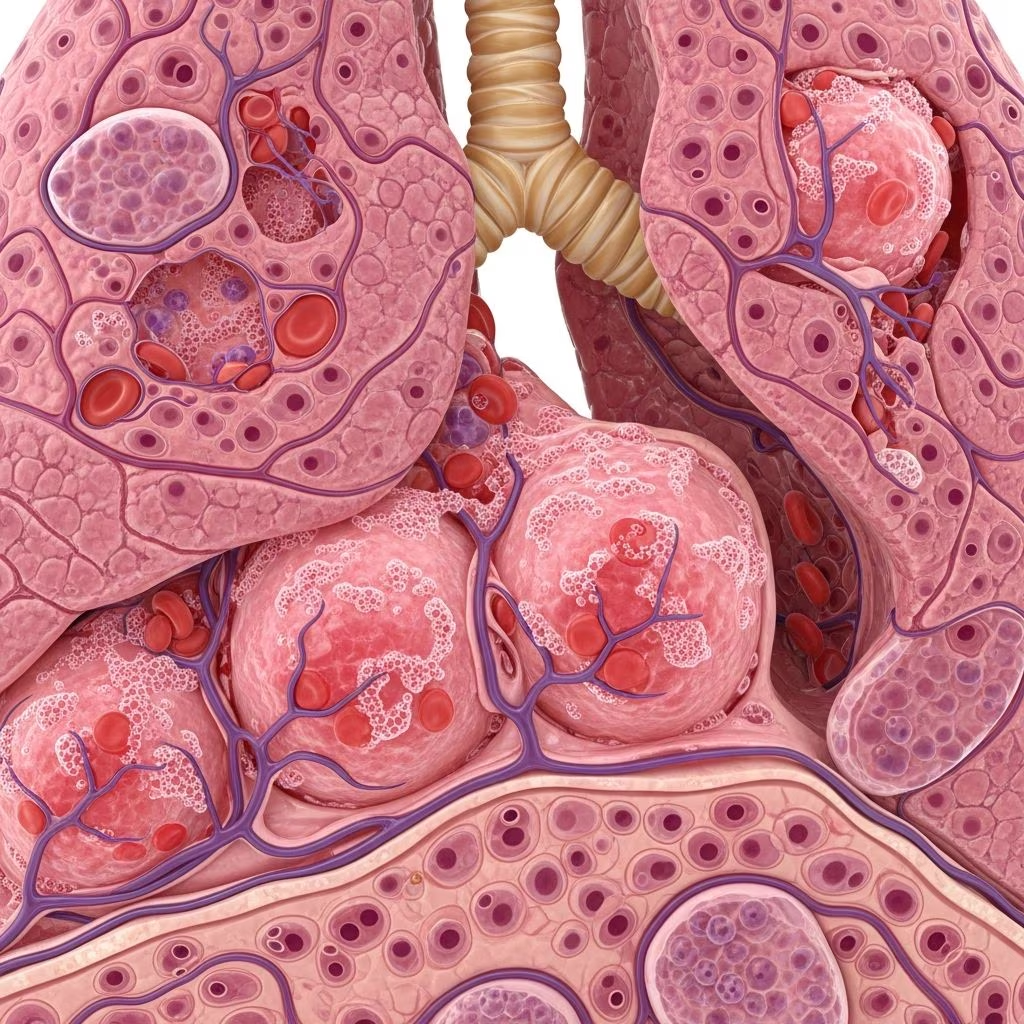
Fluid buildup in the lungs, known as pulmonary edema, poses a severe threat to pets by impairing oxygen exchange and causing respiratory distress. This condition demands immediate veterinary attention, as it can stem from heart problems or other systemic issues in dogs and cats.
Defining Pulmonary Edema and Its Impact on Animal Lungs
Pulmonary edema occurs when excess fluid accumulates in the air sacs (alveoli) and surrounding tissues of the lungs, preventing efficient oxygen absorption and carbon dioxide expulsion. In pets, this leads to labored breathing and potential organ failure if untreated. Unlike mild respiratory infections, this is a life-threatening imbalance often linked to cardiac inefficiency or inflammation.
The lungs’ delicate capillary-alveolar barrier normally keeps fluid contained, but elevated pressures or damage force leakage. Pets may collapse suddenly, highlighting the urgency for owners to recognize early signs.
Core Causes Behind Lung Fluid Accumulation in Pets
Pulmonary edema divides into cardiogenic (heart-related) and non-cardiogenic types, each with distinct triggers in veterinary medicine.
Cardiogenic Factors: When the Heart Fails to Pump Effectively
The leading cause in pets, especially older dogs, is congestive heart failure where the heart’s weakened pumping action causes blood backup into lung vessels. This elevates hydrostatic pressure, pushing fluid into alveoli. Common culprits include dilated cardiomyopathy, valve defects like mitral regurgitation, and hypertension.
- Dilated cardiomyopathy: Enlarged heart chambers reduce contractility, prevalent in breeds like Dobermans and Boxers.
- Valve diseases: Leaking or stenotic valves disrupt flow, common in small breeds such as Cavalier King Charles Spaniels.
- Arrhythmias: Irregular rhythms impair output, exacerbating fluid retention.
Non-Cardiogenic Triggers: Beyond the Heart
These arise from lung or systemic damage without primary heart involvement. In cats, electrical injuries or toxins often play a role, while dogs may suffer from infections or trauma.
- Infections: Pneumonia or sepsis increases capillary permeability.
- Toxins and aspiration: Inhaled irritants or vomit damage lung linings.
- High altitude or negative pressure: Rare in pets but seen post-obstruction.
- Systemic issues: Kidney failure or ARDS-like inflammation from pancreatitis.
| Type | Main Causes in Pets | X-ray Appearance |
|---|---|---|
| Cardiogenic | Heart failure, valve issues | Enlarged heart, Kerley lines, infiltrates |
| Non-Cardiogenic | Infection, toxins, trauma | Diffuse infiltrates, normal heart size |
Recognizing the Warning Signs in Dogs and Cats
Symptoms escalate rapidly in acute cases, mimicking distress from pain or heat. Owners often notice pets struggling at rest, unlike exercise-induced panting.
- Respiratory distress: Rapid, shallow breaths; open-mouth breathing in cats; blue gums (cyanosis).
- Coughing: Frothy, pink-tinged sputum signals severe edema.
- Behavioral cues: Restlessness, anxiety, reluctance to lie flat (orthopnea).
- Physical changes: Pale mucous membranes, weak pulse, crackles on auscultation.
- Chronic indicators: Fatigue, weight loss, reduced appetite over weeks.
In cats, subtle signs like hiding or reduced activity precede crises, while dogs may pace incessantly.
Veterinary Diagnostic Approaches for Confirmation
Diagnosis starts with history and physical exam, focusing on heart and lung sounds. Rapid tests pinpoint the type.
- Imaging: Chest X-rays reveal fluid patterns, heart enlargement; echocardiography assesses function.
- Bloodwork: Checks BNP levels for heart strain, kidney panels, infection markers.
- Oximetry: Measures oxygen saturation; arterial blood gas for severity.
Differentiating types guides therapy: cardiogenic shows cardiac silhouette expansion on radiographs.
Immediate and Supportive Treatment Strategies
Emergency care stabilizes breathing first, then targets the root cause. Hospitalization is standard for acute episodes.
Stabilization Techniques
- Oxygen therapy: Masks, cages, or nasal prongs boost saturation quickly.
- Ventilatory support: CPAP or intubation for refractory cases.
Pharmacological Interventions
Medications reduce fluid and support the heart.
- Diuretics (furosemide): Promote urine output to clear lung fluid rapidly.
- Vasodilators (nitroglycerin): Lower pulmonary pressures.
- Inotropes (dobutamine): Enhance cardiac contractility.
- Anti-arrhythmics: Stabilize rhythms if needed.
Non-cardiogenic cases may require antibiotics or steroids.
Long-Term Management and Prognosis Factors
Chronic cases need ongoing care to prevent recurrence. With treatment, many pets stabilize, but heart disease shortens lifespan.
- Dietary changes: Low-sodium food reduces fluid retention.
- Medications: ACE inhibitors, pimobendan for heart support.
- Lifestyle: Weight control, moderate exercise; avoid stressors.
- Monitoring: Regular vet check-ups, home weight tracking.
Prognosis improves with early intervention; survival rates exceed 80% post-acute phase in responsive cases.
Prevention Tips for Heart-Healthy Pets
Proactive steps mitigate risks, especially in predisposed breeds.
- Annual cardiac screenings for at-risk dogs (e.g., large breeds).
- Dental care to prevent endocarditis.
- Control obesity and hypertension.
- Vaccinations and parasite prevention against infections.
Common Queries on Pet Pulmonary Edema
What triggers sudden pulmonary edema in my dog?
Often acute heart failure, arrhythmias, or toxin exposure; seek emergency care for rapid breathing.
Can cats recover fully from lung fluid buildup?
Yes, with prompt treatment; many live years on managed heart meds.
Is surgery ever needed?
For valve repairs in select cases, but meds suffice for most.
How do I know if it’s heart-related?
X-rays and echo confirm; cardiomegaly points to cardiogenic type.
What’s the cost of treatment?
Initial hospitalization: $1,000-$5,000; ongoing meds monthly.
Pet insurance can offset costs for diagnostics and lifelong therapy, providing peace of mind.
References
- Pulmonary Edema? Symptoms, Causes, and Management — CPRAED Course. 2023. https://cpraedcourse.com/blog/pulmonary-edema/
- Pulmonary edema: Causes, symptoms, and more — Medical News Today. 2023-10-25. https://www.medicalnewstoday.com/articles/167533
- Pulmonary Edema – causes, symptoms, diagnosis, treatment — Osmosis YouTube. 2018. https://www.youtube.com/watch?v=oRDOUv6dEpE
- Pulmonary edema – Symptoms & causes — Mayo Clinic. 2023-11-15. https://www.mayoclinic.org/diseases-conditions/pulmonary-edema/symptoms-causes/syc-20377009
- Pulmonary Edema: Causes, Symptoms, Diagnosis & Treatment — Cleveland Clinic. 2023-08-30. https://my.clevelandclinic.org/health/diseases/24218-pulmonary-edema
- Pulmonary Edema — UMass Memorial Health. 2024. https://www.ummhealth.org/health-library/pulmonary-edema
- Pulmonary edema — Penn Medicine. 2023. https://www.pennmedicine.org/conditions/pulmonary-edema
- Pulmonary edema – Diagnosis & treatment — Mayo Clinic. 2023-11-15. https://www.mayoclinic.org/diseases-conditions/pulmonary-edema/diagnosis-treatment/drc-20377014
- Pulmonary Edema — NCBI StatPearls. 2023-07-17. https://www.ncbi.nlm.nih.gov/books/NBK557611/



