
Pulmonary Edema In Cats: 4 Diagnostic Steps And Treatment
Understand the causes, signs, diagnosis, and life-saving treatments for fluid buildup in your cat's lungs to ensure prompt veterinary care.
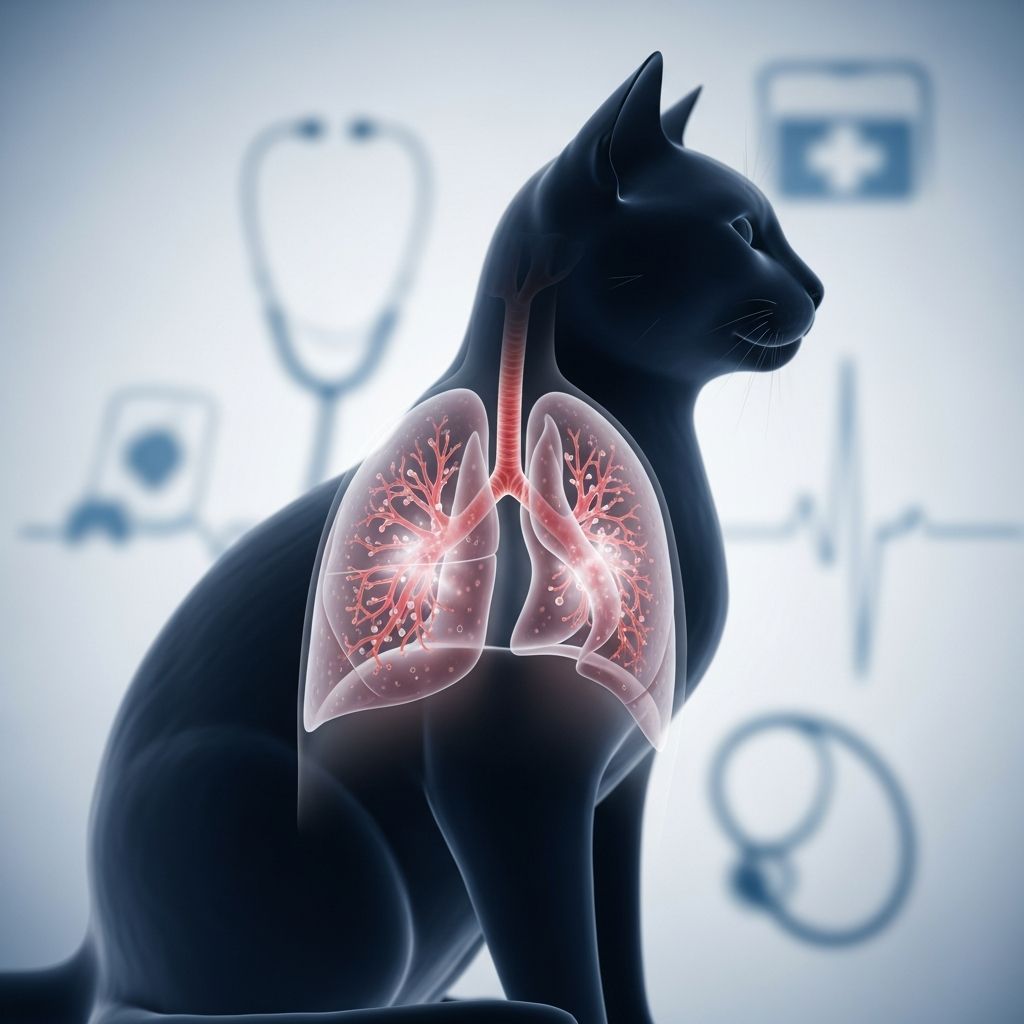
Fluid accumulation in a cat’s lungs, known as pulmonary edema, poses a severe threat to their respiratory function and overall well-being. This condition impairs oxygen exchange, leading to distress that demands immediate attention from veterinarians. Cat owners must recognize early warning signs to facilitate timely intervention, which can significantly improve survival rates.
Defining Pulmonary Edema and Its Impact on Feline Health
Pulmonary edema occurs when excess fluid fills the lung tissues, airways, or air sacs, disrupting normal breathing processes. In healthy lungs, fluid balances efficiently between the lungs and bloodstream, but disruptions cause buildup that stiffens lung tissue and hinders oxygen uptake. Cats, with their unique physiology, are particularly vulnerable, especially to heart-related triggers.
This emergency compromises the cat’s ability to oxygenate blood effectively, potentially leading to organ failure if untreated. Unlike mild respiratory issues, pulmonary edema escalates rapidly, often requiring hospitalization.
Primary Causes: Cardiogenic vs. Non-Cardiogenic Origins
Pulmonary edema in cats stems from two main categories: cardiogenic, linked to heart dysfunction, and non-cardiogenic, arising from other systemic or external factors. Understanding these distinctions guides diagnosis and therapy.
Cardiogenic Causes: When the Heart Fails
Most cases in cats trace back to cardiac problems, where elevated pressure in pulmonary capillaries forces fluid into lung spaces. Hypertrophic cardiomyopathy, a thickening of the heart muscle, predominates in felines, alongside dilated cardiomyopathy. These impair pumping efficiency, backing up blood and fluid into the lungs.
- Hypertrophic cardiomyopathy: Common in cats, reduces heart chamber size and output.
- Dilated cardiomyopathy: Enlarges heart chambers, weakening contractions.
- Valve diseases: Less frequent in cats but can contribute to fluid overload.
Non-Cardiogenic Triggers: Beyond the Heart
Non-heart-related causes include trauma, infections, toxins, and systemic imbalances. These provoke inflammation or direct lung injury, leading to fluid leakage.
| Non-Cardiogenic Cause | Description | Examples in Cats |
|---|---|---|
| Trauma | Physical injury damages lung vessels | Head trauma, chest impact, electrocution |
| Infections/Inflammation | Lung tissue swells, trapping fluid | Pneumonia, acute respiratory distress syndrome (ARDS) |
| Toxins/Poisoning | Chemicals irritate lung linings | Smoke inhalation, snake venom, aspirin overdose |
| Systemic Issues | Low blood proteins or anemia | Hypoproteinemia, near-drowning |
| Other | Obstructions or allergies | Airway blockages, allergic reactions |
Recognizing the Warning Signs: Symptoms to Watch For
Cats mask illness well, but pulmonary edema manifests unmistakably through respiratory distress. Early detection hinges on observing behavioral and physical changes.
- Rapid or labored breathing: Increased rate or effort, often with open-mouth panting.
- Coughing: May produce frothy or pink sputum from fluid.
- Cyanosis: Blue tint on tongue, gums, or lips due to oxygen deprivation.
- Weakness/Collapse: Lethargy, reluctance to move, or fainting spells.
- Postural changes: Sitting upright, extended neck, or chest-down positioning to ease breathing.
Auscultation by vets may reveal wheezing or crackles, confirming fluid presence.
Diagnostic Approaches: Confirming the Condition
Veterinarians employ a multi-step process to pinpoint pulmonary edema and its root cause, starting with physical exams and advancing to imaging and lab work.
- Chest Radiographs (X-rays): Reveal fluid patterns and heart enlargement; essential for initial confirmation.
- Echocardiogram: Ultrasound assesses heart structure and function, crucial for cardiogenic cases.
- Blood Tests: Complete blood count (CBC), chemistry panel, and urinalysis detect infections, organ issues, or imbalances.
- Oxygen Saturation Monitoring: Pulse oximetry or arterial blood gases measure tissue oxygenation.
These tools differentiate cardiogenic from non-cardiogenic edema, tailoring treatment plans.
Treatment Strategies: Stabilizing and Resolving Fluid Buildup
Management follows a three-phase protocol: stabilize, eliminate fluid, and address the cause. Speed is critical, as cats decompensate quickly.
Emergency Stabilization
Oxygen therapy via mask, cage, or flow-by is first-line, alleviating distress and boosting saturation. Sedatives calm anxious patients, aiding rest.
Fluid Removal
Diuretics like furosemide rapidly draw fluid from lungs into circulation for excretion. Vasodilators reduce heart workload in cardiogenic cases.
Targeting Underlying Issues
- Cardiogenic: Heart medications (e.g., pimobendan), diet changes.
- Non-cardiogenic: Antibiotics for infections, anti-inflammatories for trauma, or supportive care.
Hospitalization with monitoring of vitals ensures response. Mechanical ventilation is rare but used in severe cases.
Prognosis and Long-Term Outlook
Outcomes vary by cause and timeliness. Cardiogenic edema managed early offers fair prognosis with ongoing therapy, though recurrence risks persist. Non-cardiogenic cases often resolve faster if trauma-related, but chronic triggers worsen odds.
Monitoring respiratory rate at home post-discharge helps detect relapses. Lifelong meds and follow-ups are common for heart patients.
Prevention Tips: Safeguarding Your Cat’s Respiratory Health
While not all cases are preventable, proactive steps reduce risks.
- Regular Vet Checkups: Screen for heart disease via echoes, especially in breeds prone to cardiomyopathy.
- Heartworm Prevention: Use monthly prophylactics in endemic areas.
- Toxin Avoidance: Secure households from chemicals, medications, and electrical hazards.
- Stress Management: Enrich environments to bolster immunity against infections.
- Dental Hygiene: Routine care prevents bacterial spread to lungs.
- Balanced Nutrition: Maintain protein levels to avoid hypoproteinemia.
Frequently Asked Questions (FAQs)
What triggers sudden pulmonary edema in my cat?
It often stems from acute heart failure, trauma, or toxins, manifesting within hours.
Can cats recover fully from lung fluid buildup?
Many do with prompt care, but underlying heart issues may require lifelong management.
Is home oxygen viable for treatment?
No; professional administration is needed. Vets provide it safely during crises.
How do I know if it’s pulmonary edema or asthma?
X-rays and history differentiate; asthma shows wheezing without widespread fluid.
Are certain cat breeds more susceptible?
Breeds like Maine Coons face higher cardiomyopathy risks, elevating edema chances.
Key Takeaways for Cat Owners
Pulmonary edema demands vigilance: watch for breathing changes, seek emergency care immediately, and prioritize preventives. Collaboration with vets ensures the best path to recovery and prevention.
References
- Pulmonary Edema in Pets | Symptoms, Treatments, and More — Embrace Pet Insurance. Accessed 2026. https://www.embracepetinsurance.com/health/pulmonary-edema
- Fluid in the Lungs in Cats – PetMD — PetMD. Accessed 2026. https://www.petmd.com/cat/conditions/respiratory/c_ct_pulmonary_edema
- Pulmonary Edema in Cats: A Detailed Overview — PetCareRx. 2023-10-01. https://www.petcarerx.com/article/pulmonary-edema-in-cats-a-detailed-overview/6920
- Pulmonary edema (Proceedings) — dvm360. Accessed 2026. https://www.dvm360.com/view/pulmonary-edema-proceedings-0
- Pulmonary Edema in Cats – Cat Owners – Merck Veterinary Manual — Merck Veterinary Manual. Accessed 2026. https://www.merckvetmanual.com/cat-owners/lung-and-airway-disorders-of-cats/pulmonary-edema-in-cats
Similar Articles








Read full bio of medha deb




