
Pullorum Disease In Poultry: Prevention, Diagnosis, Control
Understanding the causes, symptoms, and control strategies for this devastating bacterial infection in chickens and other birds.
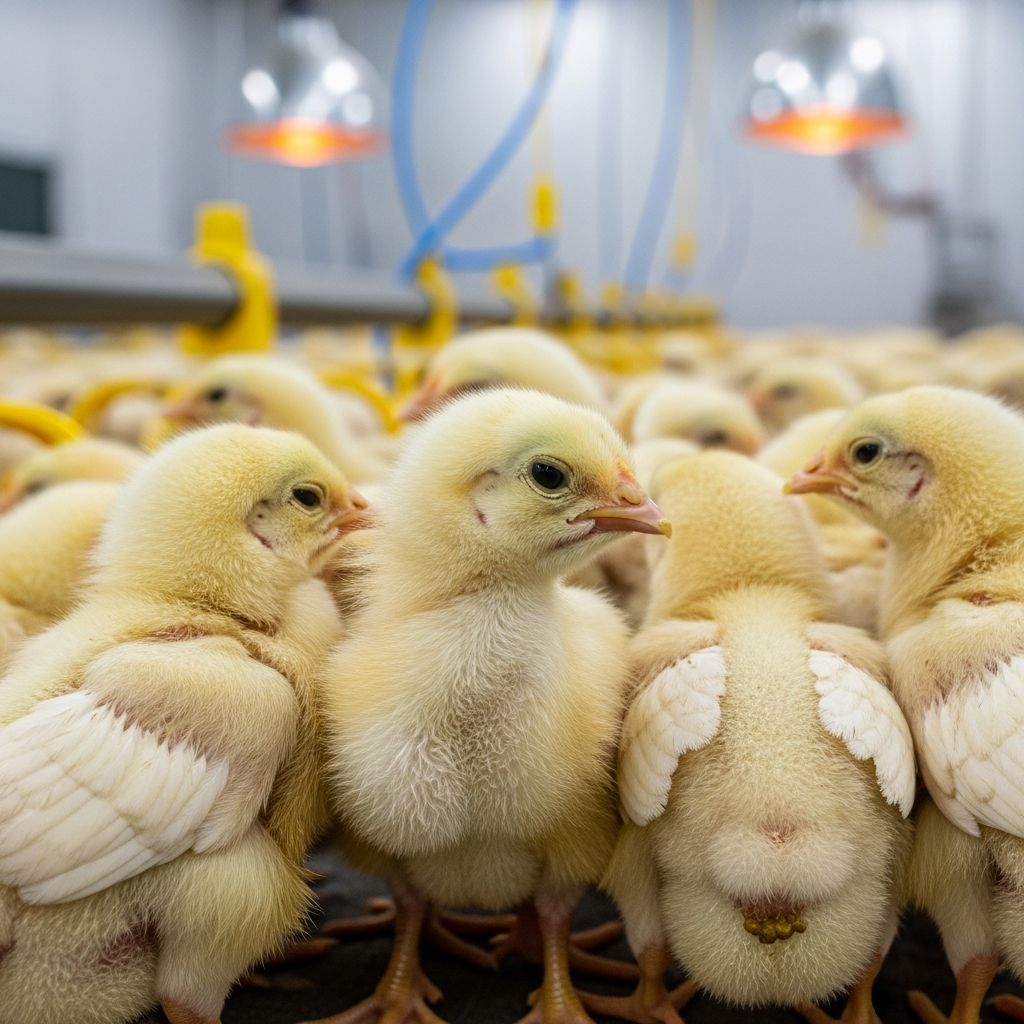
Pullorum disease represents a significant bacterial threat to poultry operations worldwide, primarily affecting young chicks and causing substantial economic losses through high mortality rates. Caused by the host-adapted bacterium Salmonella Pullorum, this infection spreads vertically through eggs and horizontally within flocks, demanding vigilant management practices.
The Pathogen Behind the Disease
Salmonella enterica subspecies enterica serovar Gallinarum biovar Pullorum is a non-motile, Gram-negative rod responsible for Pullorum disease, also known as bacillary white diarrhea. This pathogen is highly adapted to avian species, particularly chickens, but can infect turkeys, quail, ducks, and game birds. Unlike broader Salmonella serovars, it poses minimal zoonotic risk to humans due to its host specificity.
Recent studies highlight emerging variants, such as hypervirulent strains causing arthritis in addition to classic diarrhea symptoms. These isolates, noted in Chinese native chicken flocks, demonstrate increased pathogenicity, leading to joint swelling and lameness alongside traditional signs. The bacterium thrives in the reproductive tracts of hens, enabling transovarial transmission where infected carriers pass it to up to one-third of their eggs.
Transmission Pathways in Flocks
Infection enters flocks via multiple routes, complicating control efforts. Wild birds, rodents, insects like flies, and contaminated equipment serve as vectors. Within flocks, direct contact, fecal-oral spread through contaminated feed, water, and litter facilitates horizontal transmission. Cannibalism of dead birds and wound pecking exacerbate outbreaks.
Vertical transmission remains the most insidious, as hens recovering from infection become asymptomatic carriers, shedding bacteria into eggs. Hatching infected eggs perpetuates the cycle, with chicks emerging already septicemic. Game birds and backyard flocks act as reservoirs, introducing the pathogen to commercial operations.
- Vertical: Egg transmission from carrier hens.
- Horizontal: Fecal contamination, direct contact, vectors.
- Environmental: Wild animals, insects, poor biosecurity.
Recognizing Clinical Manifestations
Young chicks hatched from infected eggs exhibit rapid onset of symptoms within days to weeks. Classic signs include huddling under heat lamps, lethargy, anorexia, stunted growth, and shrill peeping. Chalky white diarrhea pastes the vents, earning the disease its “white diarrhea” moniker. Mortality peaks in the second to third week, often reaching high percentages without intervention.
In older birds, symptoms are subtler: reduced egg production, poor hatchability, depression, and occasional lameness from arthritis in virulent strains. Survivors may appear normal but harbor the bacteria, perpetuating carrier status. Emerging arthritis presentations involve swollen hocks, purulent joint fluid, and mobility issues, impacting feed intake and growth performance more severely than diarrhea-only strains.
| Age Group | Primary Symptoms | Mortality Risk |
|---|---|---|
| Chicks (0-3 weeks) | White pasted vents, weakness, peeping, huddling | High (up to 100% in outbreaks) |
| Growers/Mature | Lameness, reduced fertility, no overt signs | Low, but carrier risk high |
Pathological Findings at Necropsy
Post-mortem examinations reveal characteristic lesions. In chicks, enlarged, mottled livers with fibrin tags, swollen spleens, and catarrhal enteritis with bile-stained contents are common. Septicemic signs include dilated subcutaneous vessels and pericardial effusion. Joints in arthritis cases contain creamy synovial fluid, with erosion of cartilage.
Mature birds show ovarian involvement with caseous material on yolks, peritonitis, and occasionally bronze-tinged livers exposed to air. These findings aid definitive diagnosis when combined with bacterial culture.
Diagnostic Approaches
Diagnosis integrates clinical history, signs, and lab confirmation. Rapid serologic tests like whole blood agglutination detect antibodies in carriers. Bacterial isolation from organs, feces, or cloacal swabs on selective media (e.g., brilliant green agar) confirms S. Pullorum. PCR assays enhance sensitivity for hypervirulent strains.
Blood testing breeder flocks identifies carriers before breeding. In outbreaks, culturing joint fluid from lame birds reveals arthritis-causing isolates. Differential diagnosis rules out fowl typhoid, omphalitis, and E. coli infections.
Prevention Strategies for Poultry Producers
Eradication programs form the cornerstone of control. National Pullorum-Typhoid clean certification requires repeated testing and culling of reactors in breeder flocks. Sourcing chicks from certified hatcheries prevents introduction.
Biosecurity measures include all-in-all-out production, rodent control, wild bird exclusion, and sanitation. Vaccination provides limited protection but is not a substitute for testing. Clean, well-managed litter reduces horizontal spread.
- Test and cull breeders annually.
- Maintain strict biosecurity.
- Avoid mixing age groups.
- Monitor hatchery hygiene.
Treatment Challenges and Options
Antibiotics like tetracyclines or sulfonamides may reduce mortality in outbreaks but fail to eliminate carriers. Emerging resistance in arthritis strains complicates therapy, as seen in persistent infections despite treatment. Supportive care—hydration, warmth, electrolytes—supports survivors, but culling infected batches is often most economical.
In research settings, strain-specific virulence impacts treatment efficacy; hypervirulent isolates cause greater growth suppression, necessitating aggressive intervention.
Economic and Global Impact
Pullorum disease devastates hatch rates and chick survival, costing producers millions annually. In developing regions with backyard flocks, it hinders food security. Control successes in the U.S. via testing programs dropped incidence dramatically, but vigilance is needed against imports and reservoirs.
Recent arthritis outbreaks in Asia underscore evolving threats, urging global surveillance and updated protocols.
FAQs on Pullorum Disease
What is the main cause of Pullorum disease?
It is caused by Salmonella Pullorum, transmitted primarily through infected eggs.
Can adult chickens show symptoms?
Adults often asymptomatic but act as carriers; some exhibit reduced production or lameness.
How do you test for carriers?
Use blood agglutination or cloacal swabs for culture.
Is Pullorum disease contagious to humans?
Minimal zoonotic risk due to host adaptation.
What is the best prevention method?
Certified clean breeding stock and biosecurity.
Future Directions in Control
Ongoing research into genomics of virulent strains promises targeted vaccines. Strengthening international standards via organizations like WOAH will curb spread from backyard reservoirs. Producers must integrate testing, hygiene, and monitoring for sustained freedom from this scourge.
References
- Pullorum Disease in Poultry — Poultry Extension, University of Kentucky. Accessed 2026. https://poultry.extension.org/articles/poultry-health/common-poultry-diseases/pullorum-disease-in-poultry/
- Hypervirulent arthritis-causing Salmonella Pullorum — PMC/NCBI. 2021-12-01. https://pmc.ncbi.nlm.nih.gov/articles/PMC8686054/
- Pullorum Disease and Fowl Typhoid — University of Connecticut Animal Science. 2022-06. https://animalscience-cahnr.media.uconn.edu/wp-content/uploads/sites/3396/2022/06/articlesByFaculty_2_1026717792-1.pdf
- Pullorum Disease — World Organisation for Animal Health (WOAH). Accessed 2026. https://www.woah.org/en/disease/pullorum-disease/
- Fowl Typhoid and Pullorum Disease Factsheet — Center for Food Security and Public Health, Iowa State University. Accessed 2026. https://www.cfsph.iastate.edu/Factsheets/pdfs/fowl_typhoid.pdf
Similar Articles








Read full bio of Sneha Tete


