

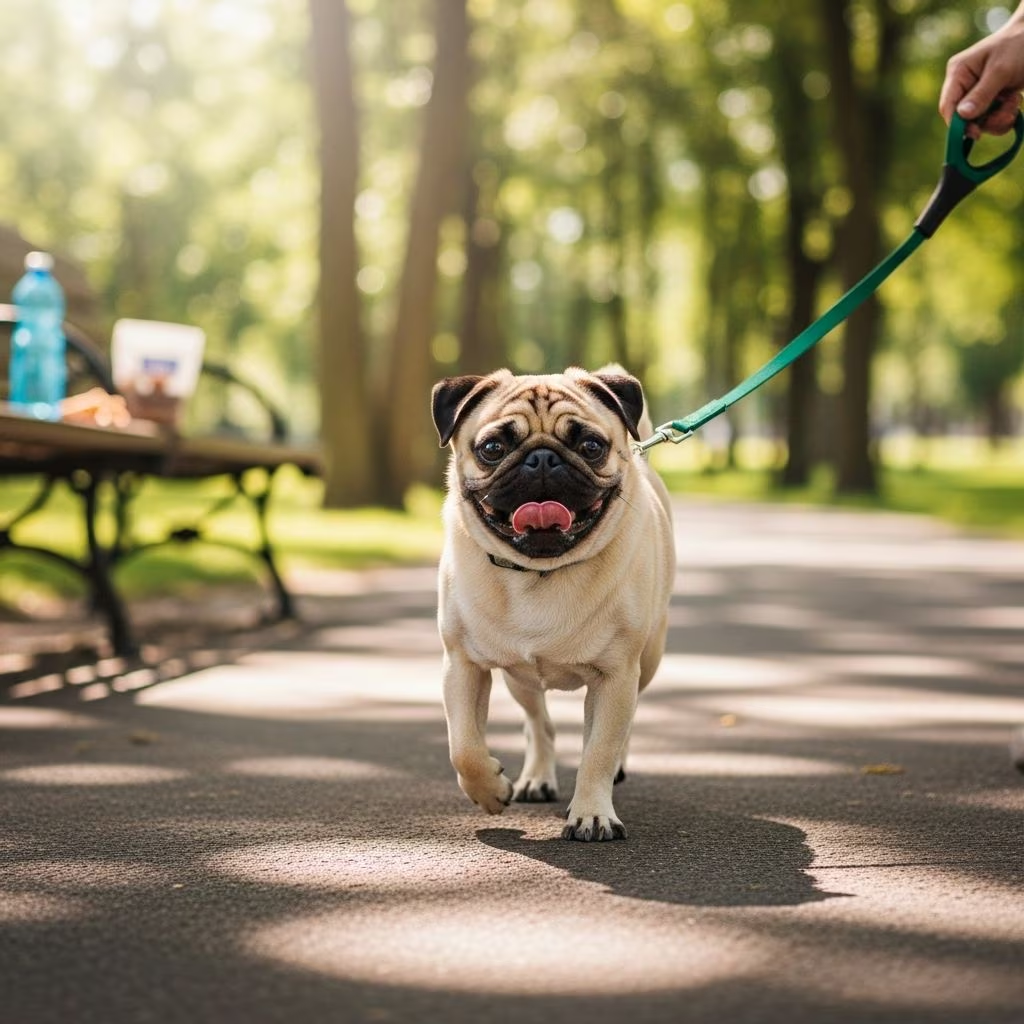
Pugs are charming companions known for their compact size and affectionate nature, but their predisposition to obesity can lead to serious health complications if not addressed. Excess weight in Pugs often stems from their love for food combined with limited mobility due to their brachycephalic structure. Implementing a structured weight loss program can dramatically improve their quality of life, reducing risks like joint problems, respiratory issues, and diabetes. This guide outlines practical, evidence-based approaches to help your Pug reach an ideal body condition through targeted nutrition, physical activity, and professional oversight.
Understanding Obesity Risks in Pugs
Pugs typically weigh between 14 and 18 pounds as adults, yet many exceed this due to overfeeding and sedentary lifestyles. Obesity occurs when caloric intake surpasses expenditure, leading to fat accumulation that strains their short snouts and folded skin. Studies from veterinary sources highlight that overweight dogs face heightened chances of osteoarthritis, heart disease, and heat intolerance. For Pugs, even modest weight gain impairs breathing during exertion, exacerbating their natural challenges. Early detection via body condition scoring—where you feel ribs with slight pressure and see a defined waist—is crucial for intervention.
Assessing Your Pug’s Current Condition
Begin by evaluating your Pug’s body shape. A healthy Pug should have a visible abdominal tuck from the side and an hourglass figure from above. Use a nine-point body condition score system: scores of 4-5 indicate ideal weight, while 6+ signals overweight status. Weigh your dog weekly on a consistent scale and track progress. Consult a veterinarian for bloodwork to rule out underlying conditions like hypothyroidism, which affects metabolism in some breeds. Professional input ensures the weight loss plan aligns with your Pug’s age, spay/neuter status, and activity level.
Revamping Your Pug’s Diet for Weight Reduction
Diet forms the cornerstone of Pug weight management. Transition to a high-fiber, low-fat commercial dog food formulated for weight control, which promotes satiety without excess calories. Key principles include:
- Precise Portioning: Use a kitchen scale to measure meals by weight, not volume, as kibble density varies. Reduce daily intake by 10-20% from maintenance levels initially.
- Meal Frequency: Divide rations into 2-3 smaller meals to stabilize blood sugar and curb begging.
- Ingredient Focus: Prioritize lean proteins like chicken or fish, complex carbs from vegetables, and avoid grains if allergies are suspected.
Aim for gradual calorie cuts: if your Pug needs 400 calories daily for maintenance, start at 320-360 for loss. Reassess every two weeks, adjusting based on weigh-ins. Low-fat wet foods or toppers with inulin can enhance fullness.
Incorporating Exercise into Daily Routines
Pugs aren’t built for marathons, but consistent moderate activity burns fat and preserves muscle. Target 40-60 minutes daily, split into sessions to avoid overheating. Effective options include:
- Brisk morning walks in cool hours, aiming for 20-30 minutes.
- Indoor games like fetch with soft toys or puzzle feeders that require movement.
- Swimming for low-impact cardio, ideal for overweight Pugs who tire quickly on land.
Hide the food bowl around the house to encourage foraging, adding incidental calories burned. Gradually increase intensity as fitness improves—track with a pet fitness app for motivation. Exercise not only aids weight loss but elevates mood via endorphin release.
Eliminating Hidden Calorie Sources
Treats and scraps often sabotage efforts, contributing up to 50% of daily calories in some dogs. Replace high-calorie rewards with veggies like carrots or green beans, which are low-cal and crunchy. Eliminate table food entirely, as human meals pack fats, salts, and sugars toxic or fattening for Pugs. Train alternatives using praise or toys. If family members sneak treats, use locked storage and educate everyone on the plan.
Tools and Techniques to Slow Eating
Pugs gulp food, leading to rapid consumption and quick hunger return. Slow feeders, puzzle bowls, or stuffed Kongs extend mealtimes to 15-20 minutes, mimicking wild eating patterns. These devices boost mental stimulation, reducing boredom eating. Examples:
| Tool Type | Benefits | Suitable for Pugs |
|---|---|---|
| Slow Feeder Bowl | Reduces gulping, aids digestion | Yes, wide design fits snouts |
| Interactive Puzzle Toy | Engages brain, slows intake | Ideal for small mouths |
| Snuffle Mat | Forages hidden kibble | Perfect for indoor play |
These promote healthier habits while making meals fun.
Role of Supplements in Pug Weight Management
Supplements complement, not replace, diet and exercise. Vet-approved options include L-Carnitine for fat metabolism, green tea extract for thermogenesis, and fiber blends for appetite control. Soft chews or liquids are Pug-friendly. For instance, products with leucine and B6 may inhibit fat storage. Always start post-vet clearance to avoid interactions, and monitor for digestive upset. Expect 1-2% weekly loss when combined properly.
Monitoring Progress and Adjusting Plans
Weigh bi-weekly and photograph weekly for visual changes. Target 0.5-1% body weight loss per week to safeguard health—faster drops risk muscle loss or rebound gain. Log food, exercise, and stool quality in a journal. If plateauing, tweak calories down 10% or up activity. Celebrate non-scale victories like better mobility or zest.
Common Challenges and Solutions
Begging persists? Increase fiber or low-cal broth in meals. Resistance to walks? Use harnesses and positive reinforcement. Hot weather limits outdoor time? Opt for climate-controlled gyms or hydrotherapy. Family buy-in lags? Share vet reports on risks. Consistency trumps perfection; small daily wins accumulate.
Long-Term Maintenance for a Lean Pug
Once at goal weight, shift to maintenance calories (add 20-30%) while sustaining habits. Annual vet check-ups track condition. Rotate exercises to prevent boredom and injury. Educate on breed-specific needs, like avoiding overbreeding heat cycles in females.
Frequently Asked Questions
How long does it take a Pug to lose weight safely?
Safe loss is 0.5-1% weekly, so a 20-pound Pug aiming for 16 pounds might take 8-16 weeks. Patience prevents yo-yo effects.
Can I use human diet foods for my Pug?
No, they often contain xylitol or onions, toxic to dogs. Stick to canine-specific products.
What if my Pug refuses new food?
Mix gradually over 7-10 days, adding warm water for appeal. Consult vet for prescription options if needed.
Is swimming good for overweight Pugs?
Yes, it’s joint-friendly and cooling, helping build stamina without respiratory strain.
When should I worry about no progress?
After 4 weeks with no change, revisit vet for metabolic screening or plan tweaks.
References
- Dog Obesity: How to Help Your Dog Lose Weight — GoodRx. 2023-05-15. https://www.goodrx.com/pet-health/dog/dog-obesity
- How to Help a Pug Lose Weight: 11 Vet Approved Tips & Tricks — Dogster. 2024-02-10. https://www.dogster.com/dog-health-care/how-to-help-a-pug-lose-weight
- The Best Food for an Obese Pug — PetCareRx. 2023-08-22. https://www.petcarerx.com/article/the-best-food-for-an-obese-pug/742
- 4 Best Dog Weight Loss Supplements for Pugs — iHeartDogs. 2024-11-05. https://iheartdogs.com/best-dog-weight-loss-supplements-for-pugs/
- 8 Ways to Help Your Pug Stay Fit and Maintain a Healthy Weight — PugBoxes. 2023-12-18. https://pugboxes.com/blogs/pug-life-blog/8-ways-to-help-your-pug-stay-fit-and-maintain-a-healthy-weight



