

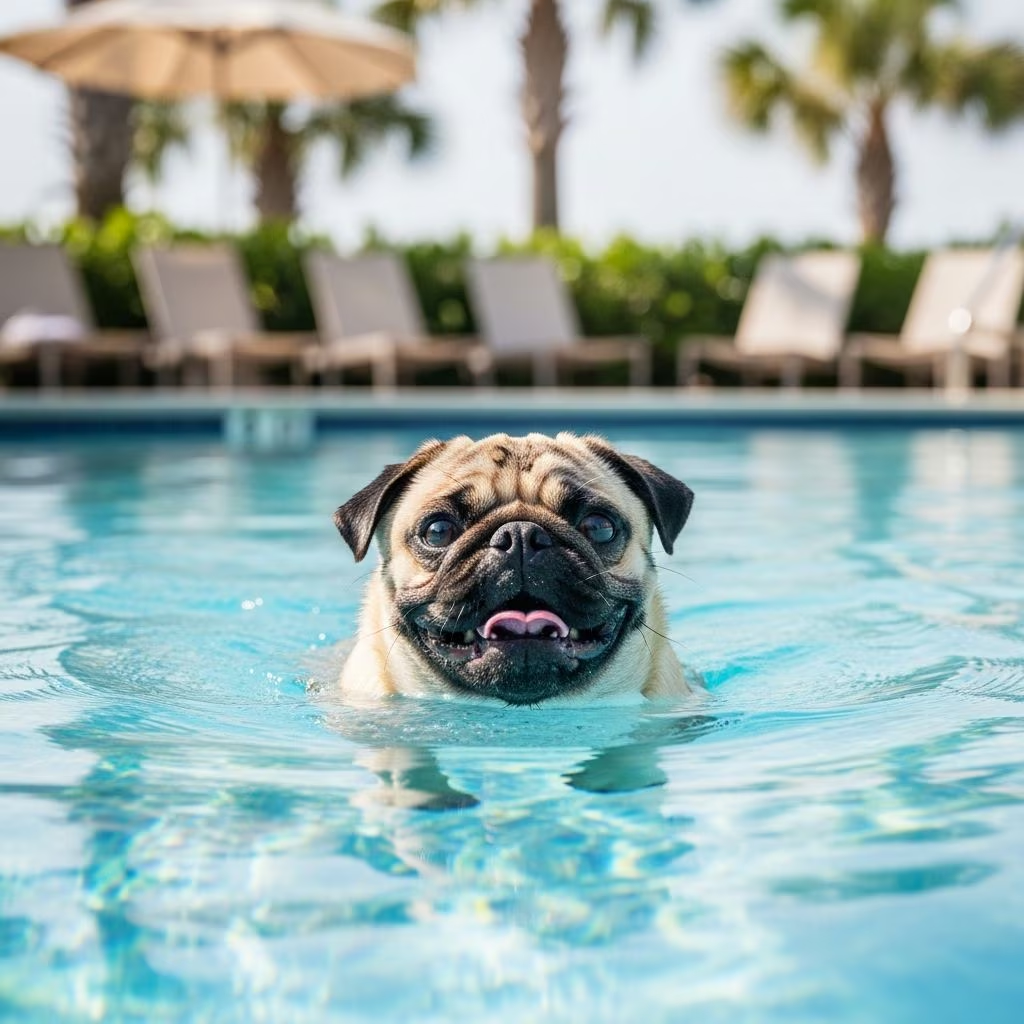
Pugs are beloved companion dogs known for their distinctive flat faces, compact bodies, and affectionate personalities. However, their unique physical characteristics present significant challenges when it comes to water activities. Understanding these limitations and implementing proper safety protocols is essential for any pug owner considering water-based recreation with their pet. This comprehensive guide explores the realities of pug swimming, the health risks involved, and proven strategies to keep your pug safe around water.
Understanding Pug Anatomy and Water Challenges
The physical structure of pugs makes them fundamentally different from breeds developed for water activities like Labrador Retrievers or Portuguese Water Dogs. Pugs belong to a category of dogs known as brachycephalic breeds, characterized by their shortened muzzles and compressed facial structures. While this distinctive appearance contributes to their charm, it creates serious complications for aquatic activities.
Pugs suffer from brachycephalic obstructive airway syndrome (BOAS), a condition that affects their respiratory capacity. This means their breathing is naturally compromised even during regular terrestrial activities. When combined with the physical demands of swimming, this respiratory limitation becomes critical. Water-based exertion places additional stress on their respiratory system, making sustained swimming dangerous and potentially life-threatening.
Beyond respiratory concerns, the pug’s body composition works against efficient swimming. Their short legs, stocky build, and heavy frame create a less-than-ideal physical profile for propelling through water. While all dogs possess natural paddling instincts, pugs simply lack the anatomical advantages necessary to be proficient swimmers.
Critical Health Risks Associated with Water Activities
Before introducing your pug to any water environment, it is crucial to understand the specific health dangers they face. These risks range from immediate drowning hazards to delayed infections and systemic complications.
Aspiration and Respiratory Emergencies
The most pressing concern for pugs in water is aspiration, which occurs when water enters the airway instead of going down the esophagus to the stomach. Veterinarians specifically identify brachycephalic breeds like pugs as being at elevated risk for this life-threatening complication. When aspiration occurs, it constitutes a medical emergency requiring immediate veterinary intervention. The combination of compromised airways and water inhalation can result in aspiration pneumonia, a serious inflammatory condition of the lungs.
Water Ingestion and Bloat Complications
Even when aspiration doesn’t occur, pugs face danger from simply consuming water while swimming. Ingesting excessive amounts of water can trigger bloat, a condition where the stomach becomes dangerously distended with gas. In severe cases, the stomach can twist on itself, requiring emergency surgical intervention. Bloat can be fatal even with prompt treatment, making water consumption during swimming a serious concern regardless of the water source—whether chlorinated, saltwater, or natural.
Infectious Disease Transmission
Natural water sources like lakes and ponds expose pugs to various infectious agents. Leptospirosis and giardiasis are two significant diseases that dogs can contract through contaminated water. Giardiasis causes diarrhea, vomiting, decreased appetite, and weight loss in infected animals. While vaccination can protect against leptospirosis, no preventive measures currently protect dogs from Giardia infection.
Additionally, blue-green algae (cyanobacteria) presents a severe hazard in certain water environments. Even minimal exposure to this algae—as little as a mouthful of contaminated water—can be fatal to dogs. Symptoms of exposure include vomiting, diarrhea, seizures, coma, shock, and breathing difficulties. Even with veterinary treatment, cyanobacteria poisoning often results in death.
Chemical Irritation from Pool Environments
Pugs have inherently sensitive eyes and skin, making them particularly vulnerable to irritation from pool chemicals. Chlorine and other sanitizing agents that humans can tolerate cause discomfort and potential harm to pugs. Extended exposure can result in bloodshot eyes, skin inflammation, and other adverse reactions. Saltwater pools, while sometimes considered a gentler alternative, still pose risks related to water ingestion and the salt content itself.
Creating Safe Water Experiences for Your Pug
Despite these challenges, responsible pug owners can facilitate safe water-based activities by implementing specific precautions and maintaining strict supervision protocols.
Essential Safety Equipment and Setup
Life jackets represent the single most important piece of safety equipment for pugs near water. A properly fitted canine life jacket provides crucial buoyancy, helping your pug remain afloat and significantly reducing drowning risk. When selecting a life jacket, ensure it fits snugly without being restrictive, as poorly fitting jackets can slip off during water activity.
For pool environments, having accessible exit routes is critical. Stairs or ramps that your pug can independently navigate allow them to escape the pool if needed. Many drowning incidents occur when dogs enter water but cannot find their way out, regardless of their swimming ability. Installing a tall fence around pools prevents unsupervised water access.
Environmental Conditions and Timing
Pugs struggle with temperature regulation and are prone to overheating due to their respiratory limitations. Swimming sessions should occur during cooler parts of the day—early morning or late afternoon—rather than during peak heat hours. Seek locations with available shade, which helps prevent dangerous temperature spikes.
Water temperature itself matters significantly. Cold water can contribute to hypothermia, while warm water accelerates overheating in these heat-sensitive dogs. Additionally, environmental hazards like fast-moving currents, ocean riptides, and lightning storms present dangers even beyond a pug’s swimming limitations. During thunderstorms, ice formation, or rough water conditions, keep your pug away from water entirely.
Duration and Activity Monitoring
Water sessions for pugs must be brief. These dogs reach exhaustion quickly, and waiting until they appear tired is a dangerous strategy. Implement regular breaks to allow recovery and rest, even during seemingly short sessions. Most veterinarians recommend pugs spend no longer than a few minutes in water requiring actual swimming.
Continuous monitoring of your pug’s physical condition is essential. Watch for signs of labored breathing, excessive panting, or behavioral changes indicating distress. These warning signs indicate overexertion and mean immediate removal from water is necessary. Keep your pug close at all times—consider attaching a short leash to their life jacket to enable quick retrieval when needed.
Post-Swimming Care Protocols
After any water exposure, thorough rinsing removes potentially irritating chemicals or salt residue. Use fresh, clean water to rinse your pug completely, paying special attention to their face and eyes. If irritation does develop, gently flush affected eyes with clean water using a dropper.
Pugs’ characteristic skin folds require special attention after swimming. These folds are prone to moisture-related infections if not properly dried. Use a soft towel to thoroughly dry all skin folds, removing trapped moisture that could promote bacterial or fungal growth. This post-swimming routine is as important as the water activity itself for preventing complications.
Safer Water Alternatives for Pug Recreation
Rather than traditional swimming, many pug owners find that alternative water activities provide enjoyment without the substantial risks associated with actual swimming. Sprinklers, kiddie pools, and splash pads allow pugs to interact with water in controlled, shallow environments. These alternatives deliver cooling relief and play opportunities while virtually eliminating drowning and aspiration risks.
Beach visits can be enjoyable for pugs, though ocean swimming is strongly discouraged. Pugs can splash in shallow water, dig in sand, and enjoy the environment without entering deep water where swimming becomes necessary. This approach allows water-based activities while maintaining safety.
For pugs who show interest in water but have demonstrated respiratory difficulties or previous complications, consulting with your veterinarian about appropriate activities is essential. Your vet can assess your individual pug’s health status and recommend activities aligned with their specific capabilities and limitations.
Water Quality Considerations
When selecting water environments for your pug, water safety matters as much as activity precautions. Before allowing your pug to enter any natural body of water, verify that it is safe for human recreation. Lakes and ponds in particular may contain hazardous algae or other contaminants.
If using a pool, consider chlorine alternatives that maintain water cleanliness without creating chemical irritation. These alternatives protect your pug’s sensitive eyes and skin while providing safe environments for brief water exposure. Regardless of water source, never allow your pug to drink from pools, lakes, rivers, or ocean water. Bring fresh drinking water from home to prevent gastrointestinal upset and bloat.
Health Management and Preventive Measures
Beyond activity-specific precautions, maintaining your pug’s overall health supports their ability to safely enjoy water experiences. Ensure your pug’s leptospirosis vaccination is current, as this is one of the primary transmission routes for this disease through contaminated water.
Never allow your pug to swim with open wounds or healing surgical incisions. Water introduces bacteria that can compromise wound healing and result in serious infections. Post-surgical incisions are particularly vulnerable, with water exposure potentially causing dehiscence (separation) requiring reparative surgery.
Monitor your pug for signs of distress following any water exposure. Symptoms such as vomiting, lethargy, unusual behavior, or respiratory changes warrant immediate veterinary consultation. Early intervention can prevent minor issues from developing into serious complications.
Frequently Asked Questions About Pug Water Safety
How long can a pug safely swim?
Pugs should not swim for extended periods. Most veterinarians recommend limiting water time to just a few minutes, with shorter durations being safer. Regular breaks are essential, and observation for signs of exhaustion should guide your decisions about activity duration.
Can pugs drown easily?
Yes. Due to their respiratory limitations, compromised swimming ability, and physical structure, pugs are at elevated risk for drowning. This is why constant supervision, life jackets, and accessible exit routes are non-negotiable safety measures.
What water temperatures are safe for pugs?
Moderate temperatures are safest, avoiding both cold water (which causes hypothermia) and warm water (which accelerates overheating). Schedule water activities during cooler parts of the day in shaded locations.
Are splash pads or kiddie pools safer than traditional swimming?
Yes. Shallow water activities in splash pads or kiddie pools eliminate the primary dangers associated with deep water swimming while still providing enjoyable water interaction.
What should I do if my pug ingests pool water?
Occasional small sips of chlorinated water typically cause no harm, but large volumes should be avoided. If your pug shows symptoms like vomiting or lethargy after water ingestion, contact your veterinarian immediately.
Conclusion: Balancing Water Activities with Pug Health
Pugs can technically engage in water activities, but their unique physiology requires careful management and strict safety protocols. By understanding their limitations, implementing proper equipment and supervision, and recognizing warning signs of distress, you can create safe water experiences. However, alternative water activities like splash pads and shallow beach play may better suit most pugs’ capabilities and health profiles. Consult with your veterinarian to develop a water activity plan tailored to your individual pug’s health status, temperament, and needs. With thoughtful planning and diligent supervision, your pug can enjoy water-based fun while remaining safe and healthy.
References
- Pugs and Swimming – How to Teach Your Pug — Petpugdog. Accessed January 30, 2026. https://www.petpugdog.com/pugs-and-swimming
- Dogs in Swimming Pools: 8 Safety Tips — Chewy. Accessed January 30, 2026. https://www.chewy.com/education/dog/health-and-wellness/dog-swimming-pool-safety-tips
- Is Swimming Safe for Puppies? — VCA Animal Hospitals. Accessed January 30, 2026. https://vcahospitals.com/pediatric/puppy/health-wellness/is-swimming-safe-for-dogs
- Can a Pug Swim? Vet-Reviewed Facts & Safety Tips — Dogster. Accessed January 30, 2026. https://www.dogster.com/dog-health-care/can-a-pug-swim
- Can Pugs Swim? — BetterPet. Accessed January 30, 2026. https://www.betterpet.com/learn/can-pugs-swim



