

Pug vs. French Bulldog: Which Breed Is Right for You?
Pugs and French Bulldogs are two of the most beloved small dog breeds, known for their charming personalities and distinctive appearances. While these breeds share some similarities, they possess unique characteristics that set them apart. Whether you’re considering bringing one of these adorable companions into your home, it’s essential to understand their differences in appearance, temperament, health, and care requirements. This comprehensive guide will help you determine which breed aligns best with your lifestyle and preferences.
Key Takeaways
- Pugs originated in China, while French Bulldogs have roots in England and France.
- French Bulldogs are heavier and more muscular; Pugs are smaller with more noticeable facial wrinkles.
- Both breeds are affectionate and good for apartment living, but they differ in energy and independence.
- Grooming needs are similar, but Pugs shed more and require extra attention to their face wrinkles.
- Both breeds face respiratory challenges due to their brachycephalic structure, requiring special care in hot weather.
Appearance and Physical Characteristics
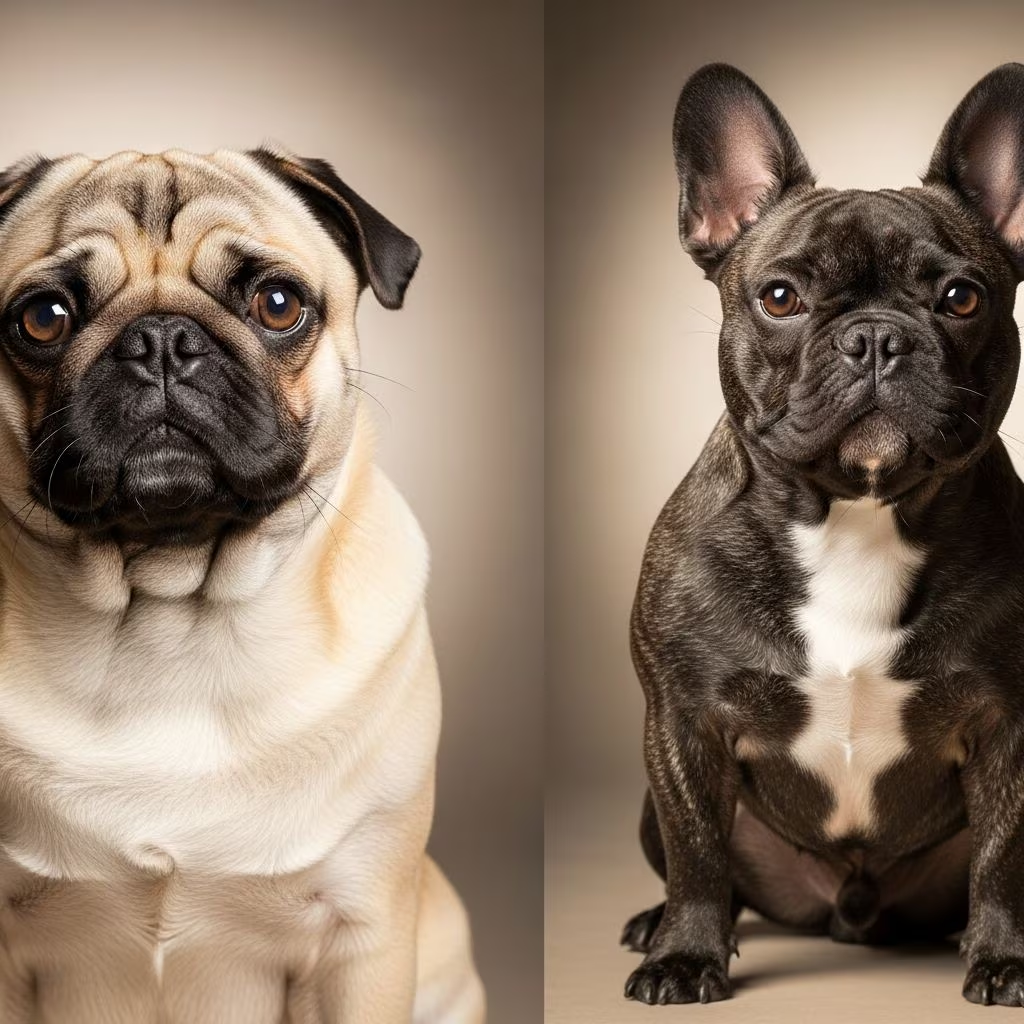
Though both breeds are small, muscular, and brachycephalic (short-snouted), their physical features make them easy to distinguish. Understanding these differences can help you identify which breed appeals to you aesthetically.
Size and Build
Pugs typically weigh 14–18 pounds and stand around 10–13 inches tall. Compared to French Bulldogs, Pugs are slightly smaller and more compact overall, with a distinctly round body shape. French Bulldogs typically weigh 20–28 pounds and are approximately 11–13 inches in height. They are stockier and more muscular than Pugs, with a build that reflects their bulldog ancestry. The weight difference is notable, as French Bulldogs can be several pounds heavier due to their muscular frame, despite being only slightly taller than Pugs.
Head and Face
The head structure provides one of the most distinctive differences between these breeds. Pugs have a round head with deep wrinkles and large, bulging eyes. Their facial wrinkles were originally prized by Chinese breeders because they resembled good luck symbols in their language. French Bulldogs have a more square-shaped head with a structure that reflects their miniature bulldog heritage. Their eyes are set slightly wider apart and don’t bulge as much as a Pug’s, and their face isn’t as wrinkly as a Pug’s. Both breeds have short snouts, but the overall facial structure differs significantly.
Ears
The ears represent perhaps the most recognizable distinguishing feature between these two breeds. Pugs have triangular ears that fold over, with a soft, velvety texture. French Bulldogs are known for their distinctive bat-like ears that stand erect. These signature ears were specifically bred in by early French breeders and are considered a point of pride for the breed. Interestingly, even French Bulldog puppies have noticeably large ears compared to other puppies.
Tail
Tail characteristics also differ between the breeds. A Pug’s tail is curled tightly over their back, forming a distinctive feature of the breed. French Bulldogs have a short tail that can be straight or slightly twisted, but it never curls. This difference in tail carriage contributes to the overall posture and silhouette of each breed.
Coat and Color
Both breeds have short, fine coats, but their shedding patterns differ. Pugs have a short, smooth coat that sheds year-round. French Bulldogs also have a short, fine coat, but they tend to shed less than Pugs. When it comes to color, Pugs predominantly come in cream or black with limited color variation. French Bulldogs, however, come in a large variety of colors, including both plain colors and mottled patterns.
Temperament and Personality
Understanding the personality traits of each breed is crucial when deciding which dog will fit best into your household and lifestyle.
Pug Personality
Pugs are known for their cheerful, clownish behavior and tend to be very food-motivated, which can sometimes make them a little lazy if not exercised regularly. They are generally very gentle, adaptable, and get along well with children, other dogs, and even cats. However, they can develop separation anxiety if left alone for long periods. Pugs are more relaxed and food-driven compared to French Bulldogs, making them excellent companions for families seeking a laid-back pet.
French Bulldog Personality
French Bulldogs are slightly more playful and alert than Pugs, displaying higher energy levels throughout the day. Both breeds are affectionate and good for apartment living, thriving on human interaction and attention. French Bulldogs are sociable and make excellent lapdogs and therapy dogs. They maintain their playful nature well into adulthood and tend to engage more actively with their environment than their Pug counterparts.
Health Considerations
Both breeds face specific health challenges that potential owners should be aware of before making a decision.
Common Health Issues
As both breeds have brachycephalic face structures, they are more prone to respiratory illnesses and other complications. Both breeds can overheat in hot weather due to their shortened muzzles and should never be left in warm environments without proper ventilation and hydration. Pugs are more prone to obesity and generally have more health problems compared to French Bulldogs, although they live longer. The bulgy eyes of Pugs are a common source of health issues, making regular eye care essential.
French Bulldogs can suffer from skin fold dermatitis due to their wrinkles and may be more susceptible to ear infections from their narrow canals, as well as back problems. Like other bulldog dog breeds, they can suffer from hip dysplasia. Pugs, meanwhile, are more prone to eye problems due to their prominent, bulging eyes.
Lifespan
The average life expectancy of a Pug is 12–15 years, while the average life expectancy of a French Bulldog is 10–12 years. This means Pugs typically live slightly longer than French Bulldogs, though both breeds can provide many years of companionship with proper care.
Training and Intelligence
Training requirements and learning capacity differ between the two breeds. French Bulldogs are more intelligent and alert, scoring higher in trainability assessments. However, they are also more stubborn and may require more patience during training sessions. Pugs respond well to consistent, treat-based training, leveraging their natural food motivation to encourage learning. Both breeds benefit from positive reinforcement techniques and early socialization.
Grooming and Maintenance
While grooming needs are similar between the two breeds, specific attention areas differ.
Both Pugs and French Bulldogs have short coats that are relatively easy to maintain. However, Pugs shed more year-round and require extra attention to their facial wrinkles, which should be cleaned regularly to prevent moisture buildup and skin infections. French Bulldogs require attention to their ear canals due to their standing ears, which can be more prone to infections. Both breeds benefit from regular nail trimming, dental care, and occasional baths. During hot weather months, both breeds require extra monitoring to prevent overheating.
Breed Origins and History
Understanding the origins of each breed provides insight into their inherent characteristics and traits.
Pugs originated in China, where they were bred as companion dogs for Chinese emperors and valued members of the royal court. The breed’s distinct wrinkles and facial features were deliberately selected by breeders. French Bulldogs have roots in England and France, descending from English Bulldogs that were bred smaller for companionship. Early French breeders specifically cultivated the breed’s signature bat-like ears, making them a defining characteristic of the French Bulldog breed.
Comparison Table
| Characteristic | Pug | French Bulldog |
|---|---|---|
| Weight | 14–18 lbs | 20–28 lbs |
| Height | 10–13 inches | 11–13 inches |
| Life Expectancy | 12–15 years | 10–12 years |
| Shedding | High (year-round) | Low to moderate |
| Energy Level | Low to moderate | Moderate to high |
| Ears | Floppy, folded | Erect, bat-like |
| Tail | Tightly curled | Straight or slightly twisted |
| Color Variety | Cream or black | Multiple colors |
| Head Shape | Round | Square |
| Primary Health Concerns | Eye issues, obesity, respiratory | Ear infections, skin fold dermatitis, back problems |
Which Breed Is Right for You?
Choosing between a Pug and a French Bulldog depends on your lifestyle, preferences, and living situation.
Choose a Pug If:
- You prefer a more relaxed, laid-back companion
- You’re looking for a longer-living breed
- You appreciate a dog that responds well to food-based training methods
- You want a breed with less color variety but distinctive wrinkled features
- You enjoy a more independent dog that doesn’t require constant engagement
Choose a French Bulldog If:
- You prefer a more playful and alert companion
- You want a dog with distinctive bat-like ears
- You appreciate variety in coat colors
- You’re looking for a dog that requires less intensive grooming due to minimal shedding
- You want a more muscular, athletic-looking small dog
- You prefer a breed that sheds less
Apartment Living and Family Suitability
Both Pugs and French Bulldogs are excellent choices for apartment living. Both breeds are small and don’t require extensive outdoor space. They thrive on human interaction and make excellent pets for families, singles, and seniors alike. Their friendly personalities and love for attention make them excellent lapdogs. However, Pugs may be better suited for families with young children due to their gentler, more adaptable nature, while French Bulldogs’ slightly higher energy levels may appeal to more active individuals.
Frequently Asked Questions (FAQs)
Q: Which breed is better for first-time dog owners?
A: Both breeds can be suitable for first-time owners. Pugs are generally easier due to their food motivation and adaptable nature, while French Bulldogs may require more patience with training due to their stubborn streak.
Q: Do Pugs and French Bulldogs get along with other pets?
A: Yes, both breeds typically get along well with other dogs and cats when properly socialized from an early age. Their social, friendly nature makes them good multi-pet household candidates.
Q: How much exercise do these breeds need?
A: Both breeds need moderate daily exercise. French Bulldogs may need slightly more activity due to their higher energy levels, but both should avoid strenuous exercise in hot weather due to their brachycephalic structure.
Q: Are these breeds suitable for hot climates?
A: Both breeds struggle in hot climates due to their short muzzles and difficulty regulating temperature. They require air conditioning, limited outdoor time during heat, and constant access to fresh water.
Q: Which breed is more expensive to maintain?
A: Both breeds have similar moderate maintenance costs. However, Pugs may require more veterinary care due to their higher susceptibility to health issues, while French Bulldogs may have higher ear and skin care expenses.
Q: Can these breeds be left alone for extended periods?
A: Neither breed handles extended alone time well. Pugs are particularly prone to separation anxiety. Both breeds thrive on human companionship and shouldn’t be left alone for more than a few hours regularly.
Q: What are the grooming differences between these breeds?
A: While both have short coats, Pugs shed more and require regular facial wrinkle cleaning. French Bulldogs shed less but may need regular ear cleaning and attention due to their erect ear structure.
References
- Pug vs. French Bulldog: Which One Should I Choose? — Tom Kings Kennel. 2024. https://tomkingskennel.com/pug-vs-french-bulldog/
- Pug vs. French Bulldog: Which Breed Is Right for You? — Chewy. 2024. https://www.chewy.com/education/dog/feed-and-nutrition/pug-vs-french-bulldog-which-breed-is-right-for-you
- What’s The Difference Between A Pug And A French Bulldog? — Rover. 2024. https://www.rover.com/uk/blog/pug-vs-french-bulldog-whats-the-difference/
- Pug vs French Bulldog — Spark Paws. 2024. https://www.sparkpaws.fr/blogs/community/pug-vs-french-bulldog
- French Bulldog vs Pug – Which pup is right for your pack? — Shameless Pets. 2024. https://shamelesspets.com/blogs/the-shameless-digest/pug-vs-french-bulldog



