

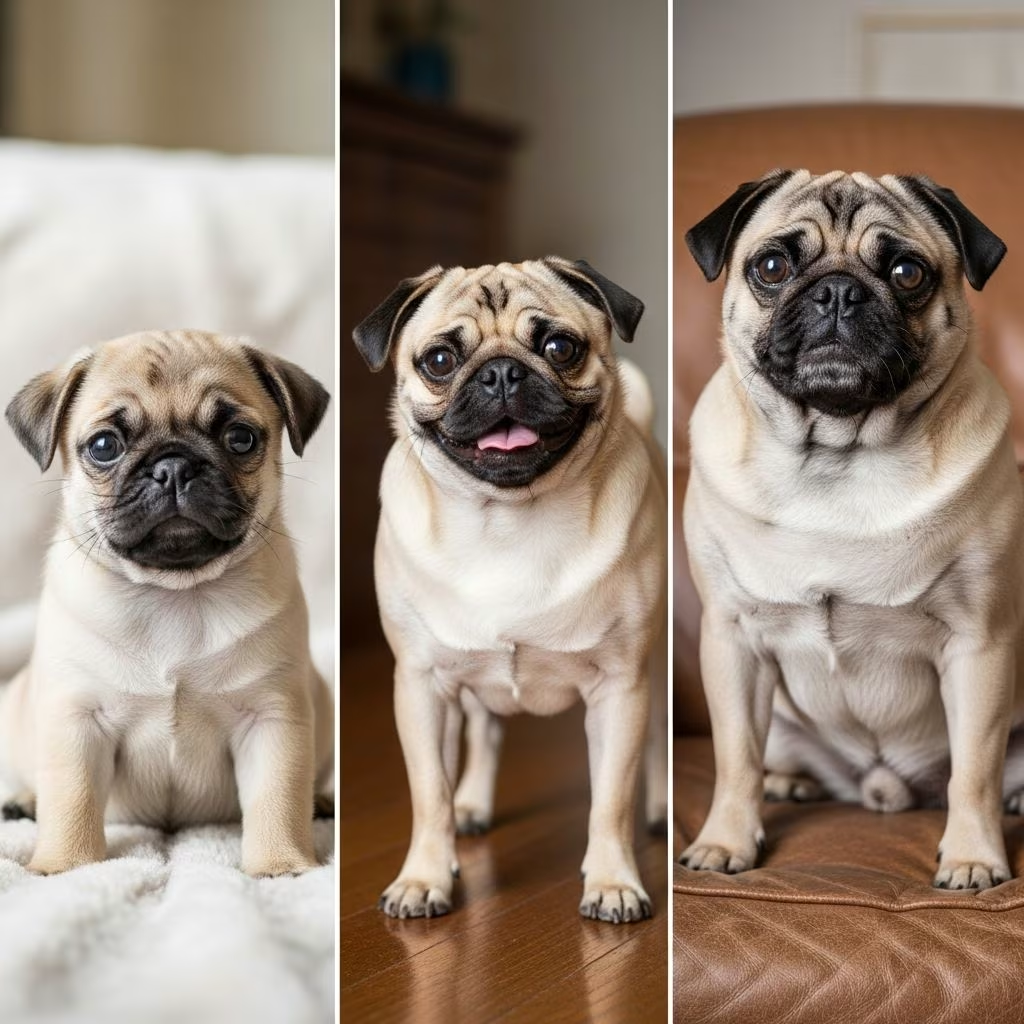
Pugs are beloved small companion dogs known for their compact builds and sturdy frames. Adult Pugs typically stand 10 to 13 inches tall at the shoulder and weigh 14 to 18 pounds, according to official breed standards. These dimensions make them ideal for apartment living while maintaining a muscular, square-proportioned body. Understanding their growth trajectory helps owners monitor health, prevent obesity, and ensure proper nutrition throughout life stages.
Understanding Pug Growth Phases
Pugs, as a toy breed, mature faster than larger dogs, reaching near-adult size by 9 to 12 months. Growth begins explosively in puppyhood, slows around 6 to 9 months, and stabilizes by one year, with minor muscle filling out possible until 18 months. Key phases include neonatal rapid weight gain, juvenile development, adolescence, and adulthood. Factors like genetics, diet, exercise, and spay/neuter timing influence final size. Males and females grow similarly, with no major gender differences in height or weight.
Newborn Pugs weigh 4 to 6 ounces and triple in size within weeks, sleeping nearly around the clock. By weaning at 8 weeks, they reach 2 to 4 pounds. Steady gains continue monthly until mid-year, when metabolism shifts and overfeeding risks emerge.
Detailed Pug Weight and Height Progression
Tracking weight and height provides benchmarks for normal development. Measure height from the ground to the withers (top of shoulders) on a flat surface. Use a baby scale or vet visits for accuracy. Variations of 1-2 pounds are common due to individual genetics.
| Age | Average Weight (lbs) | Average Height (inches) | Notes |
|---|---|---|---|
| Birth | 0.25-0.4 | 2-3 | Rapid doubling/tripling in first weeks |
| 1 Month | 1-2 | 4-6 | Opening eyes, early socialization |
| 2 Months (8 weeks) | 2-4 | 6-8 | Typical adoption age |
| 3 Months | 4-7 | 7-9 | Teething begins |
| 4 Months | 5-9 | 8-10 | Energy peaks |
| 5 Months | 7-10 | 9-11 | Half adult weight |
| 6 Months | 7-12 | 10-12 | Near full height |
| 7-8 Months | 9-14 | 10-13 | Growth slows |
| 9-12 Months | 14-18 | 10-13 | Adult size achieved |
| Adult (1+ years) | 14-18 | 10-13 | AKC standard; up to 20 lbs possible |
This synthesized chart draws from multiple breed resources, showing consensus on rapid early growth and stabilization by year one. Pugs over 20 pounds may indicate overweight status, raising health risks.
Factors Shaping Pug Size and Proportions
Genetics from sire and dam primarily dictate potential size, but environment plays a role. Quality puppy food with balanced puppy formulas supports bone and muscle development without excess calories. Overnutrition leads to rapid weight gain and joint stress, while underfeeding stunts growth.
- Diet: Feed age-appropriate kibble; transition to adult food at 12 months. Portion control prevents obesity—adults need 2-3 meals daily totaling 400-600 calories.
- Exercise: Daily walks and play build muscle without overexertion, especially in brachycephalic Pugs prone to breathing issues.
- Health Interventions: Spaying/neutering before 6 months may slightly increase weight; consult vets for timing.
- Paw Size Indicator: Oversized paws relative to legs signal ongoing growth.
Environmental stressors like poor breeding can result in runts or oversized pups. Reputable breeders provide growth histories.
Recognizing Healthy vs. Unhealthy Growth
A healthy Pug appears square and muscular, not leggy or pot-bellied. Body condition score (BCS) of 4-5/9 is ideal: ribs palpable without visibility, waist visible from above. Weekly weigh-ins track progress; consult vets if puppy falls below 5th percentile or exceeds 95th.
Red flags include:
- Stunted growth under 10 inches or 12 pounds by adulthood.
- Sudden plateaus or surges post-6 months.
- Lethargy, limping, or disproportionate limbs signaling skeletal issues.
Regular vet checkups, including radiographs if needed, rule out hypothyroidism or growth hormone deficiencies.
Nutrition Strategies by Life Stage
Puppyhood demands high-protein diets (28-30%) for development. Adults shift to maintenance formulas (22-25% protein). Seniors (7+ years) benefit from joint-support additives like glucosamine.
| Life Stage | Daily Cups (Dry Kibble) | Meals per Day | Calorie Estimate |
|---|---|---|---|
| Puppy (to 12 mo) | ¾ – 1 | 3-4 | 400-600 |
| Adult (1-7 yrs) | ½ – ¾ | 2 | 350-500 |
| Senior (8+ yrs) | ⅓ – ½ | 2 | 300-400 |
Adjust for activity; treats under 10% total calories. Wet food mixes aid hydration in heat-sensitive Pugs.
Adult Pug Maintenance and Weight Management
Post-12 months, focus shifts to stability. Pugs gain easily due to low activity needs and efficient metabolism. Ideal adult weight stays 14-18 pounds; exceeding 22 pounds qualifies as obese, per AKC extensions. Weekly exercise (20-30 min walks) and puzzle toys prevent boredom eating.
Seniors slow further, requiring senior diets lower in calories but rich in antioxidants. Annual bloodwork monitors thyroid function, a common Pug issue affecting weight.
Common Myths About Pug Size
Myth: All Pugs weigh under 15 pounds. Reality: Healthy range spans 14-20+; breed standard allows flexibility.
Myth: Females stay smaller. Reality: No significant dimorphism.
Myth: Growth stops exactly at 9 months. Reality: Full skeletal maturity by 9-12 months, muscle until 18.
FAQs
How can I predict my Pug puppy’s adult size?
Compare current weight to charts; by 6 months, they’re 70-80% of adult size. Breeder parent weights offer clues.
Is my 6-month Pug overweight at 13 pounds?
Borderline high; upper range is 12 pounds. Vet assessment via BCS recommended.
When should I switch to adult food?
Around 12 months, or when growth plateaus.
Do Pugs shrink with age?
No, but muscle loss in seniors can reduce weight; maintain via diet/exercise.
What’s the tallest a Pug can be?
AKC caps at 13 inches; taller may indicate mix.
References
- Pug Dog Age | Growth Chart | Puppy and Adult — Pet Pug Dog. Accessed 2026. https://www.petpugdog.com/pug-dog-age-growth
- Pug Growth & Weight Chart: Everything You Need To Know — Pawlicy Advisor. Accessed 2026. https://www.pawlicy.com/blog/pug-growth-and-weight/
- How Big Does a Pug Get (With Weight & Growth Chart) — Dogster. Accessed 2026. https://www.dogster.com/dog-health-care/how-big-does-a-pug-get-size-weight-growth-chart
- Pug Dog Breed Information — American Kennel Club (AKC). Accessed 2026. https://www.akc.org/dog-breeds/pug/



