

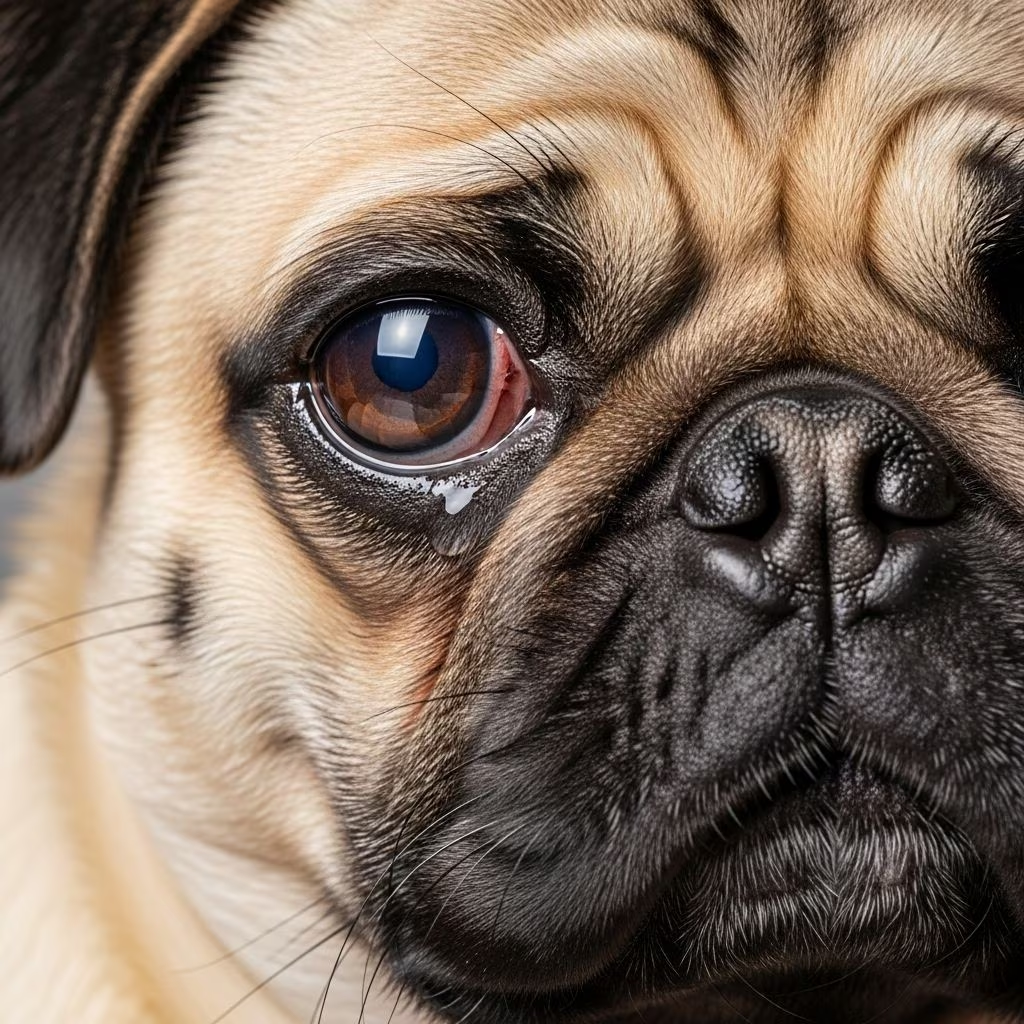
Pugs, adored for their compact builds and expressive faces, confront significant eye health hurdles due to their brachycephalic structure. This flat-faced conformation positions their large, bulging eyes in shallow sockets, elevating the chances of **eye prolapse**, or proptosis, where the eyeball shifts from its socket. Such incidents demand swift action to avert permanent harm.
Decoding Pug Eye Anatomy
Grasping canine eye makeup clarifies pug vulnerabilities. A dog’s eye features a sturdy **sclera** as the outer shell, a transparent **cornea** upfront for light entry, the pigmented **iris** regulating light via the **pupil**, a flexible **lens** directing light to the **retina**, and the **optic nerve** relaying visuals to the brain. Eyelids—upper, lower, and a protective **nictitating membrane** (third eyelid)—shield and lubricate the surface. Tear glands, including lacrimal and Meibomian types, sustain moisture.
In pugs, the orbital cavity proves shallower than in longer-muzzled breeds. This confines globe retention, especially amid trauma or pressure. The prominent positioning heightens corneal exposure, amplifying prolapse triggers.
Why Pugs Experience Eye Prolapse
**Proptosis** arises when orbital ligaments falter, propelling the eye outward. Pugs’ genetic blueprint fosters this through:
- Shallow sockets: Limited depth fails to anchor the globe firmly.
- Exophthalmos: Naturally forward-bulging eyes from brachycephaly strain retaining structures.
- Weak connective tissues: Breed traits weaken orbital support.
Statistics reveal pugs among high-risk groups for eye anomalies, with structural defects noted in 12 per 1,000 vet visits. Conjunctivitis and dry eye (KCS) strike 19 per 1,000, often preceding prolapse by inflaming tissues.
Spotting Prolapse Warning Signals
Immediate recognition proves crucial. Watch for:
- Eye fully or partially extruded from socket.
- Intense redness, swelling around the eye.
- Obvious discomfort: squinting, pawing, head tilting.
- Visible third eyelid protrusion.
- Discharge, cloudiness on cornea.
These align with broader pug eye woes like entropion (lid rolling inward) or distichiasis (extra lashes irritating cornea), heightening prolapse odds.
| Symptom | Severity Level | Action Needed |
|---|---|---|
| Partial protrusion | Moderate | Vet exam within hours |
| Full proptosis + trauma | Critical | Emergency care now |
| Accompanying discharge | High | Anti-inflammatory meds |
Immediate Steps for Eye Prolapse
Never delay. Transport to a vet pronto:
- Gently cover: Use a cool, damp cloth; avoid pressing back in.
- Prevent licking: Cone collar essential.
- Lubricate: Vet-approved drops keep moist en route.
- Minimize stress: Calm handling curbs further displacement.
Self-repositioning risks corneal tears or blindness; professionals use sedation for safe replacement.
Veterinary Interventions Explained
Treatment hinges on prolapse extent and duration:
- Early cases: Manual repositioning under anesthesia, followed by anti-inflammatories, antibiotics.
- Prolonged exposure: Surgery to anchor globe or tarsorrhaphy (temporary lid stitching).
- Corneal damage: Debridement, grafts, or prosthetics if vision lost.
Success rates soar with prompt care—up to 90% vision retention if addressed within hours. Recurrence prompts surgical socket deepening or canthoplasty.
Preventing Prolapse in Daily Pug Care
Proactive measures slash risks:
- Routine checks: Daily eye inspections for irritation.
- Cleanliness: Gentle wiping with saline clears debris.
- Protection: Goggles during rough play or outdoors.
- Diet & weight: Lean body reduces orbital pressure.
Annual vet eye exams catch predispositions early.
Common Companion Eye Conditions in Pugs
Beyond prolapse:
- Conjunctivitis: Inflamed membranes from poor tear drainage; 19/1,000 incidence.
- Dry Eye (KCS): Insufficient tears erode cornea; same prevalence.
- Entropion/Distichiasis: Eyelid/ lash issues scrape surface; 12/1,000.
Addressing these fortifies overall resilience.
Long-Term Management Strategies
Post-incident, lifelong vigilance includes prescription lubricants, monitoring for glaucoma (pressure buildup), and breed-selective breeding to lessen conformational extremes. Owners report improved quality of life via diligent routines.
Frequently Asked Questions
Can pug eyes pop out spontaneously?
Typically trauma-induced, but sneezing, head shaking, or collar pulls in brachycephalics can trigger.
What if I can’t afford emergency surgery?
Seek 24/7 clinics; some offer payment plans. Delay risks enucleation (eye removal).
Are all pugs equally prone?
Yes, due to breed standard; fawn or black coats show no variance.
How to choose pug breeders wisely?
Prioritize health-tested lines for sounder skulls, fewer extremes.
Does age factor in risks?
Puppies vulnerable during play; seniors via weakened tissues.
Enhancing Pug Vision Lifespan
Pugs thrive sight-intact with owner awareness. Their zest rewards commitment—prompt interventions preserve those soulful gazes. Consult vets for tailored plans.
References
- Dogs Eye Anatomy: Everything You Need To Know About Them — Zigzag.dog. 2023. https://zigzag.dog/en-us/blog/puppy-health/new-puppy-health/dog-eye-anatomy/
- Eye Structure and Function in Dogs — Merck Veterinary Manual. 2025-01-15. https://www.merckvetmanual.com/dog-owners/eye-disorders-of-dogs/eye-structure-and-function-in-dogs
- Conjunctiva & Nictitans — VetOphtho.Org. 2024. https://vetophtho.org/conjunctiva/conjunctiva.html
- How Common Are Eye Problems in Pugs? Top 5 Conditions Explained — Lancaster Puppies. 2024-06-10. https://www.lancasterpuppies.com/pet-advice/how-common-are-eye-problems-in-pugs-top-5-conditions-explained.html
- How Common Are Eye Problems in Pugs and What Are the Most Common Pug Eye Conditions? — Pets4Homes. 2024. https://www.pets4homes.co.uk/pet-advice/how-common-are-eye-problems-in-pugs-and-what-are-the-most-common-pug-eye-conditions.html



