

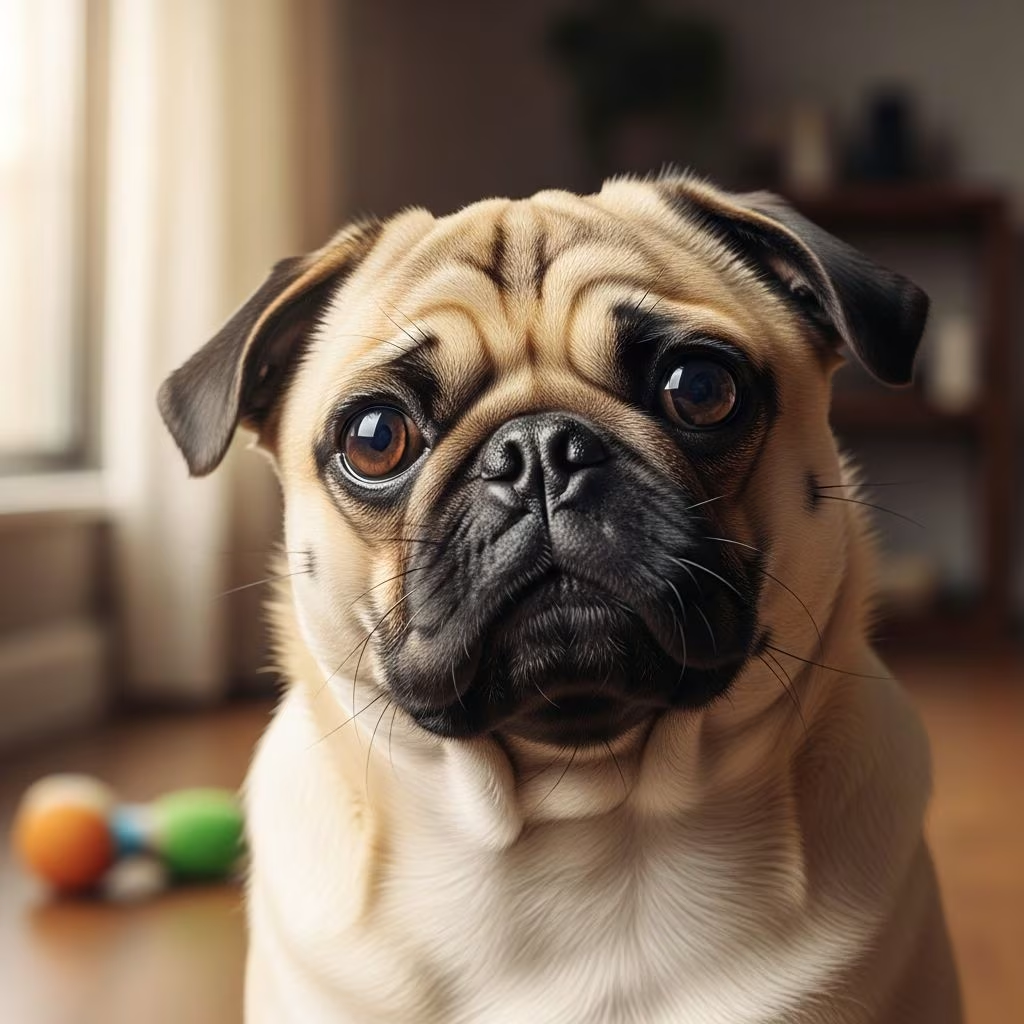
The Pug represents one of the most recognizable and beloved companion dog breeds in the modern world. Characterized by their distinctive wrinkled faces, compact frames, and charming personalities, Pugs have captivated dog lovers for centuries. Their journey from ancient Chinese palaces to contemporary households reflects their remarkable adaptability and enduring appeal as family companions. This comprehensive guide explores the Pug breed’s rich heritage, physical characteristics, behavioral traits, and essential care requirements to help potential and current owners understand what makes these small dogs such treasured pets.
The Ancient Legacy of Pug Dogs
Pugs possess one of the most storied histories among dog breeds, with origins tracing back approximately 2,000 years to ancient China. These diminutive companions were never intended as working dogs for hunting, herding, or protection duties. Instead, they were meticulously bred to serve as devoted companions to Chinese emperors and nobility, residing in luxurious imperial settings where they received treatment befitting royalty. Archaeological evidence and historical records indicate that Pugs were treasured members of the ‘lo-sze’ group of short-muzzled breeds that held significant cultural importance in Chinese society.
During the Song Dynasty, spanning from 960 to 1279 CE, Pug breeding reached its zenith as Chinese breeders refined their distinctive physical characteristics with remarkable precision. These palace dogs were so highly valued that they received dedicated guards and servants to ensure their comfort and well-being. According to historical accounts, Pugs were sometimes entrusted with carrying secret messages within palace walls, demonstrating the trust emperors placed in their diminutive confidants.
The breed’s transition from Asia to Europe occurred during the sixteenth century, facilitated primarily by the Dutch East India Company’s extensive trading operations. Dutch merchants trading with China recognized the appeal of these unusual dogs and brought them back to the Netherlands, where they immediately captured the attention of aristocratic households. The breed’s popularity in Western Europe was significantly enhanced when Prince William of Orange’s Pug, named Pompey, reportedly saved the prince’s life by alerting him to approaching assassins, cementing the breed’s association with noble families and royal courts.
Throughout the eighteenth and nineteenth centuries, Pug ownership became a status symbol among European nobility. Queen Victoria of England developed a passionate fondness for the breed, and her endorsement elevated Pug status among the British aristocracy and beyond. This royal patronage ensured the breed’s continued popularity and influenced breeding practices that would shape modern Pugs.
Physical Characteristics and Appearance
Modern Pugs display distinctive physical features that set them apart from virtually all other dog breeds. Their most recognizable trait is their wrinkled, short-muzzled face, which has become synonymous with the breed’s identity. The breed’s Latin motto, “multum in parvo,” meaning “a lot in a little,” perfectly captures the Pug’s surprisingly substantial personality contained within their compact physical frame.
Pugs possess a square, cobby body structure with a deep chest and well-developed, thick musculature despite their small stature. Their smooth, glossy coat typically appears in fawn (light brown) or black coloring, with clearly defined markings and often featuring a distinctive black mask on the face. Many Pugs display a characteristic black line extending from the back of the skull to their tightly curled tail, which normally curves over the hip. Most Pugs weigh between 14 and 18 pounds and stand approximately 10 to 13 inches tall, making them ideal for apartment living and easy to transport.
It is important to note that the Pug’s appearance has evolved significantly over the centuries. Historical artwork from the sixteenth and seventeenth centuries depicts Pugs with longer legs, more prominent snouts, and less exaggerated facial features than contemporary breed standards. Original Pugs possessed finer wrinkle patterns and more balanced proportions. The modern Pug’s current appearance underwent substantial transformation following 1860, when British and French troops seized dogs from Beijing’s Old Summer Palace during the Second Opium War, introducing dogs with shorter legs and flatter muzzles that influenced subsequent breeding practices.
Temperament and Behavioral Characteristics
The Pug’s temperament reflects its centuries-long role as a companion animal rather than a working dog. The American Kennel Club officially describes the breed’s personality as “even-tempered and charming,” characteristics that remain consistent across well-bred individuals. Pugs are inherently sociable dogs that thrive on human companionship and demonstrate remarkable adaptability to various living situations, from apartment complexes to family homes.
These dogs possess an innate desire to please their owners and exhibit genuine affection toward family members. Their small size and gentle nature make them suitable companions for children, though supervision is recommended to prevent accidental injury to the dog. Pugs generally coexist peacefully with other pets and display minimal aggression toward humans or animals. Their friendly disposition, combined with their modest exercise requirements, has contributed significantly to their popularity across diverse demographic groups.
The breed’s playful and humorous nature provides entertainment and emotional support to their owners. Many Pug owners describe their dogs’ personalities as surprisingly expressive, with animated facial expressions and distinctive vocalizations that communicate their emotional states. Despite their small size, Pugs possess confidence and personality that seems disproportionate to their physical dimensions.
Exercise and Activity Requirements
Pugs require moderate, carefully managed exercise appropriate to their physical structure and breathing limitations. Daily walks of 15 to 30 minutes provide adequate physical activity and mental stimulation for most adult Pugs. These dogs possess a natural inclination toward moderate activity levels and do not require extensive running or high-impact exercise that might stress their respiratory and skeletal systems.
Because Pugs can overheat easily, exercise should be scheduled during cooler portions of the day, particularly during warm weather. Access to fresh water and shaded rest areas is essential during physical activity. Interactive play sessions, puzzle toys, and indoor games provide mental enrichment that prevents boredom and behavioral issues without demanding excessive physical exertion.
Pugs’ minimal exercise requirements make them exceptionally suited for apartment living and households with limited outdoor space. However, regular activity remains important for maintaining healthy weight and preventing obesity-related complications, which disproportionately affect the breed.
Grooming and Coat Maintenance
The Pug’s smooth, short coat requires regular grooming to maintain skin health and minimize shedding. Brushing two to three times per week with a soft-bristled brush or rubber grooming mitt removes loose hair and distributes natural skin oils throughout the coat. Many owners find that regular grooming sessions significantly reduce the amount of loose hair that accumulates in their homes.
Facial wrinkle care deserves particular attention in Pug grooming routines. The deep facial folds require weekly cleaning with damp cotton or specialized wipes to prevent moisture accumulation, bacterial growth, and skin infections. Owners should ensure these areas dry completely after cleaning to maintain optimal skin health. Nail trimming every three to four weeks prevents overgrowth, and regular ear cleaning helps prevent infections common in breeds with floppy ears.
Dental care represents another crucial grooming component for Pugs. Regular tooth brushing and professional dental cleanings help prevent periodontal disease and tooth loss. Many Pugs benefit from annual dental examinations to identify and address dental issues before they become serious problems.
Nutritional Needs and Feeding Guidelines
Pugs require high-quality dog food formulated to support their specific nutritional needs. Their tendency toward obesity necessitates careful portion control and mindful treat distribution. Most adult Pugs thrive on approximately one-half to one cup of high-quality dry dog food daily, divided into two meals. Individual requirements vary based on age, activity level, metabolism, and overall health status.
Obesity represents a significant health concern for the breed, as excess weight exacerbates respiratory difficulties and joint problems. Owners should establish consistent feeding schedules and resist the temptation to provide excessive treats or table scraps. Consultation with a veterinarian can help establish appropriate portion sizes and dietary plans tailored to individual dogs’ requirements.
Pugs may benefit from foods containing omega fatty acids to support skin and coat health, particularly given their susceptibility to skin conditions. Specialized senior dog foods formulated for small breeds may become appropriate as Pugs age. Any dietary changes should be implemented gradually to prevent digestive upset.
Common Health Considerations
The Pug breed faces several health challenges directly related to their distinctive physical characteristics. Understanding these potential issues enables owners to provide proactive care and early intervention when problems arise.
Respiratory Complications
Pugs’ characteristically flat muzzles predispose them to brachycephalic airway syndrome, a condition causing breathing difficulties due to anatomical restrictions in the nasal passages and throat. This health challenge emerged as a consequence of selective breeding practices that prioritized aesthetic features such as flatter faces and deeper facial wrinkles over respiratory function. Affected dogs may experience snoring, labored breathing during exercise, and reduced exercise tolerance.
Joint and Structural Issues
Hip dysplasia and patellar luxation represent common orthopedic concerns in Pugs. Their compact frames and specific body proportions can predispose them to joint problems that may become symptomatic during middle age or later in life. Maintaining appropriate weight and providing supportive exercise helps mitigate these conditions.
Eye Health Concerns
Pugs’ prominent, forward-facing eyes increase vulnerability to corneal ulcers, dry eye syndrome, and other ophthalmic conditions. Regular eye examinations and prompt attention to any signs of eye irritation help prevent serious complications.
Skin Conditions
Their characteristic facial wrinkles and skin folds create environments conducive to bacterial and fungal infections. Regular cleaning and maintaining proper skin hygiene help prevent these issues.
Socialization and Training Considerations
Early socialization exposes young Pugs to diverse people, environments, and experiences, establishing confidence and preventing fear-based behavioral issues. These naturally sociable dogs typically respond well to gentle, reward-based training methods. Their desire to please makes them moderately easy to train, though they can develop stubborn streaks if not provided clear, consistent guidance.
Housetraining Pugs requires patience and consistency but is generally achievable through positive reinforcement and established routines. These dogs respond well to praise, treats, and affection but may resist coercive training methods. Establishing a predictable schedule for outdoor bathroom breaks facilitates the housetraining process.
Lifespan and Long-Term Care
Pugs typically live between 12 and 16 years, with many individuals reaching their mid-teens or beyond with proper care. Regular veterinary examinations, preventive healthcare, appropriate nutrition, and regular exercise contribute significantly to longevity and quality of life. Senior Pugs may require modifications to their living environment, such as ramps for bed or furniture access, to accommodate aging joints and reduced mobility.
Compatibility and Suitability as Family Pets
The Pug’s minimal exercise requirements, compact size, gentle temperament, and adaptability make them exceptionally suitable for diverse living situations. They thrive in apartments, smaller homes, and households with limited outdoor space. Their sociable nature and tolerance of children make them appropriate for families, though they benefit from respectful interactions and adequate rest periods. Pugs generally coexist peacefully with other pets when properly introduced and supervised.
Potential Pug owners should carefully consider the breed’s health vulnerabilities and associated veterinary care costs. Their heat sensitivity, respiratory limitations, and predisposition to specific health conditions require owner awareness and proactive management. These factors do not preclude Pug ownership but demand commitment to ongoing health monitoring and preventive care.
Selecting a Pug: Important Considerations
Prospective Pug owners should seek reputable breeders who prioritize health testing, genetic diversity, and moderate breeding practices aimed at improving the breed’s overall health rather than exaggerating extreme physical features. Responsible breeders screen parent dogs for hereditary conditions and maintain transparency regarding health histories. Adoption from rescue organizations represents another viable option for individuals seeking established Pugs in need of homes.
Questions about parental health histories, genetic testing, and breeding practices should be thoroughly addressed before acquiring a Pug. New owners should establish relationships with veterinarians experienced in breed-specific health issues to ensure optimal care throughout the dog’s lifetime.
References
- Ancient, Affectionate, Unmistakable: The Pug — Los Angeles Times. https://www.latimes.com/companion-animals/dogs/breeds/story/pug-breed-guide
- Pug — Wikipedia. https://en.wikipedia.org/wiki/Pug
- Pug – Full History — YouTube. https://www.youtube.com/watch?v=7tzdDz6zFVg
- Pug Origin Story: History, Original Look, Size & Evolution — Pug Boxes. https://pugboxes.com/pages/pug-dog-origin
- Pug History: From Emperors’ Companions to Family Pets — American Kennel Club. https://www.akc.org/expert-advice/dog-breeds/pug-history/
- Pug Breed Guide: History, Characteristics, and Care — Pawlicy Advisor. https://www.pawlicy.com/blog/pug-breed-guide/



