

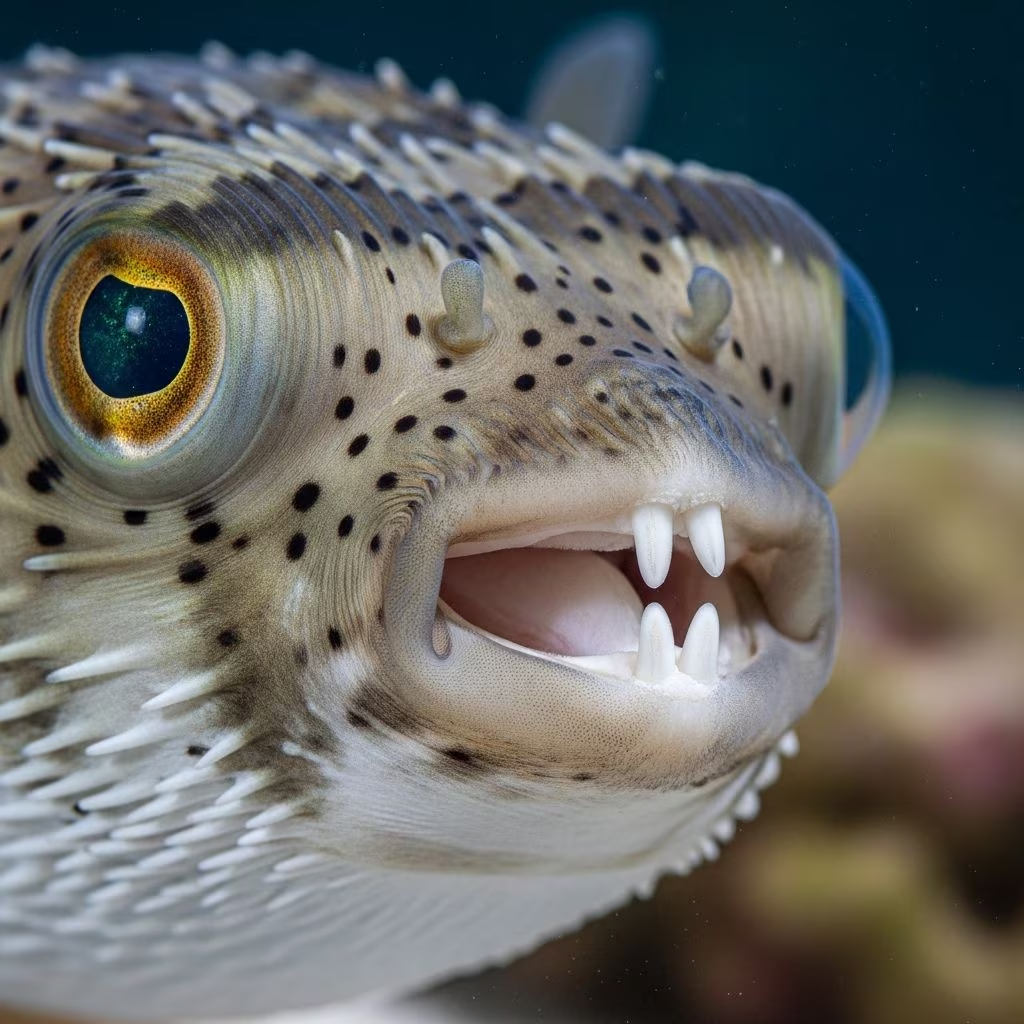
Understanding Pufferfish Teeth and Why Care Matters
Pufferfish possess a unique dental structure that differs significantly from most other aquarium fish. Rather than traditional teeth, puffers have dental plates—hard, bony structures fused together to form what resembles a beak. These dental plates are incredibly powerful and designed for crushing hard shells and tough prey in their natural habitats. Unlike human teeth that stop growing, pufferfish teeth grow continuously throughout their entire lives. This continuous growth is a natural adaptation that allows them to maintain functional beaks despite constant wear from grinding shells and hard-bodied prey items.
In the wild, pufferfish naturally manage their dental growth through their diet of hard-shelled invertebrates such as crustaceans, mollusks, and other armored prey. However, captive pufferfish often face significant challenges in maintaining healthy teeth because aquarium diets typically lack the hard, abrasive foods necessary for proper dental wear. When pufferfish teeth become overgrown, they can prevent the fish from opening their mouths wide enough to eat properly, ultimately leading to starvation and serious health complications. Understanding this critical aspect of pufferfish care is essential for anyone maintaining these fascinating creatures in captivity.
The Importance of Proper Nutrition for Dental Health
The foundation of pufferfish dental care begins with providing an appropriate diet. Feeding your pufferfish the right foods is far more effective than any corrective dental procedure. Hard-shelled foods naturally file down the continuously growing dental plates, preventing overgrowth before it becomes a problem. This preventative approach is infinitely preferable to having to perform dental maintenance on your fish.
Essential Hard Foods for Pufferfish
To maintain optimal dental health, pufferfish require access to foods that challenge their beaks. The following options are particularly beneficial:
- Clams in their shells—provide excellent grinding surfaces and are highly nutritious
- Mussels—another shellfish option that requires effort to crack open
- Small crabs—whole or in shell pieces for maximum dental benefit
- Snails—live snails offer both nutrition and dental maintenance
- Shrimp—particularly beneficial when fed whole with shells intact
- Cockles in shells—specifically recommended for freshwater pufferfish
- Crayfish—provide substantial grinding opportunities
- Woodlice—smaller option suitable for smaller puffer species
Limiting Soft Foods in Your Pufferfish Diet
While hard foods should form the foundation of your pufferfish’s diet, you should minimize soft food offerings. Pufferfish often show a strong preference for softer foods when they are available, which can lead them to neglect the harder items necessary for proper dental wear. If your aquarium contains other fish species requiring softer foods, consider feeding your pufferfish before introducing softer items into the tank. This strategy ensures your puffer has the opportunity to consume adequate quantities of hard foods before soft alternatives become available.
Food Preparation Techniques
Proper preparation of hard-shelled foods can enhance their dental benefits. When feeding clams, experienced aquarists recommend removing a small portion of the meat from the shell. This technique allows pufferfish to engage with the food more intensively, as they must work to extract the remaining meat from the shell, thereby providing maximum grinding activity for their beaks. This method encourages natural feeding behavior while maximizing dental maintenance benefits.
Recognizing Overgrown Teeth in Pufferfish
Despite providing appropriate hard foods, some pufferfish—particularly certain species like Amazon puffers—may still experience rapid dental growth that outpaces natural wear. Recognizing the signs of overgrown teeth is crucial for timely intervention.
Warning Signs of Dental Problems
- Inability to open the mouth wide enough to eat normally
- Difficulty consuming food items the pufferfish previously enjoyed
- Visible protrusion of dental plates beyond normal appearance
- Reluctance to eat or decreased appetite
- Behavioral changes indicating discomfort or difficulty feeding
If you observe any of these signs, prompt action becomes necessary to prevent malnutrition and further health complications. Overgrown teeth represent a serious dental emergency that requires professional intervention in most cases.
Safe Teeth Trimming Procedures
When preventative measures through diet prove insufficient, professional teeth trimming becomes necessary. This procedure requires careful preparation, proper sedation, and precise technique to ensure your pufferfish’s safety.
The Sedation Process Using Clove Oil
Clove oil serves as an effective mild anesthetic for pufferfish dental procedures. The standard dosage is approximately 2-4 drops of clove oil per liter (about 4.25 cups) of water. This preparation must be done carefully to achieve proper sedation without endangering the fish.
Step-by-step sedation procedure:
- Prepare a separate container with fresh aquarium water
- Add the appropriate amount of clove oil to the container and stir thoroughly
- Gently place your pufferfish into the clove oil solution
- Monitor the fish closely as sedation takes effect—typically within 30-45 seconds to one minute
- The pufferfish will initially struggle and panic briefly before becoming calm and lethargic
- Wait until the fish shows clear signs of sedation before proceeding with trimming
Handling Your Sedated Pufferfish
Once properly sedated, your pufferfish requires careful handling to prevent injury. Hold the drowsy puffer gently but firmly in your hand. If the fish proves too slippery for secure handling, wear surgical gloves or use a fish net arranged like a blanket around the pufferfish to maintain a better grip without causing damage. Proper handling technique ensures both your safety and the fish’s welfare during the delicate trimming procedure.
The Trimming Technique
Trimming should be performed using sharp cuticle trimmers or fine-tipped pliers designed for precise cutting. The key principle is to trim small amounts at a time using slow, steady pressure rather than sharp snaps or aggressive cutting motions. This careful approach prevents accidental damage to the underlying jaw structure and minimizes stress on the fish.
Proper trimming steps:
- Identify the pointed tips of both upper and lower dental plates
- Using your trimming tool, carefully clip small sections from the tips
- Work slowly and deliberately, removing material gradually
- Continue until the dental plates appear more rounded and appropriately sized
- Avoid cutting too aggressively, as this can damage the underlying dental plate structure
Post-Trimming Recovery
After completing the trimming procedure, immediately return your pufferfish to a container of fresh, clean aquarium water. The fish should regain consciousness within a few minutes, typically recovering within 3-5 minutes of being returned to fresh water. Pufferfish generally show remarkable resilience following sedation and trimming, often resuming normal feeding behavior within a short timeframe. Allow adequate recovery time—typically 10-20 minutes—before returning the fish to its main aquarium.
Trimming Frequency and Long-Term Management
The frequency of teeth trimming varies considerably depending on the individual pufferfish, its species, and its diet. Most pufferfish require dental maintenance every 4-12 months, though some may need more frequent attention. Observing your specific fish and tracking when overgrowth becomes problematic allows you to establish an appropriate maintenance schedule.
Factors influencing trimming frequency include:
- Species-specific growth rates—some species like Amazon puffers grow teeth more rapidly
- Quality and frequency of hard food consumption
- Individual variation in dental growth rates
- Age and overall health status of the fish
When to Seek Professional Help
While some experienced aquarists perform teeth trimming at home, professional dental care from a qualified aquatic veterinarian offers significant advantages. Veterinary professionals possess specialized training in fish sedation and have experience with dental procedures across numerous species. They can properly assess your pufferfish’s dental health, determine if trimming is necessary, and perform the procedure with minimal stress and maximum safety.
Consider professional veterinary care if:
- You are uncomfortable performing the procedure yourself
- Your pufferfish has underlying health conditions
- Overgrowth is severe or unusual in appearance
- Previous home trimming attempts were problematic
- You want professional assessment and guidance
Important Considerations and Precautions
Pufferfish dental care requires careful attention to safety and best practices. Some sources recommend avoiding clove oil due to reports of fish not recovering properly from sedation. If you choose to perform home trimming, thoroughly research your specific pufferfish species and consider consulting with experienced pufferfish keepers or veterinarians beforehand.
Additionally, be aware that many foods beneficial for dental health contain compounds called thiaminases that destroy B vitamins. If feeding these items regularly, consider supplementing your pufferfish’s diet with vitamin B supplements to prevent deficiency. Furthermore, some pufferfish may attempt to wear down their teeth by chewing hard corals, which can damage reef tank ecosystems, making them unsuitable environments for pufferfish despite offering dental benefits.
Frequently Asked Questions About Pufferfish Teeth Care
Q: How often should I feed my pufferfish hard-shelled foods?
A: Hard-shelled foods should form the foundation of your pufferfish’s regular diet. Most pufferfish should receive hard foods several times per week, with the frequency adjusted based on your specific fish’s needs and dental health status.
Q: Can I trim my pufferfish’s teeth without sedation?
A: Trimming without sedation is generally not recommended as it can stress the fish and increase the risk of injury. Proper sedation using clove oil makes the procedure safer and more manageable for both you and your pufferfish.
Q: What should I do if my pufferfish stops eating?
A: Sudden loss of appetite often indicates overgrown teeth or other health problems. Check your fish’s mouth for visible dental overgrowth and contact a veterinarian if you suspect dental issues or cannot identify the cause of reduced feeding.
Q: Are some pufferfish species more prone to overgrown teeth?
A: Yes, certain species including Amazon puffers experience more rapid dental growth than others. Research your specific pufferfish species to understand its particular dental care needs.
Q: How do I know if trimming was successful?
A: Following successful trimming, your pufferfish should return to normal feeding behavior within a few hours to a day. The fish should open its mouth fully and consume hard foods without difficulty.
References
- How do you clip a pufferfish’s teeth? — Aquarium Co-Op. 2024. https://www.aquariumcoop.com/blogs/faqs/how-do-you-clip-a-pufferfish-s-teeth
- Keep Your Puffer Fish’s Teeth Trimmed: Feeding Clams Effectively — Growing Up Fish. 2024-08-03. https://www.youtube.com/watch?v=gS3K4tIym1A
- Caring for Puffer Fish Teeth — Arizona Exotic Animal Hospital. 2024. https://azeah.com/marine-tropical/caring-puffer-fish-teeth
- How to trim an Amazon Puffer’s teeth/beak Using Clove Oil — Flip Aquatics. 2024. https://www.youtube.com/watch?v=HsGLaIv_v0c
- A Step-by-Step Guide to Cutting Puffer Fish Teeth — Smart.DHgate. 2024. https://smart.dhgate.com/mastering-the-safe-technique-a-step-by-step-guide-to-cutting-puffer-fish-teeth/
- Brackish Fish How to care for freshwater pufferfish — Ornamental Fish International. 2024. https://ornamentalfish.org/wp-content/uploads/Freshwater-puffers.pdf



