

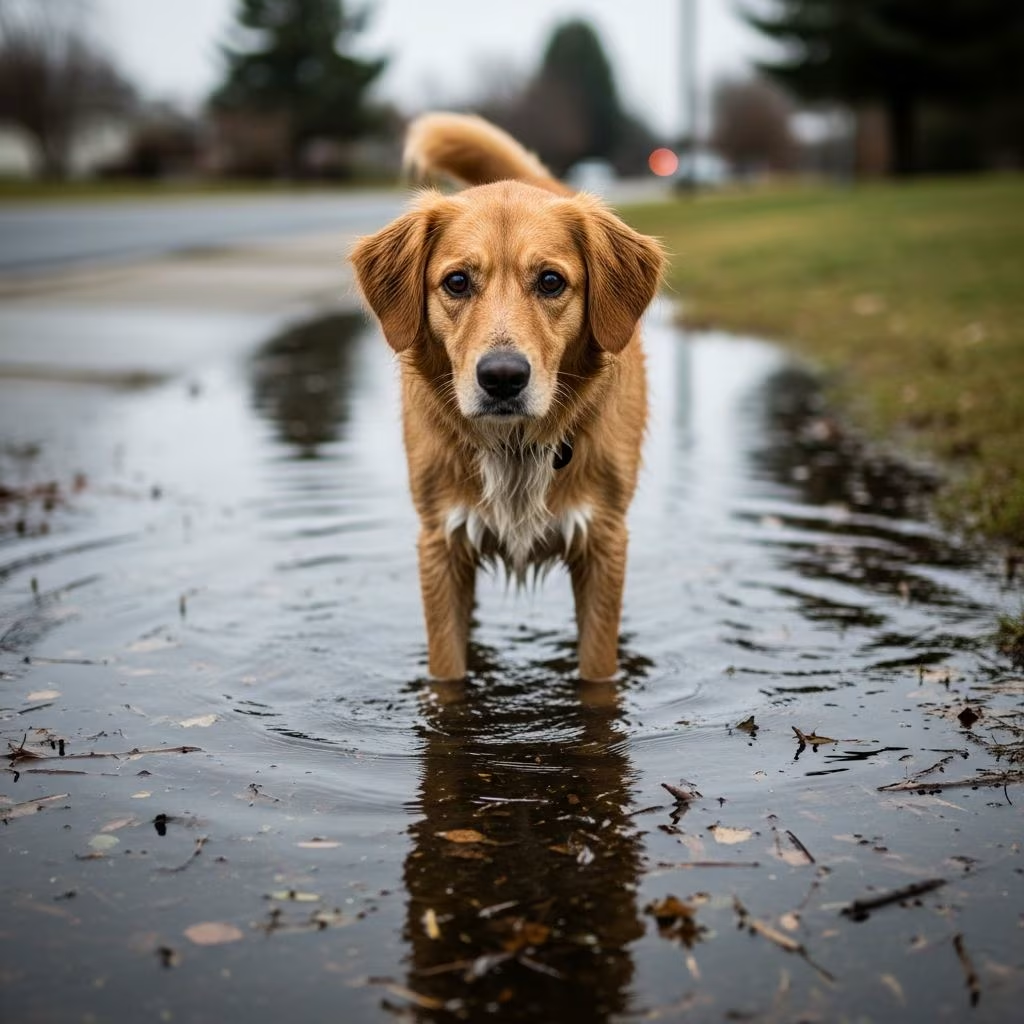
3 Reasons Why Puddles Are Dangerous for Your Dog
As pet owners, we often enjoy watching our dogs play and explore during outdoor adventures, especially on rainy days when puddles seem to offer endless entertainment. However, what appears to be innocent fun can actually pose serious health risks to your beloved canine companion. Puddles are far more than just water accumulations—they can harbor a variety of dangerous bacteria, parasites, and toxic substances that threaten your dog’s wellbeing. Understanding these hazards is crucial for keeping your pet safe throughout the year, particularly during seasons when rainfall is frequent.
Veterinarians consistently warn pet owners about the dangers of allowing their dogs to drink from or wade through puddles. The dirty water and accumulated contaminants in puddles can expose your dog to life-threatening conditions that may require intensive veterinary treatment. By learning about these specific dangers and implementing prevention strategies, you can significantly reduce the risk of your pet becoming ill. This comprehensive guide explores three major reasons why puddles pose dangers to dogs and provides practical advice for protecting your furry friend.
Reason 1: Leptospirosis From Standing Water and Puddles
Leptospirosis represents one of the most serious bacterial threats associated with contaminated puddles. This infectious disease is caused by leptospira bacteria, which thrive in areas with standing water, rainfall, and moist environments. Dogs can contract leptospirosis through various exposure pathways, making puddle avoidance an important preventive measure.
How Dogs Contract Leptospirosis
Leptospirosis transmission occurs when dogs come into contact with water contaminated by the urine of infected animals, particularly rodents and wildlife. While swimming in or drinking from contaminated water represents the most common transmission route, your dog can also contract the disease through indirect contact. Bacteria present on plants, dirt, objects, and contaminated surfaces can enter your dog’s body through cuts, abrasions, or mucous membranes. Additionally, direct contact with infected animals or consumption of infected meat can lead to transmission, though these routes are less common in typical pet situations.
Common Symptoms of Leptospirosis in Dogs
Recognizing the symptoms of leptospirosis is essential for seeking prompt veterinary care. Infected dogs typically display the following clinical signs:
- Decreased appetite or complete loss of appetite (anorexia)
- Elevated body temperature (fever)
- Muscle pain, stiffness, and reluctance to move
- Lethargy, weakness, and depression
- Vomiting and diarrhea
- Conjunctivitis, characterized by red, inflamed eyes
- Respiratory difficulties or persistent coughing
- Jaundice, visible as a yellowish discoloration of the skin and gums
- Organ failure affecting the kidneys or liver in severe cases
These symptoms can develop within days of exposure, and severe cases may progress rapidly if left untreated. Some infected dogs may experience organ damage that becomes permanent, even with treatment.
Treatment and Prevention Options
When caught early, leptospirosis responds well to antibiotic therapy. However, prevention through vaccination offers a more reliable protection strategy. Veterinarians commonly recommend adding leptospirosis vaccination to your dog’s standard immunization protocol. While vaccines are highly effective at reducing infection risk, no vaccine provides 100-percent protection against all strains of leptospira. Therefore, continuing to avoid puddles and contaminated water sources remains an important part of your comprehensive protection strategy.
The Zoonotic Concern
One particularly concerning aspect of leptospirosis is that it can be transmitted from dogs to humans. This zoonotic potential makes protecting your pet even more critical, as it safeguards both your dog and your family’s health. If your dog develops leptospirosis, practicing good hygiene when handling your pet and maintaining proper sanitation is essential.
Reason 2: Giardia From Standing Water and Puddles
Giardia represents another significant parasitic threat found in contaminated puddles. This microscopic organism inhabits the gastrointestinal tracts of infected animals and is shed through feces into the environment. When water sources become contaminated with giardia cysts, any dog that drinks from these puddles faces potential infection.
Understanding Giardia Transmission
Giardia is transmitted to dogs through the consumption of contaminated water containing infectious cysts. These microscopic parasites can survive in water environments for extended periods, making puddles that persist for days or weeks particularly hazardous. Wildlife, including beavers, deer, and other animals, commonly shed giardia into natural water sources. Puddles formed from rainfall can accumulate these infectious organisms, creating dangerous situations for curious dogs exploring outdoor areas.
Symptoms of Giardia Infection
Dogs infected with giardia typically experience gastrointestinal symptoms that may include severe diarrhea (often appearing greasy or frothy), abdominal pain and discomfort, nausea, and loss of appetite. Chronic giardia infections can lead to malabsorption, resulting in weight loss and poor coat condition. Some infected dogs may show minimal symptoms while still serving as carriers, making it possible for them to transmit the parasite to other animals and humans.
Treatment Approaches
Veterinarians typically treat giardia using medications such as metronidazole or fenbendazole, which effectively eliminate the parasites. However, clearing giardia can prove challenging, particularly in young puppies or dogs with compromised immune systems. Some dogs experience recurrent infections even after successful treatment, necessitating repeat medication cycles and environmental sanitation efforts.
Reason 3: Antifreeze in Standing Water and Puddles
Perhaps the most immediately life-threatening puddle hazard comes from antifreeze contamination. Antifreeze and ethylene glycol are coolant solutions used in vehicle engines to prevent overheating during both hot and cold weather conditions. When vehicles leak or when antifreeze is improperly disposed of, it can seep into soil and mix with rainwater, forming puddles that contain lethal concentrations of this toxic substance.
Why Antifreeze Poses Such a Severe Threat
Antifreeze presents a particularly insidious danger because dogs find it appealing. The sweet smell and taste of antifreeze attracts dogs, encouraging them to drink from contaminated puddles. This natural attraction combined with the substance’s extreme toxicity makes accidental poisoning tragically common. Consumption of even tiny amounts can cause devastating, irreversible damage. Antifreeze poisoning represents one of the most frequent forms of pet poisoning seen in veterinary clinics, with tragic outcomes when treatment is delayed.
Symptoms of Antifreeze Poisoning
Antifreeze poisoning symptoms develop rapidly and can progress from mild to severe within hours. Watch for these warning signs:
- Lethargy and depression
- Vomiting and diarrhea
- Loss of appetite
- Weakness and incoordination (ataxia)
- Seizures
- Death if treatment is not initiated promptly
The progression from initial exposure to organ failure can occur very rapidly, sometimes within 24 to 72 hours, making immediate veterinary intervention absolutely critical.
Long-Term Complications
Antifreeze primarily damages the kidneys through metabolic conversion of ethylene glycol to toxic compounds. This damage can result in acute kidney failure, which often proves irreversible despite treatment. Dogs that survive initial antifreeze poisoning may face chronic kidney disease, requiring lifelong management and dietary modifications.
Prevention and Emergency Response
The best approach to antifreeze poisoning is prevention. Avoid allowing your dog to access puddles in streets, parking lots, and other areas where vehicles congregate. Store all antifreeze containers securely out of reach of pets, and clean up any spills immediately using absorbent materials. If you suspect your dog has ingested antifreeze, contact your veterinarian or emergency veterinary clinic immediately. Early treatment with specific antidotes can prevent or minimize kidney damage, potentially saving your dog’s life.
Additional Puddle Hazards to Consider
Beyond the three primary dangers, puddles can contain other hazardous substances. Pesticides, fertilizers, and various chemical runoff can accumulate in standing water. Some geographic areas experience seasonal mushroom growth near puddles, and certain mushroom species are highly toxic to dogs. Road salt used in winter months can also contaminate puddles, potentially causing gastrointestinal upset or toxicity.
Practical Protection Strategies
Training Your Dog to Avoid Puddles
Teaching your dog to avoid puddles requires consistent training and management. Use commands like “leave it” when approaching puddles, rewarding compliance with treats and praise. On walks, maintain control using a short leash near areas where puddles are likely to form, redirecting your dog away from temptation.
Protecting Your Dog’s Paws
Consider outfitting your dog with waterproof boots during rainy seasons or muddy conditions. Boots provide a physical barrier between your dog’s paws and contaminated water. When boots aren’t practical, wash and dry your dog’s paws thoroughly as soon as you return indoors using warm water or pet-safe wipes. This reduces the risk of parasites and bacteria being tracked into your home or ingested during grooming.
Home Yard Management
If your yard frequently develops puddles, implement drainage improvements. Fill low-lying areas with topsoil, add ground cover such as sod or plants, or create gravel pathways and stepping stones. These modifications reduce puddle formation while improving your yard’s overall drainage and accessibility.
Vaccination and Preventive Medicine
Work with your veterinarian to ensure your dog receives appropriate vaccinations, particularly leptospirosis protection if your pet is likely to encounter contaminated water. Discuss parasite prevention options, including heartworm, flea, tick, and intestinal parasite medications that can provide additional protection against giardia and other parasitic diseases.
Frequently Asked Questions About Dog Puddle Safety
Q: What should I do if my dog drinks from a puddle before I can stop them?
A: Monitor your dog closely for any signs of illness over the next several days. Contact your veterinarian if your dog develops symptoms such as vomiting, diarrhea, lethargy, or fever. If you suspect antifreeze ingestion, seek emergency veterinary care immediately, as early treatment is essential.
Q: Are some dogs more susceptible to puddle-related illnesses?
A: Puppies, senior dogs, and dogs with compromised immune systems are at higher risk for severe illness from puddle-related infections and parasites. Additionally, dogs that spend significant time outdoors and those who enjoy swimming or water play face increased exposure risk.
Q: Can my dog get leptospirosis if vaccinated?
A: While leptospirosis vaccination is highly effective, no vaccine provides 100-percent protection. Vaccinated dogs have significantly reduced infection risk, but the best strategy combines vaccination with avoiding puddles and contaminated water sources.
Q: How long can giardia parasites survive in puddles?
A: Giardia cysts can survive in water for weeks or even months under appropriate conditions, particularly in cool, moist environments. This extended viability makes puddles hazardous long after formation.
Q: Is antifreeze poisoning always fatal?
A: Antifreeze poisoning can be fatal, but prompt treatment significantly improves survival chances. If treatment is initiated within 8-12 hours of ingestion, specific antidotes can often prevent irreversible kidney damage. Delayed treatment increases mortality risk substantially.
Q: What is the best way to prevent puddles in my yard?
A: Improve drainage by filling holes with topsoil, adding ground cover or sod, installing gravel pathways or stepping stones, and ensuring proper yard grading to direct water away from low-lying areas where puddles form.
Conclusion
Puddles may seem like harmless water features where dogs can splash and play, but they represent genuine health threats requiring parental vigilance. Leptospirosis, giardia, and antifreeze poisoning all pose serious risks that can result in severe illness or death if left untreated. By understanding these dangers and implementing practical prevention strategies, you can significantly protect your dog’s health and wellbeing.
The key to puddle safety involves a multi-faceted approach: ensuring appropriate vaccinations, training your dog to avoid puddles, protecting their paws from contamination, and managing your environment to minimize puddle formation. While it’s impossible to eliminate all risks, responsible pet ownership means recognizing these hazards and taking proactive steps to minimize exposure.
Ultimately, the goal is to enjoy outdoor activities with your dog while keeping them safe from preventable diseases and toxins. By maintaining awareness of puddle dangers and applying these protective strategies consistently, you’ll help ensure your dog remains healthy, happy, and safe throughout their life. When in doubt about your dog’s health or exposure to contaminated water, consult your veterinarian for professional guidance tailored to your pet’s specific needs and risk factors.
References
- Leptospirosis in Dogs — American Veterinary Medical Association (AVMA). 2024. https://www.avma.org/resources-tools/animal-health-and-welfare/animal-health-topics/leptospirosis
- Giardia in Dogs: Symptoms, Treatment, and Prevention — PetMD Editorial Team. 2024. https://www.petmd.com/dog/parasites-giardia
- Ethylene Glycol (Antifreeze) Poisoning in Dogs — American Society for the Prevention of Cruelty to Animals (ASPCA) Animal Poison Control Center. 2024. https://www.aspca.org/pet-care/animal-poison-control
- Rainy Day Hazards for Dogs — PetMD Veterinary Editorial Team. 2024. https://www.petmd.com/dog/general-health/rainy-day-dangers-dogs
- 3 Reasons Why Puddles Are Dangerous for Your Dog — Chewy Education, authored by Alison Birken, DVM. 2024. https://www.chewy.com/education/dog/general/3-reasons-why-puddles-are-dangerous-for-your-dog
- Vaccination Guidelines for Dogs — American Animal Hospital Association (AAHA). 2024. https://www.aaha.org/aaha-guidelines/vaccination-guidelines-for-general-practice
- Acute Kidney Injury in Dogs — Veterinary Manual (Merck & Co.). 2024. https://www.msd-animal-health.com/articles/acute-kidney-injury-dogs



