
Public Water Bowls: Hidden Dangers for Dogs
Discover why communal dog water bowls in parks and stores may harbor bacteria, parasites, and toxins that threaten your pet's well-being.
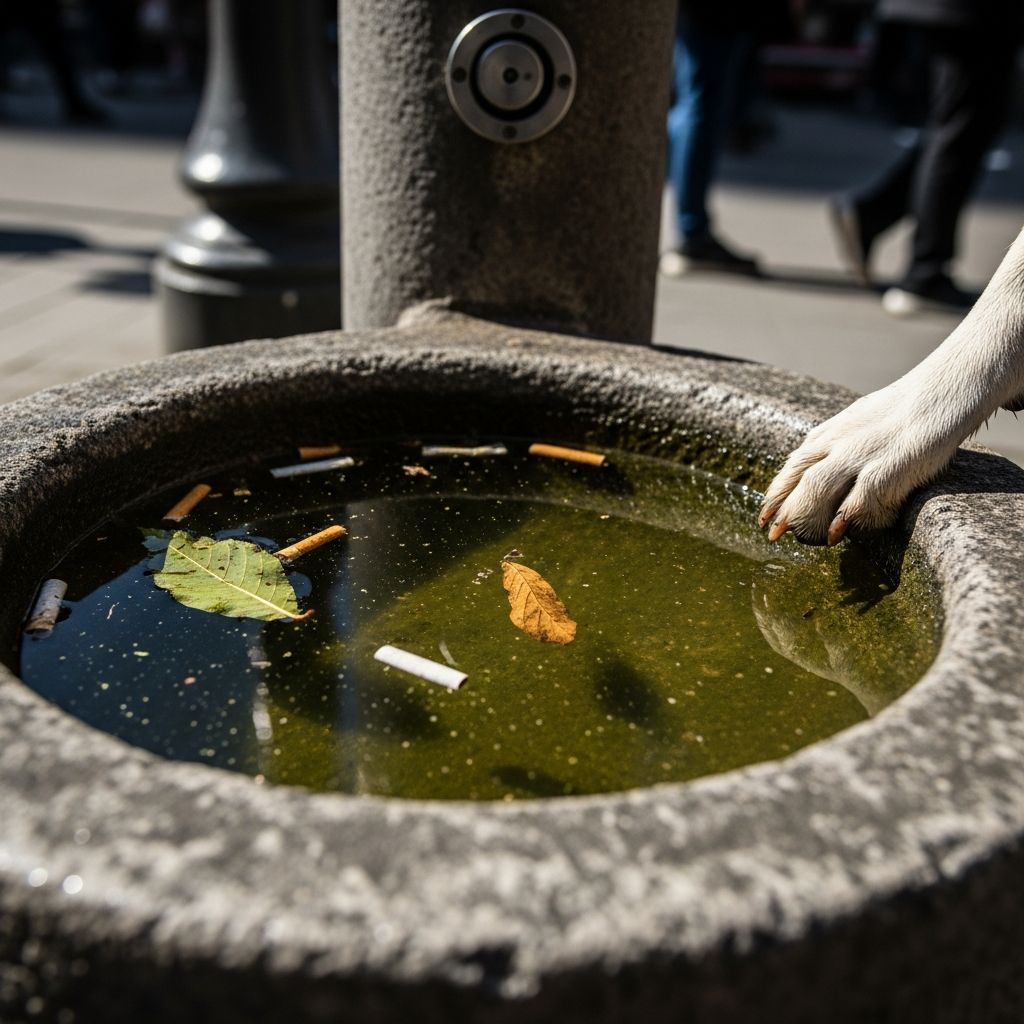
Convenient water stations for dogs at parks, pet stores, and outdoor cafes seem like a thoughtful amenity for thirsty pets. However, these communal bowls often conceal serious health threats including bacteria, parasites, and toxins that can sicken dogs. Veterinary experts emphasize evaluating these sources carefully before allowing access, as stagnant water fosters contaminants that lead to infections like leptospirosis and salmonella.
Why Public Water Bowls Pose Serious Risks
Public water bowls attract multiple dogs daily, turning them into hotspots for pathogen transmission. Without regular cleaning, water stagnates, accumulating dirt, fecal residue, and debris from paws tracking in contaminants. This environment enables rapid growth of harmful microbes.
- Bacterial proliferation: Fecal matter introduces bacteria such as salmonella, causing severe gastrointestinal distress.
- Parasitic invasion: Parasites like giardia thrive in shared water, leading to chronic diarrhea and weight loss.
- Environmental toxins: Mold and algae blooms produce hepatotoxins damaging the liver and kidneys.
Experts note that even well-meaning setups by businesses fail if maintenance lapses, amplifying risks in high-traffic areas.
Common Pathogens Lurking in Communal Bowls
Several diseases spread easily through contaminated public water. Understanding these threats helps owners make informed choices.
| Pathogen | Source | Symptoms in Dogs | Severity |
|---|---|---|---|
| Salmonella | Fecal contamination | Vomiting, diarrhea, fever | Moderate to severe |
| Leptospirosis | Urine or water exposure | Kidney failure, jaundice, lethargy | Life-threatening |
| Giardia | Standing water | Profuse diarrhea, dehydration | Moderate |
| Kennel Cough (Bordetella) | Saliva droplets | Coughing, nasal discharge | Mild to moderate |
These illnesses often require veterinary intervention, including antibiotics and supportive care, underscoring the need for prevention.
Algae and Mold: Toxic Threats in Stagnant Water
Sun-exposed bowls promote algae growth, some strains producing cyanotoxins lethal to dogs. Ingesting even small amounts causes vomiting, seizures, and organ failure. Mold similarly releases mycotoxins irritating the gut and respiratory system. Visual cues like green discoloration or foul odors signal danger—avoid these at all costs.
Bowl Materials and Their Impact on Hygiene
The construction of public bowls influences bacterial harboring. Plastic and ceramic surfaces scratch easily, trapping germs unlike smooth stainless steel.
- Plastic: Porous when worn, breeds E. coli and MRSA.
- Ceramic: Glazes crack, creating hiding spots for salmonella.
- Stainless Steel: Antimicrobial properties reduce risks significantly.
Owners should inspect for cracks, rust, or residue before permitting use.
When Hydration Needs Outweigh the Risks
In extreme heat, dehydration poses greater immediate danger than potential contaminants. Veterinarians advise that if a dog shows signs of heat stress—excessive panting, weakness—limited sips from a public bowl may be necessary. Balance risks by observing water clarity and recent refilling.
“If it’s really hot, and your dog is suffering or in danger of becoming overheated, then the risk of drinking out of the water bowl is going to become a lot less than the risk of your dog getting heat stroke.”
Safe Alternatives for Hydration on the Go
Proactive owners carry portable solutions to eliminate reliance on public sources.
- Collapsible bowls: Lightweight, pair with bottled water for clean access.
- Insulated bottles: Maintain cool temperatures during long walks.
- Hydro-flasks for pets: Leak-proof designs prevent spills.
Freeze water partially for extended cooling. Train dogs to drink from personal gear using positive reinforcement.
Best Practices for Home Water Bowl Maintenance
Even at home, vigilance prevents similar issues. Wash bowls daily with hot soapy water, sanitizing weekly via dishwasher or vinegar solution. Rotate multiple bowls to ensure thorough drying. Monitor for biofilm—a slimy layer harboring bacteria.
Recognizing Illness from Contaminated Water
Watch for symptoms post-exposure: persistent vomiting, bloody stools, lethargy, or unusual thirst. Seek immediate vet care for suspected leptospirosis, as early antibiotics improve outcomes. Vaccinations against lepto and bordetella provide partial protection but not against all threats.
FAQs on Public Water Bowls and Dog Safety
What makes public dog water bowls risky?
Stagnation leads to bacterial, parasitic, and toxic buildup from multiple dogs’ saliva, paws, and waste.
Can my healthy dog get sick from one drink?
Yes, even brief exposure transmits pathogens, especially in immunocompromised or puppy dogs.
How often are public bowls cleaned?
Varies widely; many go days without refreshment, heightening contamination.
Is bottled water always safe for dogs?
Generally yes, but avoid those with additives; plain spring or tap suffices.
What if my dog already drank from a public bowl?
Monitor for 24-48 hours; contact vet if symptoms appear.
Expert Strategies for Risk-Free Outings
Plan walks during cooler times, hydrate preemptively, and scout dog-friendly spots with verified clean stations. Advocate for better public hygiene by politely suggesting frequent changes to venue owners. Educate fellow owners through community groups to raise collective awareness.
By prioritizing portable hydration and awareness, pet parents safeguard their dogs from preventable woes, ensuring joyful, healthy adventures.
References
- Veterinarians warn pet owners about dangers of letting dogs use public water bowls — Boston 25 News. 2023. https://www.boston25news.com/news/local/veterinarians-warn-pet-owners-about-dangers-letting-dogs-use-public-water-bowls/QK5YJO3OXZF6DPZS3NVHPID7GA/
- Veterinarian Reveals Why You Shouldn’t Let Your Dog Drink From Public Water Bowls — SciTechDaily. 2023. https://scitechdaily.com/veterinarian-reveals-why-you-shouldnt-let-your-dog-drink-from-public-water-bowls/
- Sharing Is Not Always Caring: Realities Of Communal Water Bowls — Texas A&M College of Veterinary Medicine & Biomedical Sciences. 2023. https://vetmed.tamu.edu/news/pet-talk/public-water-bowls/
- Is It Bad for Dogs to Share Water Bowls? Understanding the Health Implications — Houndsy. 2023. https://www.houndsy.com/blogs/modern-tails/is-it-bad-for-dogs-to-share-water-bowls-understanding-the-health-implications
- How Safe Is Your Dog’s Water Bowl? — Animal Wellness Magazine. 2023. https://animalwellnessmagazine.com/dog-water-bowls/
Similar Articles








Read full bio of Sneha Tete




