

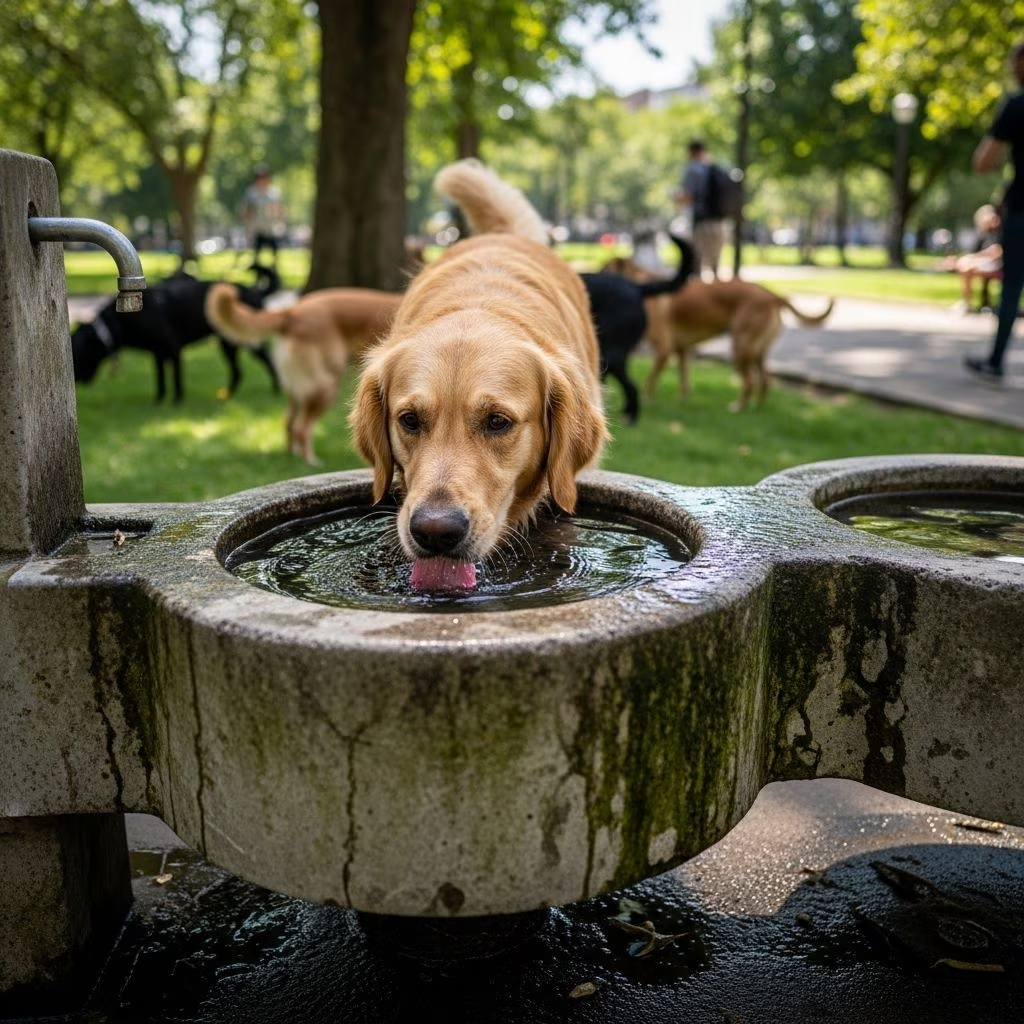
When visiting dog parks, outdoor cafes, or neighborhood walking paths, pet owners frequently encounter communal water bowls provided for thirsty dogs. While these shared drinking stations are often well-intentioned gestures by business owners and community members, veterinary professionals have raised significant concerns about their safety. Understanding the potential health hazards associated with public water sources allows pet owners to make informed decisions about their dog’s hydration while minimizing exposure to preventable diseases.
Understanding the Contamination Problem
Shared water bowls present a unique challenge because they concentrate potential pathogens from multiple animals in a single location. When water sits stagnant or remains uncleaned for extended periods, it becomes an ideal environment for harmful microorganisms to multiply and persist. Environmental contaminants such as plant debris, mold, algae, and toxins accumulate more readily in standing water compared to fresh, flowing sources.
The contamination process often begins innocuously. Dogs may inadvertently contribute fecal matter to water bowls by stepping in contaminated areas and then wading through the water with their paws. During nighttime hours when bowls sit unattended, rodents and wildlife may urinate or defecate directly into the water, introducing parasitic organisms and bacteria. Additionally, saliva from infected dogs can deposit infectious agents into shared bowls, creating pathways for disease transmission between animals.
Disease Transmission Through Shared Water Sources
According to veterinary experts, several infectious and communicable diseases can spread through contaminated water bowls. These illnesses range from minor gastrointestinal upset to serious systemic infections that require veterinary intervention.
Common Diseases Associated with Contaminated Water
- Canine Influenza: A viral infection that spreads readily through respiratory secretions and contaminated surfaces, causing fever, coughing, and letharness in affected dogs
- Kennel Cough: A highly contagious respiratory condition transmitted through airborne droplets and contaminated water bowls, characterized by a persistent dry cough
- Giardiasis: A parasitic infection caused by Giardia organisms, leading to severe diarrhea and nutrient malabsorption
- Internal Parasites: Intestinal worms and other parasitic organisms that can be transmitted through fecal contamination, causing digestive issues and nutritional deficiencies
- Salmonellosis: A bacterial infection that affects the gastrointestinal system, potentially spreading to humans as well
- Leptospirosis: A serious bacterial disease transmitted through wildlife urine that can cause kidney and liver damage
Leptospirosis deserves particular attention due to its severity. The bacteria causing this disease naturally inhabit the urinary systems of wildlife and infected animals. When an infected dog urinates in a shared water bowl, the bacteria can survive and transmit to other dogs consuming that water. While dog-to-dog transmission of leptospirosis through water is less common than wildlife transmission, the risk increases when infected dogs access communal water sources.
Risk Factors in Stagnant Water Environments
The condition of a public water bowl directly correlates with contamination risk. Bowls that receive infrequent cleaning or remain exposed to outdoor elements for extended periods create progressively hazardous conditions. Stagnant water acts as a culture medium for bacterial growth, providing moisture, nutrients, and time for microorganisms to reach dangerous concentrations.
Weather conditions and environmental factors compound these risks. In warm climates, stagnant water encourages rapid algae growth and bacterial proliferation. Leaves and organic debris falling into uncovered bowls introduce decomposing matter that harbors pathogens. Muddy or dirty paws contribute visible and microscopic contaminants. Some communal bowls become so visibly dirty that they appear similar to natural water sources like ponds—a visual indicator that veterinarians recommend interpreting as a sign that dogs should avoid drinking from them.
Home Water Bowls: Often Overlooked Health Hazards
While public water bowls receive attention for their contamination risks, many pet owners overlook the hygiene practices surrounding bowls in their own homes. Research conducted by NSF International, a consumer-protection organization, revealed that dog bowls rank among the five dirtiest objects typically found in households. This finding highlights that contamination risks extend beyond public venues into domestic environments.
The material composition of water bowls affects their safety profile. Certain materials, particularly some plastics and lower-quality ceramics, can leach harmful chemicals into water over time, especially as the bowl’s surface deteriorates with age and regular use. Stainless steel bowls that meet human safety standards represent a safer alternative, reducing the risk of chemical leaching while providing a non-porous surface less likely to harbor bacteria in microscopic crevices.
Establishing a consistent cleaning routine for home water bowls is essential. Daily emptying of old water, thorough washing with hot soapy water, and rinsing completely before refilling reduces the accumulation of bacteria, mold, and biofilm. Water should always be fresh and changed multiple times daily, particularly in warm weather when bacterial growth accelerates.
Assessing Your Dog’s Individual Risk Profile
Not all dogs face identical risks when exposed to contaminated water sources. Individual immune system strength, age, and health status significantly influence whether exposure results in infection and clinical illness.
Healthy adult dogs typically possess robust immune systems capable of fighting off many pathogens they encounter, making infection from contaminated water possible but not inevitable. However, certain populations face elevated vulnerability. Puppies whose immune systems remain underdeveloped lack the capacity to effectively combat infections, making them particularly susceptible to serious illness from contaminated water. Senior dogs experience immune system decline with age, reducing their capacity to defend against pathogens. Dogs with pre-existing medical conditions, concurrent illnesses, or compromised immune systems require special precautions regarding water safety.
Vaccination status also influences risk. Dogs vaccinated against kennel cough and canine influenza have some protection against these diseases, though vaccination does not provide complete immunity. Unvaccinated or incompletely vaccinated dogs face substantially higher risks when exposed to contaminated water containing these viruses.
Hydration Needs Versus Contamination Risks
A critical principle in pet health involves balancing risk avoidance with legitimate physiological needs. While minimizing exposure to contaminated water sources represents a sensible precaution, depriving dogs of adequate hydration poses direct and immediate health threats that can outweigh contamination risks in certain situations.
During hot weather, dogs face serious threats from heat-related illness including heat stroke, heat exhaustion, and severe dehydration. When environmental temperatures rise significantly, the risk of heat-related complications can exceed the risk of contracting illness from a contaminated water source. In such scenarios, allowing a dog to drink from a communal bowl may represent the safer choice compared to preventing all water consumption.
Pet owners should assess each situation individually, considering ambient temperature, their dog’s activity level, signs of heat stress, and the apparent cleanliness of available water sources. If a dog displays panting, excessive drooling, sluggishness, or other signs of overheating, providing water becomes a priority that outweighs contamination concerns.
Practical Strategies for Safe Hydration
The most effective approach to managing water safety involves proactive planning. Pet owners who anticipate their dogs may need water while away from home can eliminate reliance on public bowls entirely by bringing portable hydration solutions.
- Portable Water Containers: Collapsible bowls designed specifically for traveling allow owners to carry fresh water and provide clean drinking vessels when needed
- Water Bottles with Attached Bowls: Specialized pet water bottles integrate a bowl mechanism, allowing dogs to drink directly from the bottle or into a clean reservoir
- Insulated Water Carriers: For extended outings, insulated containers maintain water at comfortable temperatures while preventing bacterial growth
- Hydration Packs: Some carriers designed for hiking or outdoor activities include compartments for carrying fresh water specifically for pets
When encountering public water bowls that appear reasonably clean and well-maintained, pet owners can exercise judgment while remaining cautious. Observing whether the bowl contains fresh-looking water, appears to receive regular cleaning, and lacks visible debris provides some indication of maintenance quality. However, even seemingly clean bowls harbor invisible pathogens, so conscious decision-making based on environmental conditions remains necessary.
Evaluating Water Quality in Public Spaces
A practical assessment strategy helps pet owners determine whether a specific water source warrants allowing their dog to drink. Veterinary guidance suggests that if a water source resembles pond water in appearance—murky, discolored, or containing visible debris—dogs should not consume from it.
Questions to consider when evaluating a public water bowl include: How recently was the water changed? Does the bowl appear clean or does it have visible algae, sediment, or debris? Are there any dead insects or organic material in the water? How many other dogs have access to this bowl daily? Is there evidence of maintenance and regular cleaning?
When multiple dogs gather around a single bowl, transmission opportunities increase substantially. High-traffic communal bowls pose greater risks than those in less-frequented locations. Weekend dog parks during peak hours present higher contamination potential than a water bowl outside a quiet neighborhood business.
Multi-Pet Households and Shared Bowls
For households with multiple dogs, some owners question whether separate water bowls for each dog are necessary. While dogs living together and sharing an environment are less likely to transmit novel diseases compared to meeting unfamiliar dogs at parks, separate bowls offer advantages beyond disease prevention.
Individual bowls allow owners to monitor each dog’s water consumption, an important indicator of health status. Some medical conditions require dietary restrictions for specific dogs, and separate bowls prevent one dog from consuming food or medication intended for another. Behavioral considerations also apply, as some dogs may prevent others from accessing a shared bowl, creating stress and potential nutritional imbalances.
Frequently Asked Questions
Can my dog get sick from drinking out of a dog park water bowl?
Yes, dogs can contract infectious diseases from communal water bowls, though illness is not inevitable for healthy adult dogs. Puppies, senior dogs, and immunocompromised dogs face higher risks. Diseases including canine flu, kennel cough, giardia, parasites, and salmonella can spread through contaminated water sources.
How often should communal dog water bowls be cleaned?
Ideally, communal water bowls should be emptied, cleaned with hot soapy water, and refilled multiple times daily, particularly in warm weather. Most public bowls do not receive this level of maintenance, which significantly increases contamination risks.
What signs indicate my dog might have contracted an illness from water contamination?
Symptoms vary by disease but commonly include diarrhea, vomiting, letharness, loss of appetite, coughing, or fever. Any signs of illness following exposure to communal water warrant veterinary evaluation.
Is it ever safe to let my dog drink from public water bowls?
While risks exist, dogs can safely drink from public water sources in certain circumstances. If your dog is hot, thirsty, and at risk of heat-related illness, the risk of dehydration may outweigh contamination risks. In such situations, allowing your dog to drink may be appropriate.
What’s the best approach to dog hydration when traveling?
Carrying portable water and a personal bowl ensures your dog always has access to clean, safe water. This eliminates reliance on public sources and provides the greatest protection against waterborne illness transmission.
References
- Dangers of Communal Water Bowls for Dogs — Whole Dog Journal. Accessed March 2026. https://www.whole-dog-journal.com/health/dangers-of-communal-water-bowls-for-dogs/
- Sharing Is Not Always Caring: Realities Of Communal Water Bowls — Texas A&M News. August 2024. https://stories.tamu.edu/news/2024/08/08/sharing-is-not-always-caring-realities-of-communal-water-bowls/
- Veterinarians warn pet owners about dangers of letting dogs use public water bowls — Boston 25 News. https://www.boston25news.com/news/local/veterinarians-warn-pet-owners-about-dangers-letting-dogs-use-public-water-bowls/QK5YJO3OXZF6DPZS3NVHPID7GA/
- Is It Safe For Dogs to Drink Out of Community Water Bowls? — Pet Camp. https://www.petcamp.com/blog/is-it-safe-for-dogs-to-drink-out-of-community-water-bowls/
- Is It Harmful to Allow Animals of Different Species to Share the Same Water Bowl — PF Depot. https://pfdepot.com/blogs/news/is-it-harmful-to-allow-animals-of-different-species-to-share-the-same-water-bowl



