

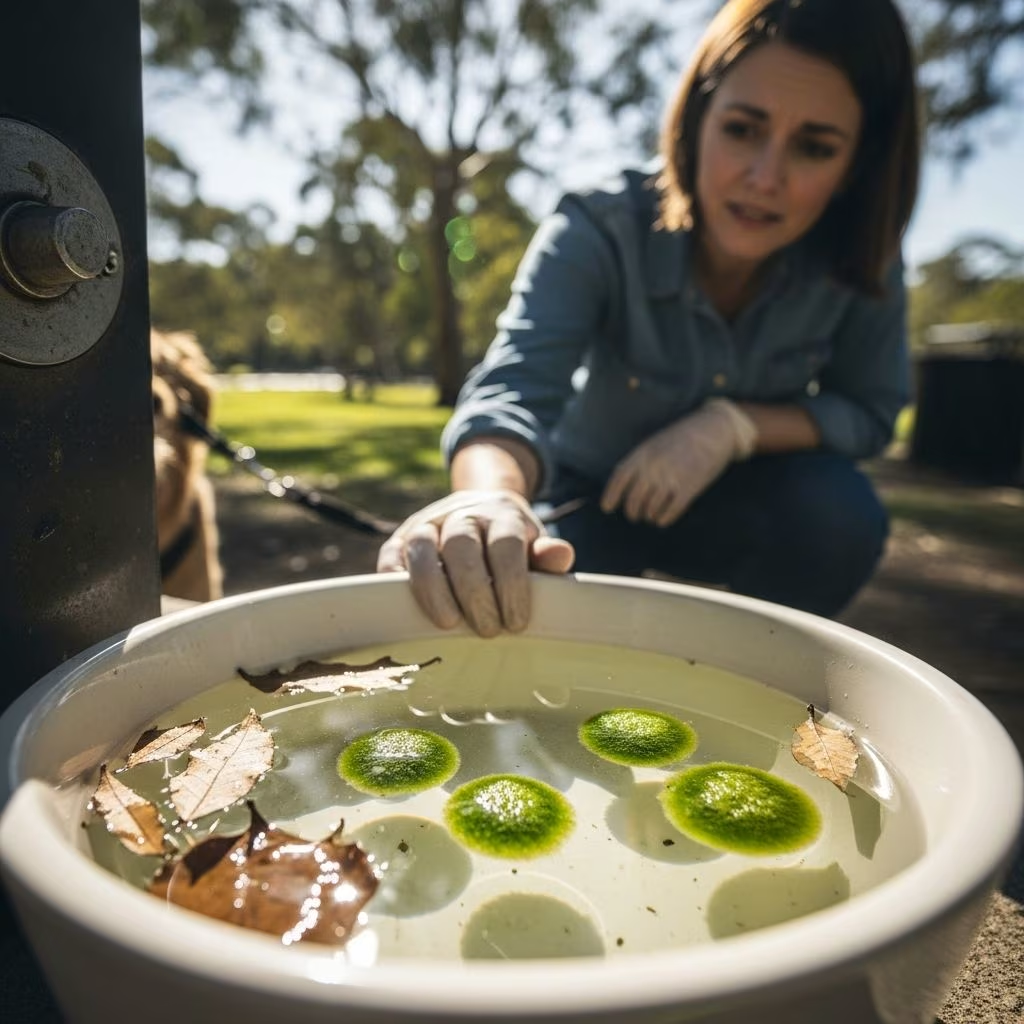
Public water bowls at dog parks, pet stores, patios, and trails offer convenience for thirsty pups during hot days or long walks. However, veterinarians strongly caution that these communal sources often harbor dangerous pathogens, making them a significant health risk for dogs. While dehydration poses immediate threats like heatstroke, the long-term dangers of contaminated water frequently outweigh the benefits, especially with simple prevention strategies available.
Why Public Water Bowls Are Risky for Dogs
Communal dog water bowls appear clean and refreshing, but they rapidly become breeding grounds for harmful microorganisms due to shared use, infrequent cleaning, and environmental exposure. Multiple dogs drinking from the same bowl introduce saliva laden with bacteria, viruses, and parasites. Stagnant water fosters mold growth, while dirt, debris, and animal waste contaminate the source further. Even clear-looking water can hide biofilms—sticky bacterial layers that cling to bowl surfaces and resist casual rinsing.
Veterinarians like Dr. Lori Teller from Texas A&M School of Veterinary Medicine emphasize that bowls left standing accumulate environmental contaminants, including plant material, toxins, and parasites. In dog parks or hiking areas, risks amplify because of higher dog traffic, wildlife interference, and less frequent maintenance compared to store-front bowls. Summer heat accelerates bacterial proliferation, potentially doubling growth rates in warm conditions, as noted in veterinary research.
Common Diseases from Public Dog Water Bowls
Pathogens in public bowls transmit via contaminated water, saliva, or paws splashing feces into the liquid. Dogs ingest these directly or indirectly, leading to infections that range from mild gastrointestinal upset to life-threatening conditions. Puppies, seniors, and immunocompromised dogs face heightened vulnerability.
- Bacterial Infections: Salmonella and E. coli cause vomiting, diarrhea, fever, and in severe cases, endotoxemic shock. These bacteria survive in water and spread from dog feces or raw diets.
- Leptospirosis: Spread through rodent urine contaminating bowls, this bacterial disease damages kidneys and liver, proving fatal without prompt treatment. It also zoonotically affects humans.
- Kennel Cough (Bordetella): Viral and bacterial respiratory illness spreads via shared bowls, especially in high-traffic areas. Contaminated toys or bedding exacerbate transmission.
Parasitic Threats
Parasites thrive in moist, standing water, entering bowls through fecal contamination or wildlife. Infective eggs from roundworms, hookworms, and whipworms survive in splashed water after paws contact contaminated soil or poop—a common sight in dog parks.
- Giardia and Cryptosporidium: Protozoan parasites cause profuse diarrhea, dehydration, and weight loss. Asymptomatic carriers shed cysts, perpetuating the cycle.
Viral and Fungal Risks
Viruses like canine parvovirus lurk in unclean bowls, while fungi such as mold and yeast proliferate in warm, damp conditions, leading to skin or systemic infections.
Symptoms to Watch For After Exposure
Monitor your dog closely for 24-72 hours after potential exposure. Early detection enables timely veterinary intervention, preventing complications. Symptoms vary by pathogen but often overlap in gastrointestinal and systemic effects.
| Disease/Pathogen | Key Symptoms | Onset Time |
|---|---|---|
| Salmonella/E. coli | Vomiting, bloody diarrhea, lethargy, fever | 6-48 hours |
| Leptospirosis | Fever, jaundice, increased thirst/urination, kidney pain | 4-12 days |
| Giardia | Watery diarrhea, gas, weight loss despite appetite | 5-14 days |
| Kennel Cough | Dry hacking cough, nasal discharge, retching | 3-10 days |
| Intestinal Worms | Pot-bellied appearance, diarrhea, poor coat | Weeks |
If symptoms appear, isolate your dog, provide fresh water, and contact a vet immediately. Diagnostic tests like fecal exams or bloodwork confirm infections.
When Public Bowls Might Be Acceptable
Dehydration kills faster than most infections, particularly in extreme heat. Dr. Teller advises prioritizing water if overheating signs emerge: excessive panting, weakness, or collapse. In such emergencies, a public bowl’s risks pale against heatstroke.
Opt for bowls in low-risk settings like frequently cleaned pet stores over dog parks. Assess visually: Avoid cloudy, debris-filled, or mud-splashed water. Ceramic or plastic bowls with cracks harbor more bacteria. However, these are exceptions—prevention remains best.
Safe Alternatives: How to Hydrate Your Dog on the Go
Proactive owners eliminate risks by packing personal hydration solutions. These portable options ensure clean water access without communal hazards.
- Collapsible Travel Bowls: Lightweight, packable silicone or fabric bowls pair with bottled water. Rinse after use with pet-safe wipes.
- Insulated Water Bottles: Dog-specific designs dispense fresh water directly, minimizing spills and contamination.
- Hydro Flasks or Tumblers: Fill from tap or fountains; add ice for cooling on hot days.
- DIY Solutions: Carry a wide-mouth bottle and foldable mat. Refill at clean public fountains away from animal areas.
Train pups to drink from personal bowls early. Offer water proactively every 20-30 minutes on outings, aiming for 1 ounce per pound of body weight daily, more in heat.
Tips for Dog Owners
Empower your walks with these practical strategies:
- Pack water and bowl for every outing, even short ones.
- Schedule walks during cooler times; avoid peak heat.
- Keep vaccinations current, including leptospirosis and Bordetella.
- Use preventives for parasites (e.g., monthly dewormers).
- Inspect and clean your home bowls daily with hot soapy water or dishwasher.
- Educate venues: Suggest dedicated, sanitized dog stations.
Frequently Asked Questions (FAQs)
What if my dog already drank from a public bowl?
Watch for symptoms like vomiting or diarrhea for 1-2 weeks. Boost hydration at home and consult a vet if issues arise. Most exposures don’t cause illness in healthy dogs.
Are bowls outside pet stores safer?
Generally yes, due to more frequent cleaning by staff, but still riskier than personal water. Dog park bowls pose highest threats.
Can these diseases affect humans?
Yes, leptospirosis, salmonella, and Giardia are zoonotic. Wash hands after park visits and clean paws before home entry.
How often should I give my dog water on walks?
Every 15-30 minutes in heat; small amounts frequently prevent gulping contaminated sources.
What’s the best portable dog water solution?
Collapsible bowls with bottled water—simple, effective, and mess-free.
This comprehensive guide equips you to safeguard your dog’s health amid well-intentioned but risky public amenities. Prioritize prevention for worry-free adventures.
References
- Veterinarians Warn Pet Owners About Dangers of Letting Dogs Use Public Water Bowls — Boston 25 News. 2024-08-08. https://www.boston25news.com/news/local/veterinarians-warn-pet-owners-about-dangers-letting-dogs-use-public-water-bowls/QK5YJO3OXZF6DPZS3NVHPID7GA/
- The Hidden Health Risks of Communal Water Bowls for Dogs — Pulivarthi Group (Veterinary Insights). 2024. https://pulivarthigroup.com/the-hidden-health-risks-of-communal-water-bowls-for-dogs/
- Public Dog Water Bowls: Are They Safe? — Preventive Vet. 2023-07-12. https://www.preventivevet.com/dogs/public-dog-water-bowls-think-before-they-drink
- Dogs Risk Deadly Infection From Communal Bowls — Greater Good. 2024. https://greatergood.com/blogs/news/communal-water-bowl
- Sharing Is Not Always Caring: Realities Of Communal Water Bowls — Texas A&M University Stories. 2024-08-08. https://stories.tamu.edu/news/2024/08/08/sharing-is-not-always-caring-realities-of-communal-water-bowls/



