

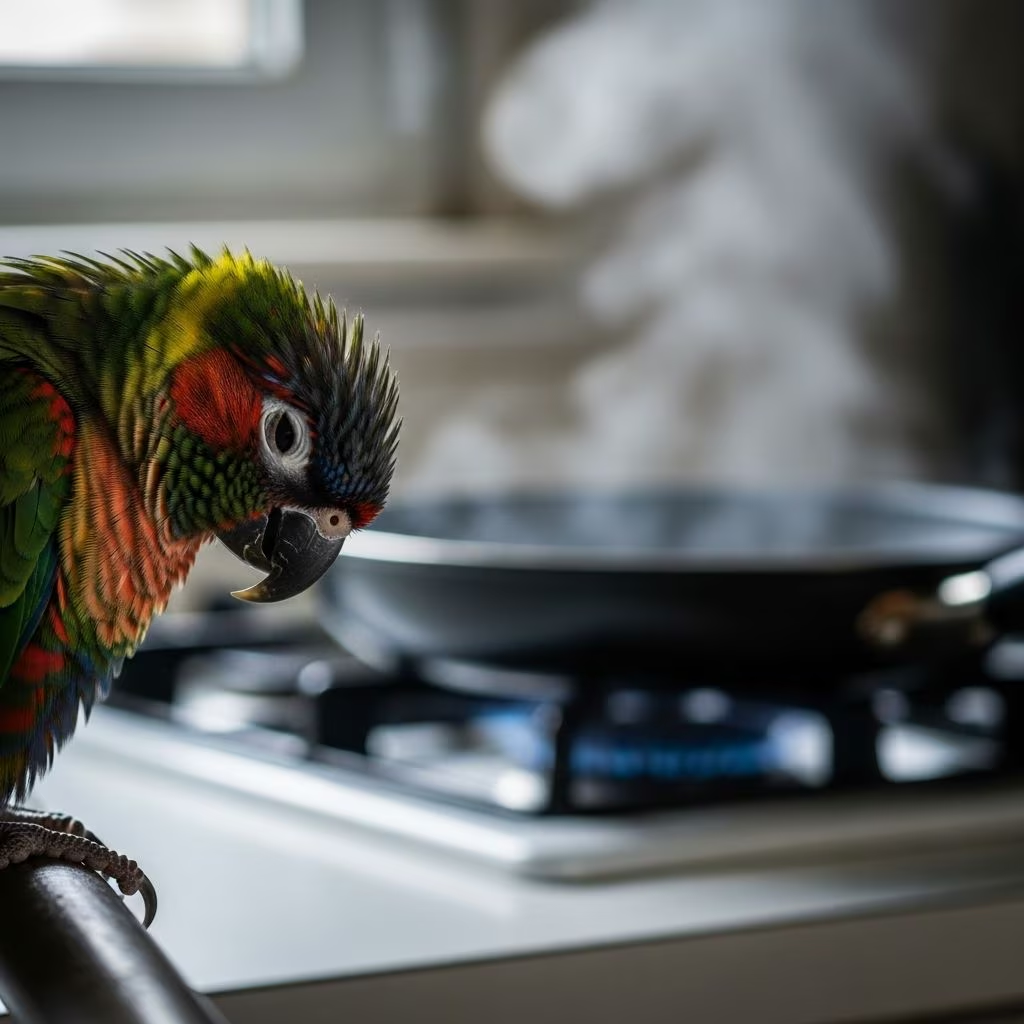
Polytetrafluoroethylene (PTFE), commonly known as Teflon, poses a severe threat to pet birds when heated, releasing invisible toxic fumes that can cause acute respiratory failure and sudden death. Birds’ highly efficient respiratory systems make them exceptionally vulnerable to these airborne particulates and gases, even in trace amounts from everyday household items.
The Science Behind PTFE Toxicity in Avians
PTFE is a fluoropolymer used in nonstick coatings for its durability and heat resistance under normal conditions. However, when exposed to temperatures exceeding approximately 280°C (536°F), it undergoes pyrolysis, breaking down into ultrafine particles and acidic gases like hydrogen fluoride and perfluoroisobutene. These byproducts are colorless, odorless, and highly irritant to lung tissue.
Birds possess a unidirectional airflow respiratory system with air sacs that enhance oxygen uptake but also amplify toxin absorption. This physiology allows fumes to penetrate deeply, causing pulmonary edema, hemorrhage, and rapid systemic failure. Studies on budgerigars show that just 9 minutes of exposure can lead to clinical signs and death in nearly all subjects.
Common Household Sources of PTFE Exposure
While nonstick cookware is the most notorious culprit, PTFE lurks in many overlooked items. Awareness of these sources is crucial for bird owners.
- Nonstick pans and bakeware: Overheating empty pans or boiling dry is a frequent trigger.
- Heat lamps and bulbs: Coatings on shatter-proof lamps degrade during use, as seen in cases where ducks died after a new lamp installation.
- Clothing irons and ironing boards: High-heat gliding releases fumes if covers contain PTFE.
- Self-cleaning ovens: High-temperature cycles produce dangerous off-gassing.
- Drip pans, waffle irons, and space heaters: Any heating element with nonstick elements.
Product labels may list “PTFE,” “non-stick,” or “fluoropolymer,” but vague descriptions warrant caution in bird households.
Recognizing the Signs of Acute Exposure
Symptoms escalate swiftly, often culminating in sudden death before veterinary intervention. Initial signs mimic general illness but progress to crisis within minutes.
| Stage | Symptoms | Timeframe |
|---|---|---|
| Early | Lethargy, sluggish response, tail bobbing | Immediate post-exposure |
| Progressive | Rapid/labored breathing, open-mouth breathing, wheezing, agitation | Minutes |
| Severe | Incoordination, weakness, seizures, coma | Minutes to hours |
| Terminal | Sudden death, often without prior signs | Variable, frequently abrupt |
Necropsy reveals lung congestion, edema, and hemorrhage, confirming inhalation injury. Smaller species like budgerigars and cockatiels succumb fastest.
Emergency Response Protocols
If exposure is suspected:
- Immediately move the bird to fresh, outdoor air if possible, avoiding stress.
- Minimize handling; provide oxygen if available via avian vet.
- Rush to an emergency avian veterinarian—hospitalization with supportive care (fluids, nebulization) is essential, though prognosis is poor for severe cases.
- Document exposure details: item used, duration, room ventilation.
No specific antidote exists; treatment focuses on symptom management. Survival rates drop sharply if collapse occurs.
Comprehensive Prevention Blueprint
Eliminating PTFE from bird environments is the only reliable safeguard. Implement these layered strategies:
Kitchen Safeguards
- Switch to stainless steel, cast iron, or ceramic cookware free of PTFE.
- Never leave heating pans unattended; use timers.
- Install kitchen exhaust fans and keep birds in separate rooms during cooking.
Household-Wide Measures
- Inspect and replace PTFE-coated appliances, lamps, and irons.
- Avoid self-cleaning oven modes; opt for manual cleaning.
- Maintain excellent ventilation: open windows, use air purifiers with HEPA filters.
Product Selection Tips
Scan labels rigorously. Safe alternatives include uncoated metals or silicone-based products verified as PTFE-free.
Case Studies: Real-World Incidents
Veterinary records highlight the peril’s ubiquity. In one instance, multiple ducks perished hours after a PTFE-coated heat lamp was introduced to their enclosure, showing pulmonary damage consistent with fume inhalation. Another report detailed 21 zoo birds dying over a week from heat lamp exposure, ceasing only on windy nights with better airflow.
Laboratory chickens exhibited similar toxicity from overheated bulbs, underscoring risks even in controlled settings. These cases affirm that prevention trumps reaction.
Species Sensitivity Spectrum
All birds are at risk, but size and respiratory demands influence severity:
- High risk: Budgerigars, lovebirds, finches—small body mass amplifies impact.
- Moderate risk: Cockatiels, conures, small parrots.
- Lower but still vulnerable: Large parrots like macaws, though sudden death occurs.
No species is immune; poultry studies mirror pet bird outcomes.
FAQs: Addressing Common Concerns
What temperature triggers PTFE fume release?
Fumes emerge above 280°C (536°F), but lower overheating or prolonged use can outgas toxins.
Can fumes travel through a house?
Yes; HVAC systems or drafts carry particles to distant rooms.
Is ceramic cookware safe?
PTFE-free ceramics are safe; verify no hybrid coatings.
What if my bird shows mild symptoms?
Seek avian vet immediately—early intervention improves odds.
Are there tests for PTFE poisoning?
No specific antemortem test; diagnosis relies on history and pathology.
Long-Term Avian Wellness Integration
Beyond PTFE, audit for other airborne hazards: candles, cleaners, smoke. Annual vet checkups, balanced diet, and enrichment bolster resilience. Educate household members—safety is collective.
By prioritizing PTFE avoidance, bird owners prevent tragedy, ensuring vibrant companionship.
References
- Teflon (Polytetrafluoroethylene) Poisoning in Birds — VCA Animal Hospitals. 2023. https://vcahospitals.com/know-your-pet/teflon-polytetrafluoroethylene-poisoning-in-birds
- Teflon Toxicity in Birds: How PTFE Fumes Cause Sudden Death — Funeral.com Blogs. 2025. https://funeral.com/blogs/the-journal/teflon-toxicity-in-birds-how-ptfe-fumes-cause-sudden-death-and-how-to-make-your-home-safe
- Polytetrafluoroethylene (PTFE, Teflon) toxicosis in ducks — Cornell University College of Veterinary Medicine. 2021-03-08. https://www.vet.cornell.edu/about-us/news/20210308/polytetrafluoroethylene-ptfe-teflon-toxicosis-ducks
- Polytetrafluoroethylene Toxicosis in Recently Hatched Chickens — PubMed Central (PMC). 2012. https://pmc.ncbi.nlm.nih.gov/articles/PMC3276392/
- Teflon toxicity affects all bird species — Companion Pet Magazine. 2023. https://companionpetmagazine.com/issues/winter-2023/teflon-toxicity-affects-all-bird-species
- The Dangers of Teflon — St. Louis Avian Rescue. Accessed 2026. https://staravian.org/resources/teflon/



