

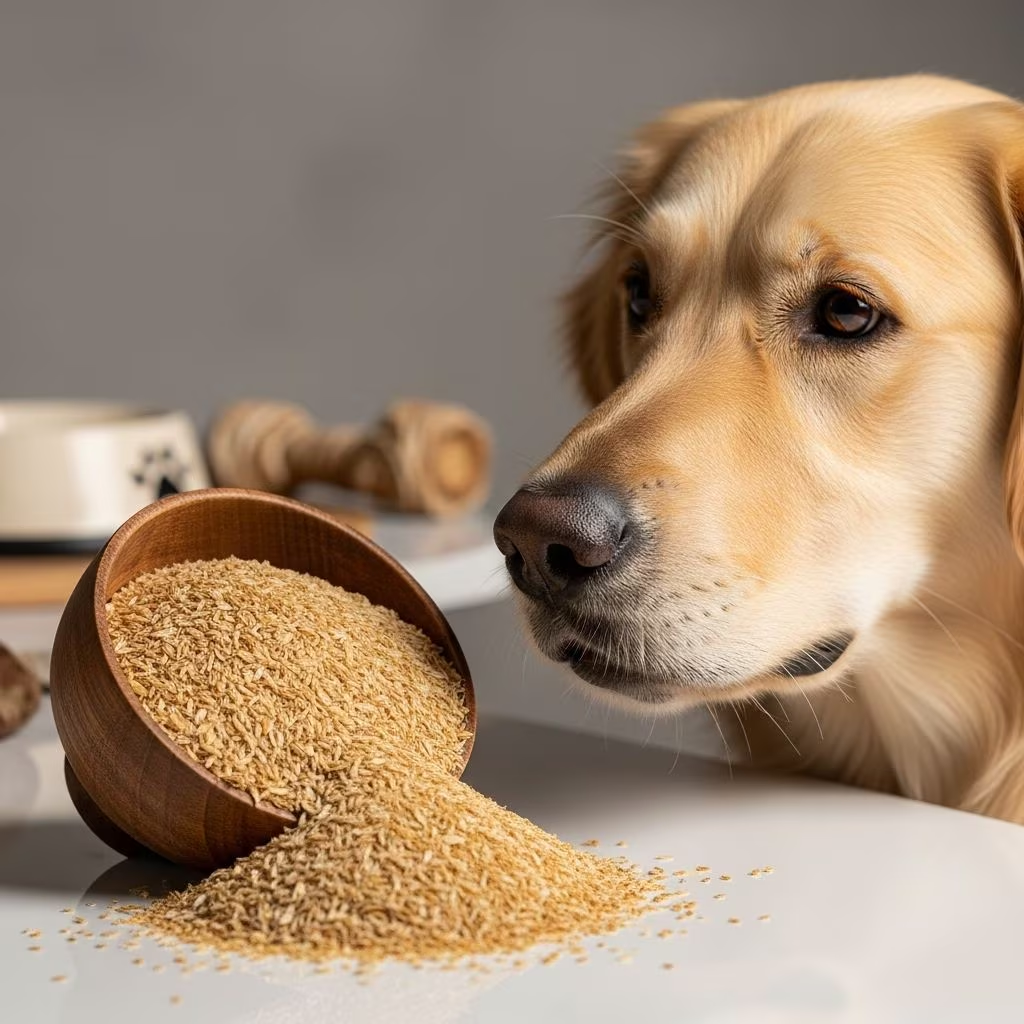
Psyllium husk serves as a natural fiber source that many veterinarians recommend for dogs experiencing digestive challenges. Derived from the seeds of the Plantago ovata plant, this soluble fiber absorbs water in the intestines, helping to regulate stool consistency whether a dog is dealing with loose stools or difficulty passing them.
Understanding Psyllium’s Role in Dog Digestion
Psyllium functions through its unique ability to expand when mixed with water, forming a gel-like substance in the gut. This process softens hard stools for easier passage in constipated dogs while absorbing excess moisture in cases of diarrhea, promoting firmer output. The dual-action mechanism stems from its blend of soluble and insoluble fibers: soluble fiber draws in fluids and slows transit time, whereas insoluble fiber adds bulk and stimulates intestinal motility.
For dogs with chronic large-bowel diarrhea, clinical studies demonstrate psyllium’s effectiveness. In one trial, dogs unresponsive to standard diets showed marked improvement when psyllium was added, with most achieving good to excellent fecal consistency. This makes it a valuable adjunct for conditions like idiopathic diarrhea or those linked to dehydration from kidney issues.
Common Digestive Issues Addressed by Psyllium
- Constipation: Particularly beneficial for senior dogs or those with dehydration-related blockages, psyllium bulks stool and facilitates movement.
- Diarrhea: Firms loose stools by binding water, as evidenced in veterinary trials combining it with digestible diets.
- Anal Gland Problems: By promoting fuller, firmer stools, it aids natural expression of glands, reducing impaction risks.
- General Fiber Deficiency: Supports overall bowel regularity in dogs on low-fiber commercial foods.
Safe Forms and Product Selection
Not all psyllium products suit dogs. Opt for plain, unflavored powders or capsules to avoid harmful additives. Flavored varieties, wafers, or gummies often include xylitol, an artificial sweetener toxic to dogs, causing severe hypoglycemia or liver failure.
| Recommended Forms | Avoid | Reason |
|---|---|---|
| Unflavored powder | Gummies | Xylitol toxicity |
| Capsules (e.g., Vetasyl®) | Flavored powders | Artificial sweeteners/sugars |
| Pure psyllium husk | Wafers | Added fillers harmful to pets |
Always scrutinize labels for inactive ingredients. Pet-specific brands like Vetasyl® provide a convenient, vet-formulated option.
Dosing Guidelines for Different Dog Sizes
Veterinarians tailor dosages based on weight, starting low to monitor tolerance. General guidelines include:
- Small dogs (<35 lbs): ¼ teaspoon, 1-2 times daily.
- Medium dogs (35-50 lbs): ½ teaspoon, 1-2 times daily.
- Large dogs (>50 lbs): 1 teaspoon, 1-2 times daily.
In clinical settings, initial doses around 2 tablespoons daily have been used for adults, adjusted downward as needed. Mix into wet food or water, ensuring ample hydration—psyllium requires water to activate without risking obstruction. Consult a vet for precise amounts, especially for puppies or dogs with health conditions.
Essential Precautions and Hydration
Hydration is paramount; without sufficient water, psyllium can swell and cause esophageal or intestinal blockages. Provide constant fresh water access and observe drinking habits. Other precautions:
- Avoid in cases of known obstructions, megaesophagus, or severe vomiting.
- Monitor puppies closely, as excess fiber may impair nutrient uptake.
- Space from other medications to prevent interference.
Side effects are rare at proper doses but may include flatulence, diarrhea from overuse, or constipation if water is inadequate.
Psyllium vs. Other Fiber Sources
Compared to canned pumpkin, another popular remedy, psyllium offers concentrated soluble fiber ideal for both constipation and diarrhea. Pumpkin provides milder, mixed fibers but lacks psyllium’s gelling potency. Neither replaces veterinary care for persistent issues.
| Fiber Source | Best For | Texture Impact |
|---|---|---|
| Psyllium Husk | Constipation/Diarrhea | Bulks and gels stool |
| Canned Pumpkin | Mild GI upset | Adds bulk, softens mildly |
| Sweet Potato | General fiber | Insoluble, promotes motility |
Integrating Psyllium into Daily Routines
Introduce gradually over 3-5 days to minimize gas. For chronic use, pair with high-fiber diets or probiotics for synergistic effects. Track stool quality and adjust as response stabilizes—many dogs need only maintenance doses. Regular exercise complements fiber’s benefits by enhancing gut motility.
When to Seek Veterinary Advice
Psyllium aids minor issues but signals deeper problems warrant professional evaluation. Red flags include blood in stool, prolonged symptoms (>48 hours), vomiting, lethargy, or weight loss. Vets may recommend diagnostics like fecal tests or imaging before fiber therapy.
Real-World Applications and Vet Insights
Integrative vets praise psyllium for its versatility in managing dehydration-induced constipation or post-surgical recovery. Studies affirm its role in refractory diarrhea, often succeeding where diets alone fail. Owners report improved anal gland health and fewer scooting episodes with consistent use.
Frequently Asked Questions
Can all dogs use psyllium husk?
Most can, but consult a vet for those with GI obstructions, kidney disease, or on medications.
How quickly does it work?
Effects appear within 12-48 hours for acute issues; chronic cases may take days.
Is it safe long-term?
Yes, at adjusted doses with hydration, but periodic vet check-ins advised.
What if my dog refuses it?
Mix into flavorful wet food or broth; capsules can be hidden in treats.
Alternatives if psyllium isn’t suitable?
Vet-prescribed fibers or diet changes; pumpkin for mild cases.
Conclusion
Psyllium husk stands out as a safe, effective fiber supplement for canine digestive wellness when used correctly. Prioritizing vet guidance, proper forms, and hydration maximizes benefits while minimizing risks.
References
- Metamucil for Dogs: Can I Safely Give It to My Dog? — ToeGrips. 2023. https://toegrips.com/metamucil-for-dogs/
- Psyllium (Metamucil®) for Dogs and Cats — PetPlace.com. N/A. https://www.petplace.com/article/drug-library/drug-library/library/psyllium-metamucil-for-dogs-and-cats
- Treatment of chronic idiopathic large-bowel diarrhea in dogs with a … — PubMed (Journal of Veterinary Internal Medicine). 1999-12-01. https://pubmed.ncbi.nlm.nih.gov/10668813/
- Metamucil For Dogs — Whole Dog Journal. N/A. https://www.whole-dog-journal.com/health/metamucil-for-dogs/
- Psyllium Husk for Dogs: Science-Based Benefits, Dosage and Use — Animals Matter. N/A. https://animalsmatter.com/blogs/news/psyllium-husk-for-dogs-science-based-benefits-dosage-amp-safe-use
- Psyllium Fiber Capsules — VCA Animal Hospitals. N/A. https://vcahospitals.com/know-your-pet/psyllium-fiber-capsules



