

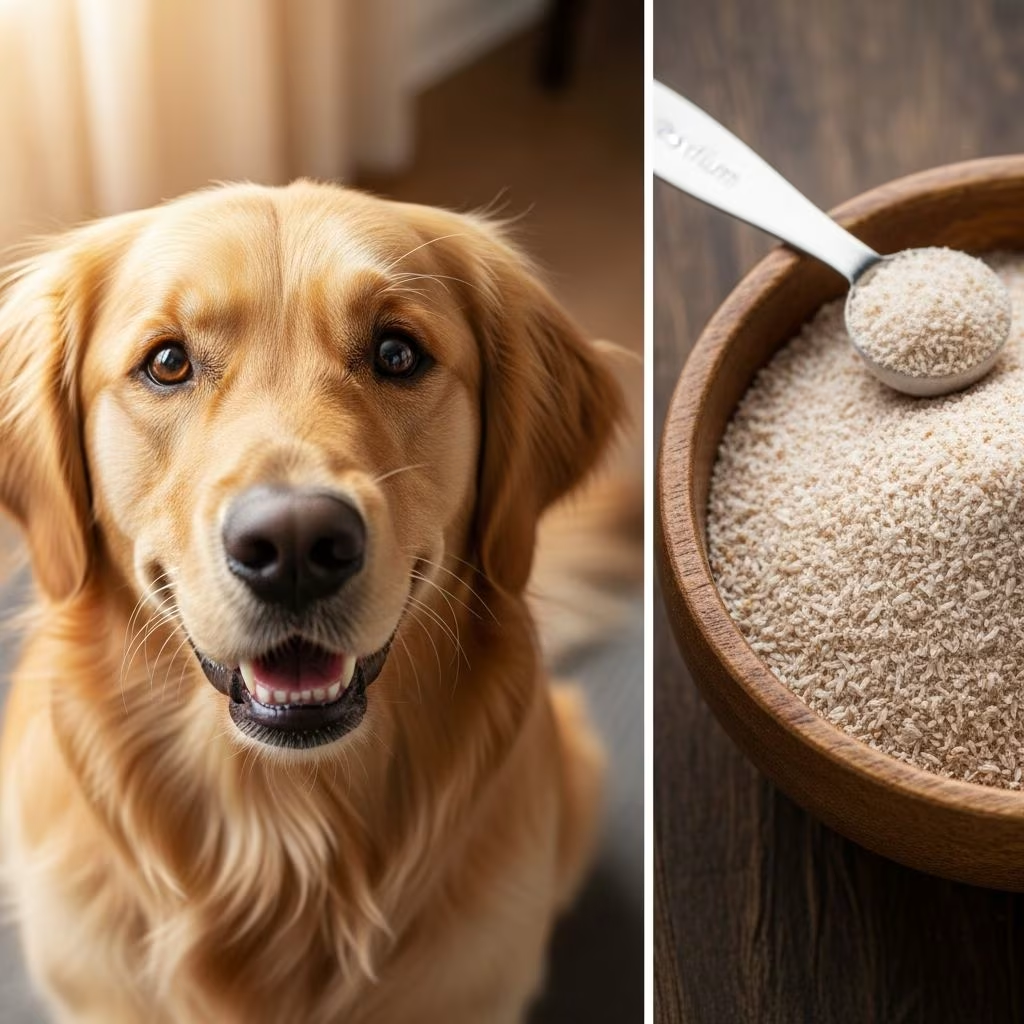
Psyllium husk, derived from the seeds of the Plantago ovata plant, serves as a potent soluble fiber supplement for dogs, helping to regulate digestion and promote overall gut wellness. This natural aid absorbs water in the intestines to form a gel-like substance that normalizes stool consistency, addressing common issues like loose stools or constipation.
Understanding Psyllium Husk and Its Role in Canine Nutrition
Soluble fiber like psyllium husk stands out for its ability to swell upon contact with water, creating bulk in the digestive tract without harsh laxative effects. In dogs, it interacts with gut bacteria through a prebiotic mechanism, fostering beneficial microbes that produce short-chain fatty acids (SCFAs) essential for colon health. Unlike insoluble fibers that simply add bulk, psyllium’s gel-forming properties make it ideal for gentle, daily support.
Pure psyllium husk powder—free from additives, sugars, or flavors—is the recommended form for canine use. Human products often contain unsafe ingredients, so pet owners must select plain, ground husk from reputable sources. Its bioactive elements, including hemicellulose mucilage and arabinoxylans, contribute to improved microbial diversity and reduced inflammation in the gut lining.
Key Digestive Benefits for Your Dog
Psyllium husk excels in managing a range of bowel irregularities. For dogs with chronic diarrhea, particularly large-bowel types, it reduces defecation frequency and firms stools by slowing intestinal transit and binding excess water. Studies on working dogs confirm its efficacy in idiopathic cases, leading to more formed, easier-to-pass stools.
- Stool Normalization: Balances loose or hard stools by absorbing water or softening masses.
- Constipation Relief: Increases stool volume gently, easing passage without straining.
- Diarrhea Management: Provides a stable substrate for gut fermentation, promoting firmer output.
Beyond basics, it cleanses the colon by binding toxins and waste, potentially lowering risks of gastrointestinal disorders. Dogs with gas or bloating experience relief as the lubricant-like gel facilitates smoother food transit. Consistent use over weeks supports predictable bowel habits, enhancing comfort.
Enhancing Anal Gland Health Naturally
One of psyllium’s standout applications is supporting anal gland function. Firm yet bulky stools created by the fiber apply natural pressure during defecation, promoting spontaneous expression of glands—a common issue in small breeds. This reduces scooting, discomfort, and the need for manual emptying, improving quality of life for dogs and owners alike.
Smaller dogs, predisposed to impactions, benefit most, but any breed with inconsistent stools can see improvements. By optimizing consistency, psyllium prevents buildup that leads to infections or abscesses.
Weight Management and Metabolic Support
High-fiber content in psyllium husk promotes satiety by delaying stomach emptying and slowing glucose absorption, helping overweight dogs feel full longer on calorie-restricted diets. This adjunct to exercise and balanced feeding curbs overeating effectively.
Metabolic perks include moderated blood sugar spikes, lower insulin responses, and improved lipid profiles—relevant for aging dogs prone to related issues. While not a standalone fix, it complements veterinary weight plans.
| Benefit | Mechanism | Dog Profile |
|---|---|---|
| Appetite Control | Increased satiety via gel formation | Overweight or obese dogs |
| Blood Sugar Stability | Slowed glucose uptake | Senior or diabetic-prone breeds |
| Lipid Improvement | Binds fats in gut | Dogs with high cholesterol |
Prebiotic Effects and Gut Microbiome Balance
Psyllium acts as a prebiotic, feeding beneficial bacteria to boost SCFAs that nourish gut cells and strengthen barriers. Over 90 days, this fosters microbial diversity, vital for long-term digestive resilience. Fermentation byproducts support detoxification and reduce pathogen overgrowth.
For holistic wellness, pair with other fibers like pumpkin for broader effects, but psyllium’s soluble nature targets microbiome health uniquely.
Safe Dosage Guidelines by Dog Size
Dosage depends on weight; always start low to avoid bloating and ensure ample water intake—fiber without hydration risks obstruction.
| Dog Weight | Daily Dose (tsp powder) | Frequency |
|---|---|---|
| Under 10 lbs | 1/8 – 1/4 | Once daily |
| 10-25 lbs | 1/4 – 1/2 | Once or split |
| 25-50 lbs | 1/2 – 1 | Split twice daily |
| Over 50 lbs | 1 – 2 | Split twice daily |
Mix into wet food or broth; introduce over 3-5 days. Monitor for 48 hours. Puppies, pregnant dogs, or those on meds need vet clearance due to absorption interference.
Potential Side Effects and Precautions
Generally safe, but rapid introduction causes gas, cramps, or loose stools. Rare choking risks occur without water. Contraindicated in bowel obstructions or dehydration. Consult vets for chronic cases or medications.
- Ensure constant fresh water access.
- Avoid flavored human versions.
- Discontinue if vomiting or lethargy appears.
How to Introduce Psyllium Husk Step-by-Step
- Consult your veterinarian for personalized approval.
- Choose pure husk powder.
- Start with 25% of target dose for 3 days.
- Mix thoroughly into moist meals.
- Gradually increase while observing stool and behavior.
- Maintain with water and monitor long-term.
Combining with Other Supplements
Psyllium pairs well with probiotics for microbiome synergy or pumpkin for insoluble fiber balance. Avoid overloading fiber; vet guidance prevents imbalances.
Frequently Asked Questions (FAQs)
Is psyllium husk safe for all dogs?
Yes for most healthy adults, but consult a vet for puppies, seniors, or those with health conditions.
How long until I see results?
Improvements in stool may appear in days; microbiome benefits take weeks to months.
Can it replace a high-fiber diet?
No—it’s a supplement to balanced nutrition, not a substitute.
What if my dog refuses it?
Hide in tasty bases like yogurt (plain) or broth; try capsules if needed.
Does it help with allergies or skin issues?
Indirectly via gut health, but not a primary treatment.
Real-World Applications and Vet Insights
Veterinarians often recommend psyllium for recurrent loose stools unresponsive to diet alone. In working dogs, it cut diarrhea episodes significantly. For home use, it’s cost-effective and non-invasive, fitting preventive care routines.
Success hinges on consistency, hydration, and professional oversight. Track progress with stool logs to adjust dosing.
References
- Psyllium Husk for Dogs: Science-Based Benefits, Dosage & Safe Use — Animals Matter. 2023. https://animalsmatter.com/blogs/news/psyllium-husk-for-dogs-science-based-benefits-dosage-amp-safe-use
- The Benefits of Psyllium Husk for Dogs — Dragonfly Products. 2023. https://dragonflyproducts.co.uk/blogs/dog-health/psyllium-husk-for-dogs-what-is-it-and-what-are-the-benefits
- Psyllium Seed Husk for Dogs: Key Potential Benefits — PetLab Co. 2024. https://thepetlabco.com/learn/dog/health-wellness/psyllium-seed-husk-for-dogs
- Psyllium Husk for Dogs – Benefits & Usage Tips — Jope. 2024. https://petjope.com/blogs/ingredients/psyllium-husk-for-dogs
- The use of soluble fibre for the management of chronic idiopathic large-bowel diarrhoea in working dogs — PubMed (peer-reviewed). 2021-02-15. https://pubmed.ncbi.nlm.nih.gov/33653329/



