

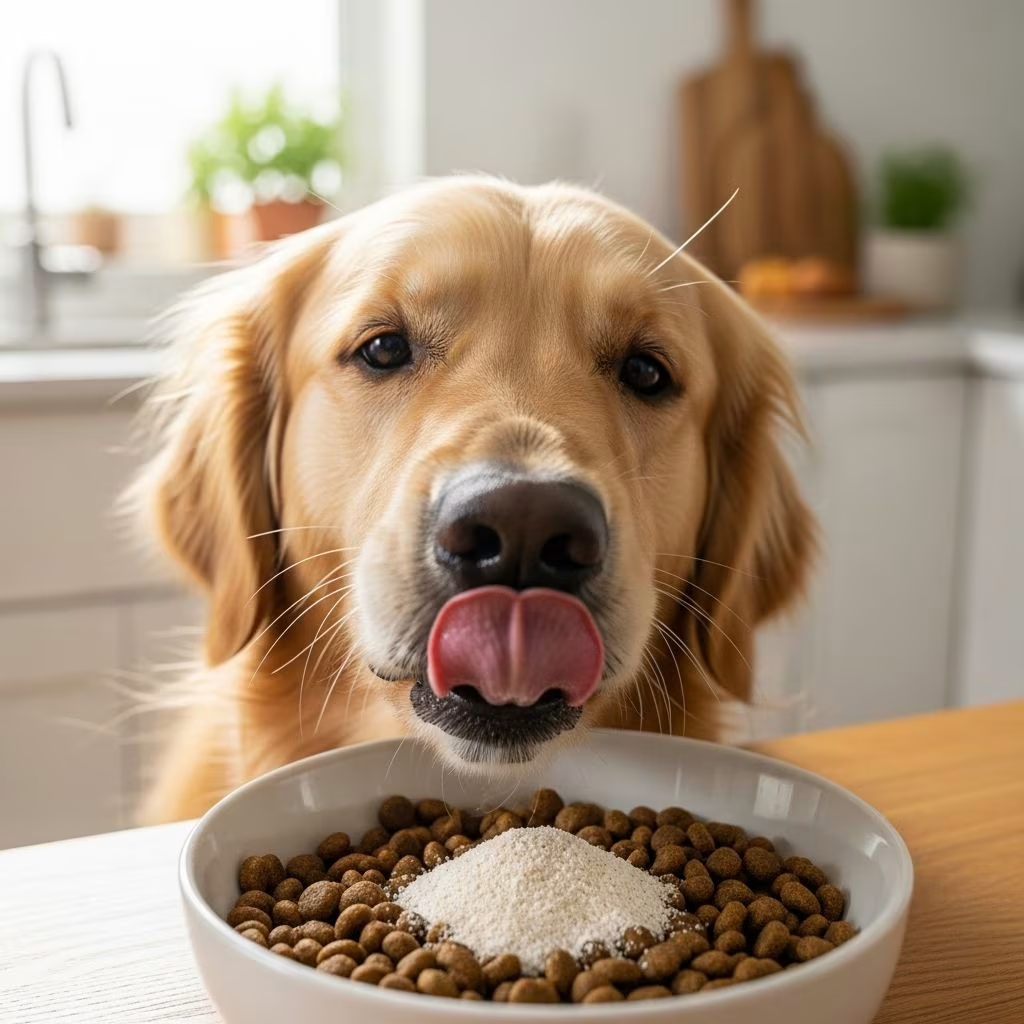
Psyllium husk, the primary ingredient in popular fiber supplements like Metamucil, offers pet owners a gentle, effective way to address common gastrointestinal challenges in dogs. This soluble fiber source absorbs water in the gut, helping to regulate stool consistency whether dealing with loose stools or stubborn constipation.
Understanding Psyllium’s Role in Canine Digestion
Derived from the seeds of the Plantago ovata plant, psyllium functions as both a soluble and insoluble fiber. Soluble psyllium forms a gel-like substance when mixed with water, softening hard stools and slowing intestinal transit to firm up diarrhea. Insoluble components add bulk, stimulating bowel movements and promoting regularity.
Veterinarians often recommend it for conditions like chronic loose stools, fiber-deficient diets, and even supportive care in irritable bowel scenarios. Research, including a study in the Journal of Veterinary Internal Medicine, demonstrated positive outcomes when psyllium was combined with specialized diets for dogs with persistent diarrhea, with many showing marked improvement in fecal quality.
Key Benefits for Your Dog’s Gut Health
- Constipation Relief: By drawing moisture into the colon, psyllium softens impacted stools, making elimination easier—ideal for seniors, dehydrated pets, or those with kidney-related slowdowns.
- Diarrhea Management: It absorbs excess water, binding loose stools and reducing frequency, as evidenced in clinical trials where it outperformed diet alone.
- Anal Gland Support: Firmer, bulkier stools from added fiber help express glands naturally, preventing painful impactions common in small breeds.
- Overall Bowel Regularity: Promotes healthy gut motility without harsh laxatives, suitable for long-term use under supervision.
Selecting the Right Psyllium Product for Dogs
Not all psyllium products suit canine use. Opt for plain, unflavored powders or capsules to avoid toxic additives. Human formulations like flavored powders, wafers, or gummies frequently include xylitol—a sugar alcohol lethally toxic to dogs, causing rapid blood sugar drops and liver failure.
| Product Type | Safety for Dogs | Reasons |
|---|---|---|
| Unflavored Powder/Capsules | Safe | Pure psyllium; high fiber concentration; no additives. |
| Flavored Powders | Risky | May contain xylitol, sugars, or artificial flavors. |
| Gummies/Wafers | Unsafe | High xylitol content; toxic even in small amounts. |
| Pet-Specific Formulas | Safe | Vet-formulated without harmful ingredients. |
Always scrutinize labels and consult your vet. Brands like Vetasyl offer canine-tailored capsules for convenience.
Safe Dosing Guidelines Tailored to Size
Dosage depends on your dog’s weight and condition. Start conservatively to monitor tolerance, mixing into meals with ample wet food or broth for palatability.
- Small Dogs (<35 lbs): ¼ teaspoon, 1-2 times daily.
- Medium Dogs (35-50 lbs): ½ teaspoon, 1-2 times daily.
- Large Dogs (>50 lbs): 1 teaspoon, 1-2 times daily.
Administer with a full bowl of fresh water—psyllium expands significantly, and insufficient hydration risks blockages. Divide doses if using twice daily, and adjust based on stool response. Puppies and growing dogs require caution to avoid nutrient interference.
Potential Risks and How to Mitigate Them
Psyllium is well-tolerated at proper doses, but overuse can lead to gas, bloating, or alternating constipation/diarrhea. Rare but serious issues include esophageal impaction if water intake lags.
| Risk Factor | Prevention Strategy |
|---|---|
| Obstruction | Ensure constant water access; monitor drinking. |
| Flatulence | Start with low dose; introduce gradually. |
| Nutrient Malabsorption (Puppies) | Use short-term; vet oversight required. |
| Drug Interactions | Space 2 hours from medications. |
Contraindications include known blockages, megaesophagus, or severe dehydration. Never use without veterinary clearance if symptoms persist beyond 48 hours.
Psyllium vs. Other Fiber Options: Pumpkin and Beyond
Compared to canned pumpkin (another fiber staple), psyllium provides more concentrated soluble fiber, excelling in diarrhea control. Pumpkin offers milder bulk with added moisture, better for simple constipation. Combining them can optimize results, but introduce one at a time.
- Psyllium Advantages: Stronger stool firming; research-backed for chronic cases.
- Pumpkin Pros: Tasty, nutrient-rich; gentler intro for picky eaters.
- Alternatives: Beet pulp in kibble, chicory root, or vet-prescribed fibers.
Real-World Applications and Success Stories
Integrative vets like Dr. Julie Buzby highlight psyllium’s versatility for dehydrated seniors or post-surgical recovery. Owners report firmer stools within 24-48 hours, reduced anal gland vet visits, and calmer bowels during diet transitions.
For chronic conditions like colitis or post-antibiotic imbalance, it serves as a foundational therapy alongside probiotics. Long-term users note sustained regularity without dependency.
When to Consult a Veterinarian
Psyllium shines for mild, self-limiting issues, but red flags demand professional input: blood in stool, vomiting, lethargy, or no improvement in 2 days. Underlying causes like parasites, allergies, or obstructions mimic simple GI upset—fiber alone won’t suffice and could worsen matters.
Routine check-ins ensure compatibility with health history, especially in multi-medicated or renal-compromised dogs.
Frequently Asked Questions
Can all dogs take psyllium husk?
Most can, but avoid in cases of obstruction, severe illness, or without water access. Vet approval is essential.
How quickly does it work?
Effects often appear in 12-72 hours; consistency improves over days.
Is it safe long-term?
Yes, for months or years with monitoring—no dependency forms.
What if my dog refuses it?
Mix into wet food, yogurt, or broth. Capsules can be hidden in treats.
Human Metamucil or pet version?
Plain human versions work if additive-free; pet formulas simplify safety.
Integrating Psyllium into a Holistic Wellness Plan
Pair with hydration boosts, exercise, and balanced diets for amplified benefits. High-fiber kibble complements supplementation, while omega-3s soothe inflammation. Track stool via a journal to fine-tune intake.
Transitioning off requires gradual reduction to prevent rebound issues. Annual bloodwork monitors overall health impacts.
References
- Metamucil for Dogs: Can I Safely Give It to My Dog? — ToeGrips. 2023. https://toegrips.com/metamucil-for-dogs/
- Psyllium (Metamucil®) for Dogs and Cats — PetPlace.com. N/A. https://www.petplace.com/article/drug-library/drug-library/library/psyllium-metamucil-for-dogs-and-cats
- Metamucil For Dogs — Whole Dog Journal. N/A. https://www.whole-dog-journal.com/health/metamucil-for-dogs/
- Psyllium Husk for Dogs: Science-Based Benefits, Dosage and Use — Animals Matter. N/A. https://animalsmatter.com/blogs/news/psyllium-husk-for-dogs-science-based-benefits-dosage-amp-safe-use
- Psyllium Fiber Capsules — VCA Animal Hospitals. N/A. https://vcahospitals.com/know-your-pet/psyllium-fiber-capsules



