

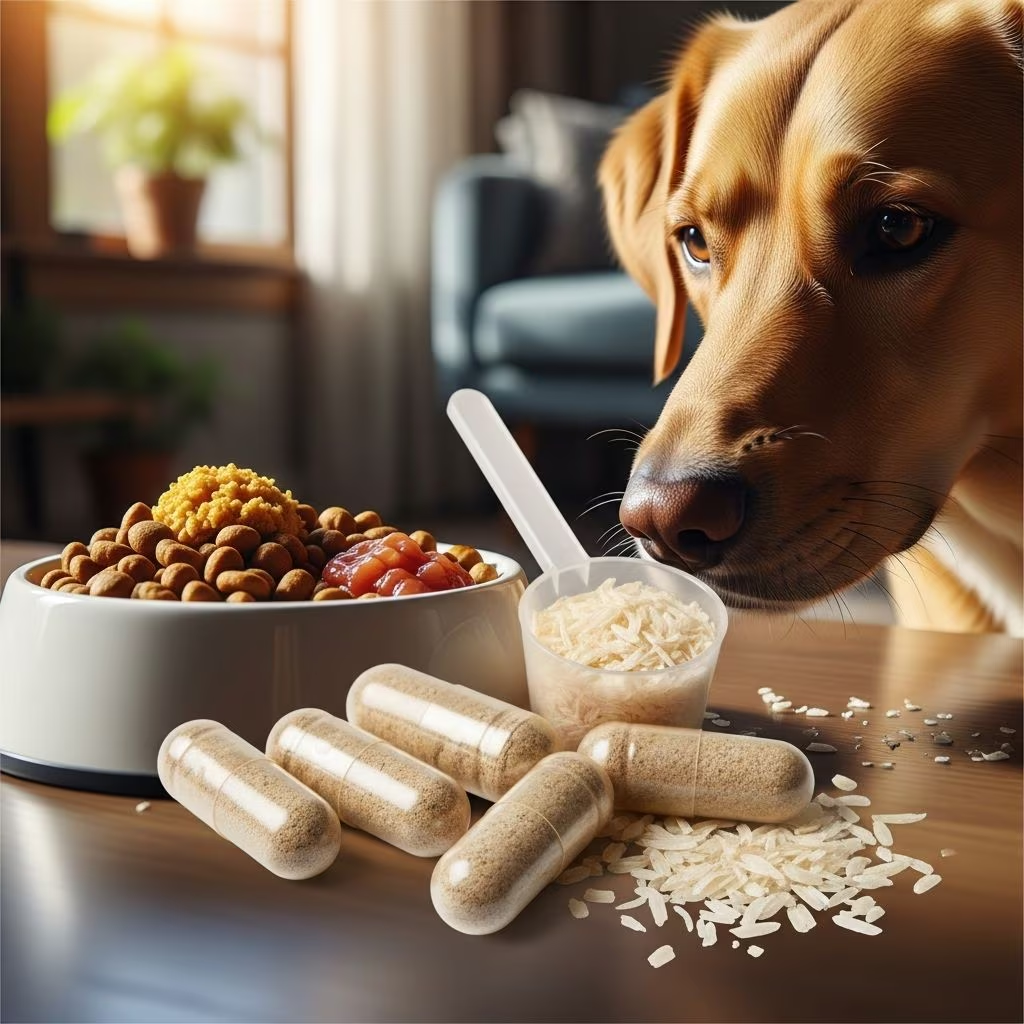
Understanding Psyllium Fiber Capsules for Your Pet
Psyllium fiber capsules, commonly known by the brand name Vetasyl®, are specialized fiber supplements formulated to support digestive health in both cats and dogs. These supplements play an important role in maintaining optimal bowel function and addressing various gastrointestinal concerns. As a pet owner, understanding how these supplements work and their proper application can significantly improve your pet’s digestive comfort and overall well-being.
Vetasyl® contains psyllium seed husks combined with barley malt extract powder, all contained within gelatin capsules for convenient administration. The formulation is specifically designed for veterinary use, making it a trusted option for pet digestive support. However, it’s essential to recognize that just because a product is natural does not mean it is automatically safe. All supplements, including psyllium fiber products, should be used according to veterinary recommendations and may carry potential risks if misused or administered at inappropriate doses.
What is Psyllium and How Does It Work?
Psyllium is a soluble fiber derived from the seeds of the Plantago ovata plant. When introduced into the digestive system, psyllium works by absorbing water and expanding within the intestinal tract. This mechanism of action makes it particularly effective for addressing multiple digestive issues. The fiber swells as it absorbs moisture, which increases the size and bulk of feces, facilitating smoother passage through the gastrointestinal system.
This unique property makes psyllium particularly versatile in treating various digestive conditions. For constipated pets, the increased bulk and moisture content help stimulate normal bowel movements. Conversely, in animals experiencing diarrhea, psyllium can help absorb excess water and firm up stools, promoting more normal fecal consistency. Additionally, psyllium can provide relief for pets experiencing discomfort related to anal gland issues by promoting regular bowel movements and improving stool consistency.
Common Uses of Psyllium Fiber for Pets
Veterinarians recommend psyllium fiber supplements for several gastrointestinal conditions in pets. The most common applications include:
Constipation Management: Psyllium is particularly useful for pets that consume insufficient fiber in their regular diet or for animals where straining during defecation could pose health risks. The supplement helps promote regular, healthy bowel movements without requiring the pet to exert excessive effort.
Diarrhea Management: For pets suffering from chronic, watery diarrhea, psyllium helps increase stool consistency by absorbing excess water in the intestinal tract. This application has proven especially effective for chronic large-bowel diarrhea, with studies showing significant improvements in stool quality and defecation frequency.
Anal Gland Support: By promoting regular and consistent bowel movements, psyllium can help address anal gland issues that arise from insufficient stool bulk or irregular defecation patterns. The improved stool consistency naturally supports healthier anal gland function.
Digestive Comfort: Pets experiencing gas, bloating, or general digestive discomfort may benefit from psyllium supplementation. The fiber-rich formula improves food movement through the bowel, reducing gas production and associated discomfort.
Weight Management: The high fiber content in psyllium helps pets feel fuller for longer, which can aid in weight management and appetite control, particularly beneficial for senior dogs prone to obesity.
How to Administer Psyllium to Your Pet
Proper administration ensures your pet receives the maximum benefit from psyllium supplements while minimizing any potential discomfort. Here are the key guidelines for giving psyllium to your pet:
Capsule Administration: Psyllium comes in convenient capsule form designed for oral administration. You have two options for giving the medication to your pet: you can administer the capsule directly by mouth, or you can open the capsule and sprinkle the contents over your pet’s food. Many pet owners find the second method easier, particularly with cats or pets resistant to taking capsules.
With Food: Always give psyllium with food to ensure optimal tolerance and absorption. This practice also helps mask any taste the pet might otherwise notice. Whether administering the capsule whole or opening it and mixing the contents with food, pairing it with a meal improves palatability and reduces the likelihood of gastrointestinal upset.
Hydration is Critical: Perhaps the most important aspect of psyllium administration is ensuring your pet has constant access to fresh, clean water. Since psyllium works by absorbing water in the intestinal tract, adequate hydration is essential. Insufficient water intake could potentially lead to intestinal blockage, so always maintain ample water availability throughout the treatment period.
Complete Treatment Course: Continue giving this medication for the entire duration prescribed by your veterinarian, even if your pet appears to be feeling better. Completing the full course ensures optimal therapeutic benefit and helps prevent recurrence of the condition.
Dosage Guidelines: For dogs weighing approximately 50 pounds, the typical dosage is up to one teaspoon twice daily. Medium-sized dogs weighing between 35 to 50 pounds should receive no more than half a teaspoon, while small dogs are best limited to a quarter teaspoon maximum. Always start with lower doses and gradually increase to find the lowest effective dose for your individual pet.
Timeline for Effectiveness
One of the most common questions pet owners ask is how quickly they should expect to see results from psyllium supplementation. This medication should take effect within 1 to 2 days, though effects may not be immediately noticeable. Your pet’s clinical signs should improve after this initial period, with many owners reporting visible improvements in bowel movements and stool consistency within the first week of treatment.
However, individual responses can vary based on the specific condition being treated, your pet’s age, overall health status, and concurrent medications. If you notice no improvement after several days, or if symptoms worsen, contact your veterinarian immediately. It’s important to maintain realistic expectations and understand that while psyllium is effective for many pets, some individuals may require additional interventions.
Potential Side Effects and Safety Concerns
When administered appropriately, psyllium fiber is generally well-tolerated by cats and dogs. No known side effects have been formally reported for this supplement when used at recommended doses. However, pet owners should remain vigilant for any unusual reactions, particularly during the initial stages of treatment.
While rare, some pets may experience an allergic reaction to psyllium or one of its components. Signs of allergic reaction requiring immediate veterinary attention include:
– Irregular or difficulty breathing
– Skin rash or hives
– Fever
– Puffiness and swelling around the face, lips, or throat
It’s important to understand that drug sensitivities can develop over time with repeated exposure. Your pet may tolerate the first few doses perfectly well but develop a sensitivity later in the treatment course. This is why monitoring your pet throughout the entire treatment duration is crucial. If you notice anything unusual or concerning, contact your veterinarian immediately rather than continuing the medication.
This medication is short-acting, meaning its effects typically last less than 24 hours. However, pets with kidney or liver disease may experience prolonged effects due to altered metabolism, so inform your veterinarian of any existing health conditions before starting treatment.
Risk Factors and Contraindications
While psyllium is generally safe, certain situations require caution or prohibit its use entirely. Do not use psyllium in pets who fall into the following categories:
Allergy or Hypersensitivity: If your pet has a known allergy to psyllium or any component of the medication, use is contraindicated. Some pets may be sensitive to gelatin or barley malt extract, so discuss any known allergies with your veterinarian.
Suspected Intestinal Blockage: Do not administer psyllium to pets suspected of having or at risk of developing an intestinal blockage. Since psyllium absorbs water and increases stool bulk, it could potentially worsen a blockage situation. Your veterinarian must rule out intestinal obstruction before prescribing this supplement.
Sensitive Digestive Systems: Pets with extremely sensitive stomachs or specific digestive disorders may not tolerate psyllium well. These pets require careful evaluation by a veterinarian before starting supplementation.
Important Drug Interactions
Certain medications should be used with caution when given concurrently with psyllium fiber. Pet owners must inform their veterinarian of all medications, vitamins, supplements, and herbal therapies their pet is currently taking before starting psyllium treatment. Medications requiring special consideration include:
Antidiabetic Agents: There is an increased risk of hypoglycemia (low blood sugar) when psyllium is given alongside diabetes medications. Pets on these medications require closer monitoring of blood glucose levels.
Aspirin: Use with caution when combined with psyllium, as interaction effects are possible.
Digoxin: This cardiac medication requires careful monitoring when used with psyllium, as absorption may be affected.
Nitrofurantoin: This antibiotic should be used cautiously alongside psyllium supplementation.
Your veterinarian is best positioned to evaluate your pet’s complete medication profile and determine whether psyllium is appropriate or whether dose adjustments of other medications are necessary.
Important Safety Considerations
Before beginning psyllium supplementation, pet owners should understand several critical safety points. Psyllium, while natural, is not automatically safe for all pets. Like any medication or supplement, improper use or excessive doses can lead to adverse effects. Few supplements and herbs have been subjected to rigorous scientific trials to determine their efficacy and long-term safety profiles.
The information about psyllium fiber supplements, while helpful, may be incomplete and may not represent the full range of effects the supplement could have on your specific pet. Individual responses to supplements vary significantly based on age, weight, overall health status, concurrent medications, and underlying conditions.
Your veterinarian is the best and most reliable source of information about the safety of non-drug health products for your pet. Don’t rely solely on general information or advice from non-veterinary sources; always consult with your veterinary professional before starting any new supplement.
Frequently Asked Questions About Psyllium Fiber
Q: What is the brand name for veterinary psyllium fiber capsules?
A: The most common brand name for veterinary psyllium fiber capsules is Vetasyl®, which contains psyllium seed husks and barley malt extract powder in gelatin capsules.
Q: Can I give my pet psyllium meant for human consumption?
A: While plain, unflavored, unsweetened psyllium products designed for humans can sometimes be used for pets, it’s always preferable to use veterinary-formulated products. Human products may contain additives, sweeteners, or flavorings that aren’t appropriate for pets. Choose products specifically made for dogs or cats whenever possible.
Q: How long does psyllium take to work?
A: Psyllium should take effect within 1 to 2 days, though visible improvements may take longer. Effects are typically noticed within the first week of treatment.
Q: What should I do if my pet has an allergic reaction?
A: If your pet shows signs of allergic reaction such as irregular breathing, rash, fever, or facial swelling, contact your veterinarian immediately. Do not continue administering the medication.
Q: Is psyllium safe for senior dogs?
A: Psyllium is generally safe for senior dogs, particularly as it can help with weight management and digestive issues common in older pets. However, always consult your veterinarian before starting any supplement, as senior pets may have multiple health conditions or medications that could interact.
Q: Can I mix psyllium directly into dry food?
A: Yes, you can open the capsules and sprinkle the contents over your pet’s food. Mixing with slightly moistened food may improve palatability and ensure your pet consumes the full dose.
Q: What happens if my pet doesn’t drink enough water while on psyllium?
A: Insufficient water intake while giving psyllium could potentially lead to intestinal obstruction, as the fiber absorbs water in the digestive tract. Always ensure your pet has constant access to fresh water and is drinking adequately.
References
- Psyllium Fiber Capsules — VCA Animal Hospitals. 2024. https://vcahospitals.com/know-your-pet/psyllium-fiber-capsules
- Psyllium: Veterinary Use and Administration — Veterinary Wellness Center of Boerum Hill. 2024. https://boerumhillvet.com/resources/psyllium-information
- VETASYL® Fiber Capsules Product Information — Virbac. 2024. https://us.virbac.com/products/digestive/vetasyl-fiber-capsules
- Psyllium in Veterinary Medicine — Wikipedia. 2024. https://en.wikipedia.org/wiki/Psyllium
- Chronic Large-Bowel Diarrhea Management in Dogs — Petjope Pet Health Guide. 2024. https://petjope.com/blogs/ingredients/psyllium-husk-for-dogs
- Metamucil and Psyllium for Dogs: Usage Guidelines — Whole Dog Journal. 2024. https://www.whole-dog-journal.com/health/metamucil-for-dogs/



