

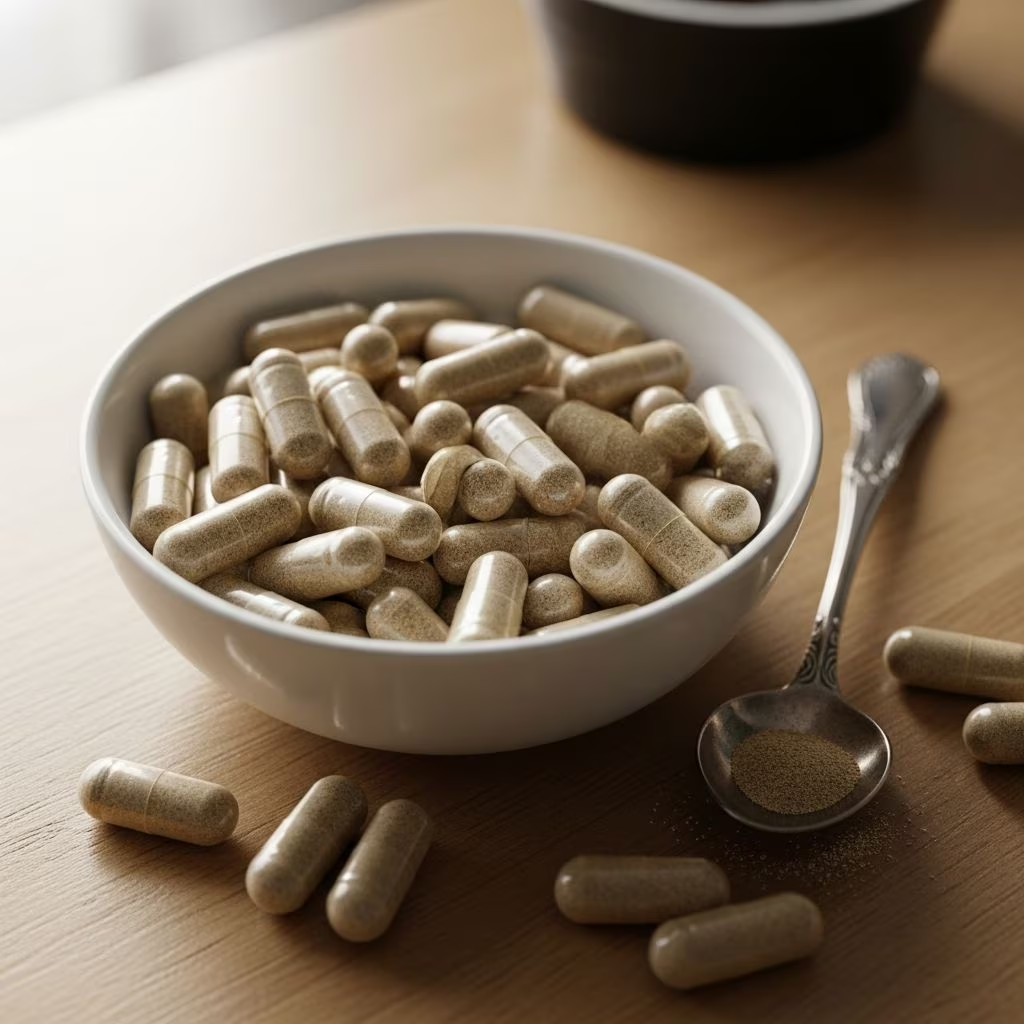
Understanding Psyllium Fiber Capsules for Pets
Psyllium fiber capsules, commonly sold under the brand name Vetasyl®, represent an important therapeutic option for pet owners seeking to support their cat or dog’s digestive health. These fiber supplements work to promote optimal bowel function and are frequently recommended by veterinarians when pets experience digestive challenges or require enhanced gastrointestinal support. Understanding how psyllium works, how to properly administer it, and what to expect can help pet owners make informed decisions about their pet’s health care.
What Is Psyllium and How Does It Work?
Psyllium is a natural, soluble fiber derived from psyllium seed husks that functions as a bulk-forming agent within the digestive tract. The supplement works through a unique mechanism: it absorbs water as it moves through the gastrointestinal system, which causes it to swell and increase the volume and consistency of fecal matter. This action is particularly valuable because it addresses two seemingly opposite digestive conditions—both constipation and diarrhea—by normalizing stool consistency and promoting regular bowel movements.
Vetasyl® specifically combines psyllium seed husks with barley malt extract powder, all contained within gelatin capsules designed for easy administration to pets. The barley malt component enhances palatability, making the supplement more acceptable to cats and dogs who might otherwise resist medication. This formulation makes Vetasyl® a practical choice for veterinarians recommending fiber supplementation to their patients.
Key Benefits of Psyllium Fiber for Pets
Psyllium fiber offers multiple therapeutic benefits that extend beyond simple bowel regulation. Research and clinical experience have demonstrated several important advantages for pets suffering from various digestive conditions:
Diarrhea Management
One of the most significant applications of psyllium fiber is the management of chronic diarrhea, particularly large-bowel diarrhea in dogs. Clinical studies have shown impressive results: in a research study of 22 police working dogs with chronic large-bowel diarrhea receiving psyllium husk supplementation at 4 tablespoons per day for one month, the response to treatment was classified as “very good” in 50% of animals and “good” in 40% of cases. During the supplementation period, defecation frequency decreased from 3.5 to 2.9 times daily, with 90% of animals showing consistent stools and experiencing a mean weight gain of 2 kg. Remarkably, beneficial effects persisted even one month after supplementation ended, suggesting the supplement promotes lasting improvements in digestive function.
Constipation Relief
For pets struggling with constipation, psyllium acts as a gentle yet effective laxative. By absorbing water and increasing stool bulk, it encourages natural bowel movements without the harsh effects associated with other laxative options. This makes it an excellent choice for senior pets or those for whom straining during defecation could pose health risks.
Anal Gland Support
Increased stool bulk from psyllium supplementation plays a crucial role in maintaining healthy anal gland function. Properly formed, bulkier stools create natural pressure that assists in expressing anal glands during defecation, potentially reducing anal gland complications and the associated discomfort many pets experience.
Weight Management
The high fiber content in psyllium helps pets feel fuller for longer periods, which can aid in weight management and appetite control, particularly beneficial for senior dogs prone to obesity due to reduced physical activity and slower metabolism.
Digestive Comfort
Dogs experiencing gas, bloating, or general digestive discomfort may benefit from psyllium’s fiber-rich composition, which improves food movement through the bowel and provides relief from gastrointestinal distress.
How to Administer Psyllium Capsules to Your Pet
Proper administration is essential for ensuring your pet receives maximum benefit from psyllium supplementation. Following your veterinarian’s specific instructions is crucial, as dosage and frequency may vary based on your pet’s individual health status and condition.
Administration Guidelines
Capsule Form: Psyllium comes packaged in gelatin capsules designed for oral administration to cats and dogs.
With Food: Always give psyllium with food to enhance palatability and reduce the risk of gastrointestinal upset. The medication should not be administered on an empty stomach.
Opening Capsules: If your pet refuses to swallow capsules whole, you can open them and sprinkle the contents directly over food. This flexibility makes administration easier for pet owners dealing with resistant animals.
Water Access: Maintaining ample access to fresh, clean water is absolutely essential when your pet is taking psyllium. Because psyllium absorbs water as it moves through the digestive tract, adequate hydration prevents potential esophageal or intestinal obstruction and supports optimal supplement function.
Complete Course: Continue giving psyllium for the entire duration prescribed by your veterinarian, even if your pet appears to feel better. Stopping prematurely may result in a return of digestive symptoms.
Timeline for Effectiveness
Psyllium is a short-acting medication, with effects typically lasting less than 24 hours in most pets, though effects may persist longer in pets with kidney or liver disease. The medication should take effect within one to two days, though noticeable improvements in digestive symptoms may not be immediately apparent. Patience and consistent administration are important during the initial treatment period.
Potential Side Effects and Safety Considerations
When used as directed, psyllium is generally very well tolerated in cats and dogs. However, pet owners should remain vigilant for any adverse reactions, particularly during the initial treatment period.
Reported Side Effects
No known side effects have been formally reported for psyllium supplementation in pets. This excellent safety profile makes it an attractive option for veterinarians and pet owners seeking gentle therapeutic alternatives. However, rare allergic reactions can occur, and drug sensitivities may develop over time with repeated exposure.
Allergic Reaction Symptoms
Although uncommon, if allergic reactions do occur, contact your veterinarian immediately if you notice:
– Irregular or difficult breathing- Rash or skin reactions- Fever- Puffiness or swelling around the face or mouth
It is important to watch for signs of allergic reaction throughout the entire course of treatment, as drug sensitivities can develop after your pet has tolerated initial doses without problems.
Monitoring During Treatment
While administering psyllium, maintain close observation of your pet for any unusual symptoms or behavioral changes. Any deviation from your pet’s normal patterns warrants immediate contact with your veterinarian.
When NOT to Use Psyllium: Important Contraindications
While psyllium is safe for most pets, certain conditions make it inappropriate or potentially dangerous. Do NOT use psyllium in pets who are:
– Allergic to any component of the medication- Suspected to have or are at risk of having an intestinal blockage
Pets with intestinal blockages require different treatment approaches, and adding bulk-forming fiber could worsen the condition. If your pet shows signs of intestinal obstruction—including repeated vomiting, abdominal distension, lethargy, or absence of bowel movements—seek immediate veterinary attention and inform your veterinarian that your pet has been taking psyllium.
Risk Factors and Special Considerations
Certain pet populations require special attention when considering psyllium supplementation. Pets with sensitive stomachs may experience adverse reactions to any new supplement, so introduction should be gradual and monitored carefully. Senior pets, while often good candidates for psyllium due to fiber benefits for weight management, should be evaluated by a veterinarian before beginning supplementation to ensure no underlying conditions contraindicate use.
Pets with kidney or liver disease may experience prolonged medication effects, and dosage adjustments might be necessary. Always inform your veterinarian of any concurrent health conditions or medications your pet is currently taking, as interactions are possible.
Gradual Introduction Protocol
When beginning psyllium supplementation, introduce it gradually to allow your pet’s digestive system to adjust:
– Start with small amounts of the supplement mixed into food- Observe your pet’s reaction during the initial doses- If no adverse effects occur, gradually increase the dose according to veterinarian recommendations- Monitor stool consistency and frequency during the adjustment period
Choosing the Right Psyllium Product
While human psyllium products like Metamucil are available over-the-counter, these are not ideal for pets. Pet-specific formulations like Vetasyl® are preferable because they are specifically formulated for feline and canine metabolism and contain no added sugars, artificial sweeteners, or flavorings that could prove harmful to pets. When selecting a psyllium product, choose formulations created specifically for veterinary use whenever possible.
Frequently Asked Questions About Psyllium Fiber Capsules
Q: How long does it take for psyllium to work in pets?
A: Psyllium typically begins working within 1–2 days, though noticeable improvements in symptoms may take slightly longer. Effects are short-acting, lasting less than 24 hours in most cases, though pets with kidney or liver disease may experience longer-lasting effects.
Q: Can I give psyllium to both my cat and dog?
A: Yes, psyllium fiber capsules are formulated for use in both cats and dogs. However, dosage requirements differ between species, so follow your veterinarian’s specific recommendations for each pet.
Q: What should I do if my pet refuses to take the capsule?
A: You can open the capsule and sprinkle the contents over your pet’s food. Mixing with their regular meal often makes the supplement more palatable and easier to administer.
Q: Is it safe to give psyllium long-term?
A: Psyllium has an excellent safety profile when used as directed. However, the duration of supplementation should be determined by your veterinarian based on your pet’s specific condition and response to treatment.
Q: Why is water so important when giving psyllium?
A: Psyllium absorbs water as it moves through the digestive tract. Without adequate water intake, there is a risk of esophageal or intestinal obstruction. Always ensure your pet has constant access to fresh water during supplementation.
Q: Can psyllium help with my dog’s anal gland problems?
A: Yes, by increasing stool bulk and consistency, psyllium can help maintain proper anal gland function and may reduce anal gland-related issues in some pets.
Q: What conditions does psyllium treat in pets?
A: Psyllium is used to manage chronic diarrhea, particularly large-bowel diarrhea; treat constipation; support anal gland health; aid in weight management; and improve overall digestive comfort.
Q: Are there any drug interactions I should know about?
A: Inform your veterinarian about all medications and supplements your pet is currently taking. While serious interactions are uncommon, your veterinarian should review all concurrent treatments.
Conclusion
Psyllium fiber capsules represent a safe, effective, and gentle approach to supporting pet digestive health. Whether your cat or dog struggles with diarrhea, constipation, anal gland issues, or weight management, psyllium may offer therapeutic benefits when recommended by your veterinarian. The key to successful treatment lies in proper administration, adequate water intake, careful observation for side effects, and consistent follow-through with your veterinarian’s recommendations. Always consult with your veterinary professional before starting any new supplement, as they can evaluate your individual pet’s health status and determine whether psyllium is appropriate for your pet’s specific needs.
References
- The use of soluble fibre for the management of chronic idiopathic constipation in dogs — National Center for Biotechnology Information (NCBI) PubMed. 2021-03-15. https://pubmed.ncbi.nlm.nih.gov/33653329/
- Psyllium Fiber Capsules — VCA Animal Hospitals. 2024. https://vcahospitals.com/know-your-pet/psyllium-fiber-capsules
- Psyllium: Veterinary Clinical Use and Mechanism of Action — Veterinary Wellness Center of Boerum Hill. 2024. https://boerumhillvet.com/psyllium-fiber-capsules/
- VETASYL® Fiber Capsules — Virbac Corporation. 2024. https://us.virbac.com/products/digestive/vetasyl-fiber-capsules



