
Psittacine Nutrition: 5 Core Components For Healthy Parrots
Comprehensive strategies for optimal feeding of parrots and related birds to promote health and longevity in captivity.
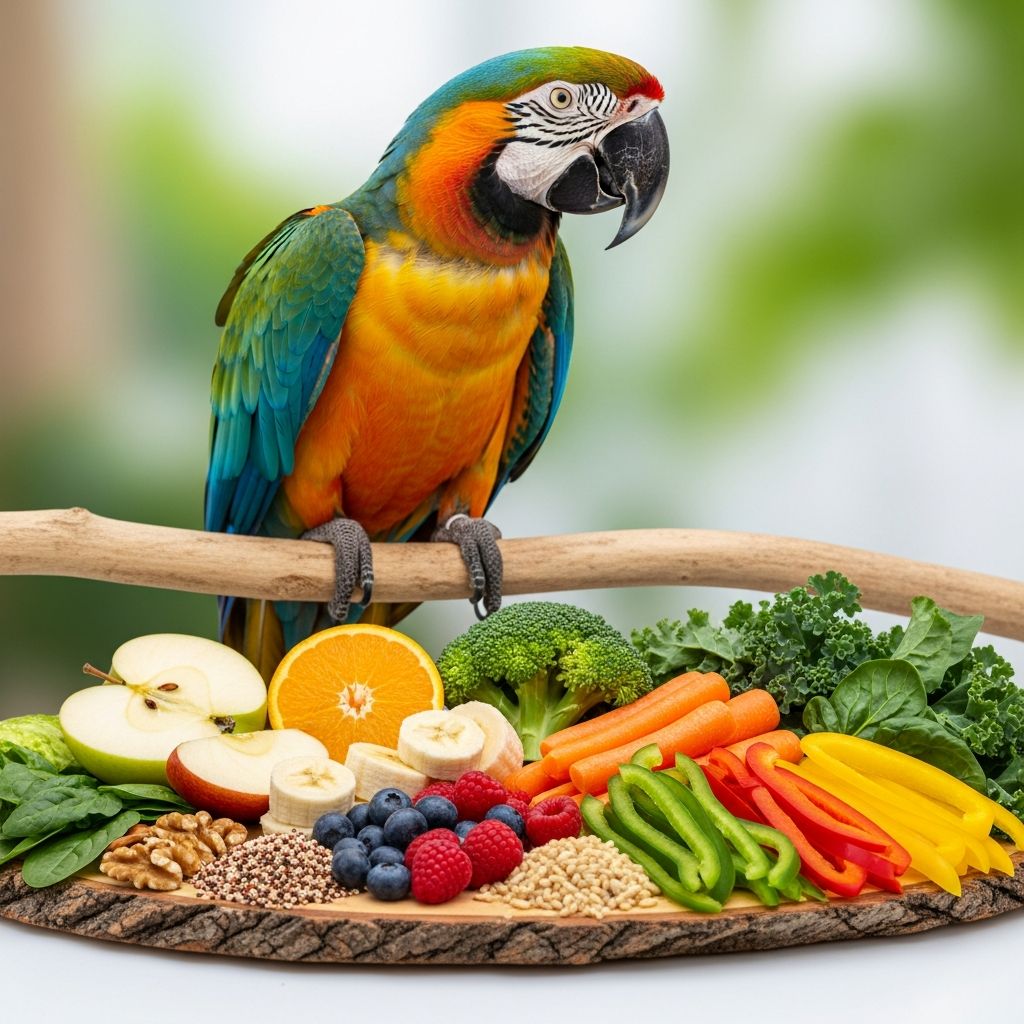
Psittacines, the diverse family encompassing parrots, parakeets, cockatoos, and macaws, thrive when provided with meticulously balanced diets that mimic their natural foraging patterns while addressing captive environments. Proper nutrition underpins feather quality, reproductive success, immune function, and overall vitality, preventing common ailments like obesity, hepatic lipidosis, and nutritional deficiencies.
Core Components of a Balanced Psittacine Diet
A foundational psittacine diet prioritizes formulated pellets as the mainstay, complemented by fresh vegetables, limited fruits, and occasional proteins and seeds. This approach ensures comprehensive nutrient delivery without the excesses inherent in seed-heavy regimens.
- Pellets (50-70% of intake): High-quality, dye-free pellets formulated for specific life stages or health needs supply balanced macronutrients and micronutrients. They should dominate the diet to avoid selective feeding pitfalls.
- Vegetables (20-40%): Nutrient-dense options like leafy greens, cruciferous varieties, and root crops provide vitamins, minerals, and fiber essential for digestion and antioxidant protection.
- Fruits (5-15%): Low-sugar varieties offer hydration and palatability but must be moderated to prevent caloric overload and bacterial risks.
- Proteins and Grains (5-10%): Cooked legumes, sprouted seeds, and grains bolster amino acid profiles during growth, molt, or breeding phases.
- Seeds and Nuts (<10%): Treat-like items reserved for enrichment, as their high fat content suits wild energy demands but risks obesity in pets.
Macronutrient Essentials for Psittacine Health
Psittacines require moderated macronutrient levels compared to production poultry, reflecting their maintenance-oriented metabolism.
| Nutrient | Recommended Level (% of diet) | Key Functions | Sources |
|---|---|---|---|
| Protein | 10-15% (up to 20% in growth/breeding) | Tissue repair, feather production, enzyme synthesis | Cooked beans, lentils, sprouted seeds, pollen |
| Fat | 2-4% (higher in egg-laying) | Energy, vitamin absorption, hormone support | Oily seeds (limited), fish oils |
| Carbohydrates | Balanced via veggies/grains | Sustained energy, gut health | Sweet potatoes, corn, quinoa |
Seed mixes often skew toward excess fats and carbs while skimping on protein, prompting overconsumption and metabolic strain.
Micronutrients: Vitamins and Minerals Demystified
Vital micronutrients safeguard against deficiencies prevalent in all-seed diets, such as hypovitaminosis A or calcium imbalance.
Vitamin Priorities
- Vitamin A (beta-carotene form preferred): Critical for epithelial integrity and immunity; sourced from carrots, sweet potatoes, kale, peppers, and mango. Deficiency manifests as dull feathers and respiratory issues.
- Vitamin D: Synthesized via UVB exposure or dietary egg yolk/fish oils; pairs with calcium for skeletal health.
- Vitamin E and K: Antioxidant protection and clotting from greens, eggs, and gut bacteria.
- Vitamin C: Liver-synthesized but absorption-enhanced by citrus, berries; aids iron uptake.
Mineral Mastery
Calcium-to-phosphorus ratios of 2:1 are imperative; seed diets often invert this to 1:10, fostering rickets or egg-binding.
- Calcium: Dark greens, cuttlebone, oyster shell, cooked bones.
- Phosphorus: Seeds, veggies (abundant, thus balance key).
- Trace minerals (Zinc, Selenium, Manganese): Meats, wheatgerm, seeds for insulin, antioxidants, and reproduction.
Dietary Variations by Psittacine Species and Life Stage
Nutritional tailoring accounts for size, natural history, and physiological demands.
| Species Group | Diet Focus | Special Notes |
|---|---|---|
| Lories/Lorikeets (Nectarivores) | Fruits, pollen, soft foods; low pellets | Avoid dry pellets; supplement insects during breeding. |
| Amazon Parrots, Macaws, Cockatoos (Large Psittacines) | 70% pellets, 20% veggies, minimal seeds/nuts | Prone to obesity; limit fats. |
| Budgies, Cockatiels (Small Granivores) | Seed-pellet mix, grit optional | Higher metabolism tolerates modest seeds. |
| Fig Parrots | Vitamin K-rich greens | Gut bacteria supplementation vital. |
Breeding hens demand elevated protein (20%) and calcium; molting birds need extra calories and amino acids. Juveniles wean directly to pellets.
Practical Feeding Protocols and Enrichment
Implement daily chop mixes: Rotate 8-10 veggies/fruits, chop finely for smaller species, larger chunks for big parrots. Forage enrichment—hiding food in toys or paper—mimics wild behaviors, reducing stereotypic plucking.
- Sprouting seeds/grains boosts nutrition and appeal.
- Grit for seed-eaters: Mineral or oyster types, weekly access.
- Hydration: Fresh water daily; misting encourages preening.
Avoid avocado, chocolate, caffeine, and high-salt foods, which are toxic.
Recognizing and Correcting Nutritional Shortfalls
Signs of imbalance include feather plucking, egg-laying cessation, soft-shelled eggs, or lethargy. Transition diets gradually over 2-4 weeks to prevent refusal. Veterinary bloodwork confirms deficiencies; supplements only under guidance, as excesses harm.
FAQs on Psittacine Nutrition
Can psittacines eat seeds exclusively?
No; seeds lack balance, leading to deficiencies and obesity. Limit to treats.
How much fresh food daily?
30-40% of diet, offered morning and evening for foraging simulation.
Are supplements necessary?
Rarely, if diet diverse; lories may need pollen substitutes.
What about grit or cuttlebone?
Beneficial for small seed-eaters; provides calcium mechanically.
How to fatten thin birds safely?
Increase pellets/proteins, add nuts sparingly; consult vet.
Word count: 1728 (excluding metadata/HTML tags).
References
- Amazon Parrots – Feeding — VCA Animal Hospitals. 2024. https://vcahospitals.com/know-your-pet/amazon-parrots-feeding
- Part One – Dietary Needs of Parrots — The Parrot Society UK. 2023. https://theparrotsocietyuk.org/site/index.php/parrot-information/pet-parrots/parrot-nutrition/part-one-dietary-needs-of-parrots/
- The Best Parrot Diet (and Toxic Foods to Avoid) — Best Friends Animal Society. 2024. https://bestfriends.org/pet-care-resources/best-parrot-diet-and-toxic-foods-avoid
- Parrot Nutrition Guide — World Parrot Trust. 2024-02. https://parrots.org/wp-content/uploads/2024/02/WPT-Parrot-Nutrition-Guide.pdf
- Parrot (Psittaciform) – Diet & Nutrition — Psittacine Welfare Institute. 2023. https://psittacine.org/wp-content/uploads/Diet-Nutrition.pdf
Similar Articles








Read full bio of Sneha Tete


