
Pseudomyiasis in Animals: Definition, Causes, and Management
Understanding accidental fly larva infestations in livestock and companion animals
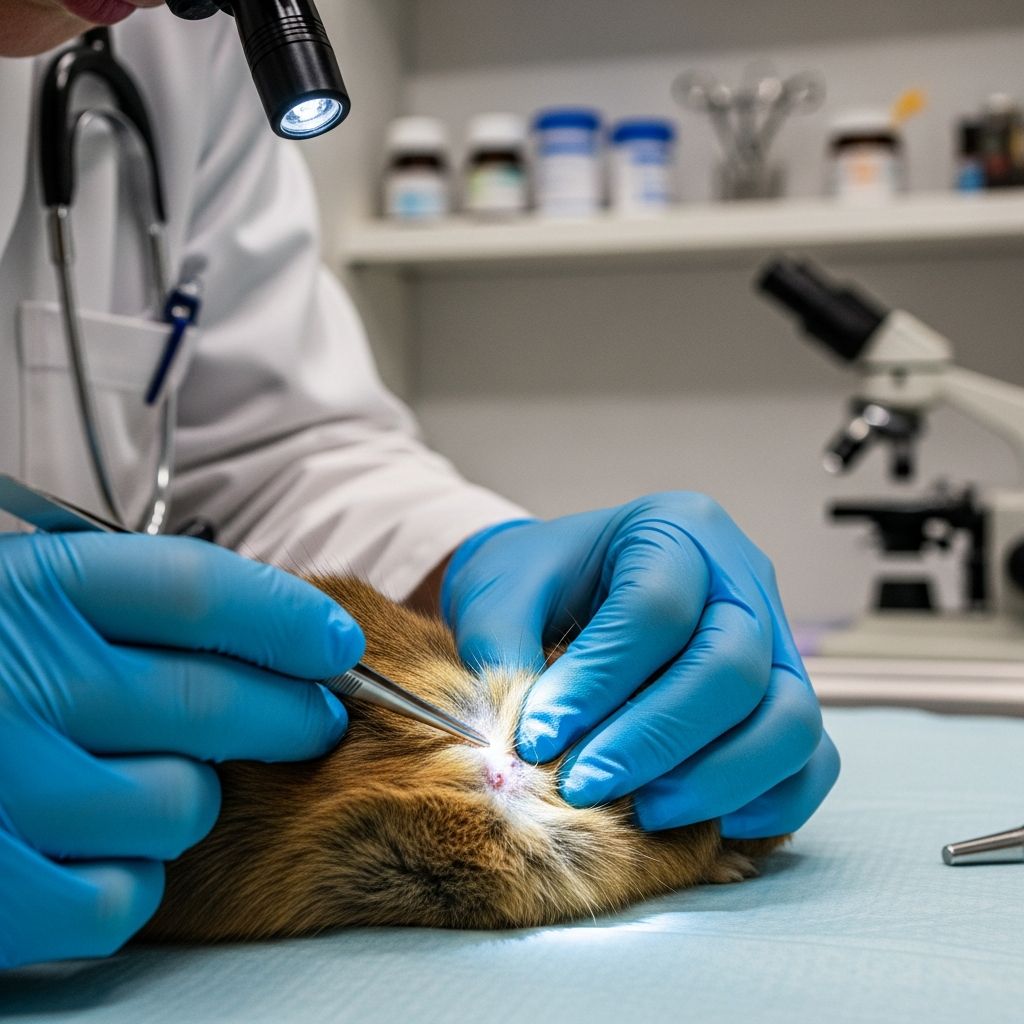
Pseudomyiasis represents a distinct parasitic condition affecting animals worldwide, characterized by the unintentional colonization of animal tissues by dipterous larvae. Unlike obligatory myiasis, where fly species are biologically dependent on living hosts for reproduction and development, pseudomyiasis occurs through accidental exposure and environmental circumstances. This distinction is crucial for veterinarians and animal handlers seeking to understand disease pathogenesis, implement appropriate interventions, and distinguish between various forms of fly-related infestations affecting livestock, companion animals, and wildlife.
Defining Pseudomyiasis and Its Distinction from True Myiasis
Pseudomyiasis, also referred to as accidental myiasis or false strike, describes infestations resulting from the inadvertent ingestion or deposition of fly larvae on animal surfaces or body cavities. The fundamental distinction separating pseudomyiasis from obligatory myiasis centers on the parasitic lifestyle of causative fly species. Adult flies responsible for pseudomyiasis possess no intrinsic biological dependence on living animal hosts for survival or reproduction. These flies typically develop within decaying organic matter, including carrion, decomposing vegetation, and fecal material. The infestation occurs when larvae accidentally contact animal tissues or are consumed through contaminated food or water sources.
The classification of myiasis encompasses multiple categories based on parasitic dependency levels and anatomical location of infestations. Within this taxonomy, pseudomyiasis occupies a unique position as an accidental category, distinct from obligatory parasites that require host tissues for larval development and facultative species that preferentially develop in environmental substrates but may opportunistically infest living animals. This taxonomic distinction carries important implications for treatment protocols, prevention strategies, and long-term management approaches.
Transmission Routes and Environmental Risk Factors
Understanding transmission mechanisms is essential for implementing effective prevention protocols in animal populations. Pseudomyiasis occurs through several distinct pathways, each representing opportunities for intervention and control measures.
- Ingestion of contaminated food and water: Animals consuming feedstuffs or drinking water containing fly eggs or larvae ingest parasitic organisms that subsequently colonize gastrointestinal tissues. This transmission route represents the most common pathway for enteric pseudomyiasis in livestock and companion animals.
- Deposition on body openings: Female flies may accidentally deposit eggs or larvae on oral openings, genitourinary orifices, or other natural body apertures during feeding or egg-laying behaviors. This mechanism typically results in more localized infestations affecting mucous membranes rather than systemic colonization.
- Environmental contamination from infested sources: Animals in close contact with infested livestock, wildlife, or decomposing animal carcasses face elevated exposure risk. Facilities housing multiple species increase transmission probability through shared environmental contamination.
- Contamination during wounds or trauma: Animals sustaining cutaneous injuries create entry points for accidental larval invasion, particularly in environments with high fly populations or poor sanitation conditions.
Environmental conditions significantly influence pseudomyiasis occurrence patterns. Warm, humid climates accelerate fly reproduction cycles and extend transmission seasons. Poor sanitation practices, inadequate waste management, and accumulation of organic debris create favorable breeding grounds for non-parasitic fly species. Animals experiencing malnutrition, compromised immune function, or stress conditions demonstrate increased susceptibility to parasitic colonization once larval exposure occurs.
Clinical Manifestations and Pathophysiological Consequences
The clinical presentation of pseudomyiasis varies considerably depending on larval location, larval load, duration of infestation, and secondary infection development. Recognition of clinical signs enables prompt diagnosis and appropriate therapeutic intervention.
Gastrointestinal manifestations: When larvae colonize the digestive tract, affected animals exhibit nonspecific signs including nausea, vomiting, and gastrointestinal upset. Larval mechanical irritation causes mucosal inflammation and increased intestinal motility. Anorexia, weight loss, and reduced feed efficiency commonly accompany systemic disease. Severe infestations may precipitate diarrhea, potentially progressing to hemorrhagic gastroenteritis in susceptible animals.
Cutaneous manifestations: Larvae deposited on skin surfaces create localized lesions characterized by inflammation, tissue necrosis, and purulent discharge. Secondary bacterial infections frequently complicate larval invasion, intensifying inflammatory responses and potentially leading to systemic complications including sepsis. Animals demonstrate marked discomfort, excessive scratching, and behavioral changes in response to cutaneous parasitism.
Systemic consequences: Untreated infestations predispose to bacterial bloodstream infections and septicemia, particularly when secondary bacterial colonization occurs. Affected animals develop fever, lethargy, depression, and anorexia. Severe cases progress to shock, organ dysfunction, and potentially fatal outcomes if therapeutic intervention remains delayed.
| Clinical Feature | Localized Infestations | Systemic Infestations |
|---|---|---|
| Primary signs | Localized inflammation, tissue necrosis, discharge | Gastrointestinal upset, anorexia, fever |
| Secondary complications | Bacterial wound infection, abscess formation | Septicemia, organ dysfunction |
| Disease duration | Days to weeks | Weeks to months if untreated |
| Severity progression | Mild to moderate | Moderate to severe |
Diagnostic Approaches and Confirmation Methods
Accurate diagnosis requires integration of clinical observations, environmental context, and laboratory confirmation procedures. Misdiagnosis frequently occurs when pseudomyiasis is confused with obligatory myiasis or other parasitic conditions.
Historical and environmental assessment: Veterinarians should obtain detailed information regarding animal husbandry practices, recent injuries or wounds, exposure to infested animals or contaminated environments, and temporal relationship between symptom onset and potential exposure events. Investigation of facility sanitation, fly control measures, and food storage practices provides contextual information supporting parasitic diagnosis.
Physical examination findings: Systematic examination reveals lesion location, larval presence, and signs of secondary infection. Cutaneous infestations present with visible larvae within tissue defects, whereas gastrointestinal infestations require fecal examination or endoscopic visualization for confirmation. The number and developmental stage of larvae recovered provide information regarding infestation duration and larval age.
Fecal and endoscopic examination: Direct microscopic examination of fecal samples may reveal larvae, eggs, or larval fragments. Endoscopic visualization of gastrointestinal mucosa enables direct observation of larval location, mucosal damage extent, and secondary infection presence. This approach proves particularly valuable when gastrointestinal involvement is suspected but not confirmed through fecal examination.
Larval identification: Recovered larvae should be identified to species level by parasitologists or entomologists, confirming accidental versus obligatory parasitism. Species identification establishes whether fly species possess parasitic potential or represent incidental environmental contact. This distinction carries prognostic and management implications.
Treatment Strategies and Therapeutic Protocols
Treatment approaches vary based on infestation location, larval load, infection chronicity, and secondary complication presence. Multimodal treatment typically yields superior outcomes compared to monotherapeutic approaches.
Mechanical larval removal: For cutaneous infestations, direct mechanical extraction represents the primary therapeutic modality. Careful manipulation around lesion margins increases intralesional pressure, facilitating larval expression and removal. Fine forceps enable precise larval grasping and extraction without fragmentation, reducing tissue trauma and secondary infection risk. Complete larval removal requires patience and meticulous technique, as retained larval fragments perpetuate inflammation and infection.
Antiparasitic pharmacotherapy: Systemic anthelmintic agents including ivermectin demonstrate efficacy against larval stages within cutaneous and mucosal tissues. Ivermectin administration penetrates tissues effectively, achieving therapeutic concentrations at parasitic sites. Dosing protocols should follow species-specific and age-appropriate guidelines, accounting for potential drug interactions and individual animal contraindications. Repeated treatment may be necessary for heavy infections or protracted infestations.
Wound management and infection control: Following larval removal, affected tissues require thorough cleaning and disinfection to eliminate bacterial contamination and necrotic debris. Antiseptic solutions reduce secondary infection risk and promote tissue healing. Topical antimicrobial agents may be applied to lesion surfaces. Systemic antibiotics should be administered when secondary bacterial infections are evident or when septicemic complications develop. Antibiotic selection should ideally be guided by culture and sensitivity results when infection severity warrants targeted therapy.
Supportive care measures: Animals demonstrating systemic disease benefit from fluid therapy, nutritional support, and pain management. Parenteral fluid administration corrects dehydration and electrolyte imbalances, particularly in animals with significant vomiting or diarrhea. Analgesic administration alleviates pain-associated behavioral changes and promotes healing. Animals with severe gastrointestinal involvement may require temporary dietary modification or complete nutritional support during acute disease phases.
Prevention and Long-Term Management Strategies
Prevention represents the most cost-effective approach to reducing pseudomyiasis incidence in animal populations. Comprehensive prevention programs address multiple risk factors simultaneously.
- Sanitation and waste management: Regular removal of decomposing organic matter, proper manure disposal, and facility cleaning reduce fly breeding substrates and larval developmental sites. Covered waste containers, composting systems, and regular facility inspections minimize environmental contamination.
- Fly control programs: Integrated fly management approaches combining environmental controls, mechanical removal devices, and insecticidal treatments reduce adult fly populations. Insecticide selection should rotate chemical classes to prevent resistance development. Residual insecticides applied to facility structures provide sustained fly suppression.
- Animal hygiene practices: Regular grooming, wound care, and prompt treatment of injuries prevent larval invasion through cutaneous defects. Animals with poor body condition or concurrent illness require increased monitoring and husbandry attention.
- Feed and water protection: Storage of animal feed in sealed containers and provision of clean water from protected sources reduces ingestion-related transmission. Regular inspection of feed for larval contamination identifies problems before animal consumption occurs.
- Prophylactic antiparasitic administration: In high-risk environments, prophylactic ivermectin or comparable antiparasitic agents may be administered to vulnerable animal populations, providing protection against larval colonization should exposure occur. Slow-release boluses containing ivermectin enable prolonged protection with minimal husbandry requirements.
- Isolation of affected animals: Separation of infested animals from unaffected populations reduces transmission through direct contact or environmental contamination. Dedicated sanitation protocols prevent cross-contamination when managing multiple animals.
Prognosis and Long-Term Outcomes
Pseudomyiasis prognosis depends substantially on infestation severity, treatment timing, and complication development. Early recognition and prompt intervention generally yield favorable outcomes. Animals receiving appropriate treatment within days of infestation manifestation typically recover without permanent sequelae. Delayed treatment, particularly when secondary infections establish or septicemic complications develop, carries guarded to poor prognosis. Chronically infested animals may develop chronic wounds, nutritional deficiencies, or persistent behavioral changes. Recurrence risk remains elevated in animals returning to environments with continued fly exposure and inadequate preventive measures.
Frequently Asked Questions
How does pseudomyiasis differ from true myiasis?
Pseudomyiasis results from accidental larval exposure in non-parasitic fly species, whereas true myiasis involves obligatory fly species biologically dependent on living hosts for reproduction and development. This distinction affects treatment approaches and prognosis.
Which animals are most susceptible to pseudomyiasis?
Livestock including sheep, cattle, and horses face significant risk, as do companion animals including dogs and cats. Young, elderly, immunocompromised, or malnourished animals demonstrate increased susceptibility.
Can pseudomyiasis cause death in animals?
Untreated infestations may progress to septicemia and fatal complications, particularly when secondary bacterial infections develop. Prompt treatment significantly reduces mortality risk.
What environmental conditions favor pseudomyiasis development?
Warm, humid climates, poor sanitation, inadequate fly control, and accumulation of organic matter create conditions favoring fly reproduction and larval transmission.
How long does pseudomyiasis treatment typically require?
Treatment duration varies based on infestation severity and complication presence. Simple localized infestations may resolve within days to weeks, whereas systemic infections may require weeks to months of therapeutic intervention.
References
- Myiasis Classification and Categorization — Veterinary and Forensic Entomology at the Natural History Museum London. Accessed February 2026. https://veterinaryforensicentomology.myspecies.info/node/8
- Screwworm Flies as Agents of Wound Myiasis — Food and Agriculture Organization of the United Nations. Accessed February 2026. https://www.fao.org/4/u4220t/u4220t07.htm
- Myiasis: Clinical Presentation and Treatment Methods — Wikipedia Contributors. Accessed February 2026. https://en.wikipedia.org/wiki/Myiasis
- Persistent Pediatric Gastro-Intestinal Myiasis: A Case Report — National Center for Biotechnology Information, U.S. National Library of Medicine. February 2013. https://pmc.ncbi.nlm.nih.gov/articles/PMC3766333/
- Myiasis: Clinical Presentation and Parasitic Classification — Global Health Perspectives. Accessed February 2026. https://globalhealthperspectives.com/article/myiasis
Similar Articles








Read full bio of Sneha Tete


