

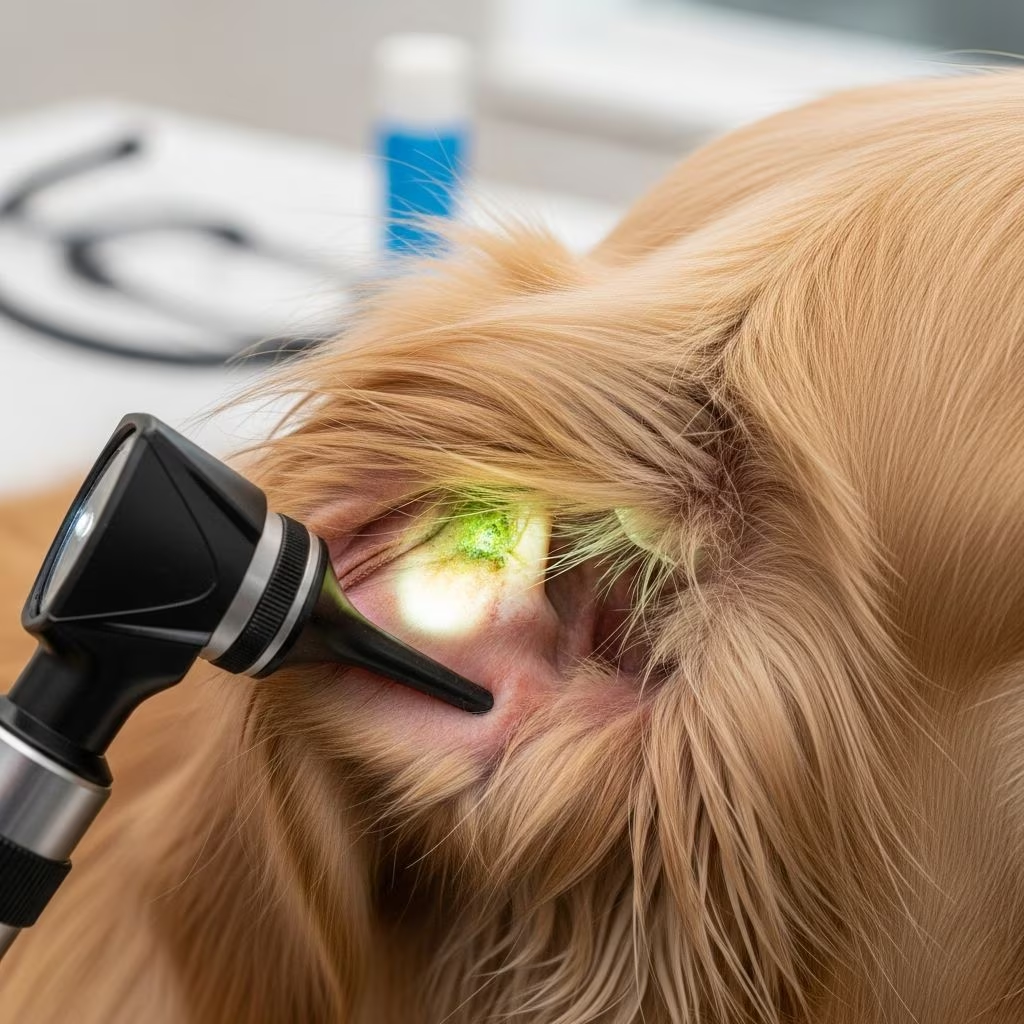
Pseudomonas aeruginosa is a resilient bacterium that frequently causes stubborn infections in dogs, particularly affecting the ears, skin, and wounds. These infections are challenging due to the organism’s resistance to many antibiotics, requiring targeted veterinary intervention for successful resolution.
Understanding the Nature of Pseudomonas Bacteria
Pseudomonas aeruginosa thrives in moist environments and is an opportunistic pathogen commonly found in soil, water, and veterinary hospital settings. In dogs, it often invades compromised tissues, such as inflamed ear canals or open wounds, leading to suppurative infections characterized by pus formation and tissue damage.
This gram-negative rod-shaped bacterium produces biofilms, protective layers that shield it from antibiotics and the immune system, complicating treatment. Dogs with underlying conditions like allergies or endocrine disorders are at higher risk, as these impair natural defenses.
Common Sites of Infection in Canine Patients
Ear infections, known as otitis externa, represent the most frequent manifestation, with clinical signs including malodorous discharge and head shaking. Skin infections, or pyoderma, often arise in chronic dermatitis cases, while wound infections post-surgery or trauma can escalate rapidly.
Less commonly, Pseudomonas can affect the urinary tract or eyes, but external sites predominate due to the bacterium’s preference for wet surfaces. Chronic cases may lead to canal stenosis or deep tissue involvement.
Recognizing Clinical Signs Early
Owners should watch for persistent ear odor, yellowish-green pus, and intense itching prompting head shaking or pawing. Skin lesions appear as non-healing ulcers with foul-smelling exudate, redness, and warmth.
- Head shaking or tilting due to ear discomfort
- Foul-smelling discharge from ears or wounds
- Redness, swelling, and heat in affected areas
- Excessive licking or chewing at the site
- Behavioral changes like irritability or lethargy
If symptoms persist after standard antibiotic therapy, suspect Pseudomonas involvement, as it resists common drugs.
Diagnostic Approaches for Accurate Identification
Veterinarians begin with a thorough physical exam, noting history of prior treatments and visible inflammation. Cytology of ear swabs or wound samples reveals rod-shaped bacilli amid degenerate neutrophils, providing immediate clues.
Bacterial culture and sensitivity testing confirm Pseudomonas and guide antibiotic selection, essential given its multi-drug resistance. Advanced imaging or video otoscopy may assess canal depth in chronic ears.
| Diagnostic Method | Purpose | Key Findings |
|---|---|---|
| Cytology | Quick screening | Rod-shaped bacteria, neutrophils |
| Bacterial Culture | Species ID | Pseudomonas aeruginosa growth |
| Sensitivity Test | Drug selection | Susceptible antibiotics listed |
| Video Otoscopy | Visual exam | Ulceration, hyperplasia |
Comprehensive Treatment Strategies
Treatment hinges on aggressive topical therapy combined with inflammation control. Mechanical cleaning removes debris, followed by antimicrobial agents potentiated by Tris-EDTA, which disrupts bacterial outer membranes.
Systemic antibiotics are reserved for severe cases, with fluoroquinolones like enrofloxacin at high doses (10-20 mg/kg/day) based on sensitivity results. Anti-inflammatories, such as glucocorticoids, reduce swelling to enhance drug penetration.
Topical Therapy Protocols
- Daily ear cleaning with medicated solutions containing drying agents
- Antibiotic otic suspensions (e.g., gentamicin, fluoroquinolones)
- Tris-EDTA pretreatment for 20-30 minutes before antibiotics
Systemic Options and Dosing
Enrofloxacin: 10–20 mg/kg/day PO/IV/SC; Marbofloxacin: 5.5 mg/kg/day PO. Courses last 4-6 weeks minimum to prevent relapse.
| Antibiotic | Class | Dose | Notes |
|---|---|---|---|
| Enrofloxacin | Fluoroquinolone | 10-20 mg/kg/day | High dose for resistance; monitor for retinopathy |
| Marbofloxacin | Fluoroquinolone | 5.5 mg/kg/day | Effective against intermediate strains |
| Gentamicin/Amikacin | Aminoglycoside | Topical primary | Systemic if severe; nephrotoxic risk |
Adjunctive Pain and Inflammation Management
NSAIDs or short-term corticosteroids alleviate discomfort, with opioids like tramadol (2-4 mg/kg) for acute pain. Oral glucocorticoids aid in severe otitis pre-cleaning.
Potential Complications and Long-Term Risks
Untreated infections foster biofilm formation, leading to chronic otitis with hyperplasia and stenosis, necessitating surgery. Sepsis from bacteremia poses life-threatening risks, marked by fever (>103°F), lethargy, and anorexia.
Delayed intervention causes tissue necrosis, requiring debridement. Recurrence is common without addressing predispositions like allergies.
Prevention Measures for At-Risk Dogs
- Maintain dry ears post-swimming with gentle drying
- Treat underlying allergies or hypothyroidism promptly
- Use only vet-recommended cleaners for routine ear care
- Monitor surgical sites closely for early infection signs
Avoid over-cleaning, which disrupts protective flora. Regular vet check-ups for chronic ear-prone breeds (e.g., Spaniels, Retrievers) are advisable.
Home Care During Recovery
Administer medications precisely, preventing self-trauma with Elizabethan collars. Daily wound checks for heat, discharge, or dehiscence warrant immediate vet contact. Follow-up cytology ensures clearance.
Red flags include worsening odor, fever, or appetite loss—seek emergency care.
Frequently Asked Questions (FAQs)
What causes Pseudomonas infections in dogs?
Opportunistic growth in moist, inflamed tissues, often secondary to allergies or poor hygiene.
How long does treatment take?
Typically 4-8 weeks, with rechecks every 2-4 weeks.
Can Pseudomonas be cured without surgery?
Yes, most cases resolve with intensive medical therapy; surgery for end-stage changes.
Is it contagious to other pets or humans?
Rarely; environmental source, not direct transmission.
What breeds are most susceptible?
Those with floppy ears or allergy predispositions, like Cocker Spaniels.
Prognosis and Monitoring Progress
Early detection yields excellent outcomes, with resolution in 80-90% of cases via protocol adherence. Chronic carriers may need lifelong management. Monthly cytology post-treatment confirms negativity.
References
- Pseudomonas in Dogs: Symptoms, Causes & Treatment — Sustainable Vet. 2023. https://www.sustainablevet.org/blog/pseudomonas-in-dogs-symptoms-causes-treatment
- Pseudomonas otitis externa in dogs — PMC (NCBI). 2018-10-01. https://pmc.ncbi.nlm.nih.gov/articles/PMC6190182/
- Diagnostic and Therapeutic Approach to Pseudomonas aeruginosa Pyoderma and Otitis in Dogs — Pro Dermavet. 2023. https://pro.dermavet.com/diagnostic-and-therapeutic-approach-to-pseudomonas-aeruginosa-pyoderma-and-otitis-in-dogs/
- The Challenge of Chronic Otitis in Dogs: From Diagnosis to Treatment — Today’s Veterinary Practice. 2023. https://todaysveterinarypractice.com/dermatology/the-challenge-chronic-otitis-dogs-diagnosis-treatment/
- Gram Negative Ear Infections in Dogs — Mar Vista Vet. 2023. https://www.marvistavet.com/gram-negative-pseudomonas-infections.pml



