

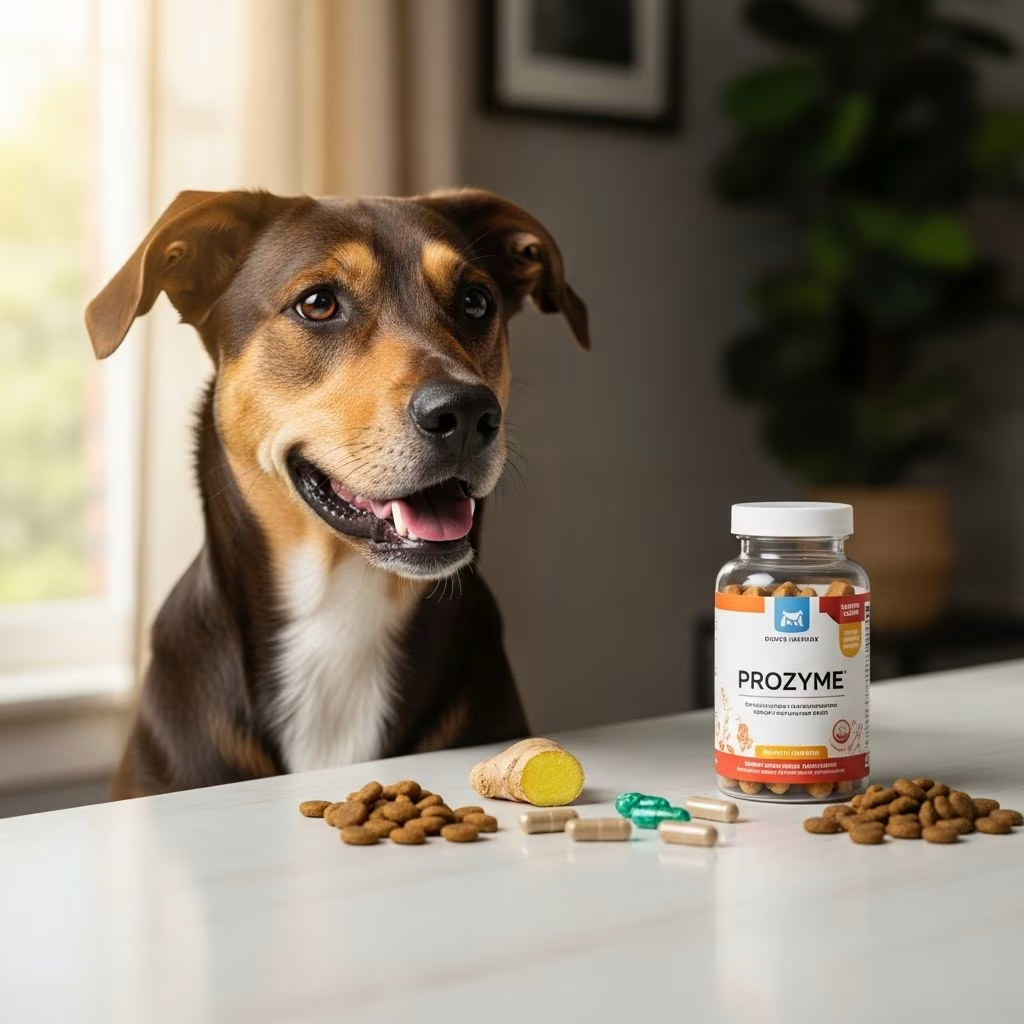
Prozyme is a popular plant-derived digestive enzyme supplement designed to enhance nutrient absorption in dogs by aiding the breakdown of proteins, fats, carbohydrates, and fiber. While generally considered safe, understanding its potential side effects, proper usage, and interactions is essential for pet owners seeking to support their dog’s gastrointestinal health.
Understanding Prozyme and Its Role in Canine Digestion
Dogs rely on digestive enzymes to process food effectively, but factors like aging, processed diets, or health conditions can reduce natural enzyme production. Prozyme addresses this by providing a blend of plant-based enzymes: alpha-amylase for carbohydrates, lipase for fats, protease for proteins, and cellulase for fiber. This formulation helps maximize caloric and nutritional efficiency from meals, potentially alleviating issues like poor energy levels or nutrient deficiencies.
The supplement comes as an odorless, palatable powder that mixes seamlessly into wet or dry food, making administration straightforward. It’s particularly beneficial for senior dogs, those with malabsorption syndromes, or pets on vegetable-rich diets, as cellulase specifically aids in breaking down plant fibers that dogs struggle to digest naturally.
Key Benefits of Prozyme for Dogs
- Improved Nutrient Uptake: Enhances absorption of vitamins, minerals, and amino acids, supporting overall vitality.
- Gut Health Support: Reduces symptoms of bloating, flatulence, and irregular stools by promoting efficient food breakdown.
- Skin and Coat Enhancement: Better nutrition often leads to shinier coats and healthier skin, countering dullness or excessive shedding.
- Energy Boost: Helps combat lethargy in older dogs by optimizing energy extraction from food.
- Vegetable Digestion Aid: Facilitates processing of fibrous veggies, extracting more nutrients from treats like carrots or green beans.
Potential Side Effects of Prozyme in Dogs
Prozyme is formulated from natural plant enzymes, minimizing risks compared to animal-derived alternatives. Most dogs tolerate it well, with rare reports of adverse reactions. However, side effects can occur, especially if dosing is incorrect or the dog has underlying sensitivities.
| Side Effect | Description | Frequency | Management |
|---|---|---|---|
| Gastrointestinal Upset | Loose stools, mild diarrhea, or increased gas shortly after starting. | Common (initial use) | Reduce dose gradually; mix thoroughly with food. |
| Allergic Reactions | Itching, hives, or swelling (rare due to plant base). | Rare | Discontinue immediately; seek vet care. |
| Appetite Changes | Temporary refusal of food or increased hunger. | Uncommon | Monitor; adjust meal timing. |
| Weight Fluctuations | Unexpected gain or loss from better absorption. | Occasional | Track weight; consult vet for diet tweaks. |
These effects are typically transient and resolve within days as the dog’s system adjusts. Overdosing—exceeding 3/4 teaspoon per cup of food—can exacerbate GI issues, so precise measurement is key.
Safe Dosage Guidelines for Prozyme
Dosage varies by dog size, age, and food type. Always start low and increase gradually under veterinary guidance.
- Puppies/Young Dogs: 1/4 teaspoon per cup of food.
- Adult Dogs: 1/2 to 3/4 teaspoon per cup.
- Seniors or Compromised Pets: 1/2 teaspoon, split across meals.
Mix thoroughly into moistened food for even distribution. Administer with every meal for consistent benefits. Store in a cool, dry place away from sunlight to preserve enzyme activity.
When Prozyme Shines: Ideal Scenarios for Use
Prozyme proves invaluable in specific situations:
- Senior Dogs: Aging reduces endogenous enzyme output, leading to weight loss or lethargy. Prozyme restores balance.
- Exocrine Pancreatic Insufficiency (EPI): Complements animal-enzyme therapies, enhancing overall digestion without substitution.
- Regurgitation Issues: Aids food slurry formation for sensitive stomachs.
- Picky Eaters or Coprophagia: Improves nutrient extraction, curbing stool-eating behaviors.
- Post-Illness Recovery: Supports rebuilding strength through better nutrition.
Interactions and Contraindications
Prozyme generally pairs well with other supplements or medications, but caution is advised:
- Avoid in dogs with known plant allergies.
- Monitor with pancreatic enzyme replacements for EPI to prevent overload.
- Consult vets for dogs on antibiotics or immunosuppressants, as enzyme activity might influence absorption.
Pregnant or nursing dogs should only use under supervision. It’s not a cure for serious conditions like IBD—professional diagnosis is paramount.
Veterinary Perspectives on Prozyme Efficacy
Vets often recommend Prozyme for its non-invasive support. Studies and clinical observations note improvements in coat quality, stool consistency, and energy within 1-4 weeks. For instance, cellulase uniquely aids cellulose digestion, absent in canine saliva, making it superior for plant-heavy diets.
Real-World Results: What Owners Report
Many guardians observe firmer stools, reduced gas, and brighter eyes after consistent use. Long-term, it may prevent obesity by optimizing calorie use. Results vary; track progress via weight logs and stool samples.
Alternatives to Prozyme for Digestive Support
| Supplement | Key Enzymes | Best For |
|---|---|---|
| Animal-Derived Enzymes | Pancreatin blend | Severe EPI cases |
| Probiotic Blends | Lactobacillus, Bifidobacterium | Gut flora imbalance |
| Fiber Additives | Psyllium | Constipation |
| Omega-3 Supplements | Fish oil | Inflammation |
Choose based on vet advice; Prozyme excels in enzyme-specific needs.
Frequently Asked Questions (FAQs)
Is Prozyme safe for daily long-term use in dogs?
Yes, its plant-based nature supports ongoing use, especially for seniors. Vet monitoring ensures safety.
How quickly do side effects appear if they occur?
Usually within 24-48 hours; most mild and self-resolve.
Can Prozyme help with my dog’s weight loss despite eating well?
Often yes, by boosting absorption—ideal for malabsorption.
Is Prozyme suitable for puppies?
Yes, at reduced doses; consult vet for growth-stage needs.
What if my dog refuses food with Prozyme mixed in?
Try smaller amounts or flavor with broth; palatability is high.
Does Prozyme interact with heart medications?
Minimal risk, but vet confirmation is essential.
Transitioning Your Dog to Prozyme
Introduce over 3-5 days: Day 1-2 (25% dose), Day 3-4 (50%), full thereafter. Monitor stools and energy. If issues persist beyond a week, discontinue and reassess with vet.
In summary, Prozyme offers a gentle, effective way to bolster canine digestion with minimal side effects when used correctly. Prioritize veterinary input for tailored application.
References
- ProZyme® Detail Sheet — PRN Pharmacal. 2019-12. https://www.prnpharmacal.com/wp-content/uploads/2019/12/ProZyme-Detail-Sheet-2016.pdf
- ProZyme® Product Information — PRN Pharmacal. 2023. https://www.prnpharmacal.com/products/gastrointestinal/prozyme/
- 3 Reasons Your Pet Needs Prozyme — PetCareRx (referencing Cornell University College of Veterinary Medicine). 2023. https://www.petcarerx.com/article/3-reasons-your-pet-needs-prozyme-the-cat-and-dog-digestion-aid/1522
- Prozyme Powder for Dogs & Cats — VetRxDirect. 2024. https://www.vetrxdirect.com/product/view/prozyme-digestive-enzymes-for-dogs-and-cats-otc
- ProZyme: An Aide to Your Dog’s Digestive Health — Northland Natural Pet. 2022. https://www.northlandnaturalpet.com/prozyme-an-aide-to-your-dog%E2%80%99s-digestive-health/



