
Protozoal Gut Issues In Dogs: 3 Common Culprits & Care
Discover how single-celled parasites invade canine intestines, causing diarrhea and more, with expert insights on detection and control.
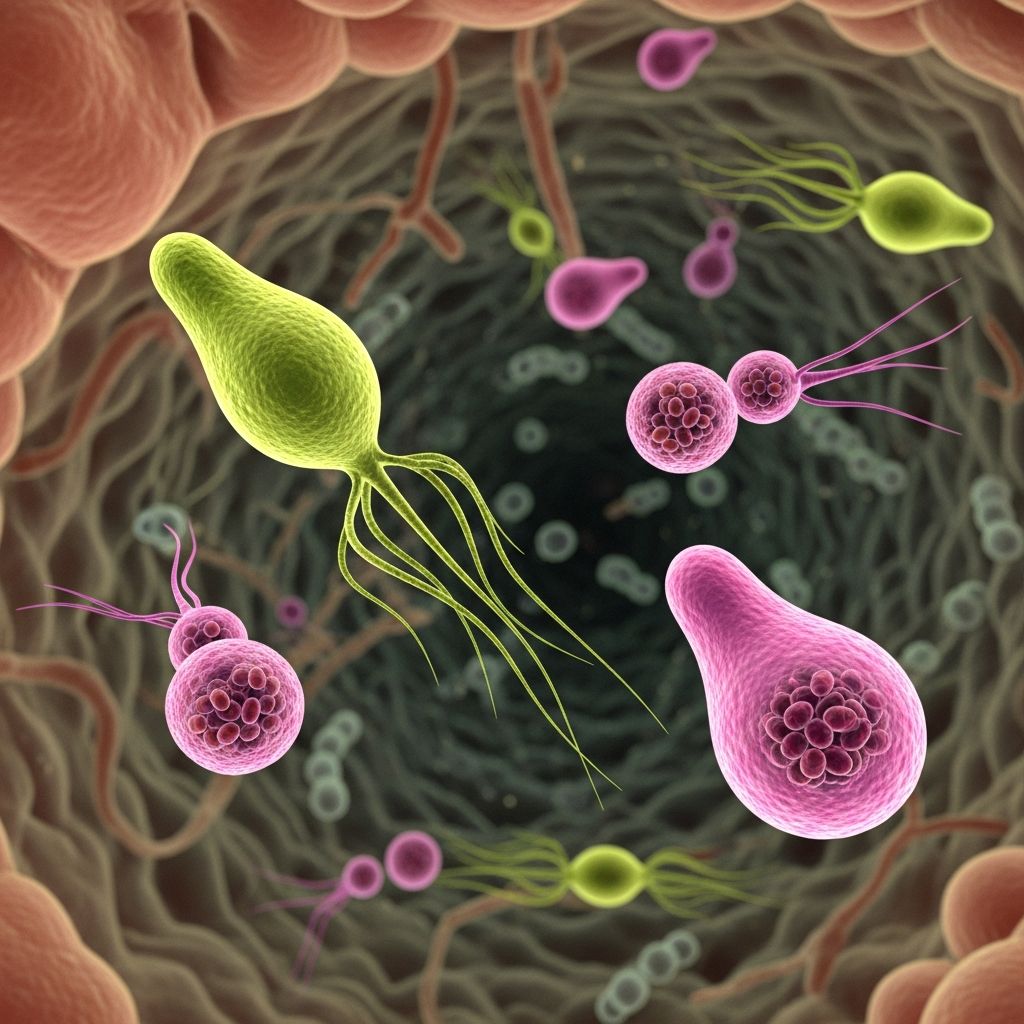
Single-celled organisms known as protozoa can wreak havoc on a dog’s digestive system, leading to a range of uncomfortable and potentially serious health problems. These microscopic invaders target the intestines, causing inflammation, nutrient malabsorption, and persistent diarrhea that can dehydrate and weaken pets, especially puppies and immunocompromised animals. Understanding these infections empowers dog owners to spot early signs, seek timely veterinary care, and implement effective prevention measures.
Why Protozoa Thrive in Canine Intestines
Protozoa are ubiquitous in environments frequented by dogs, such as parks, kennels, and backyards contaminated with infected feces. These parasites spread primarily through the fecal-oral route, where dogs ingest resilient cysts or oocysts from soil, water, food, or direct contact with carriers. Young dogs, stressed animals, or those in group settings face higher risks due to immature or suppressed immune responses. While many infections remain subclinical, heavy burdens disrupt gut lining integrity, impair digestion, and trigger inflammatory responses.
Key Protozoal Culprits Disrupting Digestion
Several protozoal species dominate canine gastrointestinal woes. Each has unique life cycles, transmission modes, and pathological effects, but all exploit the warm, nutrient-rich intestinal environment to multiply.
Coccidia: The Intestinal Invaders
Coccidia, primarily from genera like Cystoisospora (formerly Isospora), embed in intestinal epithelial cells, undergoing complex reproductive cycles that damage villi and provoke bloody diarrhea. Puppies in crowded shelters often suffer acute outbreaks, exhibiting lethargy, dehydration, and mucoid stools. Adult dogs typically mount effective immunity, shedding oocysts without illness.
- Transmission: Ingestion of sporulated oocysts from contaminated feces.
- Peak vulnerability: Weaning puppies under stress.
- Environmental resilience: Oocysts withstand harsh conditions, persisting months in soil.
Giardia: The Sneaky Attacher
Giardia trophozoites cling to the small intestine’s mucosal surface, interfering with nutrient uptake and causing greasy, foul-smelling stools. Unlike coccidia, Giardia sheds both cysts and active forms intermittently, complicating detection. Zoonotic potential raises concerns, as certain strains may cross to humans via shared water sources.
- Transmission: Fecal-contaminated water, food, or grooming.
- Symptoms: Chronic intermittent diarrhea, weight loss, flatulence.
- Host range: Infects multiple mammals, heightening public health risks.
Cryptosporidium: The Tiny Terror
Cryptosporidium oocysts, shed immediately infectious, invade enterocytes, eliciting secretory diarrhea severe in young or debilitated dogs. Diagnosis challenges arise from their minuscule size, often requiring specialized labs. Immunosuppressed pets risk life-threatening dehydration.
Other Notable Protozoa
Amoebic infections like Entamoeba histolytica, though rarer in dogs, can disseminate beyond the gut, affecting liver and lungs. Trichomonads attach to villi, promoting maldigestion in heavy infestations.
Recognizing the Warning Signs
Symptoms vary by parasite load and host health but commonly include:
- Soft, pale, odorous stools progressing to watery or bloody diarrhea.
- Appetite loss, vomiting, and rapid weight reduction.
- Dehydration signs: sunken eyes, dry gums, lethargy.
- Straining or tenesmus in large intestine involvement.
Chronic cases manifest as poor coat quality, stunted growth in pups, and recurrent episodes mimicking food allergies or viral enteritis. Prompt veterinary evaluation prevents escalation.
Veterinary Diagnostic Approaches
Definitive identification hinges on fecal analysis, as clinical signs overlap with bacterial, viral, or helminthic issues. Vets employ:
| Method | Targets | Advantages |
|---|---|---|
| Fecal Flotation (sucrose/zinc sulfate) | Coccidia oocysts, Giardia cysts | Cost-effective, in-clinic availability |
| Direct Smears/IFA | Trophozoites, Cryptosporidium | Detects fragile forms |
| Antigen ELISA/PCR | Giardia, Cryptosporidium | High sensitivity for intermittent shedders |
| Colonoscopy/Biopsy | Amoebas, deep invaders | Visualizes mucosal damage |
Multiple samples over days boost accuracy, given intermittent shedding.
Treatment Strategies for Protozoal Infections
Therapy combines antiparasitics, supportive care, and hygiene to curb reinfection. No universal cure-all exists; regimens target specific agents.
- Coccidiosis: Sulfadimethoxine or ponazuril for 10-20 days; fluids for dehydration.
- Giardiasis: Metronidazole or fenbendazole; probiotics aid gut recovery.
- Cryptosporidium: Paromomycin or azithromycin in severe cases; monitor electrolytes.
Isolate patients, as oocysts/cysts spread readily. Prophylactic dosing in kennels may be warranted.
Prevention: Shielding Dogs from Protozoal Threats
Proactive measures trump treatment costs and stress.
- Diligent poop scooping in yards and parks.
- Disinfect kennels with ammonia or steam (bleach ineffective against oocysts).
- Avoid raw meat/fish; boil or filter drinking water in high-risk areas.
- Routine fecal screening for boarding/show dogs.
- Vector control: ticks transmit some hepatozoon strains.
Vaccines are absent, but robust immunity develops post-infection in adults.
Special Risks in High-Density Settings
Kennels, shelters, and breeding facilities amplify outbreaks due to overcrowding and stress. Implement cohort housing, daily sanitation, and deworming protocols. Puppies require isolated whelping areas.
Zoonotic Implications for Dog Owners
Giardia and Cryptosporidium pose human risks, particularly to children, elderly, or immunocompromised family members. Handwashing post-potty walks and avoiding facial contact with pets mitigate transmission.
FAQs on Protozoal Disorders in Dogs
Can my healthy adult dog get coccidiosis?
Yes, though rarely symptomatic; stress or reinfection can trigger issues.
How long do Giardia cysts survive outdoors?
Weeks to months in cool, moist conditions; UV light and desiccation kill them.
Is over-the-counter deworming enough?
No; protozoa require specific meds—consult a vet.
Can protozoa cause long-term damage?
Chronic malabsorption may lead to growth delays or sensitivities.
Should I test asymptomatic dogs?
Yes, in breeding/kennel scenarios to prevent spread.
Holistic Support During Recovery
Post-treatment, bland diets (boiled rice/chicken), electrolytes, and probiotics restore microbiome balance. Monitor stools for 2-4 weeks.
By staying vigilant, dog owners can minimize protozoal impacts, ensuring vibrant health for their canine companions.
References
- Parasite Protocols: Canine Protozoa — Today’s Veterinary Practice. 2023. https://todaysveterinarypractice.com/parasitology/parasite-protocols-canine-protozoa/
- Disorders Caused by Protozoa in the Digestive System of Dogs — Merck Veterinary Manual. 2024-10-15. https://www.merckvetmanual.com/dog-owners/digestive-disorders-of-dogs/disorders-caused-by-protozoa-in-the-digestive-system-of-dogs
- Protozoal Infections in Dogs — Whole Dog Journal. 2022-05-01. https://www.whole-dog-journal.com/health/protozoal-diarrhea/
- Diseases Caused by Protozoa in Dogs and Cats — IVIS. 2021. https://www.ivis.org/library/concise-guide-to-infectious-and-parasitic-diseases-of-dogs-and-cats/diseases-caused-by
- Gastrointestinal Parasites of Dogs — Merck Veterinary Manual. 2024-10-15. https://www.merckvetmanual.com/dog-owners/digestive-disorders-of-dogs/gastrointestinal-parasites-of-dogs
Similar Articles








Read full bio of Sneha Tete




