

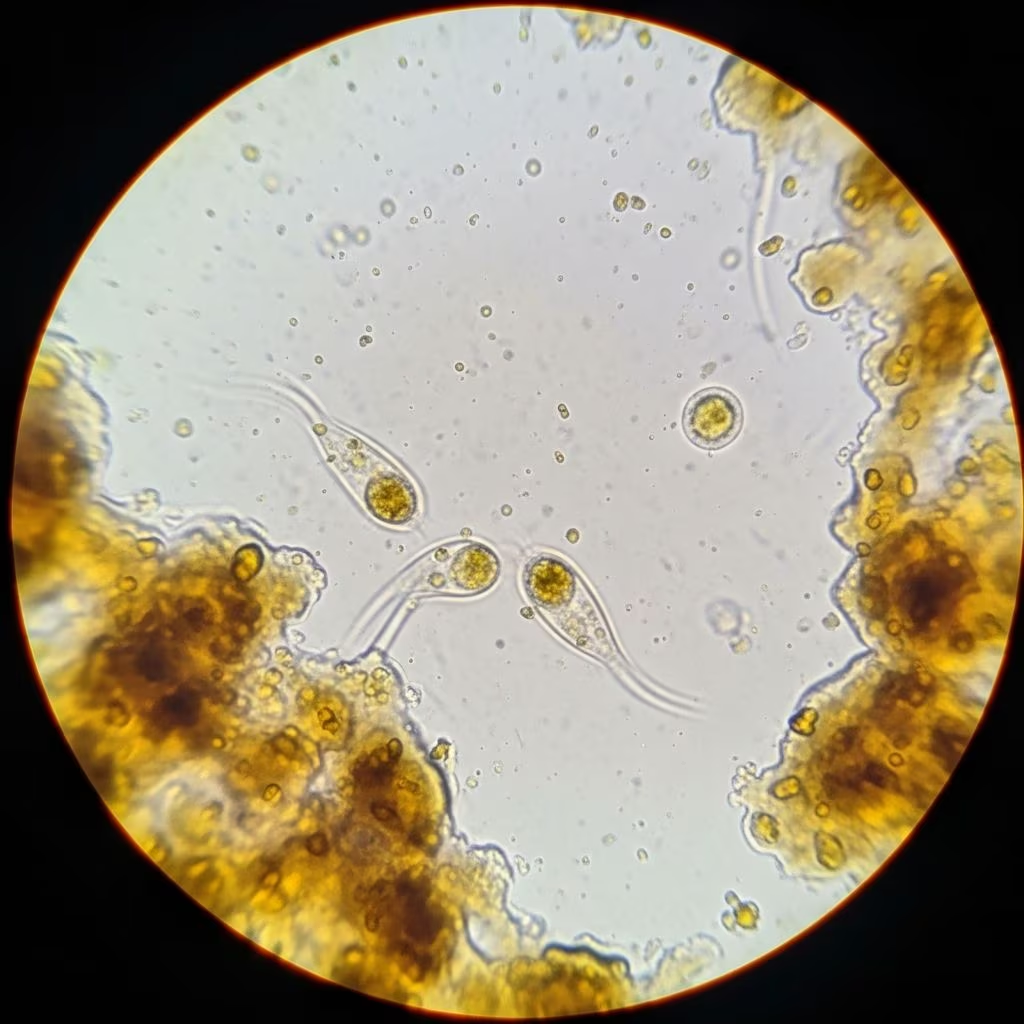
Protozoal diarrhea represents a significant health concern for dogs, stemming from single-celled parasites that invade the gastrointestinal tract. These infections often manifest as persistent loose stools, but can escalate to severe dehydration and weight loss if untreated. Common culprits include Giardia, Coccidia, and Cryptosporidium, each with distinct transmission routes and clinical impacts. Early veterinary intervention is crucial for resolution, combining targeted medications with supportive therapies.
Common Protozoan Pathogens Affecting Canine Digestion
Dogs encounter various protozoa through contaminated environments, making awareness of these parasites essential for pet owners.
- Giardia: A flagellated protozoan thriving in water sources and soil tainted by infected feces. It attaches to intestinal walls, disrupting nutrient absorption.
- Coccidia (Cystoisospora): Oocyst-forming parasites ingested via contaminated food or surroundings, particularly risky in crowded settings like kennels.
- Cryptosporidium: Highly resilient oocysts spread through water or direct contact, often self-resolving in robust adults but dangerous for puppies.
Less frequent invaders like Hepatozoon or Trichomonas may also contribute, though they demand specialized diagnostics.
Recognizing the Signs of Protozoal Infections
Symptoms vary by parasite and host immunity, but gastrointestinal distress dominates. Vigilance helps distinguish these from bacterial or dietary issues.
| Parasite | Primary Symptoms | Severity Notes |
|---|---|---|
| Giardia | Soft, foul-smelling stools; intermittent diarrhea; occasional vomiting | Mild in adults; chronic in puppies |
| Coccidia | Watery or bloody diarrhea; mucus presence; abdominal discomfort | Severe in young or stressed dogs |
| Cryptosporidium | Watery diarrhea; dehydration; weight loss | Often mild; critical in immunocompromised |
Additional indicators include lethargy, reduced appetite, and rapid dehydration, especially in vulnerable populations like puppies, seniors, or dogs with compromised immunity. Prompt observation prevents escalation.
How Protozoa Spread Among Dogs
Transmission occurs primarily via the fecal-oral route. Infected dogs shed resilient cysts or oocysts in stool, contaminating yards, water bowls, and shared spaces. Puppies in shelters face heightened risk due to dense populations and immature defenses. Wild animals and livestock amplify environmental spread, while grooming or mutual sniffing facilitates direct contact. Seasonal rains can mobilize contaminants, underscoring year-round hygiene.
Veterinary Diagnostic Approaches
Accurate identification relies on multifaceted testing, as symptoms overlap with other enteropathies.
- Fecal Flotation: Detects oocysts or cysts under microscopy, enhanced by zinc sulfate for Giardia.
- Antigen Tests and PCR: Highly sensitive for low-level shedding, confirming specific pathogens via DNA or proteins.
- Direct Smears: Reveals motile trophozoites in fresh samples.
Multiple submissions may be needed, as intermittent shedding complicates detection. Vets integrate history, clinical signs, and response to empiric therapy for comprehensive assessment.
Treatment Strategies for Protozoal Diarrhea
Therapy targets parasite elimination while addressing dehydration and gut recovery. Tailored protocols ensure efficacy.
- Giardia: Fenbendazole (3-5 days) or combined with metronidazole for resistant cases; probiotics aid microbiome restoration.
- Coccidia: Sulfadimethoxine (5-20 days, coccidiostatic) or ponazuril; follow-up fecal checks mandatory.
- Cryptosporidium: Supportive in healthy dogs; paromomycin or azithromycin for severe instances.
Supportive measures encompass IV fluids, electrolyte correction, and bland diets (e.g., rice and lean protein). Re-testing 2-4 weeks post-treatment verifies clearance, with environmental decontamination vital to avert reinfection.
Supportive Care During Recovery
Beyond antiparasitics, holistic management accelerates healing. Hydration via subcutaneous fluids prevents collapse in acute phases. Probiotics replenish beneficial bacteria, mitigating dysbiosis-induced persistence. Dietary shifts to highly digestible, low-fat formulas soothe inflamed intestines, with gradual reintroduction of regular kibble. Monitor weight and stool consistency daily, consulting vets for protracted symptoms.
Preventing Protozoal Infections in Your Dog
Proactive steps minimize exposure and curb outbreaks.
- Daily yard scooping and prompt waste disposal.
- Bathing dogs post-outings to remove cysts from fur.
- Avoiding untreated water sources like ponds or streams.
- Quarantining new or symptomatic pets.
- Regular deworming per vet schedules, especially in high-risk areas.
Sanitation in multi-dog homes or boarding facilities demands rigorous protocols, including disinfectants effective against oocysts (e.g., ammonia-based cleaners).
Special Considerations for At-Risk Dogs
Puppies under 6 months, pregnant bitches, and immunocompromised dogs (e.g., post-chemotherapy) warrant intensified monitoring. These groups suffer amplified symptoms and slower clearance. Breed predispositions appear minimal, but herding breeds in rural settings encounter elevated exposure. Annual fecal screenings during wellness exams enable preemptive action.
FAQs on Protozoal Diarrhea
Can protozoal diarrhea resolve without medication?
Yes, healthy adult dogs may clear mild Giardia or Cryptosporidium naturally, but treatment is advised to prevent spread and complications.
Is Giardia contagious to humans?
Certain strains pose zoonotic risk, particularly to young children or elderly; handwashing and hygiene are key.
How long does treatment last?
Typically 3-20 days, depending on the parasite; follow-up testing confirms success.
Can vaccines prevent these infections?
Giardia vaccines exist but offer partial protection; hygiene remains primary.
What if symptoms recur after treatment?
Reinfection is common; re-treat, decontaminate environment, and re-test.
Long-Term Management and Prognosis
With prompt care, most dogs recover fully within 1-2 weeks, resuming normal activity. Refractory cases may signal underlying issues like immune deficits, necessitating advanced diagnostics. Owners should track stool quality ongoing, integrating fiber supplements or probiotics for resilience. In kennels, cohort testing and rotation prevent cycles. Overall prognosis excels with adherence to protocols.
Understanding protozoal diarrhea empowers owners to protect canine companions. Routine vet partnerships, vigilant hygiene, and swift symptom response form the cornerstone of defense.
References
- Disorders Caused by Protozoa in the Digestive System of Dogs — Merck Veterinary Manual. 2023. https://www.merckvetmanual.com/dog-owners/digestive-disorders-of-dogs/disorders-caused-by-protozoa-in-the-digestive-system-of-dogs
- Giardia in Dogs — VCA Animal Hospitals. 2024. https://vcahospitals.com/know-your-pet/giardia-in-dogs
- Parasite Protocols: Canine Protozoa — Today’s Veterinary Practice. 2022. https://todaysveterinarypractice.com/parasitology/parasite-protocols-canine-protozoa/
- Giardia: Infection, Treatment and Prevention — Cornell University College of Veterinary Medicine. 2025. https://vet.cornell.edu/departments-centers-and-institutes/riney-canine-health-center/canine-health-topics/giardia-infection-treatment-and-prevention
- Cryptosporidium in Dogs — PetMD. 2024. https://www.petmd.com/dog/conditions/infectious-parasitic/cryptosporidium-dogs



