

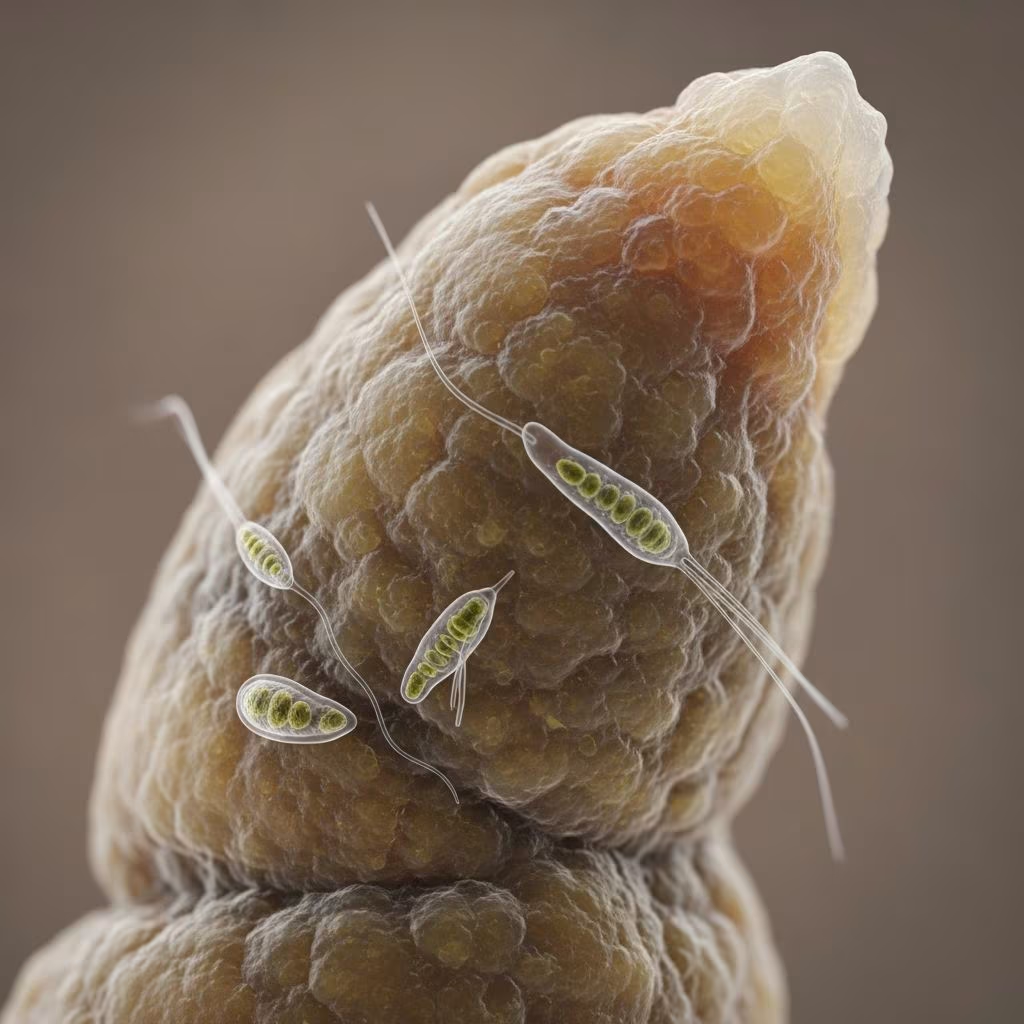
Protozoal diarrhea represents a significant health challenge for dogs, stemming from single-celled parasites that invade the gastrointestinal tract. These infections often manifest as persistent loose stools, but can escalate to severe dehydration and weight loss if untreated. Common culprits include Giardia, Coccidia, and Cryptosporidium, each with unique transmission routes and clinical impacts. This guide delves into the nature of these parasites, their effects on canine health, diagnostic approaches, treatment protocols, and proactive prevention measures to safeguard your dog’s well-being.
Understanding Protozoal Infections
Protozoa are microscopic organisms that thrive in moist environments, particularly in contaminated water, soil, or feces. In dogs, they target the intestines, disrupting nutrient absorption and causing inflammation. Unlike bacteria or viruses, protozoa form resilient cysts or oocysts that survive outside the host, facilitating widespread transmission in kennels, parks, or households with multiple pets.
These parasites exploit vulnerabilities in young puppies, immunocompromised dogs, or those in crowded settings. While some infections resolve spontaneously in healthy adults, others persist, leading to chronic issues. Early recognition of risk factors—such as exposure to standing water or shared food bowls—is crucial for intervention.
Key Protozoal Pathogens Affecting Dogs
Several protozoa commonly cause diarrhea in canines. Below is an overview of the most prevalent ones:
- Giardia: A flagellated protozoan transmitted via cyst-laden water or feces. It adheres to intestinal walls, impairing digestion and producing foul-smelling, greasy stools.
- Coccidia (Cystoisospora): Oocysts ingested from contaminated environments cause enteritis, especially in puppies. Severe cases involve bloody diarrhea and dehydration.
- Cryptosporidium: Highly resistant oocysts lead to self-limiting diarrhea in healthy dogs but pose risks to vulnerable pups.
- Other Protozoa (e.g., Tritrichomonas): Less common but can trigger chronic large-bowel diarrhea, particularly in young dogs.
Transmission Pathways
Infections spread primarily through the fecal-oral route. Dogs ingest infective stages from:
- Contaminated ponds, streams, or puddles.
- Feces of infected animals in shared spaces.
- Grooming after contact with soiled surfaces.
- Transport hosts like rodents or insects in rare cases.
Puppies in shelters face heightened risks due to dense populations and immature immunity.
Recognizing Symptoms of Protozoal Diarrhea
Symptoms vary by parasite, host age, and infection severity but often center on gastrointestinal distress. Key signs include:
- Diarrhea: Watery, mucoid, or bloody stools; intermittent or chronic.
- Vomiting: Occasional, especially with Giardia.
- Weight Loss and Dehydration: From malabsorption and fluid loss.
- Lethargy and Appetite Changes: Dogs appear tired with reduced eating.
- Abdominal Discomfort: Hunching or tenderness.
In mild cases, dogs remain asymptomatic, shedding cysts silently and spreading infection. Puppies may deteriorate rapidly, necessitating urgent care.
Diagnostic Approaches for Accurate Identification
Veterinarians employ multiple tests to confirm protozoal involvement, as symptoms overlap with other enteric diseases.
| Method | Description | Target Parasites |
|---|---|---|
| Fecal Flotation | Centrifugation reveals oocysts or cysts under microscope. | Coccidia, Giardia cysts. |
| Direct Smear | Identifies motile trophozoites in fresh samples. | Giardia, Tritrichomonas. |
| PCR or Antigen Tests | Detects DNA or proteins for high sensitivity. | All major protozoa. |
| IFA (Immunofluorescence Assay) | Fluorescent staining for confirmation. | Cryptosporidium. |
Multiple samples may be needed, as shedding is intermittent. Combining history, clinical signs, and lab results ensures precise diagnosis.
Treatment Strategies for Protozoal Diarrhea
Treatment combines antiparasitics, supportive care, and environmental management. Protocols vary by parasite:
Giardia Treatment
First-line: Fenbendazole (50 mg/kg daily for 3-5 days), often with metronidazole for refractory cases. Probiotics aid gut recovery.
- Repeat fecal tests 2-4 weeks post-treatment.
Coccidia Management
Sulfadimethoxine (coccidiostatic) for 5-20 days or ponazuril. Support with fluids.
Cryptosporidium Care
Often self-resolves; azithromycin or paromomycin for severe puppy cases, plus IV fluids.
Supportive Measures:
- Hydration via fluids or electrolytes.
- Bland diets (e.g., rice and lean protein).
- Probiotics to restore microbiome.
Prevention and Control Measures
Preventing reinfection is vital, as cysts endure in the environment.
- Hygiene: Prompt feces removal; disinfect with ammonia (for Giardia) or bleach (1:32 dilution).
- Bathing: Weekly shampooing removes coat cysts.
- Water Safety: Avoid stagnant sources; use filtered water.
- Isolation: Separate infected dogs.
- Vaccination: Giardia vaccine in high-risk areas, though not universally recommended.
- Routine Screening: Fecal tests for boarding or breeding dogs.
Prognosis and Long-Term Management
Most healthy dogs recover fully with treatment, but puppies or seniors may need extended care. Monitor for recurrence via follow-up exams. Chronic carriers can shed intermittently, underscoring sanitation.
FAQs on Protozoal Diarrhea in Dogs
Can humans catch protozoal diarrhea from dogs?
Yes, Giardia and Cryptosporidium are zoonotic; practice handwashing and hygiene.
How long does treatment last?
Typically 3-20 days, with rechecks.
Is over-the-counter deworming enough?
No; vet-prescribed antiprotozoals are required.
Can diet alone cure it?
Supportive but not curative; meds are essential.
When is it an emergency?
Bloody diarrhea, severe lethargy, or dehydration in pups—seek immediate vet care.
References
- Protozoan Diarrhea in Pets — Mission Veterinary Clinic. 2023. https://missionvet.com/protozoan-diarrhea-in-pets/
- Protozoal Infections in Dogs — Whole Dog Journal. 2023. https://www.whole-dog-journal.com/health/protozoal-diarrhea/
- Disorders Caused by Protozoa in the Digestive System of Dogs — Merck Veterinary Manual. 2024-02-28. https://www.merckvetmanual.com/dog-owners/digestive-disorders-of-dogs/disorders-caused-by-protozoa-in-the-digestive-system-of-dogs
- Parasite Protocols: Canine Protozoa — Today’s Veterinary Practice. 2023. https://todaysveterinarypractice.com/parasitology/parasite-protocols-canine-protozoa/
- Giardia in Dogs — VCA Animal Hospitals. 2024. https://vcahospitals.com/know-your-pet/giardia-in-dogs
- Cryptosporidium in Dogs — PetMD. 2024. https://www.petmd.com/dog/conditions/infectious-parasitic/cryptosporidium-dogs
- Giardia: Infection, Treatment and Prevention — Cornell University College of Veterinary Medicine. 2024. https://vet.cornell.edu/departments-centers-and-institutes/riney-canine-health-center/canine-health-topics/giardia-infection-treatment-and-prevention



