

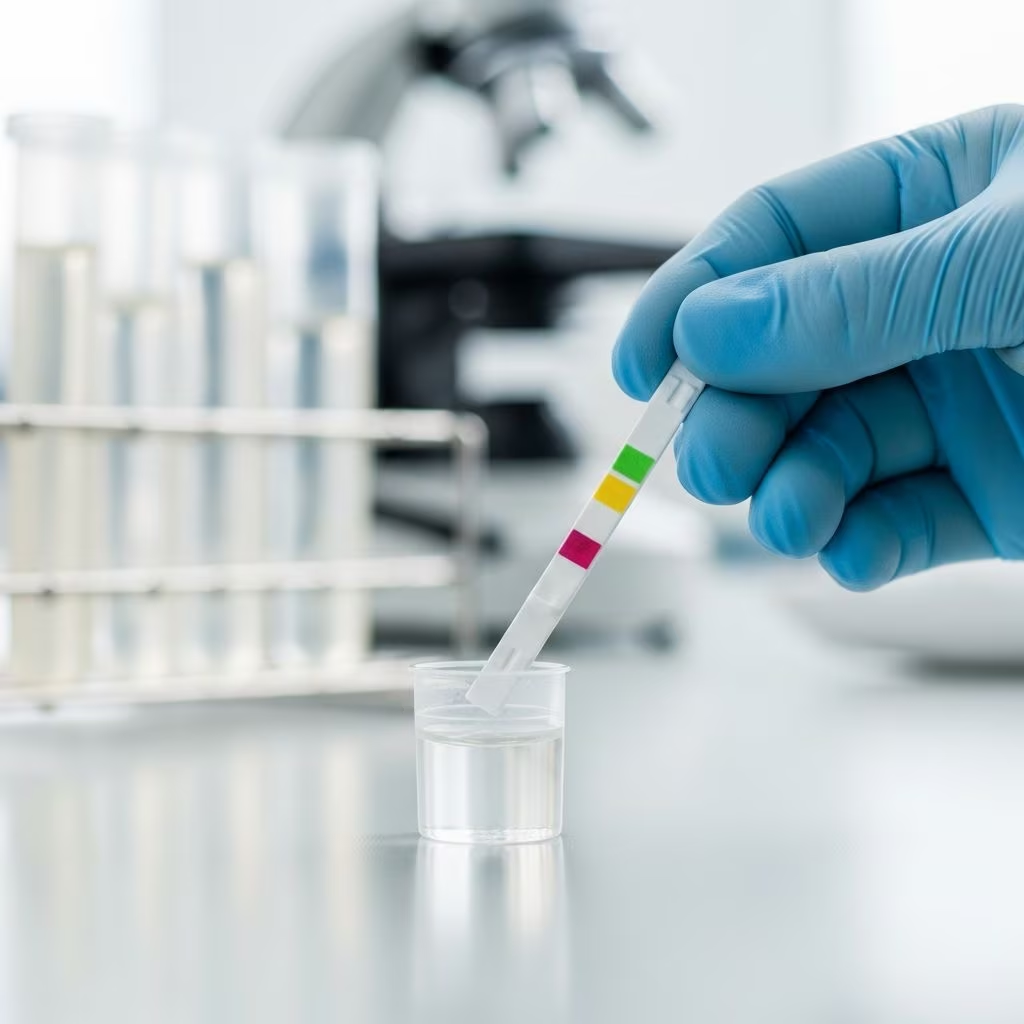
Proteinuria occurs when excessive proteins leak into a pet’s urine, often signaling underlying health problems, particularly kidney dysfunction in dogs and cats. This condition demands prompt veterinary attention to prevent progression to chronic issues.
Understanding the Basics of Proteinuria
In healthy pets, kidneys act as sophisticated filters, retaining vital proteins like albumin in the bloodstream while excreting waste. When this barrier fails, proteins spill into urine, a state known as proteinuria. This is not a standalone illness but a red flag for conditions ranging from transient issues to severe renal damage.
The glomerular structure in the kidneys, responsible for filtration, typically blocks large molecules. Damage here allows proteins to pass through, detectable via urinalysis. Early recognition is crucial as persistent proteinuria accelerates kidney decline and heightens mortality risks in chronic kidney disease (CKD) cases.
Common Causes Behind Protein Loss in Urine
Proteinuria stems from three primary origins: pre-renal, renal, and post-renal factors. Pre-renal causes involve conditions upstream of the kidneys, such as dehydration from vomiting or diarrhea, shock due to trauma or blood loss, and heart failure from infectious or degenerative sources.
Renal causes directly affect kidney structures. Functional types arise from stress, fever, or exercise, often resolving spontaneously. Pathologic renal proteinuria targets glomeruli (e.g., glomerulonephritis), tubules (e.g., Fanconi syndrome), or interstitium (e.g., infections like leptospirosis or pyelonephritis).
Post-renal issues include urinary tract inflammation, infections, tumors, or bleeding. Systemic factors like hypertension, diabetes, cancer, or breed predispositions (e.g., certain soft-coated wheaten terriers) also contribute.
- Pre-renal: Dehydration, shock, heart failure.
- Renal: Glomerular diseases, tubular defects, interstitial inflammation.
- Post-renal: Bladder infections, stones, neoplasia.
Recognizing Symptoms in Dogs and Cats
Many pets show no overt signs, with proteinuria found during routine check-ups. When symptoms appear, they mirror the root cause: increased thirst and urination in kidney disease, lethargy, swelling (edema) in limbs or abdomen, breathing difficulties from fluid buildup (pleural effusion or ascites).
Owners might notice weight loss, poor appetite, vomiting, or blood in urine if infections or stones are involved. In advanced stages, pitting edema—where pressure leaves a dent in swollen tissue—or hypertension-related issues emerge.
| Symptom | Associated Cause | Common in Dogs/Cats |
|---|---|---|
| Increased thirst/urination | Kidney disease | Both |
| Swelling in legs/abdomen | Protein depletion | Dogs more |
| Lethargy, poor appetite | Systemic illness | Both |
| Breathing issues | Fluid accumulation | Cats more |
Diagnostic Approaches for Accurate Assessment
Veterinarians start with urinalysis to detect protein traces. Confirmation uses the urine protein-to-creatinine ratio (UPCR), the gold standard: normal <0.5 in dogs (<0.2 ideal), <0.4 in cats. Borderline (0.2-0.5 dogs) warrants monitoring; >0.5 signals significant proteinuria.
Cystocentesis—needle aspiration from the bladder—ensures clean samples, avoiding contamination. Repeat testing confirms persistence. Additional diagnostics include bloodwork for kidney markers (creatinine, SDMA), urine culture for infections, blood pressure checks, imaging (ultrasound), and breed-specific tests.
A full history review covers travel, vaccines, diet, and symptoms like fever or joint issues. Physical exams focus on abdominal palpation and ocular changes.
Treatment Strategies to Manage and Reverse Proteinuria
Treatment targets the cause. Transient cases from stress resolve naturally. For infections, antibiotics suffice; hypertension benefits from ACE inhibitors like benazepril, which reduce glomerular pressure.
In CKD-linked proteinuria, therapies include renal diets low in protein/phosphorus, blood pressure meds, anti-inflammatory drugs, and antiproteinuric agents. Regular monitoring tracks UPCR trends. Immunosuppressants address glomerulonephritis.
Supportive care involves fluids for dehydration, managing edema with diuretics, and preventing clots from protein loss. Prognosis improves with early intervention; non-renal causes often fully resolve.
Preventive Measures for Pet Owners
Annual wellness exams with urinalysis catch issues early, especially in at-risk breeds or seniors. Maintain hydration, control weight to avoid diabetes/hypertension, and use parasite preventives against leptospirosis.
Monitor for subtle changes like thirst spikes. High-quality diets support kidney health without excess protein. Avoid nephrotoxic substances like certain NSAIDs.
Prognosis and Long-Term Outlook
Proteinuria severity predicts outcomes: mild, reversible cases fare well, while persistent renal forms in CKD raise death risk. Studies link high UPCR to faster progression, but treatments extend life and quality.
Consistent vet follow-ups, med adherence, and lifestyle tweaks yield best results. Many pets live comfortably for years post-diagnosis.
Frequently Asked Questions (FAQs)
What does protein in pet urine indicate?
It signals potential kidney filtering issues or other conditions; vets use UPCR to quantify and investigate.
Is proteinuria always serious in dogs and cats?
Not always—transient forms exist, but persistent cases (>0.5 UPCR) require urgent care.
How is UPCR tested?
Via urine sample analysis; normal <0.5 dogs, confirmed with repeats.
Can diet help manage proteinuria?
Yes, renal diets reduce kidney workload and proteinuria levels.
Which pets are at higher risk?
Seniors, breeds like Shar-Peis, or those with hypertension/diabetes.
Proteinuria demands vigilance, but with diagnostics like UPCR and targeted therapies, pets can thrive despite this challenge.
References
- Understanding Canine Proteinuria: Causes and Concerns — Dr. Kaiser’s Animal Clinic. 2023. https://drkaisersanimalclinicofmandarin.com/blog/1255563-understanding-canine-proteinuria-causes-and-concerns
- Proteinuria in Dogs: GP Guide — InDeVets. 2024. https://indevets.com/blog/proteinuria-in-dogs-gp-guide/
- High Levels of Protein in Dog Urine (Proteinuria in Dogs) — PetMD. 2025-02-15. https://www.petmd.com/dog/conditions/urinary/c_multi_proteinuria
- A Veterinary Deep Dive into Proteinuria — The Vetiverse. 2024. https://www.thevetiverse.com/en/latest/a-veterinary-deep-dive-into-proteinuria/
- Proteinuria in Pets — Animal Medical Center New York. 2018-01-10. https://www.amcny.org/blog/2018/01/10/proteinuria-in-pets/
- Urine Protein — VCA Animal Hospitals. 2024. https://vcahospitals.com/know-your-pet/urine-protein



