Protein-Losing Enteropathy (PLE) in Dogs: Causes, Symptoms, and Treatment
Understanding PLE in dogs: comprehensive guide to symptoms, diagnosis, and effective treatment options.
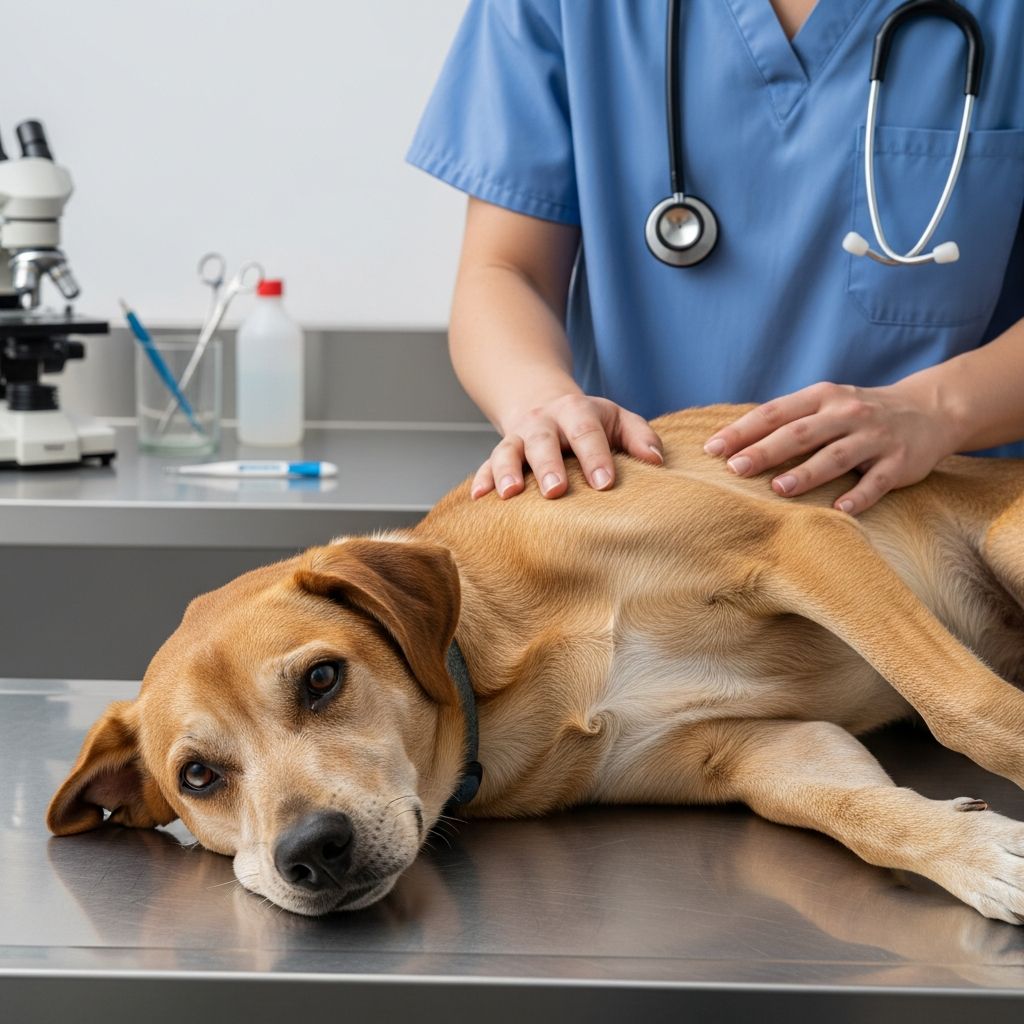
Understanding Protein-Losing Enteropathy (PLE) in Dogs
Protein-Losing Enteropathy (PLE) is a serious gastrointestinal condition that affects dogs of all ages and breeds. This condition occurs when protein is abnormally lost from the dog’s body through the intestines, leading to critically low protein levels in the blood, a condition called hypoalbuminemia. PLE is not a primary disease itself but rather a syndrome that indicates an underlying gastrointestinal or systemic disease. When left untreated, this condition can rapidly progress to become life-threatening, making early recognition and veterinary intervention essential for affected dogs.
What Causes Protein-Losing Enteropathy in Dogs?
PLE in dogs can result from various underlying diseases and conditions. Understanding these causes is crucial for developing an effective treatment plan tailored to your dog’s specific situation. The condition typically stems from either primary gastrointestinal diseases or secondary systemic conditions that affect intestinal protein absorption and retention.
Primary Gastrointestinal Causes
The most common gastrointestinal causes of PLE include inflammatory bowel disease (IBD), intestinal lymphangiectasia (IL), and chronic enteropathy. Inflammatory bowel disease causes inflammation in the intestinal lining, leading to increased permeability and protein loss. Intestinal lymphangiectasia, characterized by dilated intestinal lymphatic vessels, allows protein-rich fluid to leak into the intestinal lumen. Intestinal parasites, fungal infections, and bacterial overgrowth can also trigger protein loss through the damaged intestinal barrier.
Secondary Systemic Causes
Beyond gastrointestinal diseases, PLE can develop secondary to other systemic conditions. Congestive heart failure, certain cancers, liver disease, and kidney disease can all result in protein loss through the intestines. Lymphatic diseases and conditions affecting lymph circulation may also contribute to the development of PLE in affected dogs.
Recognizing Symptoms of Protein-Losing Enteropathy
The clinical presentation of PLE can vary significantly between individual dogs. While some symptoms may appear subtle initially, they can rapidly progress to severe and potentially life-threatening manifestations if the condition remains untreated. Dog owners should be vigilant for any combination of the following signs.
Common Clinical Signs
The most frequently observed clinical signs of PLE include:
- Diarrhea (often blood-tinged or mucoid)
- Vomiting
- Weight loss despite maintained or increased appetite
- Decreased appetite or becoming a picky eater
- Lethargy and reduced activity levels
- Muscle wasting and poor body condition
- Malnutrition despite adequate food intake
Physical Examination Findings
During a veterinary physical examination, dogs with PLE may present with several notable findings. These include a pot-bellied appearance due to fluid accumulation within the abdomen (ascites), difficulty breathing from fluid accumulation in the chest cavity (pleural effusion), thickened loops of intestine that can be felt during abdominal palpation, abnormal findings during rectal examination, and enlarged lymph nodes. Some dogs may also exhibit a heart murmur or dull lung sounds resulting from fluid accumulation.
Diagnosing Protein-Losing Enteropathy
Accurate diagnosis of PLE requires a comprehensive diagnostic approach combining blood work, imaging, and sometimes tissue sampling. Since PLE can result from multiple underlying causes, identifying the specific etiology is essential for developing an appropriate treatment plan.
Blood Work and Laboratory Testing
Complete blood counts and biochemical profiles form the foundation of PLE diagnosis. Blood tests reveal low serum albumin and total protein levels characteristic of PLE. Laboratory work may also identify anemia, electrolyte imbalances, and other abnormalities. Fecal examination helps detect intestinal parasites, bacterial infections, and other indicators that the dog’s intestines are losing protein. Specific tests for cobalamin (vitamin B12) deficiency are commonly performed, as dogs with PLE frequently cannot absorb this essential vitamin from their intestines.
Diagnostic Imaging
Radiography (X-rays) allows veterinarians to visually examine the dog’s chest and abdomen for internal complications. X-rays can reveal evidence of heart disease, fungal infections, cancer, abnormal fluid accumulation in organs or tissues, and internal ulcerations. Ultrasound imaging provides detailed visualization of the gastrointestinal tract, lymph nodes, and abdominal organs, helping identify structural abnormalities and fluid accumulation.
Intestinal Biopsy
Intestinal biopsy remains one of the most valuable diagnostic tools for determining the underlying cause of PLE. Endoscopy allows veterinarians to visualize the intestinal lining and collect tissue samples while minimizing invasiveness. Bioptic analysis helps differentiate between inflammatory bowel disease, intestinal lymphangiectasia, and other conditions affecting the intestinal epithelium. This information directly influences treatment recommendations and prognosis.
Treatment Approaches for Protein-Losing Enteropathy
Since PLE results from multiple underlying causes, there is no single universal treatment protocol. Treatment strategies must be individualized based on the specific diagnosis, severity of clinical signs, and the dog’s overall health status. Most treatment plans involve a multimodal approach combining dietary modification, medications, supportive care, and management of fluid complications.
Dietary Management
Nutritional support forms a cornerstone of PLE management. For inflammatory bowel disease, a high-protein diet helps compensate for protein losses. Dogs with intestinal lymphangiectasia typically benefit from an ultra-low fat, easily digestible diet, as fat absorption exacerbates intestinal lymph fluid production. Novel antigen diets featuring protein sources the dog has not previously encountered can help reduce intestinal inflammation in food-sensitive cases. Hydrolyzed protein diets containing smaller protein fragments (peptides) decrease antigenic reactions in the intestines. A hypoallergenic diet should be fed exclusively for at least two weeks to properly assess its effectiveness. Tube feeding may become necessary in severe cases where dogs refuse food or experience persistent vomiting.
Anti-Inflammatory Medications
Anti-inflammatory drugs form the primary medical treatment for inflammatory bowel disease-related PLE. Prednisone and prednisolone are the most commonly used glucocorticoids. When higher doses of corticosteroids cause unwanted side effects, second-line immunosuppressive medications may be added. These include azathioprine, cyclosporine, and mycophenolate mofetil. In refractory cases, multiple immunosuppressive agents may be prescribed simultaneously to achieve adequate disease control.
Supportive Care and Fluid Management
Dogs with severely low protein levels may require plasma transfusions to increase plasma volume and restore critical blood proteins. Intravenous fluid therapy helps maintain electrolyte balance and reduces fluid accumulation outside blood vessels. Procedures such as thoracocentesis (chest fluid removal) or abdominocentesis (abdominal fluid removal) may be necessary when substantial fluid accumulation compromises breathing or comfort. Diuretics can help reduce ascites and pleural effusion. Antithrombotic therapy with low-dose aspirin helps prevent blood clots, a serious complication in PLE patients with severely low blood protein levels.
Micronutrient Supplementation
Dogs with PLE frequently develop cobalamin (vitamin B12) deficiency because their damaged intestines cannot adequately absorb this critical nutrient from food. Injectable cyanocobalamin administered subcutaneously can correct this deficiency and often improves gastrointestinal signs and appetite. Calcium supplementation may be necessary if blood ionized calcium levels become dangerously low. Fat-soluble vitamin supplementation may also be required depending on the underlying condition.
Additional Medications
Anti-emetic medications such as maropitant effectively control nausea, often encouraging dogs to eat and facilitating nutritional intake. Antiulcer medication becomes necessary when gastric ulcers develop secondary to PLE. Deworming and antimicrobial medications address parasitic infections and bacterial overgrowth. In some cases, surgical intervention may be necessary to address specific complications or underlying causes.
Long-Term Management and Care
Dogs with PLE require careful, ongoing management because their condition renders them particularly fragile. The combination of hypoalbuminemia, gastrointestinal disease, and increased susceptibility to blood clots necessitates attentive supportive care and adequate nutrition. Regular veterinary follow-up visits with complete blood counts and biochemical profiles ensure that protein levels remain stable and are not declining to dangerous levels.
Veterinarians will monitor for respiratory distress and signs of fluid accumulation in the chest or abdomen. Exercise should be adjusted based on the dog’s energy level and clinical status. Many dogs with PLE benefit from a consistent, gentle exercise routine that supports overall health without exacerbating gastrointestinal symptoms. Modified nutrition remains central to ongoing management, with most dogs requiring specialized diets indefinitely.
Prognosis and Survival Rates
The long-term prognosis for dogs with PLE varies considerably depending on the underlying cause, severity of initial presentation, and treatment response. In many cases, the primary underlying disease may not be completely treatable, making PLE a chronic condition requiring lifelong management. Survival rates for dogs with PLE range from 30-40%, reflecting the serious nature of this condition. However, aggressive multimodal treatment protocols combining dietary modification, antimicrobials, and immunosuppressive drugs have improved outcomes. Some studies have shown that appropriate treatment has rescued approximately 70% of dogs from euthanasia, demonstrating the potential for positive outcomes with dedicated care.
Frequently Asked Questions
Q: Can PLE in dogs be cured?
A: In most cases, there is no cure for protein loss through the intestines. However, with appropriate treatment addressing the underlying cause and careful management, many dogs can achieve good quality of life. Some dogs with IBD may enter remission with appropriate dietary and medical management.
Q: What is the difference between intestinal lymphangiectasia and inflammatory bowel disease?
A: Intestinal lymphangiectasia involves dilated intestinal lymphatic vessels causing protein-rich fluid leakage, typically managed with low-fat diets. Inflammatory bowel disease involves intestinal inflammation managed with anti-inflammatory medications and often hypoallergenic diets. Both can cause PLE but respond to different treatment strategies.
Q: How often should my dog with PLE have veterinary check-ups?
A: Dogs with PLE typically require frequent monitoring initially, then ongoing check-ups every 4-8 weeks depending on disease stability. Your veterinarian will recommend an appropriate schedule based on your dog’s specific condition and treatment response.
Q: Is PLE contagious to other dogs?
A: PLE itself is not contagious. However, if parasitic infections or infectious causes underlie the PLE, appropriate treatment and sanitation measures may be necessary to prevent spread to other animals.
Q: What role does diet play in managing PLE?
A: Diet is fundamental to PLE management. Appropriate nutritional support helps replace lost proteins and supports intestinal healing. Specific diets for IBD (high protein), intestinal lymphangiectasia (ultra-low fat), or food sensitivities (novel or hydrolyzed protein) can significantly improve outcomes.
Q: Can my dog develop blood clots from PLE?
A: Yes, dogs with severely low blood protein levels have increased risk of developing blood clots. These can be life-threatening, particularly if they lodge in the lungs (pulmonary thromboembolism). Low-dose aspirin is often recommended preventatively for high-risk patients.
References
- Protein Losing Enteropathy (PLE) in Dogs: Signs & Treatment — Bow Wow Insurance. 2024. https://bowwowinsurance.com.au/pet-care/diseases-conditions/protein-losing-enteropathy-ple-in-dogs/
- Protein-Losing Enteropathy (PLE) in Dogs — Pet Health Network. 2024. https://www.pethealthnetwork.com/dog-health/dog-diseases-conditions-a-z/protein-losing-enteropathy-ple-dogs
- Intestinal Protein Loss in Dogs – PLE — PetMD. 2024. https://www.petmd.com/dog/conditions/digestive/c_dg_protein_losing_enteropathy
- Diagnostic features, treatment, and outcome of dogs with protein-losing enteropathy — National Institutes of Health (NIH/PMC). 2019. https://pmc.ncbi.nlm.nih.gov/articles/PMC6766500/
- Chronic Enteropathies in Small Animals – Digestive System — Merck Veterinary Manual. 2024. https://www.merckvetmanual.com/digestive-system/diseases-of-the-small-intestine-in-small-animals/chronic-enteropathies-in-small-animals
- Protein-Losing Enteropathy (PLE) — Veterinary Specialty Center. 2024. https://www.vetspecialty.com/specialties/internal-medicine/protein-losing-enteropathy-ple/
Similar Articles








Read full bio of Sneha Tete