

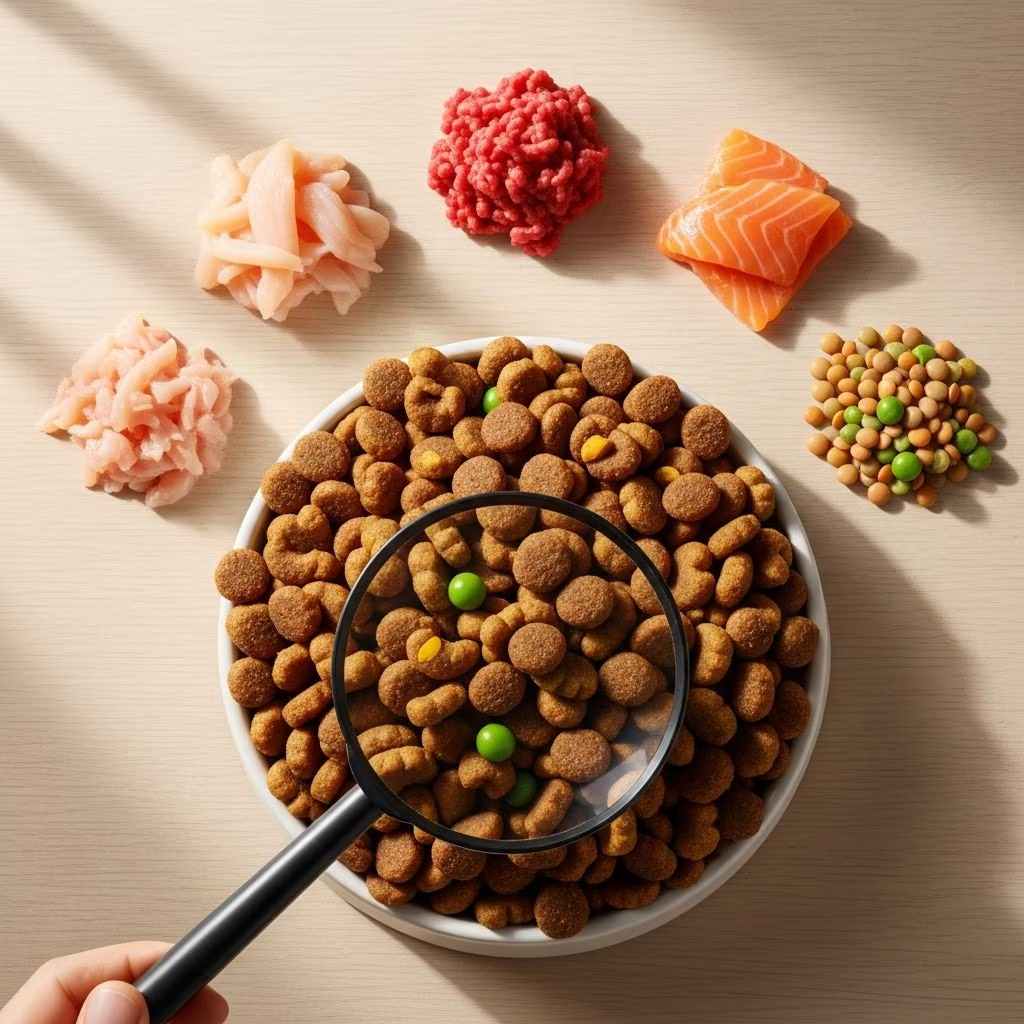
Protein serves as a cornerstone of canine nutrition, supporting muscle development, immune function, and overall vitality in dogs. Understanding the right protein levels ensures your pet thrives at every life stage, from energetic puppies to active adults and aging seniors.
Why Protein Matters for Canine Health
Proteins break down into amino acids, the building blocks essential for repairing tissues, producing enzymes, and maintaining healthy skin and coat. Dogs require ten essential amino acids that their bodies cannot synthesize, making dietary protein indispensable. Insufficient intake can lead to weight loss, fatigue, poor growth in puppies, and digestive disturbances like bloating or diarrhea.
High-quality proteins enhance nutrient absorption and digestibility. Animal-based sources typically provide complete profiles of these amino acids, outperforming many plant-based options in biological value. For instance, eggs rank as an ideal protein due to their full spectrum of essentials, while some grains may fall short.
Establishing Daily Protein Requirements
The Association of American Feed Control Officials (AAFCO) sets minimum standards to prevent deficiencies. Adult dogs need at least 18% crude protein on a dry matter basis or 4.5 grams per 100 kcal of energy. Growing puppies, pregnant, and nursing females require 22.5% crude protein or 5.63 g/100 kcal. These thresholds ensure basic needs are met, but most commercial foods exceed them for optimal health.
Protein needs vary by factors like body weight, activity level, and metabolism. A 45-pound moderately active adult might require about 56 grams daily, roughly 1.2 grams per pound of body weight, supplied by diets around 20% crude protein. Larger or highly active breeds often benefit from higher levels, while seniors may need up to 50% more than young adults to preserve lean muscle mass—around 25% of daily calories from protein.
| Life Stage | AAFCO Min Crude Protein (% DM) | Calories from Protein (Min %) | Examples |
|---|---|---|---|
| Adult Maintenance | 18% | 20% | Moderately active dogs |
| Puppy/Growth | 22.5% | 25% | Puppies, lactating dams |
| Senior/Active | 25-27% | 27% | Aging or working dogs |
This table summarizes key benchmarks; actual needs should align with feeding trials or AAFCO-formulated labels.
Evaluating Protein Quality in Commercial Foods
Crude protein percentage on labels indicates total nitrogen content but not digestibility or amino acid balance. Look for named animal sources like chicken, beef, or fish early in ingredients—these signal high biological value. Wet foods vary more widely, so compare on a dry matter or caloric basis for accuracy.
Diets exceeding 30% crude protein qualify as high-protein, suitable for performance dogs but unnecessary for most. Excess protein converts to energy, and in kidney-compromised pets, it may strain organs—consult a vet for tailored advice. Balanced formulas integrate protein with fats, carbs, vitamins, and minerals like calcium and phosphorus for holistic nutrition.
Protein Across Dog Life Stages
Growth and Development Phases
Puppies demand elevated protein for rapid tissue growth, bone formation, and brain development. Formulas typically deliver 26-28% crude protein, ensuring robust starts. Breeding females in gestation or lactation mirror these levels to support puppy production and milk synthesis.
Prime Adult Years
Maintenance diets provide 20-27% protein, fueling daily activities without excess. Working breeds or athletes may thrive on higher ends to sustain muscle and endurance.
Senior Nutrition Adjustments
Aging dogs face muscle loss (sarcopenia), counteracted by increased protein—up to 27% of energy—to maintain lean mass. Highly digestible sources prevent digestive strain common in older pets.
Signs of Protein Imbalance
- Deficiency Indicators: Lethargy, unexplained weight loss, dull coat, stunted puppy growth, or gastrointestinal upset.
- Excess Risks: Rare in healthy dogs but potential dehydration or kidney stress in predisposed individuals.
Monitor your dog’s energy, body condition, and stool quality. Tools like pet food calculators help verify if current intake meets AAFCO minima relative to caloric needs.
Comparing Protein in Popular Dog Food Brands
Leading manufacturers formulate to exceed AAFCO standards. Puppy lines often hit 25%+ metabolizable energy from protein, adult maintenance around 20%, and senior blends 27% minimum. These incorporate premium animal proteins, grains, and oilseeds for completeness.
For a 30-pound adult fed per label guidelines, a 25% protein kibble supplies ample amino acids. Wet varieties might appear lower (around 8-10% as-fed) but equate higher on dry matter. Always prioritize foods with AAFCO statements confirming feeding trials.
Enhancing Home Diets Safely
If supplementing, calculate deficits precisely. For each gram short, add about 5 grams raw lean meat (like beef or chicken) or 4 grams cooked. A dog needing 35 grams but getting 30 from kibble requires five heaping teaspoons daily. Avoid over-supplementation to prevent imbalances.
Frequently Asked Questions
How do I calculate protein per pound for my dog?
Estimate daily calories based on weight and activity, then apply 1-1.5 grams protein per pound. Use label guarantees and feeding guides for precision.
Is too much protein harmful?
Healthy dogs process excess as energy; limits apply for kidney issues. Stick under 30% DM unless vet-recommended.
Plant vs. animal proteins: which is better?
Animal sources offer superior amino profiles and digestibility. Plant proteins suffice if balanced by experts, but vet oversight is crucial for vegetarian diets.
Can I use human protein supplements for dogs?
No—formulations differ. Opt for vet-approved canine toppers.
How to read protein on wet food labels?
Convert to dry matter: (crude protein % / (100 – moisture %)) x 100. Compare to AAFCO.
Choosing the Best Protein-Rich Dog Food
Select based on life stage, activity, and health status. Prioritize identifiable meats first, AAFCO compliance, and palatability. Transition gradually over 7-10 days to avoid upset. Regular vet check-ups confirm nutritional adequacy via bloodwork and condition scoring.
Protein empowers every facet of canine wellness—from lustrous coats to boundless energy. By aligning intake with evidence-based guidelines, you foster longevity and joy in your furry companion.
References
- Pondering Pet Protein: How much protein should my pet get? — Tufts University School of Veterinary Medicine. 2019-12-30. https://sites.tufts.edu/petfoodology/2019/12/30/how-much-protein-should-my-pet-get/
- November Newsletter: The Importance of Protein in Your Dog’s Diet — Glad Vets. N/A. https://www.gladvets.org/articles/985074-november-newsletter-the-importance-of-protein-in-your-dog-s-diet
- Dog Nutrition: Guide to Dog Food Nutrients — PetMD. N/A. https://www.petmd.com/dog/nutrition/evr_dg_whats_in_a_balanced_dog_food
- “Complete and Balanced” Pet Food — U.S. Food and Drug Administration (FDA). N/A. https://www.fda.gov/animal-veterinary/animal-health-literacy/complete-and-balanced-pet-food
- How Much Protein Does a Dog Need Per Pound of Body Weight? — Now Fresh. N/A. https://nowfresh.com/en-us/blog/how-much-protein-does-a-dog-need



