

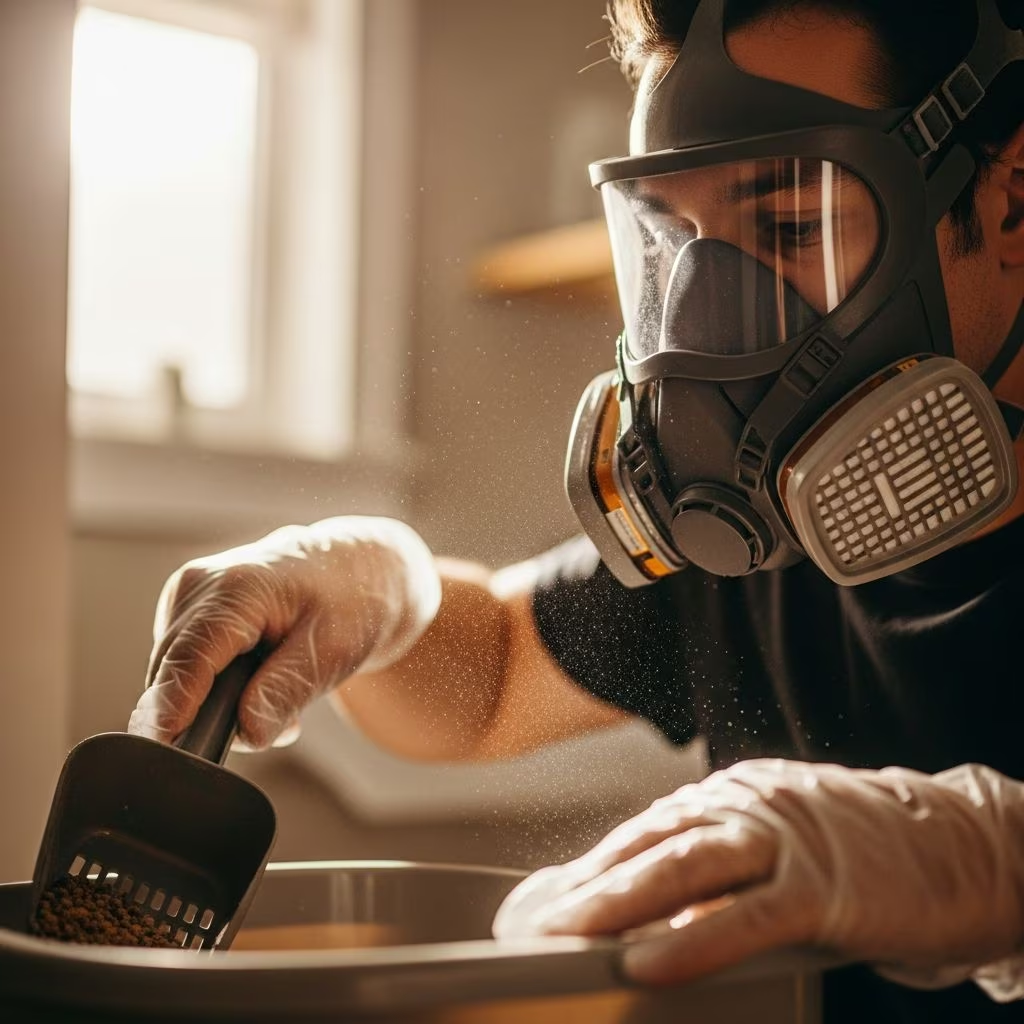
Cat ownership brings joy and companionship, yet it also involves regular maintenance tasks that can pose unexpected health challenges. One of the most overlooked aspects of pet care is the potential health hazard associated with cleaning litter boxes. The practice of wearing protective masks during this routine chore has gained attention as cat owners and veterinary professionals recognize the legitimate respiratory and infectious disease risks involved. Understanding these dangers and implementing appropriate safety measures can significantly reduce health complications for both cat owners and their vulnerable family members.
The Hidden Risks Within Cat Litter
Traditional cat litter products contain several components that can negatively impact human respiratory health. The primary concern centers on the fine particles that become airborne when litter is disturbed during pouring, scooping, or box maintenance. These particles, though invisible to the naked eye, carry significant health implications when inhaled repeatedly over time.
Dust Composition and Particle Behavior
Sodium bentonite, the most common additive in conventional clumping litters, represents the first major health concern. When litter dust enters the respiratory system, it can cause irritation primarily affecting the nose and lungs. The fine particulate nature of this substance means it easily becomes airborne and remains suspended in the air, increasing the likelihood of inhalation during and even after litter box maintenance.
Beyond sodium bentonite, silica-based additives present an even more serious threat. Silica dust inhalation can lead to silicosis, a progressive lung disease characterized by scarring of sensitive lung tissue and resulting in breathing difficulties. This occupational hazard, typically associated with mining or construction work, can develop in homes where frequent litter box exposure occurs without adequate protective measures.
Chemical Additives and Volatile Organic Compounds
Many litter formulations include deodorizers and artificial fragrances designed to mask odors. However, these chemical additives introduce volatile organic compounds (VOCs) that irritate the respiratory tract. Evidence from environmental health studies indicates that long-term exposure to VOCs can result in chronic respiratory conditions and systemic health effects. For individuals with pre-existing sensitivities, these chemical irritants can trigger inflammatory responses leading to respiratory distress.
Respiratory Conditions Exacerbated by Litter Exposure
Asthma and Chronic Breathing Difficulties
Individuals with asthma face particular vulnerability to litter box-related dust exposure. Feline asthma, affecting up to 5% of domesticated cats in North America, demonstrates how widespread this respiratory irritant truly is. For humans with asthma, litter dust causes airway irritation and increases the risk of asthma attacks. Poison control centers have documented cases of individuals experiencing chronic coughing and wheezing due to prolonged exposure to sodium bentonite dust found in clumping litters.
The mechanism is straightforward: when dust particles enter airways already prone to inflammation, they trigger additional irritation and constriction. This exacerbation can transform routine litter box maintenance from a minor inconvenience into a significant health event requiring medical intervention.
Bronchitis and Lung Infections
Continuous exposure to cat litter dust can lead to bronchitis, an inflammation of the airways. Clay-based litter dust, in particular, can carry harmful bacteria that when inhaled, may cause lung infections and aggravate existing respiratory conditions. The combination of physical irritation from particles and bacterial contamination creates a dual threat to respiratory system integrity.
Vulnerable Populations Requiring Special Consideration
Children
Children represent a particularly susceptible population due to their developing respiratory systems and smaller airways, making them more vulnerable to respiratory irritants. Their bodies are still developing compensatory mechanisms to handle environmental stressors. Additionally, children are more likely to play near or around litter boxes, increasing their cumulative exposure. Even brief encounters with high concentrations of litter dust during litter box maintenance can trigger coughing and wheezing in young people with respiratory sensitivity.
Elderly Individuals
Older adults frequently experience weakened immune systems and may have pre-existing health conditions such as chronic obstructive pulmonary disease (COPD) or reduced lung function. These conditions make them significantly more vulnerable to respiratory irritants, which can exacerbate their existing ailments and lead to severe respiratory problems. For seniors living with cats, the cumulative effect of periodic litter box dust exposure compounds over time.
Immunocompromised Individuals
People with weakened immune systems, including those undergoing chemotherapy, living with HIV/AIDS, or taking immunosuppressive medications, face heightened risks from both dust exposure and microbial contamination in cat litter. Inhalation of dust contaminated with bacteria or parasites like Toxoplasma gondii can lead to severe infections and complications, as their bodies possess reduced capability to fight off these pathogens.
Microbial and Parasitic Hazards
Beyond dust and chemical concerns, cat litter harbors various pathogens that pose infection risks. Toxoplasma gondii, a parasite commonly found in cat feces, represents perhaps the most well-known danger. While many individuals exposed to this parasite experience mild or no symptoms, immunocompromised individuals and pregnant women face serious complications. Clean litter boxes daily to minimize the risk of Toxoplasma gondii infection, and use protective gear like gloves and masks when handling cat waste.
The parasite can become aerosolized when litter is disturbed, particularly during cleaning and maintenance activities. Even individuals who do not directly handle waste can inhale contaminated particles if adequate ventilation and protective measures are not in place.
The Case for Protective Masks
How Masks Function as Barriers
Wearing a mask while handling cat litter provides a direct barrier against inhalation of dust and harmful particles. This protection proves especially important when pouring new litter into boxes or scooping out waste, activities that maximize dust generation. Masks function by filtering air before it enters the respiratory system, capturing particles that would otherwise penetrate deeply into the lungs.
Mask Selection and Effectiveness
Not all masks provide equal protection. The most effective options for litter box maintenance are N95 respirators, which filter out fine particles and provide robust protection against dust and potential pathogens. These masks are specifically designed to filter 95% of airborne particles 0.3 micrometers or larger, making them particularly suitable for the fine dust generated during litter box cleaning.
While standard surgical masks offer some protection, they do not provide the same level of filtration as N95 respirators. For individuals with respiratory sensitivities or those frequently managing litter boxes, investing in proper N95 masks represents a practical health investment.
Complementary Safety Measures
Protective Gloves and Hand Hygiene
Beyond mask use, wearing gloves when cleaning the litter box protects hands from direct contact with waste, dust, and chemicals. Gloves prevent skin irritation and reduce the risk of transmitting bacteria and parasites from litter to the body through hand contact with face or mucous membranes. Following glove use, thorough hand washing with soap and water removes any particles or pathogens that may have contacted skin.
Environmental Ventilation
Maintaining proper ventilation in areas where litter boxes are located significantly reduces airborne dust concentration. Opening windows, using exhaust fans, or positioning litter boxes in well-ventilated spaces minimizes the accumulation of harmful particles in the breathing zone.
Litter Selection Strategies
Choosing low-dust or dust-free cat litters represents a foundational preventive approach. Manufacturers increasingly offer formulations specifically designed to minimize particulate matter. While these products may cost slightly more, the health benefits justify the additional expense, particularly for households with vulnerable members.
Regular Maintenance Practices
Daily cleaning of litter boxes prevents the buildup of waste that can harbor bacteria and mold. Infrequent cleaning or humid conditions can cause mold to grow in litter, especially in organic or high-moisture types, with mold spores acting as strong allergens that may lead to respiratory issues and skin irritation.
Addressing Common Questions
FAQ Section
Q: Is it really necessary to wear a mask every time I clean the litter box?
For most healthy adults performing occasional litter maintenance, a mask may not be essential for single exposures. However, those with respiratory conditions, allergies, or who clean litter boxes daily should strongly consider regular mask use. For vulnerable populations—children, elderly individuals, and immunocompromised people—mask use during litter box maintenance is advisable.
Q: What type of mask provides the best protection?
N95 respirators offer superior protection compared to standard surgical masks, filtering approximately 95% of particles 0.3 micrometers and larger. Ensure the mask fits properly around the nose and mouth to maximize effectiveness.
Q: Can switching litter types reduce health risks?
Yes, transitioning to low-dust or dust-free formulations significantly reduces particle inhalation. Additionally, some cat owners choose paper-based or pellet litters that generate less dust than traditional clay products.
Q: How often should I clean the litter box?
Daily cleaning prevents waste accumulation, reducing bacterial and mold growth while minimizing pathogen concentration. More frequent cleaning for multiple-cat households may be necessary.
Q: Are there signs that litter box exposure has affected my health?
Persistent coughing, wheezing, shortness of breath, or respiratory symptoms that worsen during or after litter box maintenance warrant medical evaluation. These may indicate dust sensitivity or developing respiratory complications.
Implementing a Comprehensive Safety Strategy
A holistic approach to litter box safety integrates multiple protective measures rather than relying on any single intervention. This comprehensive strategy includes:
- Regular use of appropriately fitted N95 masks during litter box maintenance
- Protective gloves and thorough hand hygiene practices
- Selection of low-dust or dust-free litter formulations
- Daily litter box cleaning and maintenance
- Adequate ventilation in litter box areas
- Regular health monitoring for respiratory symptoms
- Medical consultation for individuals with pre-existing respiratory conditions
By implementing these measures systematically, cat owners can substantially reduce health risks while maintaining their feline companions’ hygiene and wellbeing.
Conclusion: Prioritizing Health Within Pet Ownership
The emergence of mask-wearing as a litter box maintenance practice reflects growing recognition of legitimate health concerns associated with cat ownership. Rather than representing an overreaction or unnecessary precaution, protective masks represent a practical, evidence-based response to documented respiratory hazards. For cat owners—particularly those in vulnerable populations or with pre-existing respiratory conditions—implementing protective measures transforms litter box maintenance from a potential health risk into a manageable routine task.
As cat ownership continues to grow globally, awareness of these health considerations becomes increasingly important. By adopting protective practices and making informed decisions about litter selection and maintenance protocols, cat owners can enjoy their feline companions while safeguarding their respiratory health and that of their families.
References
- Can Cat Litter Caused Respiratory Problems in Humans? — MichuPet. Accessed January 29, 2026. https://michupet.com/blogs/pet-care/can-cat-litter-caused-respiratory-problems-in-humans
- The Pet Expert: Is Kitty Litter Harming You and Your Cat? — The Meaford Independent. Accessed January 29, 2026. https://themeafordindependent.ca/800122-the-pet-expert-is-kitty-litter-harming-you-and-your-cat/
- Should I Wear A Mask When Cleaning Cat Litter? — PetGuide360.com. January 30, 2025. https://www.youtube.com/watch?v=AOqmsLXEGAE
- The Hidden Dangers of Litter Boxes and Safer Alternatives — Ruff Start Rescue. February 13, 2025. https://ruffstartrescue.org/2025/02/13/hidden-dangers-of-litter-boxes/
- Toxoplasmosis — Symptoms and causes — Mayo Clinic. Accessed January 29, 2026. https://www.mayoclinic.org/diseases-conditions/toxoplasmosis/symptoms-causes/syc-20356249
- Toxoplasmosis Health Education for Cat Owners — A Catio Company. Accessed January 29, 2026. https://www.thecattopia.com/blog/toxoplasmosis-health-education-for-cat-owners/
- Can Cleaning a Cat Litter Box Make You Sick? The Hidden Health Risks — UAH Pet. Accessed January 29, 2026. https://www.uahpet.com/blogs/post/can-cleaning-a-cat-litter-box-make-you-sick-the-hidden-health-risks



