

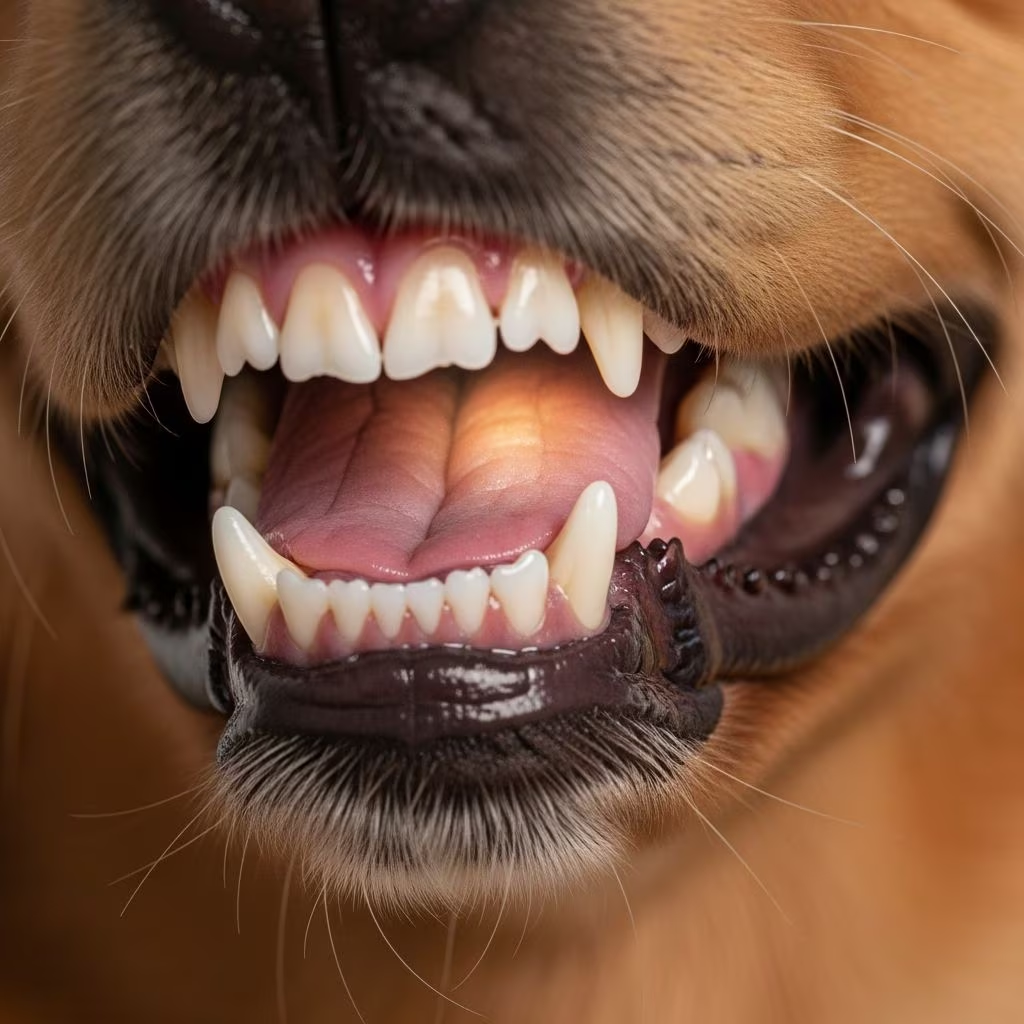
Periodontal disease stands as one of the most prevalent health issues in adult dogs, stemming from bacterial buildup that inflames gums and damages supporting structures. Early prevention through consistent home care and veterinary oversight can significantly reduce risks, preserving your dog’s comfort and vitality.
Recognizing the Silent Threat to Canine Oral Wellness
Dogs experience periodontal challenges due to plaque accumulation, a sticky bacterial film that hardens into tartar if not addressed. This process triggers gingivitis, progressing to periodontitis, where tissues and bone erode, potentially leading to tooth loss. Small breeds face heightened vulnerability owing to crowded teeth, while all dogs benefit from proactive measures.
Signs include bad breath, red or swollen gums, loose teeth, and pain during eating. Cracked teeth often result from chewing hard objects, exposing inner pulp to infection. Addressing these early maintains systemic health, as oral bacteria can affect heart, liver, and kidneys.
Building a Strong Foundation with Daily Brushing Habits
Toothbrushing emerges as the gold standard for plaque control, far surpassing alternatives in efficacy. Daily sessions with a soft-bristled brush and enzymatic dog toothpaste mechanically disrupt biofilm formation.
- Begin training puppies post-permanent teeth eruption, using positive reinforcement like treats.
- Apply gentle circular motions on outer tooth surfaces, focusing on gum lines.
- Aim for every other day at minimum; studies confirm this halves plaque compared to weekly efforts.
Flavored pastes enhance acceptance, while finger brushes suit beginners. Consistency yields results within weeks, reducing gingivitis severity markedly.
Nutritional Choices That Support Dental Resilience
Specially formulated dental diets feature textures that scrape plaque during chewing, mechanically cleansing teeth. These kibbles expand with saliva, creating friction against surfaces.
| Dental Diet Benefit | Key Mechanism | Supporting Evidence |
|---|---|---|
| Plaque Reduction | Fibrous texture abrades buildup | Clinical trials show decreased accumulation |
| Calculus Control | Polyphosphate binding | Proven in controlled dog studies |
| Halitosis Relief | Antioxidant additives | Reduced sulfur compounds observed |
Incorporate vitamin C-rich elements for antioxidant support and tissue repair. Probiotics targeting oral bacteria foster balanced microbiomes, complementing mechanical methods.
Chews, Toys, and Wipes: Supplementary Cleaning Tools
VOHC-approved chews and toys provide abrasive action, inhibiting tartar. Select rubber items with ridges for safe gnawing.
- Rawhide alternatives with enzymes break down plaque.
- Dental wipes with chlorhexidine disinfect surfaces between brushes.
- Avoid hard bones to prevent fractures; opt for softer, vet-endorsed products.
These aids extend brushing benefits, especially for resistant dogs, though they rank below direct cleaning.
When Home Efforts Need Professional Reinforcement
Annual veterinary exams detect issues early. Full cleanings under anesthesia include scaling, polishing, and radiographs to reveal hidden damage.
Advanced cases may require extractions, antibiotics like clindamycin, or host modulation therapies to curb inflammation. Follow-up homecare prevents recurrence.
Avoiding Tooth Fractures: Safe Chewing Practices
Slab fractures from rocks or antlers compromise enamel, inviting pulpitis. Promote nylon chews or Kong toys filled with pastes.
- Supervise playtime to redirect destructive habits.
- Regular inspections catch chips promptly.
- Endodontic treatments salvage vital teeth when feasible.
Holistic Approaches and Emerging Therapies
Green tea extracts and zinc compounds offer antimicrobial boosts. Probiotic strains like Lactobacillus acidophilus combat pathogens safely.
Integrate these with brushing for synergistic effects, monitoring for allergies.
Frequently Asked Questions
How often should I brush my dog’s teeth?
Daily brushing is ideal for optimal plaque control, with every other day providing substantial benefits.
Can diet alone prevent periodontal issues?
Dental diets aid significantly but work best alongside brushing and professional care.
What if my dog resists toothbrushing?
Start slow with finger brushes and tasty pastes, using rewards to build tolerance gradually.
Are cracked teeth always painful?
Not initially, but exposed pulp leads to severe discomfort and infection risks.
When is professional cleaning necessary?
Once tartar appears or annually, based on veterinary assessment.
Creating a Comprehensive Oral Health Plan
Combine brushing, diets, chews, and vet visits into a routine tailored to your dog’s needs. Track progress with photos and breath checks. Educate family members for consistency.
Puppies benefit from early habits; seniors require gentler tools. Breeds like Dachshunds need extra vigilance.
Investing time yields pain-free years, enhancing life quality. Consult vets for personalized protocols.
References
- Revisiting Periodontal Disease in Dogs: How to Manage This New Challenge — PMC/NCBI. 2022-12-22. https://pmc.ncbi.nlm.nih.gov/articles/PMC9774197/
- Preventing Periodontal Disease in Dogs — Purdue Extension. 2016. https://www.extension.purdue.edu/extmedia/VA/VA-20-W.pdf
- Dogs, Nutrition, and Periodontal Disease — VCA Animal Hospitals. Accessed 2026. https://vcahospitals.com/know-your-pet/dogs-nutrition-and-periodontal-disease
- How to Stop & Prevent Periodontal Disease in Dogs — Voorhees Animal Hospital. 2024-08-15. https://www.voorheesvet.com/site/blog/2024/08/15/stop-prevent-periodontal-disease-dogs
- Periodontal Disease in Dogs — PetMD. Accessed 2026. https://www.petmd.com/dog/conditions/mouth/periodontal-disease-dogs
- Updated Options for Periodontal Therapy — Today’s Veterinary Practice. Accessed 2026. https://todaysveterinarypractice.com/dentistry/practical-dentistryupdated-options-for-periodontal-therapy/



