

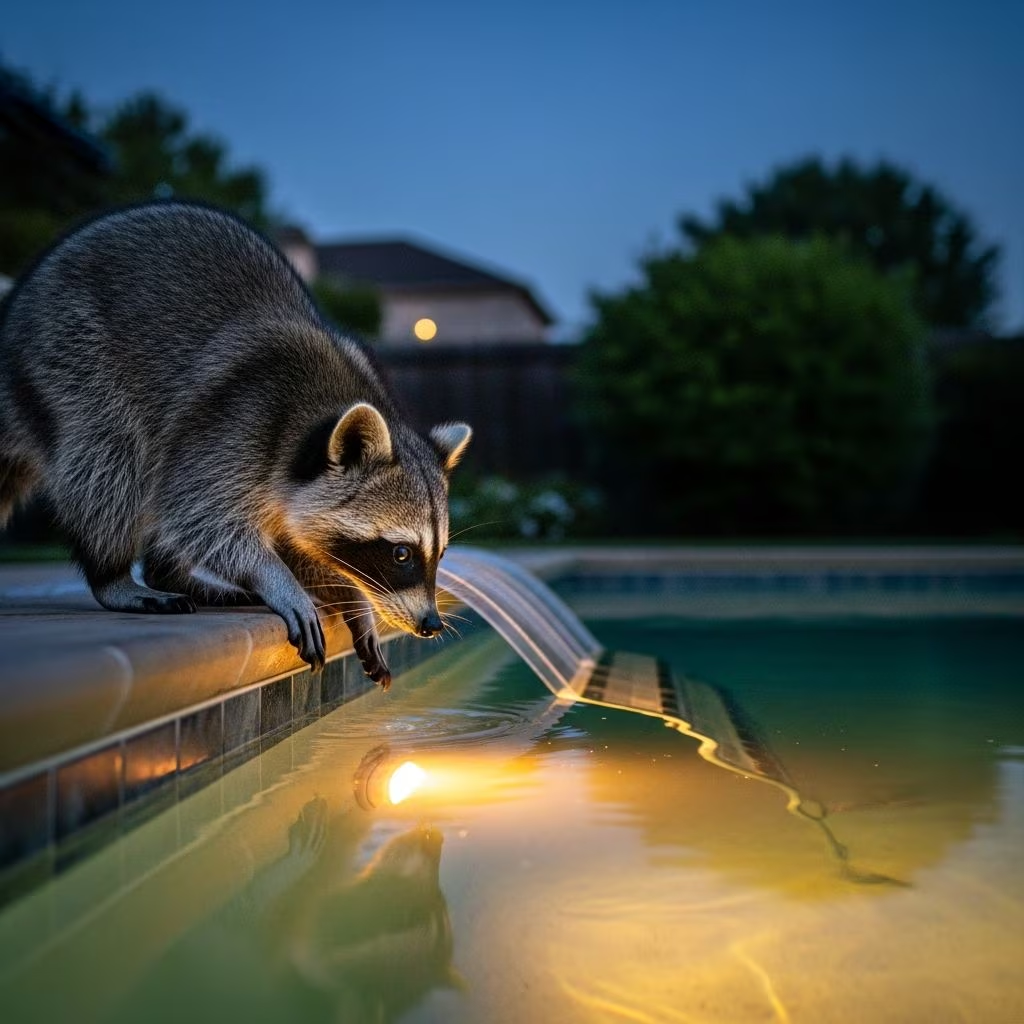
Backyard swimming pools offer refreshing escapes for humans, but they pose serious risks to local wildlife, pets, and small animals. Smooth walls and deep water create inescapable traps, leading to exhaustion and drowning for creatures like frogs, snakes, birds, and even larger mammals. By implementing thoughtful preventive measures, pool owners can enjoy their aquatic spaces while minimizing harm to animals. This guide explores practical, humane strategies drawn from expert recommendations to create safer environments.
Understanding the Risks Animals Face in Pools
Animals often mistake chlorinated pools for natural water sources, especially during hot weather or dry spells. Small amphibians and reptiles dive in seeking hydration but struggle against vertical pool sides without ledges or grips. Birds landing for a drink face similar perils, while curious pets or wandering wildlife like raccoons may tumble in unexpectedly. According to wildlife safety guidelines, nocturnal activity increases incidents, as many species explore at night when supervision is low.
Larger animals, such as dogs or deer, might access pools more readily but require different interventions. The key challenge lies in balancing human enjoyment with ecological responsibility, ensuring pools do not become death traps.
Physical Barriers: The First Line of Defense
Installing robust barriers remains the most reliable way to prevent access. Sturdy fencing around the pool perimeter blocks entry for most intruders.
- Pool Fencing: Opt for fences at least 4 feet high with vertical slats spaced no more than 4 inches apart, featuring self-closing gates. Bury the base to deter burrowing animals like raccoons or foxes.
- Mesh or Netting: Temporary options work for seasonal use, but ensure taut installation to avoid entanglement risks.
Pool covers provide another layer, particularly solid or tight-fitting models that span the entire surface when not in use. Solar covers not only deter birds and debris but also retain heat and reduce evaporation, offering dual benefits.
| Barrier Type | Pros | Cons | Best For |
|---|---|---|---|
| Fencing | Long-term, child/pet-safe, durable | Higher initial cost, requires maintenance | Large animals, families |
| Solid Cover | Prevents entry, saves energy | Not ideal for frequent use, can trap if loose | Birds, debris, small critters |
| Net Cover | Affordable, easy install | Risk of tangling, less secure | Temporary protection |
Creating Safe Exit Options for Unwanted Visitors
Even with barriers, accidents happen. Providing escape routes empowers animals to self-rescue, reducing intervention needs.
- Escape Ramps and Logs: Devices like FrogLogs or Skamper Ramps attach to pool edges, forming textured bridges to dry land. Position multiple around the perimeter for accessibility.
- Floating Aids: Knotted ropes draped over edges or partially inflated floats anchored securely allow gripping and climbing.
- Built-in Ledges: For new pools, incorporate shallow shelves just below the waterline, mimicking natural pond edges.
Check skimmers and filters daily, especially at dawn and dusk, to free trapped creatures promptly. Turning off circulation pumps overnight gives nocturnal visitors a fighting chance.
Humane Deterrents to Discourage Approach
Repel animals before they reach the pool using sensory stimuli that mimic threats without harm.
- Motion-Activated Devices: Sprinklers or strobe lights trigger on movement, startling intruders like deer or opossums effectively.
- Natural Sprays: Mixtures of cayenne, onion, garlic, or citrus oils create unpleasant odors and tastes. Reapply after rain for consistency.
- Visual Scares: Reflective tape, fake predators (e.g., owls or snakes), or Mylar balloons flutter in the breeze, deterring birds and small mammals.
Avoid toxic chemicals; focus on non-lethal options endorsed by wildlife agencies.
Special Considerations for Pets and Domestic Animals
Pets face unique pool hazards, particularly breeds poor at swimming like bulldogs or seniors with mobility issues.
- Training and Supervision: Teach water exit points and use leashes near pools. Design open layouts for constant visibility.
- Life Vests: Buoyant jackets with handles aid rescue and build confidence for supervised swims.
- Cleaning Protocols: Enzyme cleaners and regular shocking maintain hygiene post-pet use, preventing bacterial buildup.
Pool alarms with motion sensors alert to splashes, providing peace of mind during unattended times.
Responding to Animals Already in the Pool
Step-by-Step Rescue Guide
- Observe Safely: Assess size and distress from a distance to avoid bites or scratches.
- Turn Off Equipment: Stop pumps and filters to halt currents.
- Encourage Exit: Nudge toward ramps with a long pole if needed.
- Gentle Removal: Use nets for small animals or call professionals for large/rabid risks.
- Aftercare: Dry, warm, and release unharmed animals; contact rehab for weakened ones.
For deceased animals, wear gloves, double-bag, and dispose per local regulations to prevent disease spread.
Long-Term Pool Design for Coexistence
Planning ahead integrates safety seamlessly. Wildlife-friendly features include:
- Graduated depths with accessible shallows.
- Overflow grates covering skimmers.
- Landscaping buffers with native plants attracting animals elsewhere.
Eliminate attractants: Secure trash, avoid outdoor feeding, and maintain tidy decks free of spills.
Common Myths and Proven Facts
| Myth | Fact |
|---|---|
| Mesh covers fully protect | Can trap and injure; use with caution |
| Animals avoid chlorinated water | Many enter anyway, especially desperate for moisture |
| Only small critters drown | Large animals like dogs and deer also perish |
Frequently Asked Questions (FAQs)
What is the best way to prevent frogs from drowning in my pool?
Install multiple escape ramps like FrogLogs and check skimmers twice daily. Fencing reduces entry overall.
Are pool alarms effective for wildlife?
Yes, motion-activated alarms notify of disturbances, allowing quick response to distressed animals.
Can I use vinegar to repel snakes?
Snakes dislike ammonia or vinegar scents; spray diluted solutions around the perimeter and refresh regularly.
How do I safely remove a large animal like a raccoon?
Do not handle directly—call animal control. Provide an exit ramp first.
Do solar covers work against birds?
Solid solar covers prevent landing and entry, outperforming nets for avian deterrence.
Implementing these measures fosters harmony between pool enjoyment and animal welfare. Regular vigilance ensures your oasis remains safe for all.
References
- Pool and water safety for wildlife — BC SPCA. 2023. https://spca.bc.ca/news/pool-and-water-safety-for-wildlife/
- Prevent an Animal From Drowning in Your Pool — PETA. 2024-06-15. https://www.peta.org/living/humane-home/swimming-pool-saviors/
- How Can I Keep Animals Out Of My Swimming Pool? — Pool Works (Team Pool Works). 2023-05-10. https://teampoolworks.com/blog/avoid-critters-getting-in-your-pool/
- Pet Pool Safety: Ultimate Guide for Every Dog Owner — Guy Robert Landscape. 2024. https://guyrobertlandscape.com/guide-swimming-pool-safety-pets/
- 10 Ways to Keep Animals Out of Your Pool — Crestwood Pools. 2023-08-20. https://crestwoodpools.com/10-ways-to-keep-animals-out-of-your-pool/



