

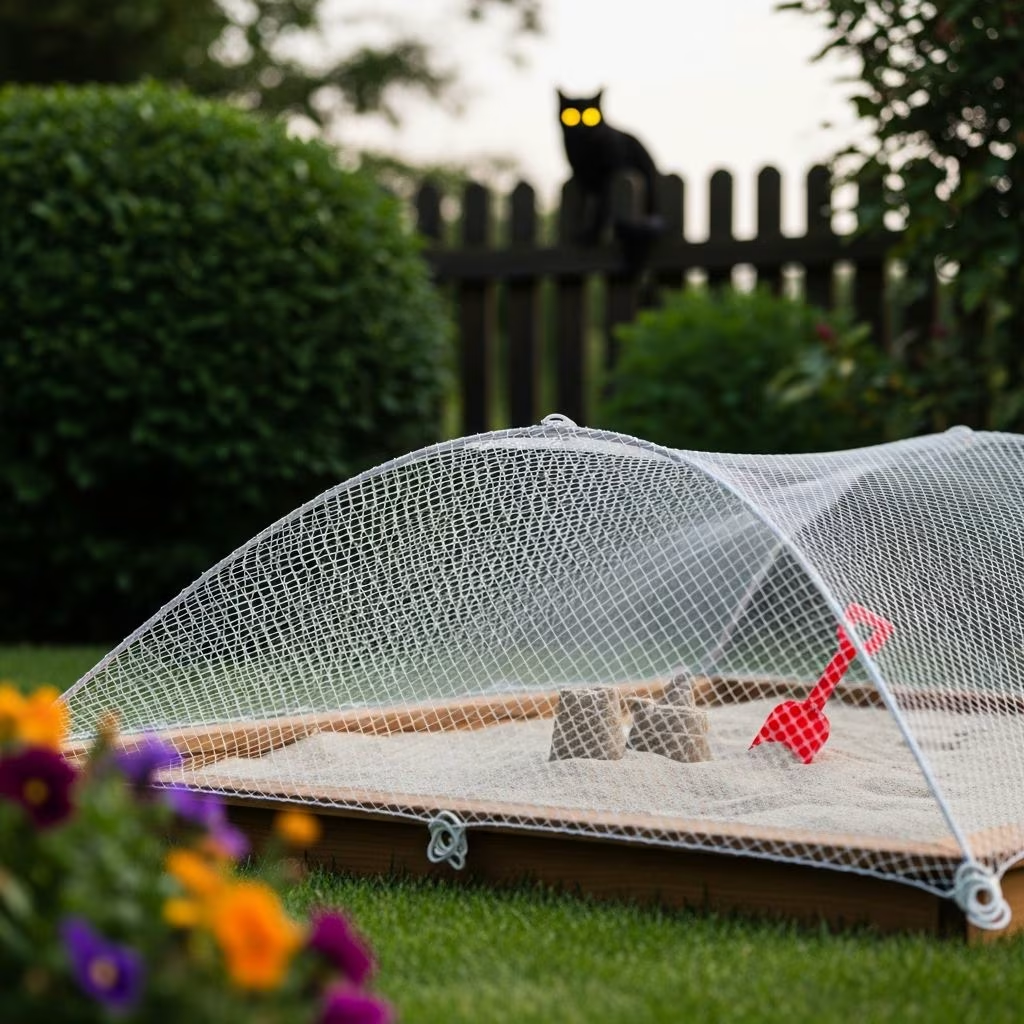
Children’s sandboxes provide endless hours of imaginative play, but they often attract neighborhood cats seeking a soft spot to dig and eliminate. This can pose health risks like toxoplasmosis from fecal matter, making it essential to implement reliable deterrents. This guide explores practical, humane approaches to keep cats away, drawing from veterinary recommendations and proven homeowner solutions.
Understanding Why Cats Target Sandboxes
Cats are naturally drawn to loose, fine-grained substrates like sandbox sand because it mimics their preferred litter material. Their instinct to bury waste leads them to treat these areas as open litter boxes, especially if the sand is clean and undisturbed. Feral, stray, or even pet cats from nearby homes contribute to the problem, turning a fun play zone into a hygiene hazard for kids who might unknowingly handle contaminated sand.
Beyond instincts, sandboxes offer warmth from sun-baked sand and shelter from elements, amplifying their appeal. Regular maintenance is key, but prevention starts with blocking access and disrupting the attraction.
Physical Barriers: The First Line of Defense
Creating impenetrable obstacles prevents cats from entering while allowing easy human access. These methods prioritize durability against clever climbers and diggers.
- Sandbox Covers: A fitted cover is the simplest solution. Use purpose-built lids or craft one from weather-resistant materials like plywood, mesh netting, or UV-treated fabric. Ensure it’s lightweight for quick removal but secure against wind and paws. For custom fits, frame wire mesh with lumber for ventilation that blocks digging.
- Perimeter Fencing: Enclose the sandbox with fencing at least 3 feet high, topped with an outward-angled overhang to thwart jumping. Chicken wire laid flat around the base discourages digging, as cats dislike the unstable texture underfoot.
- Elevated Designs: Build or modify sandboxes on raised platforms with smooth vertical sides, making climbing difficult without handholds.
Maintaining Cleanliness to Deter Repeat Visits
Cats rely on scent to revisit favored spots. Removing waste promptly eliminates these cues.
- Sift sand daily using a cat-litter-style rake to remove clumps.
- Replace top layers of sand monthly or after heavy use, opting for play sand without additives that might attract animals.
- Rake and till the surface frequently to disrupt buried scents and smooth textures cats prefer.
Combine this with indoor housing for your own cats to reduce local traffic and protect them from outdoor dangers like traffic or predators.
Alternative Attractions: Redirect Feline Interests
Divert cats to designated areas nearby, satisfying their digging urges elsewhere.
- Dig a shallow pit filled with cheap kitty litter mixed with dirt, placed 10-20 feet from the sandbox.
- Enhance appeal with catnip sprinkles or used litter from indoor boxes to transfer familiar scents.
- Install catio structures or scratching posts adjacent to the play area for enrichment.
Technology and Automation for Hands-Off Protection
Modern tools activate only when needed, minimizing effort.
| Method | Pros | Cons | Cost Estimate |
|---|---|---|---|
| Motion-Activated Sprinklers | Cats detest water; covers large areas; dual-use for watering | Risk of muddy sand; requires power/water source | $30-60 |
| Ultrasonic Repellers | Silent to humans; solar-powered options | May habituate cats over time | $20-50 |
| Scent-Based Sprays | Easy application; natural options available | Needs reapplication after rain | $10-25 |
Position sprinklers to mist the sandbox perimeter without soaking the sand interior.
Natural and Commercial Repellents
Harness scents cats avoid, applied around the sandbox edges.
- Essential Oils: Citrus peels, lavender, or peppermint oil diluted in water; refresh weekly.
- Plants: Surround with rue, coleus canina, or thorny bushes as living barriers.
- Commercial Products: Choose vet-approved sprays with citronella or neem; test small areas first to avoid sand contamination.
Avoid toxic substances like mothballs, which harm cats and the environment.
Training Techniques for Pet Cats
For your own cats, positive reinforcement builds lasting habits.
- Interrupt approaches with a firm “no” and redirect to toys or alternative spots.
- Use clicker training: Reward ignoring the sandbox with treats.
- Employ gentle squirt bottles or remote buzzers for immediate feedback without fear.
Consistency over weeks yields results, fostering respect for boundaries.
Health Risks and Safety Priorities
Cat feces can transmit Toxoplasma gondii, causing toxoplasmosis, which poses severe risks to pregnant individuals and immunocompromised people. Children ingesting contaminated sand face infection dangers, including neurological issues if untreated. The CDC stresses covering sandboxes and thorough handwashing post-play.
References
- Toxoplasmosis Prevention — Centers for Disease Control and Prevention. 2023-05-01. https://www.cdc.gov/parasites/toxoplasmosis/prevent.html
- Cat Behavior and Litter Preferences — American Veterinary Medical Association. 2024-02-15. https://www.avma.org/resources-tools/pet-owners/petcare/litter-box-basics
- Humane Wildlife Deterrents — Humane Society of the United States. 2023-11-20. https://www.humanesociety.org/resources/how-keep-cats-out-your-yard
Combining Methods for Maximum Effectiveness
No single tactic works universally; layer approaches for robust protection. Start with a cover and cleanliness routine, add fencing or sprinklers for strays, and train pets concurrently. Monitor for a month, adjusting based on observations. This multi-pronged strategy ensures a cat-free zone year-round.
Seasonal Considerations and Long-Term Maintenance
In wet climates, prioritize drainage to prevent mud; in dry areas, focus on dust control. Winterize by fully covering and storing sand if possible. Annual inspections of barriers prevent wear, maintaining efficacy.
FAQs
Is it safe to use vinegar as a cat repellent around sandboxes?
Yes, diluted white vinegar repels via strong odor, but reapply often and avoid direct sand contact to prevent pH imbalance.
What if neighborhood cats persist despite deterrents?
Contact local animal control for feral issues or collaborate with neighbors on community solutions like TNR programs.
Can I use mulch instead of sand?
Mulch is less appealing to cats but may harbor other pests; play sand remains ideal with proper protection.
How do I clean contaminated sand?
Remove visible waste, rake thoroughly, and consider full replacement if heavily soiled, followed by disinfectant rinses.
Are motion sprinklers pet-friendly for my dog?
Adjust sensitivity to distinguish cats; dogs often tolerate water better, but test placements.
(Word count: 1678)



