

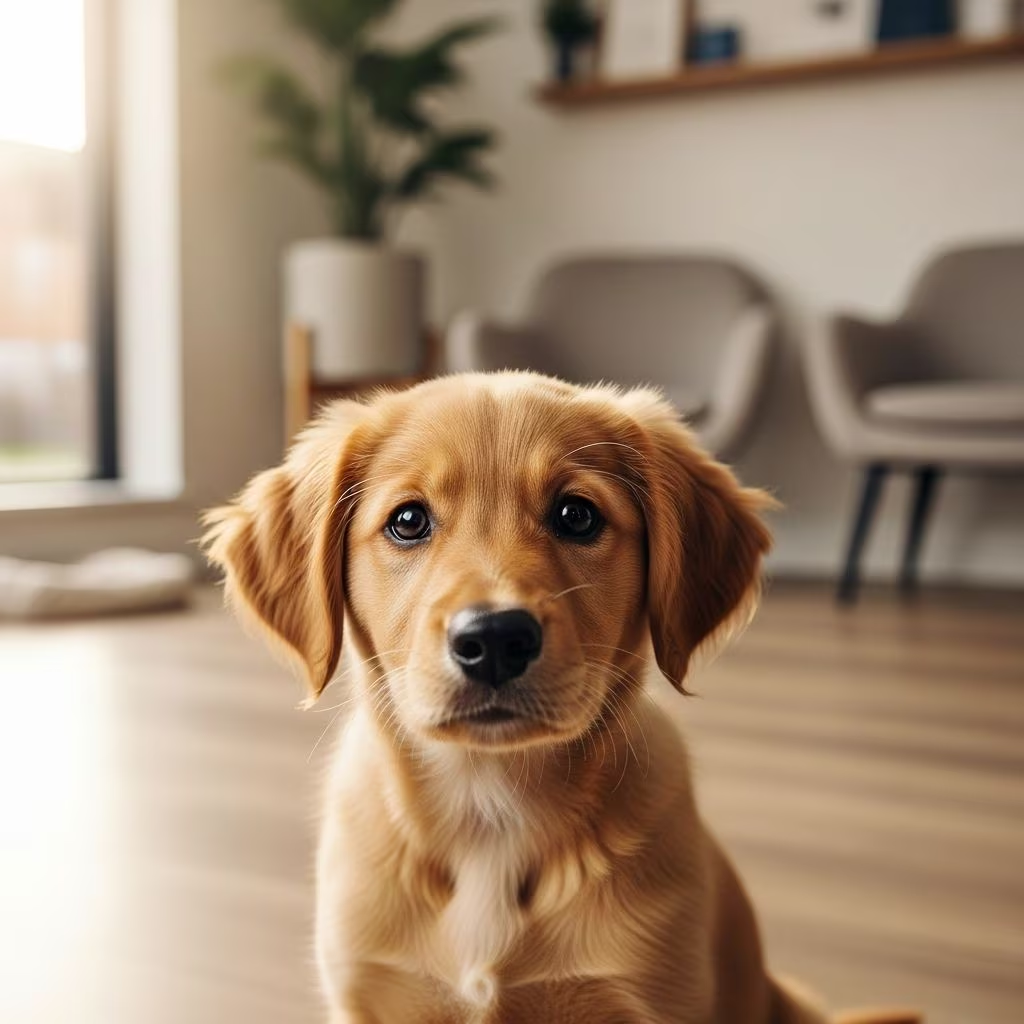
Canine parvovirus, often shortened to parvo, poses a severe risk to young dogs, causing intense gastrointestinal distress and high mortality if untreated. Early prevention through vaccination and hygiene remains the cornerstone of defense, with survival heavily dependent on swift veterinary intervention.
Understanding the Parvovirus Threat
This highly contagious virus targets rapidly dividing cells in a puppy’s intestines and bone marrow, leading to symptoms like profuse bloody diarrhea, vomiting, lethargy, and fever. Puppies under six months, especially those unvaccinated, face the greatest danger due to immature immune systems. The virus spreads via fecal-oral contact, persisting in environments for months despite standard cleaners.
Transmission occurs when puppies ingest contaminated feces from infected dogs, soil, or surfaces. Public spaces like parks, kennels, and pet stores amplify risks for incompletely vaccinated pups. Maternal antibodies from colostrum offer temporary protection but wane by 6-8 weeks, creating a vulnerability window.
Vital Vaccination Protocols for Puppies
Vaccination forms the primary shield against parvo. The American Animal Hospital Association deems it a core vaccine, recommending initial doses starting at 6-8 weeks, with boosters every 2-4 weeks until 16-20 weeks old. This series accounts for maternal antibody interference, ensuring robust immunity development.
- First dose: 6-8 weeks, targeting basic protection.
- Boosters: Every 3-4 weeks, up to 16 weeks minimum.
- Adult boosters: Annually at one year, then every 3 years.
For puppies from shelters or breeders, verify prior shots and complete the schedule promptly. Fully vaccinated dogs rarely contract parvo, underscoring adherence’s importance.
Hygiene Practices to Block Transmission
Beyond vaccines, rigorous hygiene curbs spread. Parvo resists many disinfectants, surviving on fabrics, soil, and concrete for up to a year, necessitating targeted cleaning.
| Area to Clean | Recommended Disinfectant | Frequency |
|---|---|---|
| Food bowls, bedding, floors | 1:32 bleach solution or parvo-specific killers like accelerated hydrogen peroxide | Daily during outbreaks |
| Yard and outdoor areas | Boiling water or phenolic disinfectants | Weekly |
| Toys and leashes | Trifectant or Rescue | After each use |
Immediately remove feces, wash hands after handling pups, and launder items in hot water with bleach. Quarantine infected dogs and avoid sharing equipment.
Safe Socialization Guidelines
Socialization builds confident dogs but risks exposure. Delay until after the final vaccine at 16 weeks. Until then:
- Carry puppies in strollers at parks.
- Host playdates in sanitized private yards with known vaccinated dogs.
- Skip dog parks, groomers, pet stores, and boarding until fully protected.
Gradual introductions post-vaccination foster healthy development without peril.
Spotting Early Warning Signs
Recognize symptoms within 3-10 days of exposure: severe vomiting, watery/bloody diarrhea, weakness, loss of appetite, abdominal pain, and dehydration. Puppies may seem normal before rapid decline. Fever or low white blood cell counts signal severity.
Act fast—untreated cases kill 90% of puppies. Monitor unvaccinated pups closely, especially after potential contact.
Comprehensive Treatment Approaches
No antiviral cures exist; treatment supports recovery via hospitalization. Key elements include:
- IV Fluids: Correct dehydration and electrolyte imbalances.
- Anti-emetics: Control vomiting for nutrient retention.
- Antibiotics: Prevent secondary infections from gut bacteria.
- Nutrition: Tube feeding if needed, progressing to bland diets.
- Pain Relief: Manage discomfort.
Emerging canine parvo monoclonal antibodies (CPMA), like Elanco’s product, offer 100% mortality prevention in studies when given early IV, reducing symptoms and shedding. Survival rates reach 80-90% with aggressive care versus 10% without.
Post-Recovery Care Essentials
Survivors require 1-2 week monitoring. Gradually reintroduce food: start with electrolyte solutions, advance to rice/water mixtures. Continue antibiotics, probiotics for gut repair. Full immunity may take months; revaccinate per vet advice. Disinfect thoroughly to prevent reinfection or spread.
Watch for relapse signs like diarrhea return. Most recover fully, gaining lifelong resistance.
Common Myths Debunked
- Myth: Parvo only affects puppies. Fact: Adults, especially unvaccinated or immunocompromised, can succumb.
- Myth: Home remedies suffice. Fact: Supportive care demands professional oversight.
- Myth: Bleach kills instantly. Fact: Requires 10-minute contact time.
Frequently Asked Questions
What if my puppy misses a vaccine dose?
Restart or extend the series promptly; gaps weaken protection. Consult your vet for tailored catch-up.
Can vaccinated dogs still get parvo?
Rarely, due to vaccine failure or heavy exposure, but severity is milder.
How long is parvo contagious?
Up to 3 weeks post-recovery; isolate and disinfect.
Is there a home test for parvo?
Over-the-counter kits exist but confirm with vet fecal ELISA for accuracy.
Cost of parvo treatment?
Typically $500-$3000+, varying by hospitalization length and complications.
Long-Term Prevention Strategies
Annual vet checkups ensure booster compliance. Community education reduces outbreaks—advocate vaccination. For breeders, test litters and maintain clean facilities. Research advances like CPMA signal improving outcomes.
Empower yourself with knowledge: vaccinate on time, practice hygiene, seek immediate care. These steps transform parvo from fatal foe to manageable risk.
References
- Canine Parvovirus: Prevention and Treatment Options — PetNest Animal Hospital. 2024-05-22. https://petnestanimalhospital.com/2024/05/22/canine-parvovirus-prevention-and-treatment-options/
- Navigating Parvo in Puppies: A Comprehensive Guide — College Hills Veterinary Hospital. N/A. https://collegehillsvet.com/navigating-parvo-in-puppies-a-comprehensive-guide-to-treatment-and-prevention-from-college-hills-veterinary-hospital/
- Causes, Symptoms, and Treatment for Canine Parvovirus — PetMD. N/A. https://www.petmd.com/dog/conditions/infectious-parasitic/parvo-in-dogs
- 8 Tips to Prevent Parvovirus in Your Dog or Puppy — The Animal Foundation. N/A. https://animalfoundation.com/whats-going-on/blog/8-tips-prevent-parvovirus-your-dog-or-puppy/
- Parvovirus in Puppies: New Treatment and Prevention Tools — Animal Medical Center of New York. 2025-05-07. https://www.amcny.org/blog/2025/05/07/parvovirus-in-puppies-new-treatment-and-prevention-tools-pet-owners-should-know/
- Canine Parvovirus — American Veterinary Medical Association. N/A. https://www.avma.org/resources-tools/pet-owners/petcare/canine-parvovirus



