

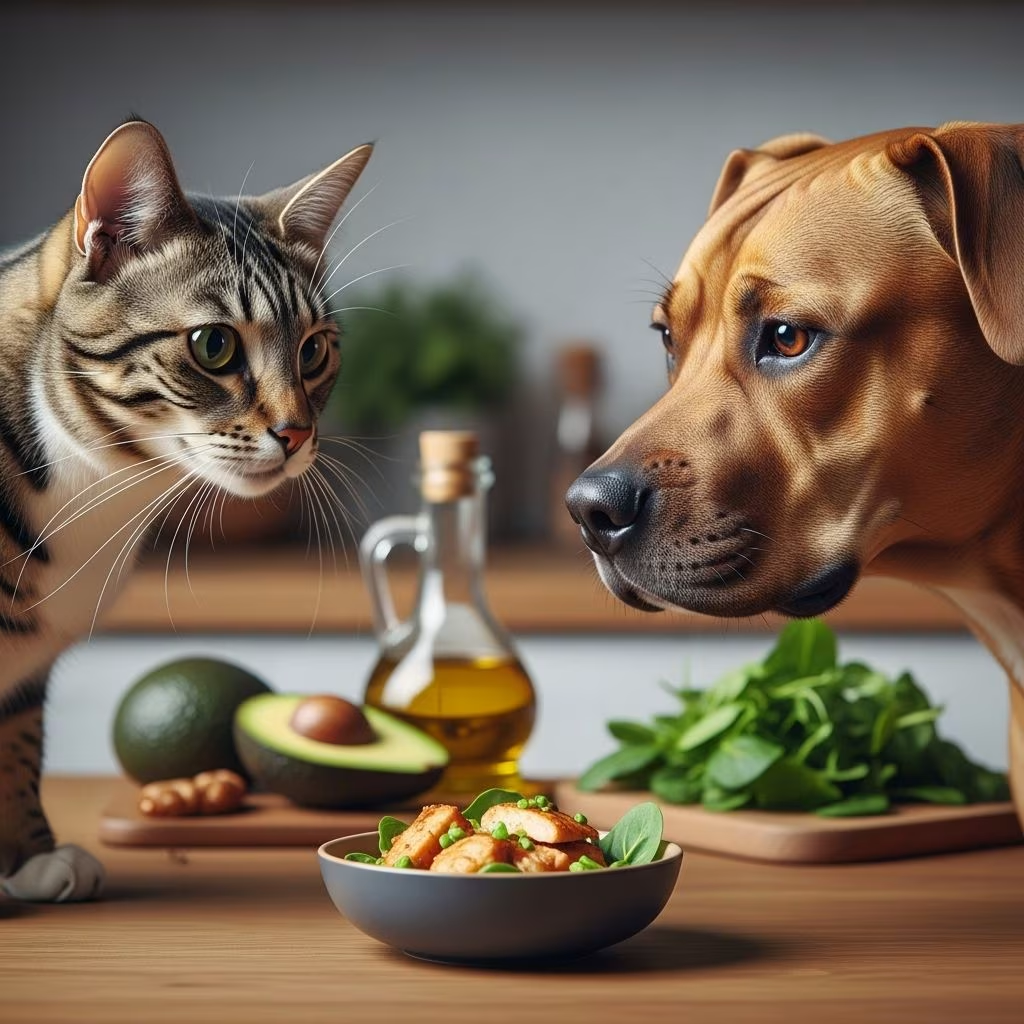
The ketogenic diet has become increasingly popular among people seeking to improve their health through reduced carbohydrate intake and increased fat consumption. However, as millions of households embrace this dietary approach, pet owners must recognize that the foods and ingredients central to their keto lifestyle can pose serious health risks to their beloved companions. Dogs and cats metabolize nutrients differently than humans, which means ingredients considered safe for people can trigger severe medical emergencies in pets. Understanding these hazards is essential for maintaining both your dietary goals and your pet’s wellbeing.
The Metabolic Differences Between Pets and Humans
The foundation of pet safety during your keto journey begins with understanding that cats and dogs process foods through different biochemical pathways than humans. This fundamental difference means that ingredients commonplace in human kitchens can cause unexpected and sometimes life-threatening reactions in animals. Many food items that humans consume safely contain compounds that animals cannot properly metabolize or eliminate from their systems. These metabolic incompatibilities are not based on individual sensitivity but are hardwired into the animal’s digestive system and liver function.
Pet owners often assume that if something is safe for humans, it must be safe for animals. This assumption has led to countless preventable poisonings and emergency veterinary visits. The relationship between dietary components and animal health requires specific knowledge and awareness. By learning about these differences, you can make informed decisions about food storage, preparation, and disposal in your home.
Xylitol: The Hidden Threat in Keto Foods
Xylitol represents one of the most dangerous components of the ketogenic diet specifically for dogs. This sugar alcohol has become ubiquitous in low-carbohydrate food products because it provides sweetness without the carbohydrate content that would disrupt ketosis. However, dogs lack the metabolic mechanism to process xylitol safely. When a dog consumes even small amounts, xylitol triggers a dramatic release of insulin, causing blood glucose to plummet rapidly.
This sudden drop in blood sugar, known as hypoglycemia, can develop within 15 to 30 minutes of ingestion. The effects escalate quickly from initial symptoms like lethargy and loss of coordination to severe complications including seizures, liver damage, and potential death if emergency veterinary intervention is not provided immediately. The particularly troubling aspect of xylitol toxicity is that many people do not realize their pet has consumed it until symptoms appear.
Products commonly containing xylitol include:
- Sugar-free chewing gums and mints
- Keto-friendly baked goods and desserts
- Low-carb candy and chocolate alternatives
- Some peanut butter brands marketed as low-sugar
- Protein bars and keto snack products
- Certain medications and dental products
The lethal dose for dogs varies based on body weight, but even minimal quantities pose significant risk. A single piece of xylitol-containing gum can cause severe symptoms in a small dog. Pet owners should read all ingredient labels carefully, keep these products securely stored away from pet access, and educate family members and visitors about the dangers. If your dog accidentally consumes xylitol, immediate veterinary care is essential, as treatment must be initiated promptly to prevent organ damage.
Elevated Fat Intake and Pancreatitis Risk
Pancreatitis represents another significant concern for pets living in keto-practicing households. The ketogenic diet’s defining characteristic—high fat content—directly increases the likelihood of pancreatic inflammation in both dogs and cats. The pancreas produces digestive enzymes and regulates insulin production, and excessive dietary fat can overwhelm this delicate organ.
When pets consume high amounts of fat, whether through directly consuming keto foods or by accessing spilled ingredients, the pancreas must work harder to produce sufficient digestive enzymes. This increased demand can trigger inflammation and, in severe cases, pancreatitis. Acute pancreatitis causes intense abdominal pain, vomiting, diarrhea, and potentially shock if left untreated.
Common sources of concentrated fats in keto kitchens include:
- Medium-chain triglyceride (MCT) oil
- Coconut oil
- Avocado and avocado oil
- Butter and lard
- Fatty cuts of meat
- Nuts and nut butters
Prevention requires vigilance in food storage and preparation. Secure containers should store all oils and fatty ingredients in locations inaccessible to pets. During cooking, supervise carefully to prevent spills or accidental drops. Even small quantities of these oils can create digestive upset in animals, making prevention far preferable to treatment.
Cats appear particularly susceptible to pancreatitis complications, and symptoms may be subtler than in dogs. Affected cats often display decreased appetite, lethargy, and vomiting. Some cases develop into chronic pancreatitis, causing long-term digestive problems and reduced quality of life.
Additional Substances Commonly Found in Keto Products
Beyond xylitol and excessive fat, other ingredients popular in ketogenic cooking can harm pets. Garlic and onion, used to add flavor to keto-friendly savory dishes, contain compounds that damage red blood cells in dogs and cats. Even small quantities can cause hemolytic anemia, where the immune system attacks and destroys healthy blood cells.
Macadamia nuts, featured in many keto recipes and snack mixes, cause tremors, weakness, and elevated body temperature in dogs. The exact mechanism remains unclear to researchers, but the toxicity is well-documented and predictable. Grapes and raisins, sometimes incorporated into keto snack combinations, can trigger acute kidney failure in susceptible animals.
Chocolate used in low-sugar keto desserts contains theobromine and caffeine, compounds that dogs and cats metabolize slowly compared to humans. Dark chocolate used in keto baking contains higher concentrations of these stimulants, amplifying toxicity risk. Symptoms of chocolate poisoning include rapid heartbeat, tremors, hyperactivity, and in severe cases, cardiac arrhythmias.
Creating a Pet-Safe Keto Household
Successfully maintaining both your ketogenic lifestyle and your pet’s safety requires intentional planning and consistent household practices. The goal is not to abandon your dietary approach but to establish boundaries and safety protocols that minimize risk.
Storage organization represents the first line of defense. Designate specific cabinet spaces or refrigerator shelves for keto ingredients, preferably in areas where pets cannot access them even if doors are left ajar. Use opaque, clearly labeled containers that do not resemble pet food packaging. Many accidental poisonings occur when pets mistake human keto products for their own food.
During meal preparation, establish a cleanup protocol immediately after finishing. Wipe down countertops thoroughly, sweep under tables, and dispose of food scraps in sealed containers rather than leaving them on counters where curious pets might investigate. Pay particular attention to oils and fats, which can transfer through accidental contact.
Educate household members and visitors about pet safety. Guests may not realize that offering a piece of sugar-free candy or a bite of keto dessert could trigger a medical emergency. Create a simple written guide listing dangerous foods and post it prominently in the kitchen.
Maintain documentation of all keto products you keep in your home, noting their ingredients and storage locations. This information becomes invaluable if accidental ingestion occurs and you need to communicate with an emergency veterinarian. Photograph ingredient labels and keep this information easily accessible.
Recognizing Signs of Accidental Ingestion
Early recognition of poisoning symptoms can mean the difference between successful treatment and severe complications or death. Pet owners should understand the timeline and manifestations of common keto-related poisonings.
Xylitol toxicity develops rapidly, with symptoms appearing within 15 to 30 minutes in many cases. Initial signs include lethargy, vomiting, lack of coordination, and tremors. More severe symptoms develop within hours and include seizures, elevated heart rate, and collapse.
Pancreatitis symptoms develop more gradually. Affected pets display decreased appetite, repeated vomiting, abdominal pain (evidenced by hunched posture or reluctance to move), and diarrhea or constipation. Fever may develop in acute cases.
If you suspect your pet has consumed keto products, contact your veterinarian or emergency animal hospital immediately. Provide as much information as possible about what the pet consumed, how much, and when. Do not wait for symptoms to worsen before seeking care, as early intervention dramatically improves outcomes for xylitol poisoning.
Frequently Asked Questions
Is it safe to give my dog keto treats specifically formulated for pets?
Commercially available keto treats formulated specifically for dogs are generally safer than human keto products, provided they come from reputable manufacturers. However, review the ingredient list carefully and follow portion guidelines strictly. Even pet-specific products can contribute to excessive fat intake and pancreatitis if fed in large quantities. Discuss any dietary changes with your veterinarian first.
Can cats eat food from my keto diet?
Cats should not eat human keto foods. Cats have different nutritional requirements than both humans and dogs, and many ingredients in human keto products can harm them. Some cats are particularly sensitive to fat-induced pancreatitis. Keep all human foods completely separate from your cat’s diet.
What should I do if my dog accidentally eats xylitol?
Seek emergency veterinary care immediately. Do not wait for symptoms to develop. Provide the veterinarian with information about how much xylitol was consumed and when. Time is critical, and treatment must begin quickly to prevent severe complications.
Are sugar alcohols other than xylitol safe for dogs?
While some sugar alcohols like erythritol appear to have lower toxicity risk than xylitol, they can still cause digestive upset in pets. To be safe, avoid all products sweetened with artificial sweeteners when feeding to your pets.
How can I make sure my pet doesn’t access my keto foods?
Store all keto products in high cabinets, locked drawers, or rooms where pets cannot enter. Use pet-proof containers and keep ingredients in consistent, secure locations. Supervise pets during cooking and maintain immediate cleanup protocols.
Conclusion: Balancing Your Health and Your Pet’s Safety
Following a ketogenic diet and maintaining a healthy environment for your pets need not be mutually exclusive. By understanding the specific hazards that keto ingredients pose to cats and dogs, implementing proper storage and handling practices, and staying vigilant about household management, you can pursue your dietary goals while protecting your beloved companions. The key lies in awareness, preparation, and consistency. Your pets depend on you to keep them safe, and with thoughtful planning, you can do exactly that while maintaining your own nutritional path.
References
- Keto Diet for Dogs: What to Know — American Kennel Club. 2024. https://www.akc.org/expert-advice/nutrition/keto-diet-dogs-know/
- Therapeutic use of the keto diet on dogs — First Light USA. 2024. https://www.firstlight.farm/us/therapeutic-use-of-the-keto-diet-on-dogs/
- Ketogenic diets: A systematic review of current scientific evidence in dogs and cats — PubMed Central, National Center for Biotechnology Information. 2023. https://pubmed.ncbi.nlm.nih.gov/38091342/
- Ketogenic diets in healthy dogs induce gut and serum metabolome changes suggestive of anti-tumourigenic effects — PubMed Central, National Center for Biotechnology Information. 2022. https://pmc.ncbi.nlm.nih.gov/articles/PMC9506423/
- The Effects of a Ketogenic Medium-Chain Triglyceride Diet on the Microbiome and Metabolome in Dogs with Idiopathic Epilepsy — Frontiers in Veterinary Science, Frontiers Media. 2020. https://www.frontiersin.org/journals/veterinary-science/articles/10.3389/fvets.2020.541547/full



