

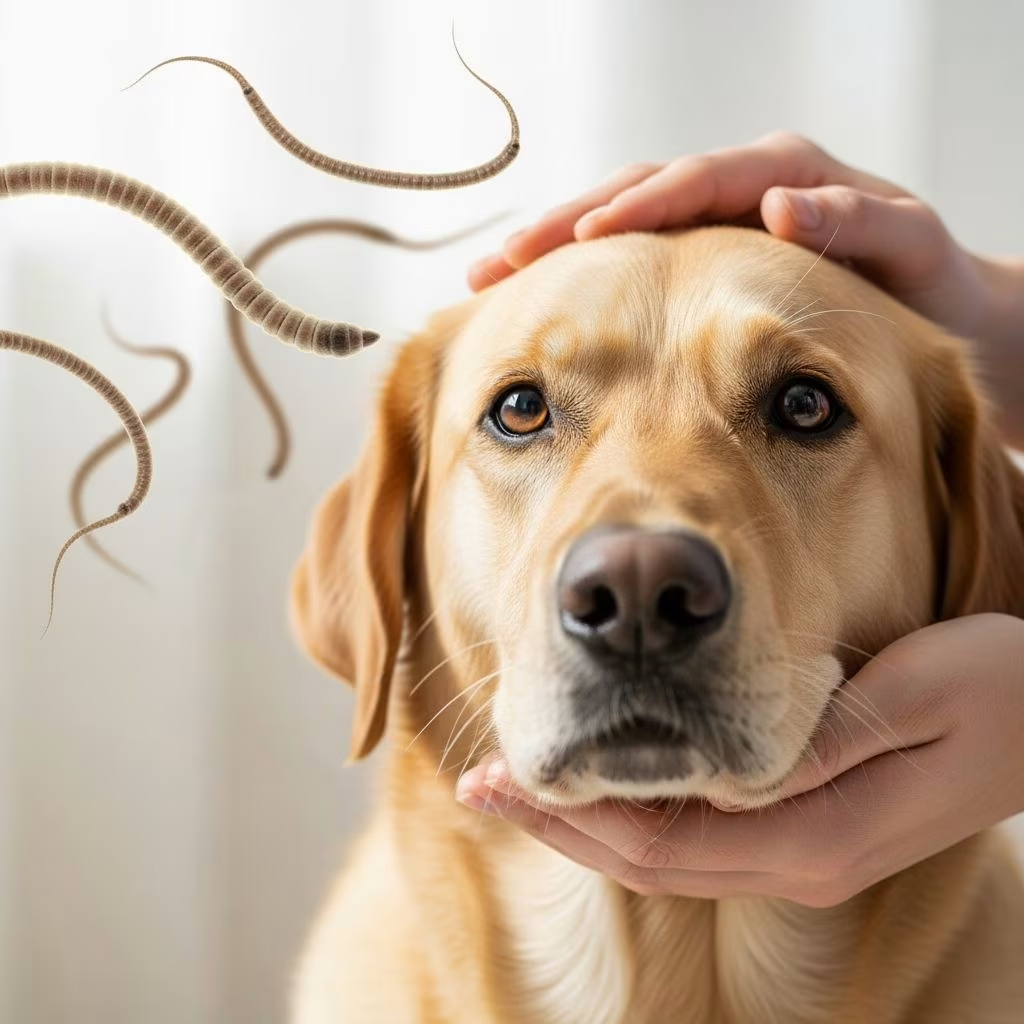
Whipworms represent a common yet manageable intestinal parasite affecting dogs and, to a lesser extent, cats. These nematodes, scientifically known as Trichuris vulpis in canines, embed themselves in the large intestine, potentially leading to health complications if left unchecked. Understanding their lifecycle, transmission methods, and control strategies empowers pet owners to maintain their animals’ well-being effectively.
Understanding Whipworm Biology and Transmission
Whipworms derive their name from their distinctive shape: a slender anterior resembling a whip handle and a thicker posterior. Adult worms, measuring 3-5 cm in length, attach to the mucosal lining of the cecum and colon using spear-like mouthparts, feeding on blood and tissue fluids. Females produce thousands of barrel-shaped eggs daily, which are shed in the host’s feces. These eggs embryonate in the environment over 2-4 weeks, becoming infective under warm, moist conditions.
Transmission occurs when pets ingest embryonated eggs from contaminated soil, water, or feces. Common exposure sites include dog parks, shared yards, and uncleaned kennels. Unlike some parasites, whipworms do not require intermediate hosts, making direct environmental contamination the primary risk factor. Puppies and young dogs face higher vulnerability due to exploratory behaviors and immature immune systems.
- Embryonated eggs remain viable in soil for years, especially in shaded, humid areas.
- Ingestion happens via grooming, eating contaminated grass, or contact with infected feces.
- Dogs in multi-pet households or boarding facilities encounter elevated risks.
Recognizing Whipworm Infections in Pets
Many infections remain subclinical, particularly in healthy adults with low worm burdens. However, heavier infestations manifest through gastrointestinal disturbances. Owners may observe:
- Diarrhea, often bloody or mucoid, due to mucosal damage.
- Weight loss and poor coat condition from nutrient malabsorption.
- Lethargy, vomiting, and dehydration in severe cases.
- Abdominal pain or straining during defecation.
Symptoms mimic other enteric issues like hookworms or dietary indiscretions, underscoring the need for veterinary diagnostics. Chronic infections can lead to anemia from blood loss, especially in small breeds or seniors.
Accurate Diagnosis Through Veterinary Testing
Definitive diagnosis relies on fecal examination. The Companion Animal Parasite Council (CAPC) endorses fecal flotation with centrifugation as the gold standard, enhancing egg detection sensitivity. Antigen tests and PCR assays provide additional specificity, particularly for low-burden infections.
Testing frequency varies by age and risk:
| Pet Age/Group | Recommended Testing Frequency |
|---|---|
| Puppies (first year) | At least 4 times |
| Adult dogs/cats | 2 times per year, or more for high-risk pets |
| Boarding/kennel residents | Before and after stays |
Veterinarians may recommend AI-assisted centrifugation for precise readings. Periodic monitoring post-treatment detects reinfections promptly.
Effective Treatment Protocols for Infected Pets
Treatment targets adult worms and requires follow-up due to environmental egg persistence. Multiple anthelmintics prove efficacious, including fenbendazole, milbemycin, moxidectin, and febantel. Protocols typically involve two doses spaced 3-4 weeks apart to address emerging larvae.
For severe cases, supportive care like fluids, nutritional supplements, or anti-diarrheals addresses secondary effects. Most dogs respond favorably, with resolution within weeks, though reinfection risks necessitate vigilance.
- Administer medications strictly per vet instructions to avoid resistance.
- Retest feces 2-4 weeks post-treatment to confirm clearance.
- Quarterly re-treatments may suit high-risk environments.
Comprehensive Prevention Strategies for Whipworms
Prevention surpasses treatment in efficacy and cost. Integrate monthly broad-spectrum preventives covering heartworm, hookworms, roundworms, and whipworms—products like those with milbemycin or moxidectin (e.g., Interceptor, Trifexis). For inconsistent administration, quarterly anthelmintic dosing aligns with fecal checks.
Environmental management proves crucial:
- Remove feces daily from yards, runs, and walks to curb egg accumulation.
- Clean bedding, bowls, and kennels weekly with pet-safe disinfectants.
- Avoid high-risk areas like uncovered sandboxes or communal dog zones.
- Practice hand hygiene post-handling waste to protect households.
Cornell University’s Riney Canine Health Center emphasizes prompt feces disposal and monthly preventives as cornerstones. Merck Veterinary Manual advocates routine fecal monitoring alongside anthelmintics for mature dogs.
Special Considerations for Puppies, Seniors, and Multi-Pet Homes
Puppies demand intensive protocols: deworm at 2, 4, 6, and 8 weeks, then monthly until 6 months, transitioning to adult regimens. Seniors or immunocompromised pets benefit from heightened testing and preventives due to resilience gaps.
In multi-pet settings, treat all animals concurrently and sanitize shared spaces. Cats face lower prevalence but warrant screening, especially outdoorsy ones; experimental treatments apply if needed.
The Role of Regular Vet Checkups in Parasite Control
Annual wellness exams incorporating fecal panels detect subclinical issues early. Vets tailor preventives to lifestyle—hunting dogs need robust coverage versus apartment dwellers. Track regional prevalence; whipworms favor temperate climates.
FAQs on Whipworm Prevention in Pets
Can humans contract whipworms from pets?
Rarely; T. vulpis eggs require specific conditions and are not zoonotic like roundworms. Hygiene minimizes risks.
How long do whipworm eggs survive outdoors?
Up to several years in moist soil, but desiccation kills them quickly in dry, sunny areas.
Are over-the-counter dewormers sufficient?
No; prescription products ensure broad efficacy. Consult vets for appropriate options.
Does heartworm preventive cover whipworms?
Many do, containing milbemycin or moxidectin. Verify labels with your veterinarian.
What if my pet shows no symptoms?
Asymptomatic carriers shed eggs, infecting others. Routine testing remains essential.
Long-Term Health Benefits of Parasite Vigilance
Consistent prevention fosters optimal growth, vitality, and longevity. Parasite-free pets exhibit better nutrient uptake, immune function, and playfulness. Owners investing in these measures avert costly treatments and distress.
By blending pharmacological tools, hygiene, and diagnostics, pet guardians create robust defenses against whipworms. Collaborate with veterinarians for personalized plans, ensuring joyful, healthy companionship.
References
- What is Whipworm in Dogs? Causes, Treatment & Prevention — Bullard Animal Hospital. 2023-02-15. https://www.bullardanimalhospital.com/site/blog/2023/02/15/whipworm-dogs-treatment
- Trichuris vulpis – Companion Animal Parasite Council — CAPC. Accessed 2026. https://capcvet.org/guidelines/trichuris-vulpis/
- The Complete Guide to Whipworms in Dogs — Cedar Animal Medical Center. 2022-04-15. https://www.cedaranimalmedicalcenter.com/site/blog/2022/04/15/guide-whipworm-dogs
- Whipworms in Dogs – Cornell University — Riney Canine Health Center, Cornell Vet. 2024-08. https://www.vet.cornell.edu/departments-centers-and-institutes/riney-canine-health-center/canine-health-topics/whipworms-dogs
- Whipworms in Small Animals – Merck Veterinary Manual — Merck & Co. Accessed 2026. https://www.merckvetmanual.com/digestive-system/gastrointestinal-parasites-of-small-animals/whipworms-in-small-animals



