
Protecting Pets During Visitor Stays
Essential strategies to safeguard your pets from hazards brought by houseguests and gatherings, ensuring stress-free visits.
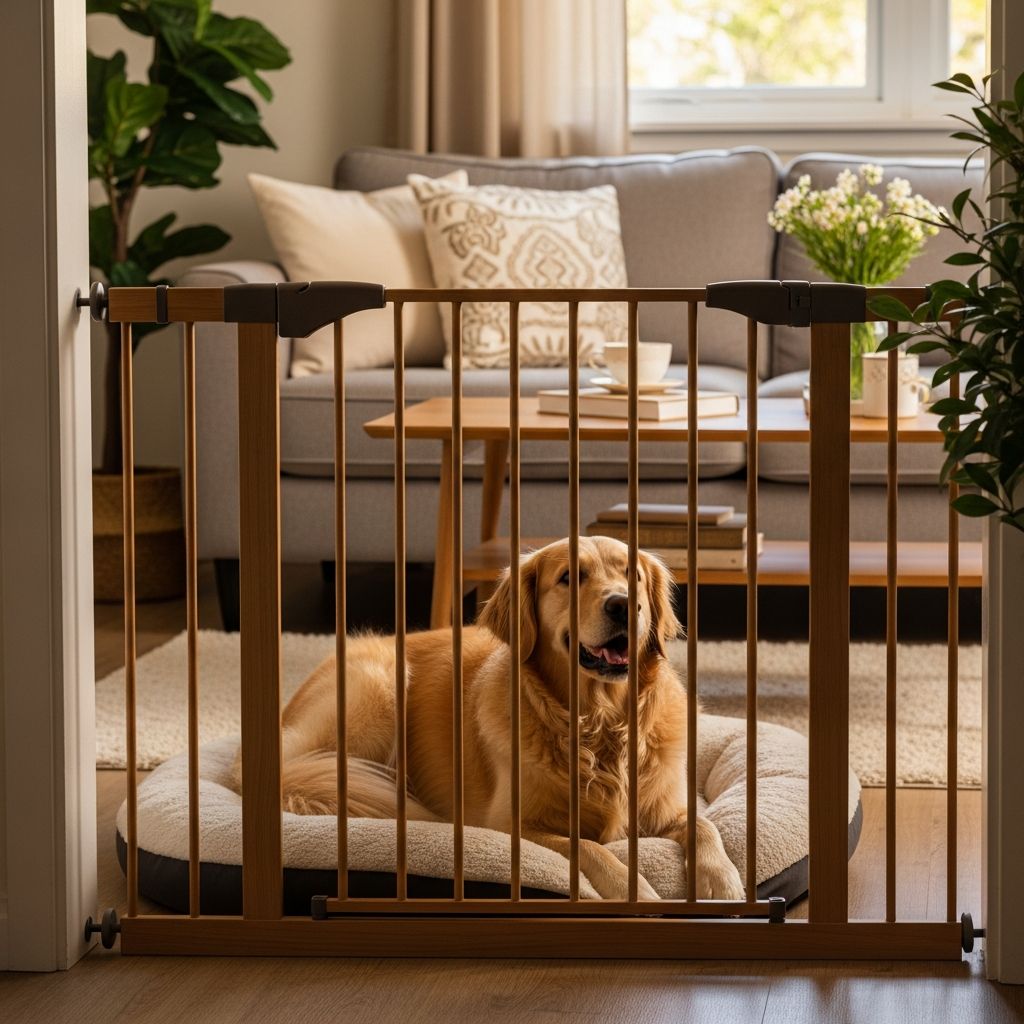
When friends and family arrive for extended visits or celebrations, your home transforms into a bustling hub of activity. While exciting for hosts, this influx of people introduces unique risks for pets, from accidental ingestions to heightened anxiety. Proactively addressing these concerns allows everyone—pets included—to enjoy the time together without incident.
Anticipating Risks from Guests’ Belongings
Overnight visitors often unpack suitcases brimming with items that pose serious threats to curious pets. Clothing, socks, and small accessories can lead to intestinal blockages if chewed and swallowed. Grooming products like shampoos, lotions, and hair ties contain chemicals toxic upon ingestion, potentially causing vomiting, seizures, or worse.
Medications represent an even greater danger; dropped pills from supplement bottles can be fatal if pets snatch them from floors or counters. To mitigate these hazards, establish clear guidelines for guests upon arrival. Politely request they secure luggage in elevated spots or closed rooms, and store toiletries in cabinets beyond pet reach. Suggest consuming pills over a sink to contain any spills, and emphasize closing doors to guest areas.
- Designate a guest bedroom as off-limits to pets, using baby gates or door barriers.
- Provide storage bins or hooks for bags and clothing.
- Educate visitors on pet-specific dangers they might overlook.
Creating Secure Retreat Zones for Pets
Amid gatherings, pets can become overwhelmed by noise, unfamiliar faces, and constant door openings. Designate a quiet ‘retreat zone’—such as a spare room, laundry area, or crated space—equipped for comfort and containment. This prevents escapes, interactions with rambunctious children, and access to risky items.
For dogs, stock the area with fresh water, puzzle toys filled with treats, and chew items to combat boredom. Cats benefit from litter boxes, scratching posts, vertical perches, and interactive wand toys. Introduce noise-masking tools like fans or calming playlists to drown out party clamor. Train pets to use this space weeks in advance through positive reinforcement, associating it with rewards rather than isolation.
| Pet Type | Essential Retreat Items | Containment Options |
|---|---|---|
| Dogs | Water bowl, stuffed Kong, blankets | Crate, baby gate, exercise pen |
| Cats | Litter box, toys, cat tree | Door screen, high-sided enclosure |
Managing Food and Table Temptations
Holiday feasts or casual dinners amplify temptation, with rich foods, bones, and chocolate scattered about. Pets sneaking table scraps risk pancreatitis from fatty meats or toxicity from grapes, onions, and xylitol-sweetened gums. Hosts should confine pets during meals and swiftly clean spills.
Inform guests not to feed pets without permission, as human foods often disagree with sensitive stomachs. Offer pet-safe alternatives like plain cooked veggies or approved treats to redirect begging behavior. For multi-day stays, maintain a feeding schedule in the retreat zone to avoid competition or overindulgence.
Preventing Escapes and Outdoor Mishaps
Open doors during arrivals and departures create prime escape opportunities, especially for excited or fearful pets. Leash dogs near entryways and station a family member at the door. Use visual cues like bells or signs reminding guests to pause and check for pets.
Ensure all pets wear updated ID tags, microchips, and collars with contact info. For skittish animals, harnesses provide secure handling over collars that might slip. Scout your yard for gaps in fences or toxic plants guests might introduce in pots.
Handling Interactions with Children and Strangers
Visiting kids may chase, poke, or unintentionally harm pets, while some animals react poorly to hugs or loud voices. Supervise all interactions closely, teaching children gentle petting rules. For reactive pets, default to separation until comfort levels are assessed.
Observe body language: tucked tails, lip licking, or stiff postures signal discomfort. Reward calm behavior around guests to build positive associations over time.
Pet-Proofing High-Traffic Areas
Beyond guest items, routine clutter like shoes, cords, and remotes becomes hazardous amid chaos. Tuck away electrical wires, secure trash bins, and elevate valuables. Slippery floors from tracked water warrant rugs for traction, preventing slips in senior or large-breed pets.
- Secure cabinet latches for cleaners and tools.
- Remove or cover toxic houseplants.
- Store laundry baskets behind doors to avoid string ingestion.
Guest Responsibilities for Pet Harmony
Communicate house rules upfront: no unattended pets near doors, respect retreat zones, and report any mishaps immediately. Guests with allergies or fears appreciate advance notice and containment plans. Thoughtful visitors contribute by closing doors habitually and avoiding unsolicited treats.
Stress Reduction Techniques
Extended visits disrupt routines, spiking anxiety. Maintain exercise walks, play sessions, and bedtime rituals. Pheromone diffusers or calming collars offer chemical support for severe cases. Monitor for signs like panting, pacing, or appetite loss, consulting vets if persistent.
Emergency Preparedness Essentials
Keep a pet first-aid kit stocked with bandages, tweezers for splinters, and hydrogen peroxide for induced vomiting (under vet guidance). Post vet contacts and poison hotline numbers visibly. For evacuations or crises, have carriers ready with leashes attached.
Frequently Asked Questions
How do I introduce my shy pet to overnight guests?
Allow gradual, supervised meetings in neutral spaces, using high-value treats to foster positivity. Keep initial sessions short.
What if a guest drops medication?
Immediately confine the pet and call a poison control hotline like ASPCA’s at (888) 426-4435 for guidance.
Can I use medication to calm my pet during parties?
Consult your vet first; over-the-counter options risk side effects without professional dosing.
How to handle a pet that resource-guards toys around visitors?
Remove toys during guest times and provide alternatives in supervised settings.
Are essential oils safe around pets with houseguests using diffusers?
Many are toxic; opt for pet-safe alternatives or ventilate well.
Long-Term Habits for Frequent Hosts
For regular visitors, invest in permanent fixtures like screen doors or built-in gates. Annual pet wellness checks ensure baseline health for handling disruptions. Sharing this guide with guests promotes mutual respect and safety.
By prioritizing preparation, your home remains a sanctuary for pets even during lively visits. These steps not only avert emergencies but enhance overall well-being, letting tails wag freely amid the fun.
References
- Pet Safety – When Houseguests Come to Visit — Preventive Vet. 2023-12-01. https://www.preventivevet.com/pets/pet-safety-houseguests
- Essential Tips for Pet-Proofing Your Home — American Animal Hospital Association (AAHA). 2024-05-15. https://www.aaha.org/resources/essential-tips-for-pet-proofing-your-home/
- Pet-Proofing Your Home — American Humane Society. 2023-11-20. https://www.americanhumane.org/public-education/pet-proofing-your-home/
- Be Prepared: Pet Safety in Emergencies — Centers for Disease Control and Prevention (CDC). 2025-02-10. https://www.cdc.gov/healthy-pets/emergency-preparedness/index.html
- 10 Rules for Houseguests with Pets — HowStuffWorks. 2024-08-05. https://animals.howstuffworks.com/pets/pet-travel/10-rules-for-houseguests-with-pets.htm
Similar Articles








Read full bio of medha deb


